Isla Catalina Beach
Caribbean diving at its finest
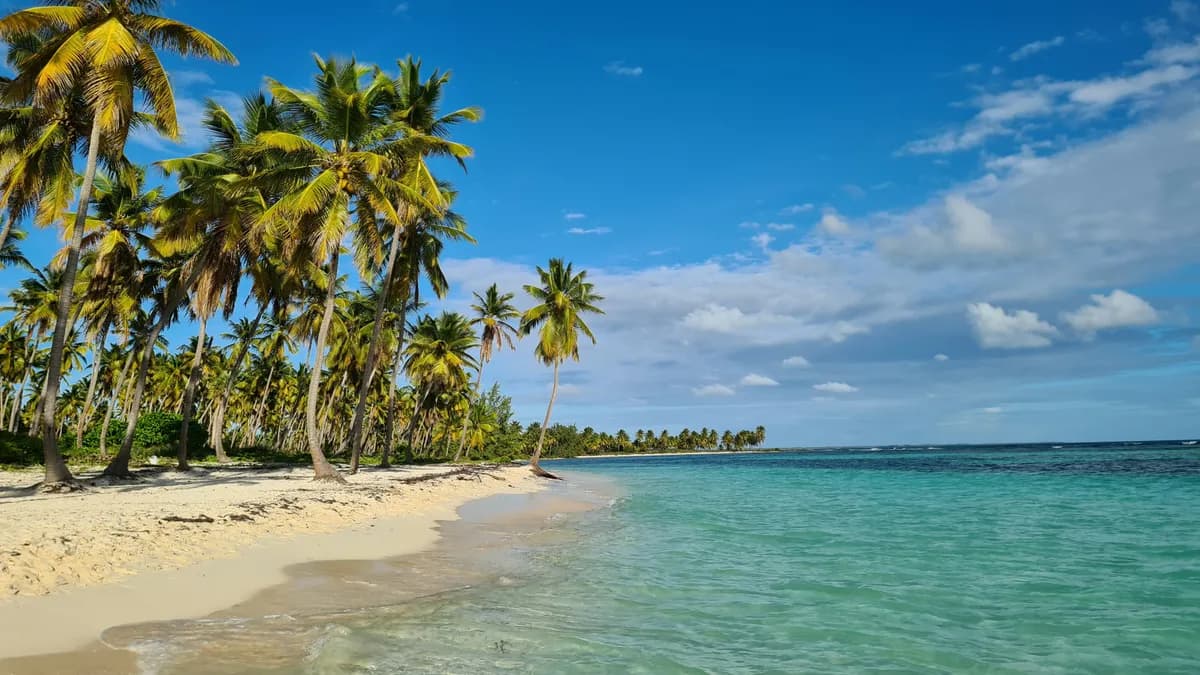
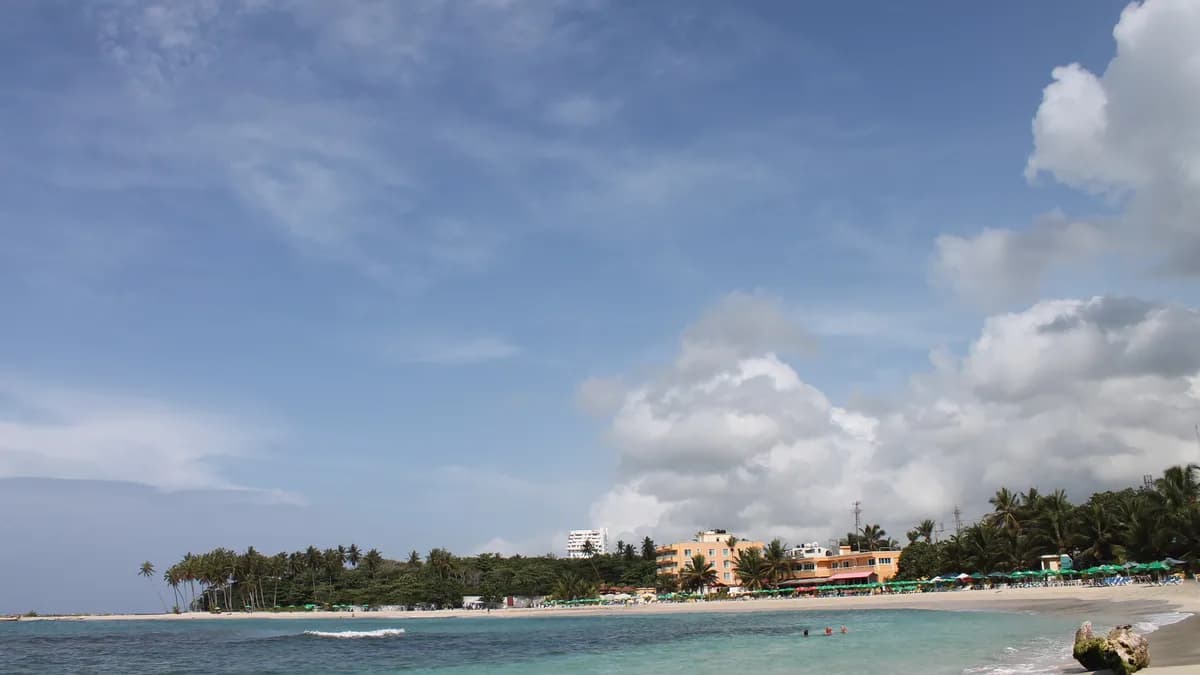
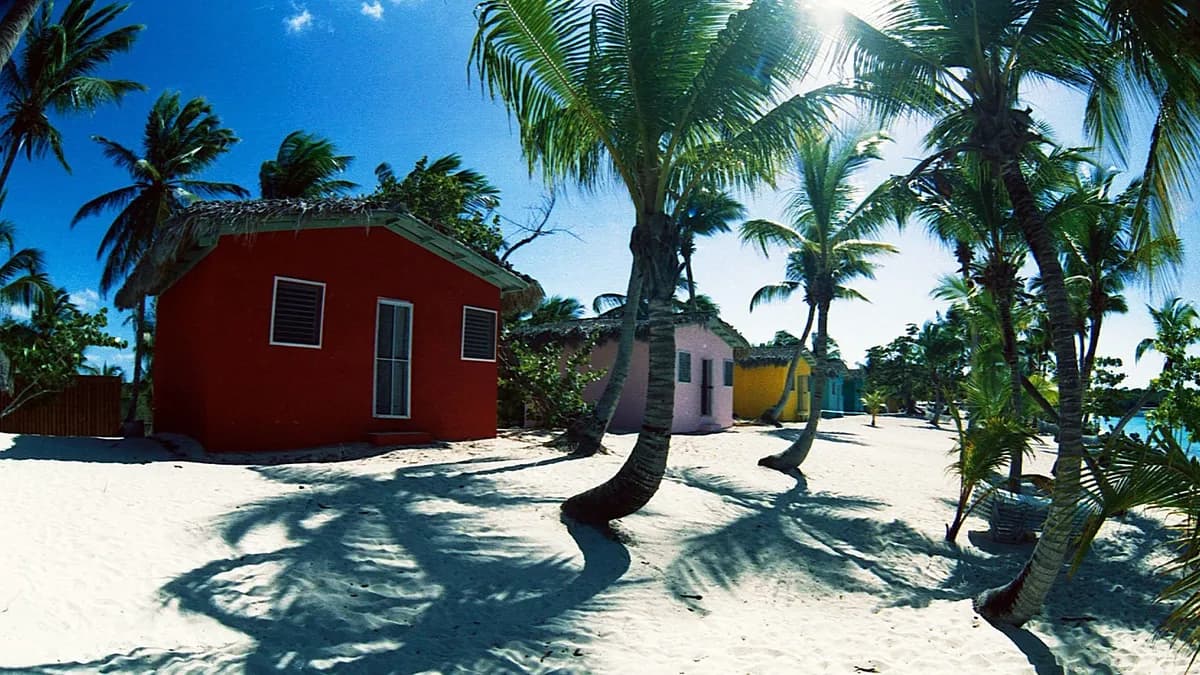
Isla Catalina is a small, uninhabited island about 2.5 kilometers off the southeast coast near La Romana. While smaller and less famous than Isla Saona, many locals and experienced travelers consider it the better island experience thanks to its superior snorkeling, fewer crowds, and more relaxed atmosphere.
The island has three main beach areas, each with different characteristics. The western beach is calm and family-friendly with white sand. The eastern side, home to "The Wall," is one of the best snorkeling and diving sites in the Dominican Republic, with a dramatic coral drop-off teeming with marine life.
Isla Catalina is part of a protected marine area, and its reefs have been better preserved than many in the region. The island is also notable for its historical significance -- it was one of the places Columbus landed during his voyages, and indigenous Taino artifacts have been found here.
Seasonal guide
How Isla Catalina Beach shifts through the year. Each bar's height is the sea temperature, and the teal bars mark the best months for a beach day. Water temperature shows in °F by default; switch to °C with the toggle.
Best time to visit: Jan, Feb, Mar, Apr, Nov, Dec. The sea stays warm year-round; these months pair calm water with the lightest crowds and lowest sargassum risk.
| Month | Waves | Crowds | Sargassum | Rating |
|---|---|---|---|---|
| Jan | 0.3-0.5m | High | None | Excellent |
| Feb | 0.3-0.5m | High | None | Excellent |
| Mar | 0.3-0.5m | Moderate | None | Excellent |
| Apr | 0.3-0.5m | Moderate | None | Very Good |
| May | 0.5-1m | Low | Low | Good |
| Jun | 0.5-1m | Low | Low | Fair |
| Jul | 0.3-0.5m | Moderate | Low | Good |
| Aug | 0.5-1m | Moderate | None | Fair |
| Sep | 0.5-1m | Low | None | Fair |
| Oct | 0.5-1m | Low | None | Good |
| Nov | 0.3-0.5m | Moderate | None | Very Good |
| Dec | 0.3-0.5m | High | None | Excellent |
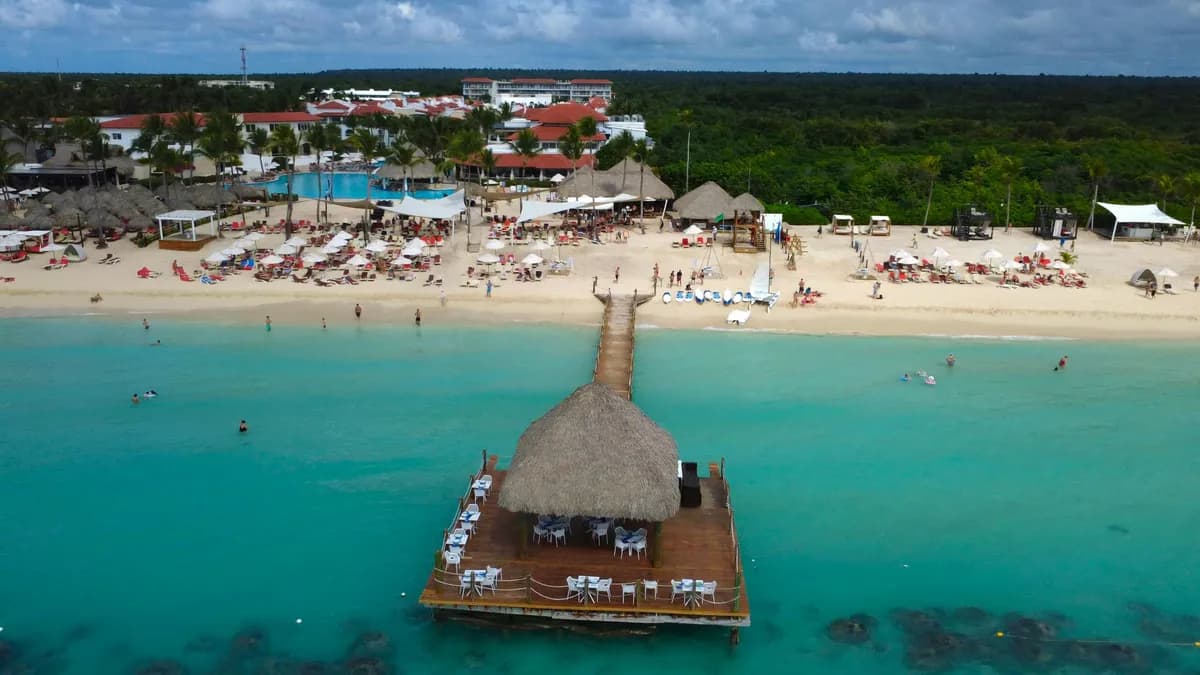
The western beach offers calm, sheltered water ideal for swimming and families. The sandy bottom is clean and the water is shallow near shore. On the other side of the island, conditions are more varied with some current near the coral wall.
"The Wall" on the eastern side is a world-class snorkeling and diving site. The reef drops from 5 meters to over 30 meters, creating a vertical garden of coral, sponges, and sea fans. Marine life includes barracuda, grouper, moray eels, sea turtles, spotted eagle rays, and hundreds of reef fish species. Visibility often exceeds 30 meters.
Currents at The Wall can be moderate, so snorkelers should stay close to the reef edge and not venture into the blue water. Guided snorkeling tours ensure safety while maximizing the experience.
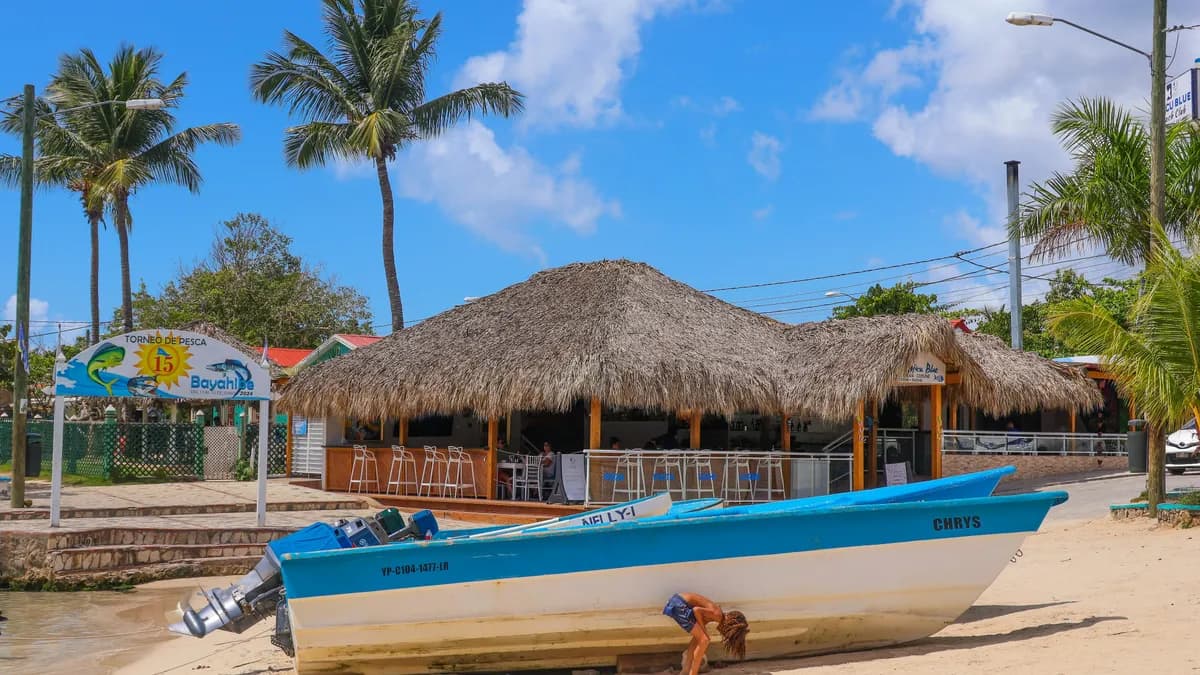
Isla Catalina is accessed by boat from La Romana or Bayahibe. The boat ride takes about 30-45 minutes from the mainland. Tours are available from both departure points.
Excursion prices vary by operator and itinerary; one combined snorkeling, beach and river excursion advertises a special offer of USD $145 per adult for group tours that include lunch, drinks, and snorkeling equipment. Private charters for small groups are available from Bayahibe. Many cruise ships docking at La Romana also offer Isla Catalina as a shore excursion.
Book directly in Bayahibe village for the best prices. Most tours depart at 9 AM and return by 3-4 PM. Some dive operators offer dedicated diving trips to The Wall for certified divers.
- Snorkeling gear: Tours provide basic gear, but your own mask and fins are much better for The Wall
- Underwater camera: The reef life and visibility here are among the best in the DR
- Reef-safe sunscreen: Recommended for your visit
- Rash guard or UV shirt: You will be snorkeling for extended periods
- Seasickness medication: If sensitive, take it before the boat ride
- Small waterproof bag: For your phone and valuables while in the water
Isla Catalina is best visited from November to May when the sea is calmest and underwater visibility is at its peak. The dive sites are accessible year-round but conditions are optimal during these months.
Avoid days when cruise ships are in La Romana if you want a quieter experience -- check ship schedules online. Cruise ship days can bring hundreds of additional visitors to the small island. Weekdays generally offer better conditions for a peaceful visit.
Isla Catalina is widely considered the better island choice over Isla Saona for snorkeling enthusiasts. The Wall is simply in another league compared to Saona's reef.
- Request that your boat operator takes you to The Wall rather than just the main beach -- not all standard tours include it
- If you are a certified diver, book a dive-specific trip rather than a general snorkel tour for the best Wall experience
- Playa Grande has a bar, restaurant and souvenir shops -- check what your tour includes
- For photography, the best light at The Wall is between 10 AM and noon when the sun illuminates the reef from above
- Combine an Isla Catalina trip with a visit to Altos de Chavon, the famous artists' village near La Romana
Facts on this page were last compared with their sources on . Details may have changed since. How we check
Photo gallery
Isla Catalina Beach questions
Is Isla Catalina good for snorkeling?
+
Isla Catalina is one of the best snorkeling destinations in the Dominican Republic. The island is surrounded by vibrant coral reefs teeming with tropical fish, and the clear water offers visibility of 60 feet or more. The famous "Wall" dive site drops off dramatically and is accessible to both snorkelers and divers.
How do I get to Isla Catalina?
+
Boat tours to Isla Catalina depart from La Romana or Bayahíbe and take about 30-45 minutes. Most Punta Cana resorts and La Romana hotels offer organized excursions. Tours typically include snorkeling equipment, lunch on the beach, and drinks. You can also arrange private boat charters for a more exclusive experience.
Is Isla Catalina suitable for families?
+
Yes, Isla Catalina is very family-friendly. The beach has calm, shallow water on the leeward side that is safe for children. Children's snorkeling participation also depends on the operator's age restrictions; one operator prohibits children under 10 from snorkeling at The Wall. Organized tours usually provide life jackets and equipment in various sizes. The island setting feels like a real adventure for children.
What is the difference between Isla Catalina and Isla Saona?
+
Isla Catalina is smaller and known primarily for its exceptional snorkeling and diving, with more dramatic underwater scenery. Isla Saona is larger, more famous, and known for its long white sand beaches and natural pool. Catalina tends to attract fewer visitors and offers a more intimate experience, while Saona tours are the most popular excursion in the region.
Keep reading
Travel Guides
Helpful guides for planning your trip to La Romana
 Luxury Romance
Dominican Republic Destination Wedding Guide
Dominican Republic destination wedding guide covering legal requirements, venue pricing, and a 12-month planning timeline from real vendors.
Best All-Inclusive Resorts in Dominican Republic 2026
Best all-inclusive resorts in the Dominican Republic for 2026, ranked across adults-only, family, luxury, and budget picks with real pricing.
Dominican Republic Honeymoon Guide 2026
Dominican Republic honeymoon guide for 2026 ranks romantic resorts by price, plus private beach dinners, catamaran cruises, and couples spa options.
More to Explore in La Romana
Discover beaches, attractions, activities, and more in the same area
Nearby beaches
More shoreline to explore near Isla Catalina Beach