Dominican Republic Weather
by Month
Year-round temperatures of 25-33°C (77-91°F). Dry season runs December-April, rainy May-November, with hurricane risk peaking August-October. Month-by-month climate and sea conditions below, or read the guide to the best time to visit.
Tropical Climate Year-Round
Dry Season
December - April
Sunny skies, low humidity, perfect beach weather. Peak tourist season.
Rainy Season
May - November
Brief afternoon showers. Lower prices, fewer crowds, lush green landscapes.
Hurricane Season
August - October (peak)
Lowest prices. Direct hits are rare. Monitor forecasts and buy travel insurance.
The Dominican Republic sits in the heart of the Caribbean with temperatures between 24°C and 33°C (75°F and 91°F) year-round. Its varied topography creates distinct microclimates: warm and humid along the coasts, cooler in the Central Highlands, and drier in the southwest. Trade winds from the northeast keep coastal areas comfortable even in summer.
Seasons at a Glance
Weather by Month
Click any month for its full travel guide: what to expect, what to pack, where to go
January
February
March
April
May
June
July
August
September
October
NowNovember
December
Best Time to Visit for...
The ideal months depend on what you want to do
Beach & Swimming
Dec - Apr
Dry season brings calm seas, clear skies, and warm temperatures perfect for beach days on the Caribbean coast.
Surfing
Oct - Mar
North coast swells from Cabarete to Playa Encuentro peak during winter. Atlantic waves deliver consistent breaks.
Whale Watching
Jan - Mar
Humpback whales migrate to Samana Bay to breed. Over 3,000 whales visit yearly, visible from shore or boat tours.
Budget Travel
May - Nov
Low season means 30-50% off resorts. Rain is usually short afternoon showers, leaving mornings sunny and warm.
Hiking & Nature
Nov - Apr
Cooler temperatures in the Central Highlands make trekking comfortable. Waterfalls flow strong from recent rains.
Carnival & Culture
Feb - Mar
Every Sunday in February features parades. La Vega and Santiago host the most spectacular Carnival celebrations.
Crowds, prices and hurricane risk pull in different directions. Our guide to the best time to visit the Dominican Republic weighs them month by month.
Climate Zones
Weather varies significantly by region due to the island's diverse topography
Northern Coast
Puerto Plata, Sosua, Cabarete, Samana
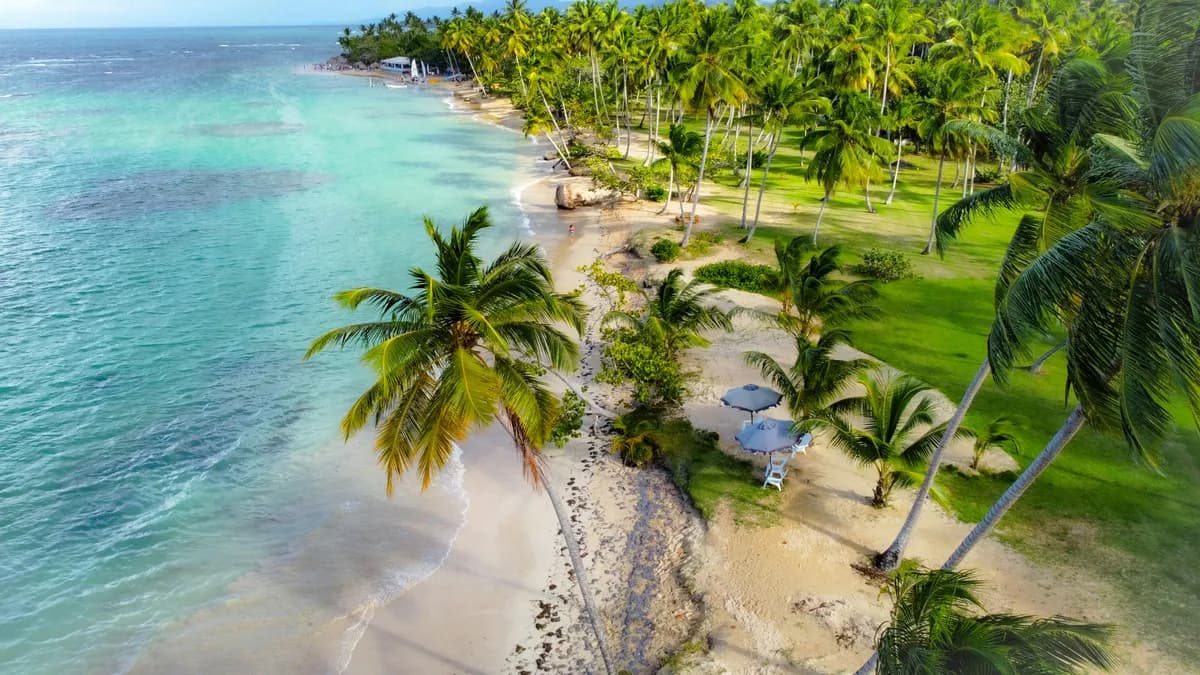
Tropical humid climate with more rainfall than the south. Lush vegetation, amber-colored waves on the Atlantic side. Slightly cooler due to trade winds.
Eastern Coast
Punta Cana, Bavaro, La Romana, Bayahibe
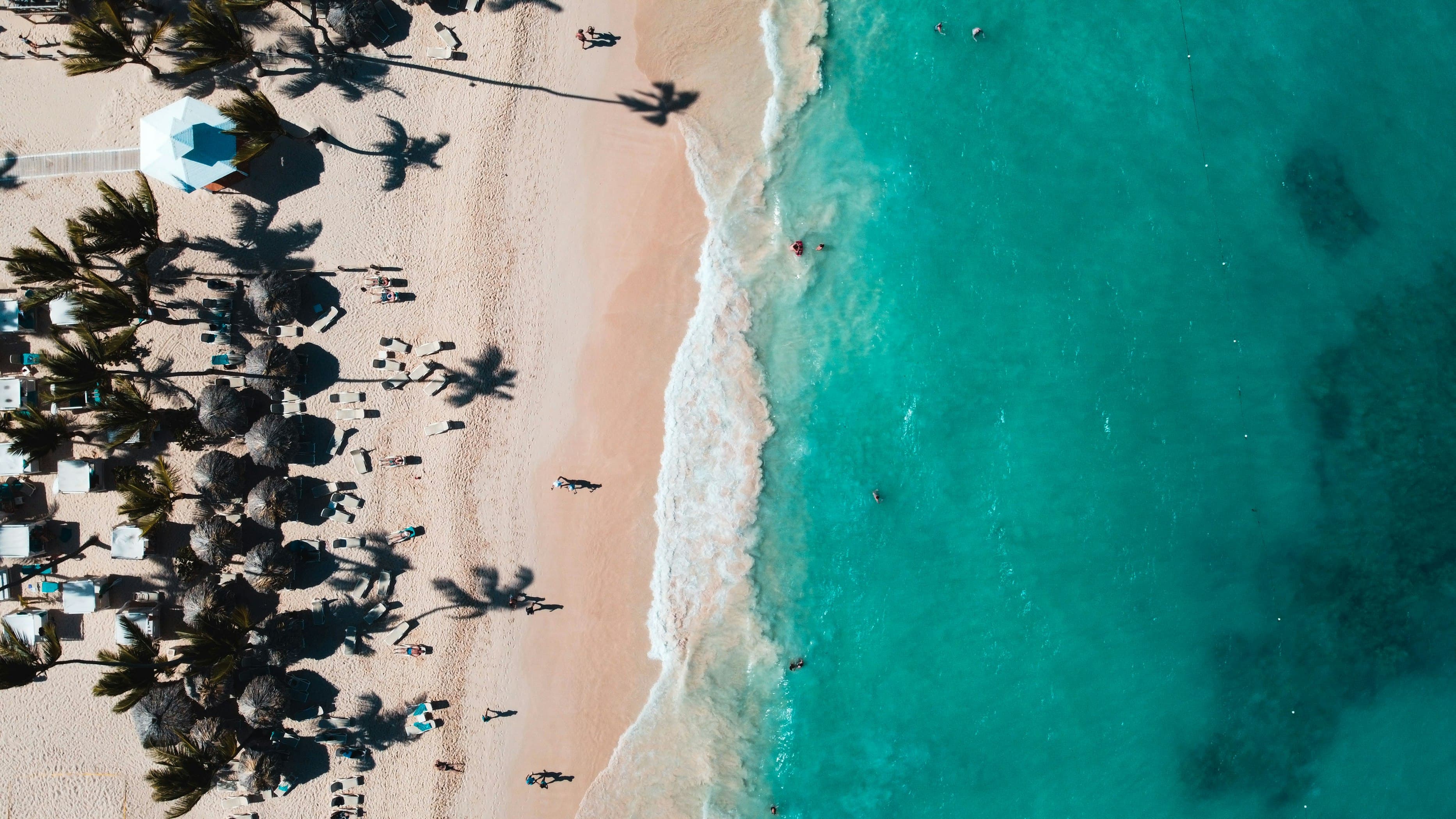
Tropical maritime climate with consistent temperatures and moderate rainfall. The Caribbean coastline is calmer and warmer with turquoise water.
Southern Coast
Santo Domingo, Boca Chica, Juan Dolio, Barahona
Tropical savanna climate with distinct dry and wet seasons. The driest region of the island, especially the southwest near Pedernales and Lago Enriquillo.
Central Highlands
Jarabacoa, Constanza, La Vega
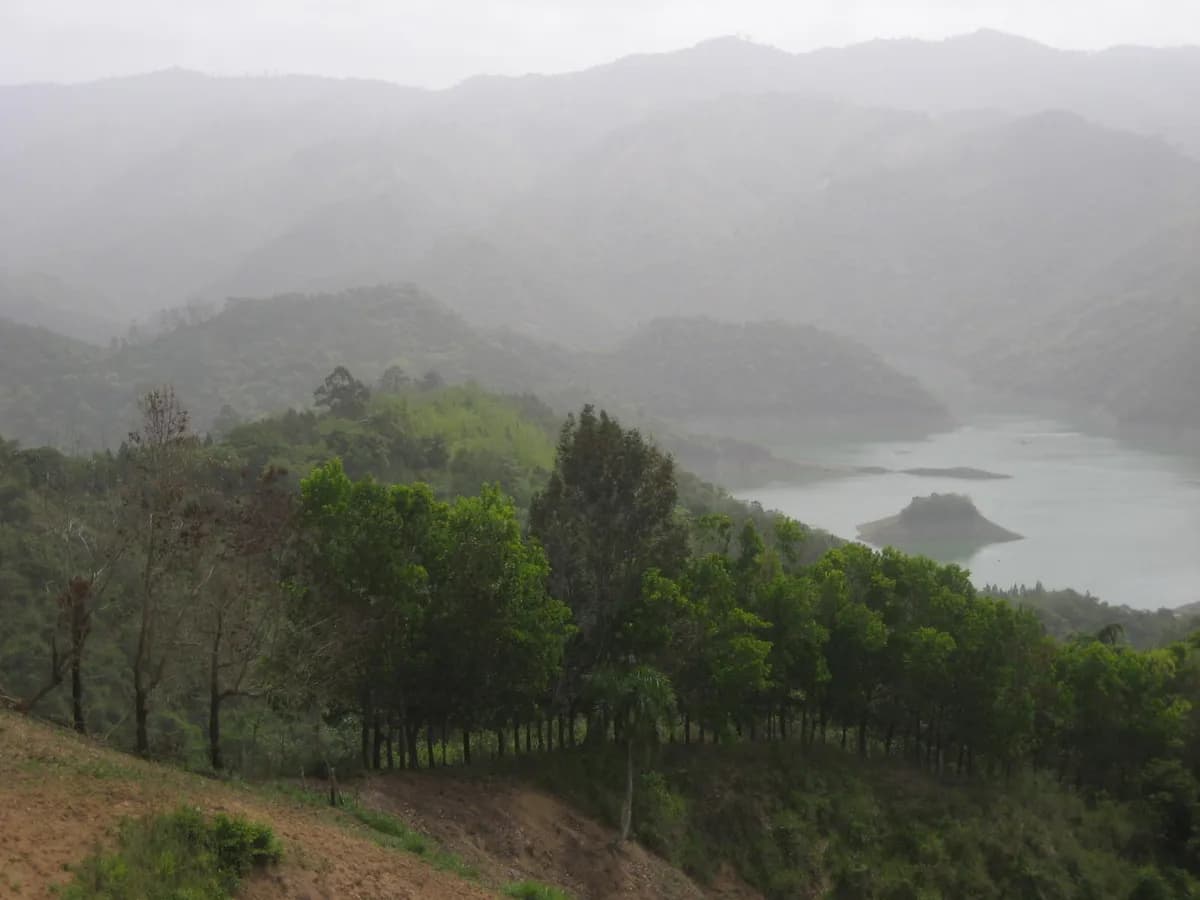
Subtropical mountain climate. Constanza can drop to near freezing in winter. Pine forests, strawberry farms, and the tallest peak in the Caribbean (Pico Duarte, 3,098m).
What to Pack
Essential items for your Dominican Republic trip
Clothing
- Lightweight cotton/linen clothing
- Swimwear (2-3 sets)
- Light sweater for evenings
- Comfortable walking shoes
- Sandals or flip-flops
Sun Protection
- Sunscreen SPF 50+ (reef-safe)
- UV-blocking sunglasses
- Wide-brim hat
- Rash guard for snorkeling
- Lip balm with SPF
Rain Gear
- Compact travel umbrella
- Lightweight rain jacket
- Waterproof phone pouch
- Dry bag for beach days
Health & Safety
- DEET insect repellent
- Basic first aid kit
- Rehydration salts
- Prescription medications
- Hand sanitizer
Beach Essentials
- Snorkel mask
- Water shoes for rocky shores
- Beach towel (microfiber)
- Waterproof camera or case
- Cooler bag for drinks
Electronics
- US-type adapter (Type A/B)
- Portable power bank
- Waterproof phone case
- Universal travel adapter
Weather Safety Tips
Stay safe and comfortable throughout your trip
Hurricane Season
- •Hurricane season runs June 1 to November 30, with peak risk in August and September.
- •Book refundable reservations and purchase travel insurance that covers weather disruptions.
- •Monitor the National Hurricane Center (NHC) forecasts before and during your trip.
- •Hotels and resorts have well-practiced evacuation protocols; follow staff instructions.
Sun Safety
- •UV index frequently reaches 10-11+ (extreme). Reapply sunscreen every 2 hours.
- •Seek shade between 11am and 3pm when UV radiation peaks.
- •Wear protective clothing and a wide-brim hat, especially on boat tours.
- •Sunburn can occur in as little as 15 minutes, even on overcast days.
Hydration
- •Drink at least 2-3 liters of water daily; the tropical heat causes rapid dehydration.
- •Carry a refillable bottle; most resorts provide purified water stations.
- •Avoid tap water for drinking; stick to bottled or filtered water.
- •Coconut water (agua de coco) is available everywhere and naturally replenishes electrolytes.
Ocean Safety
- •Check with locals or lifeguards about currents before swimming at unfamiliar beaches.
- •The Atlantic (north) coast has stronger currents than the Caribbean (south/east) coast.
- •Sargassum seaweed is seasonal (peak May-August) and varies by beach and year.
- •Wear water shoes at rocky or reef-lined beaches to protect from sea urchins.
Good to know
Frequently Asked Questions About DR Weather
Weather by Destination
Explore detailed weather conditions for each location
Azua
Southwest
Baní
South
Barahona
Southwest
Bavaro
East
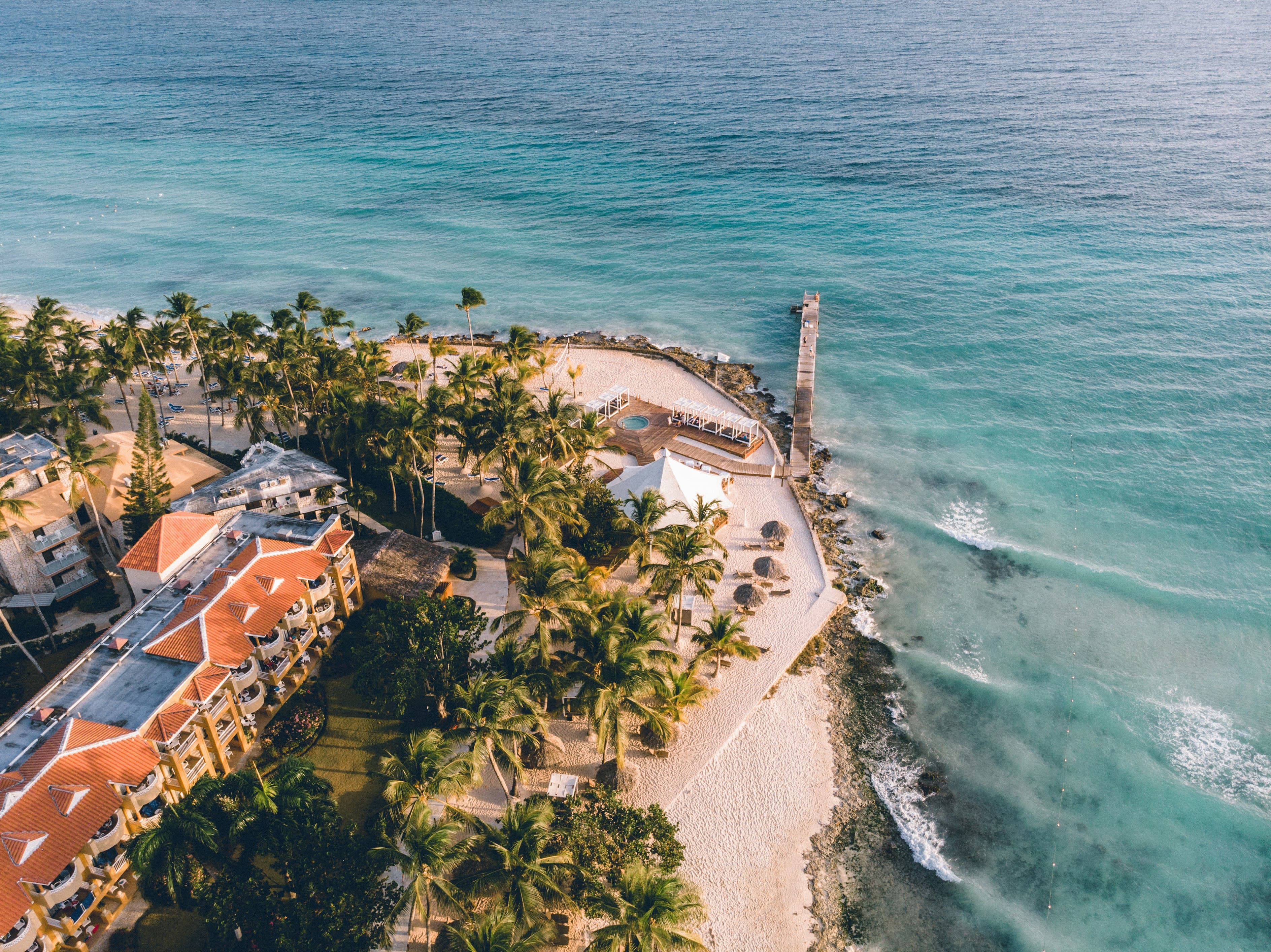
Bayahibe
Southeast
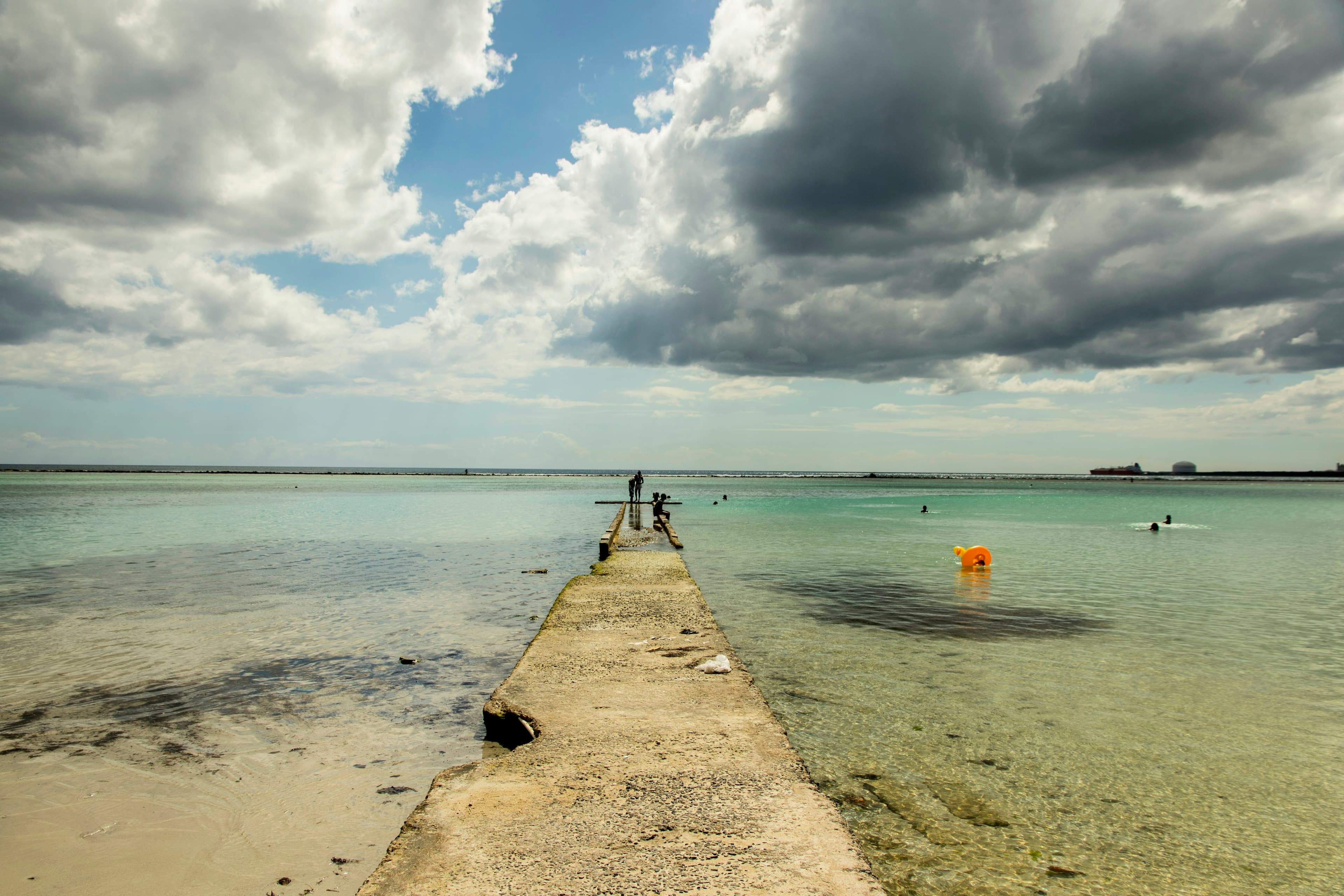
Boca Chica
Southeast
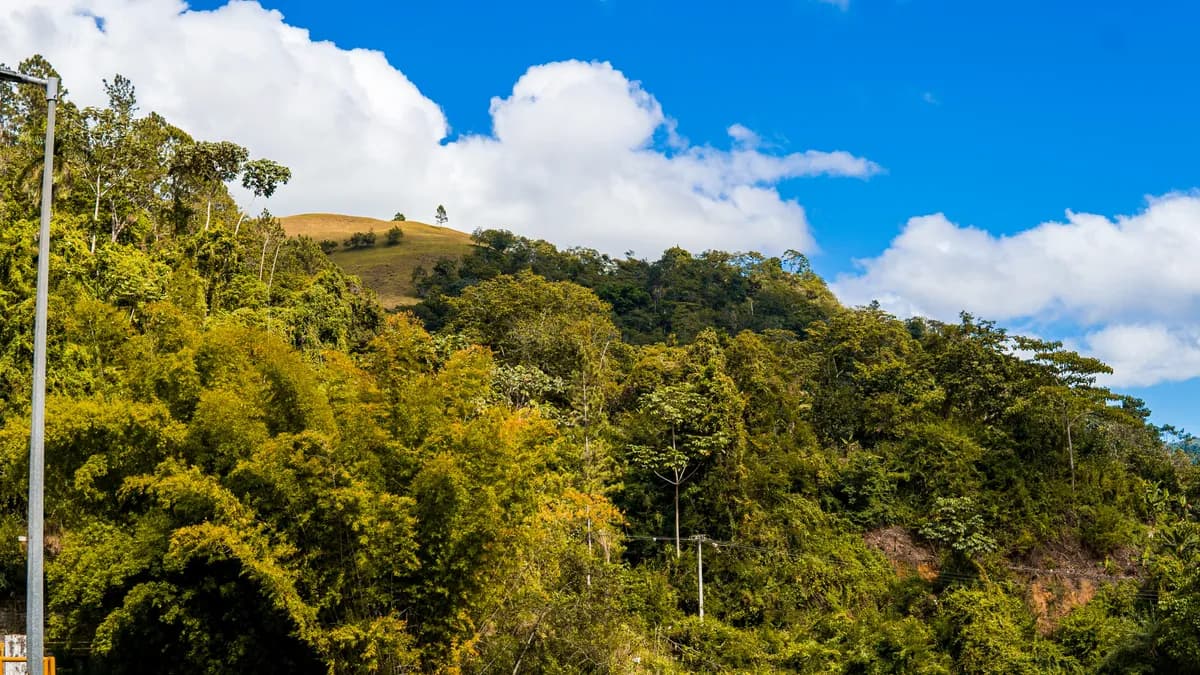
Bonao
Central Highlands
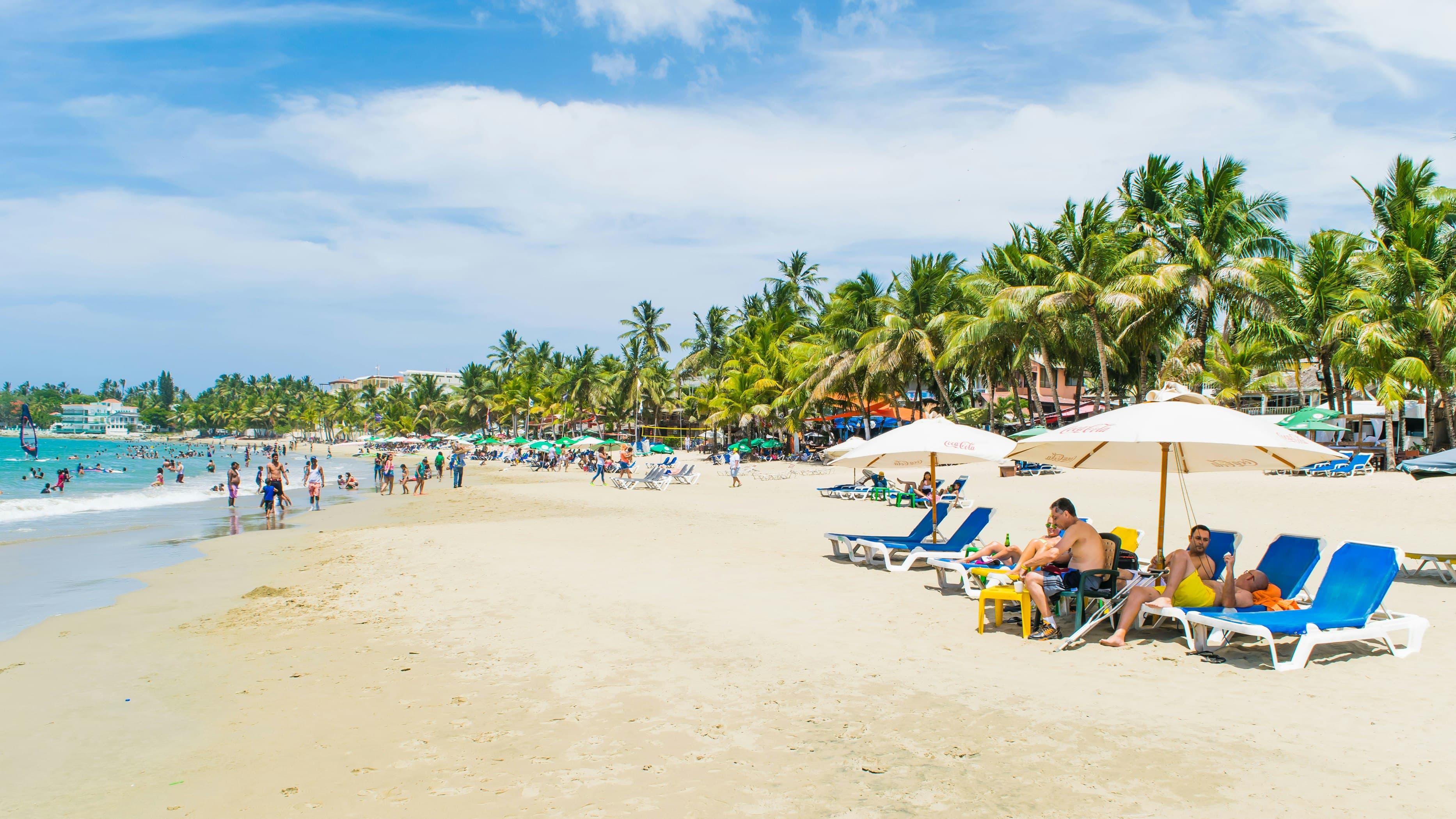
Cabarete
North Coast
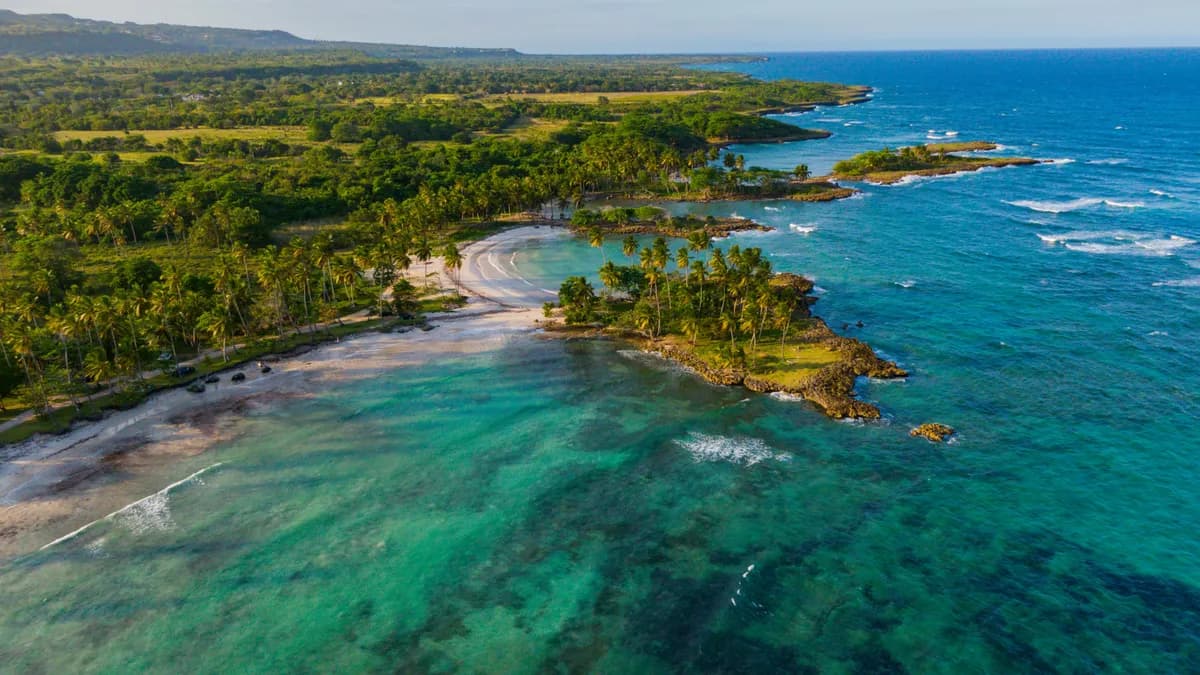
Cabrera
North Coast
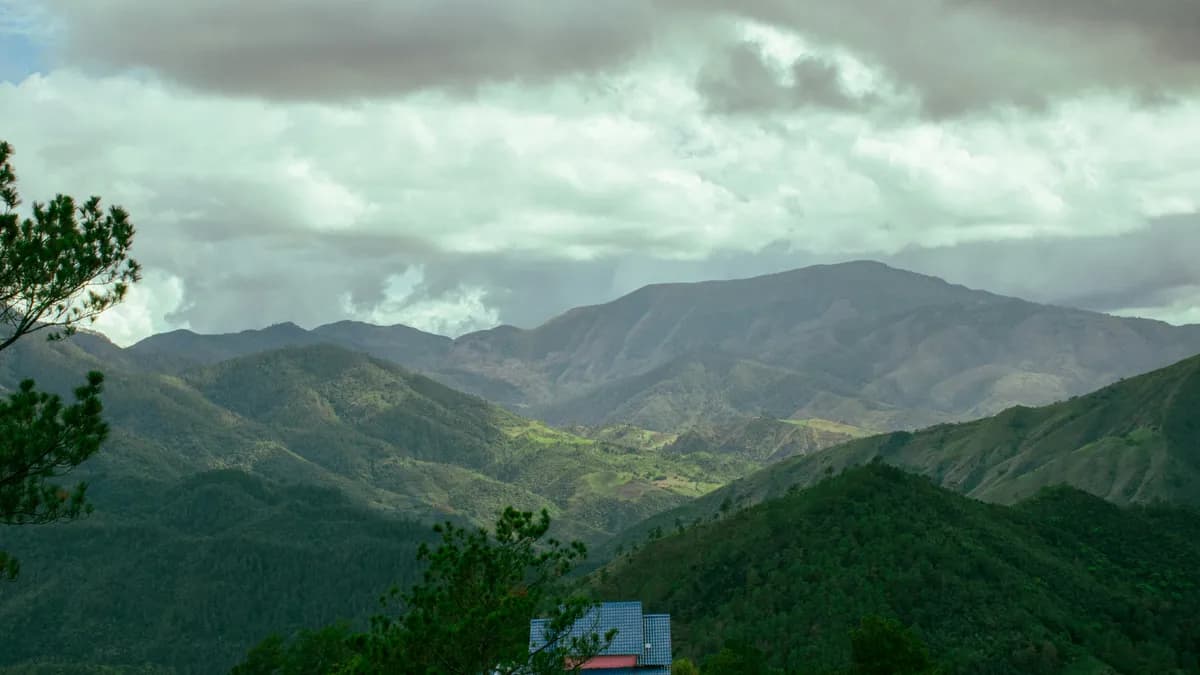
Constanza
Central Highlands
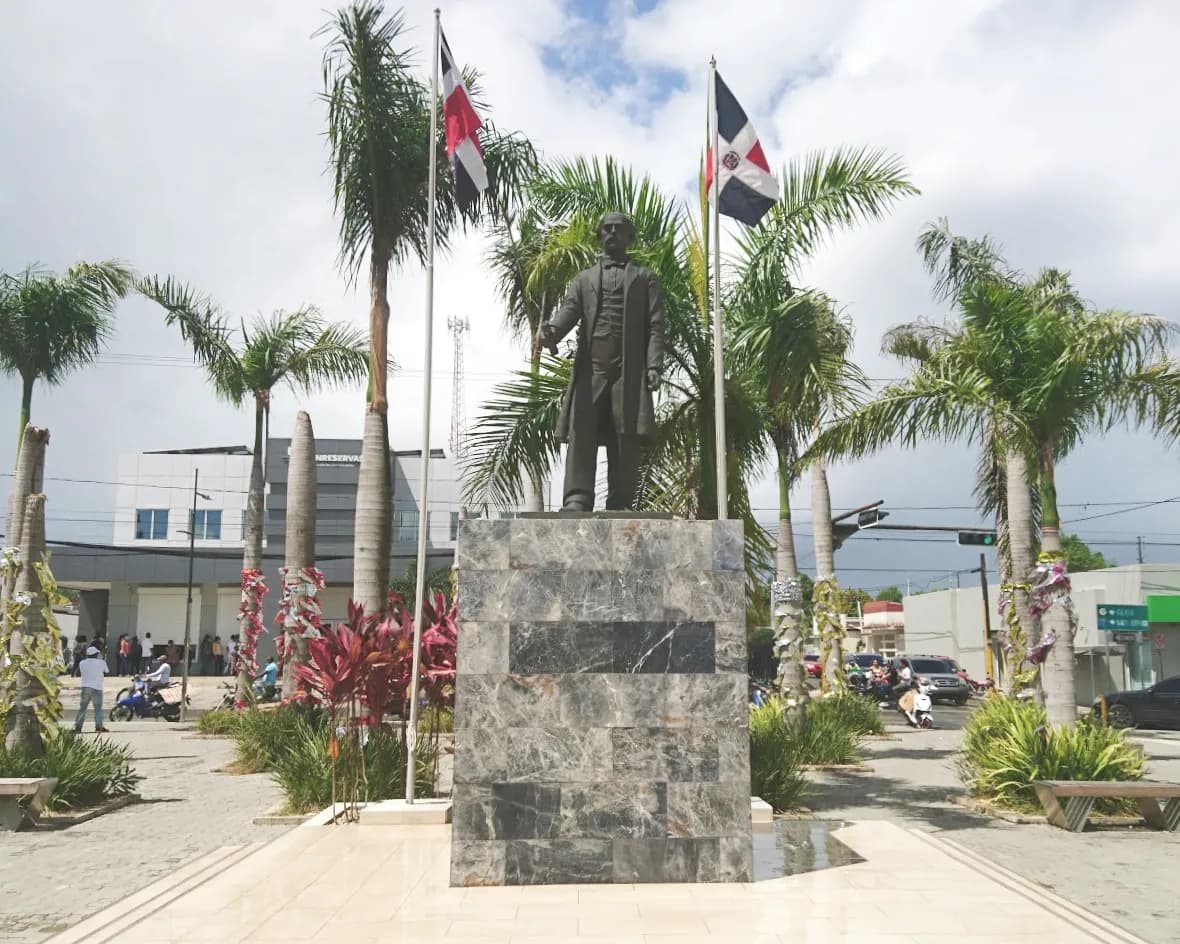
Cotuí
Cibao Valley
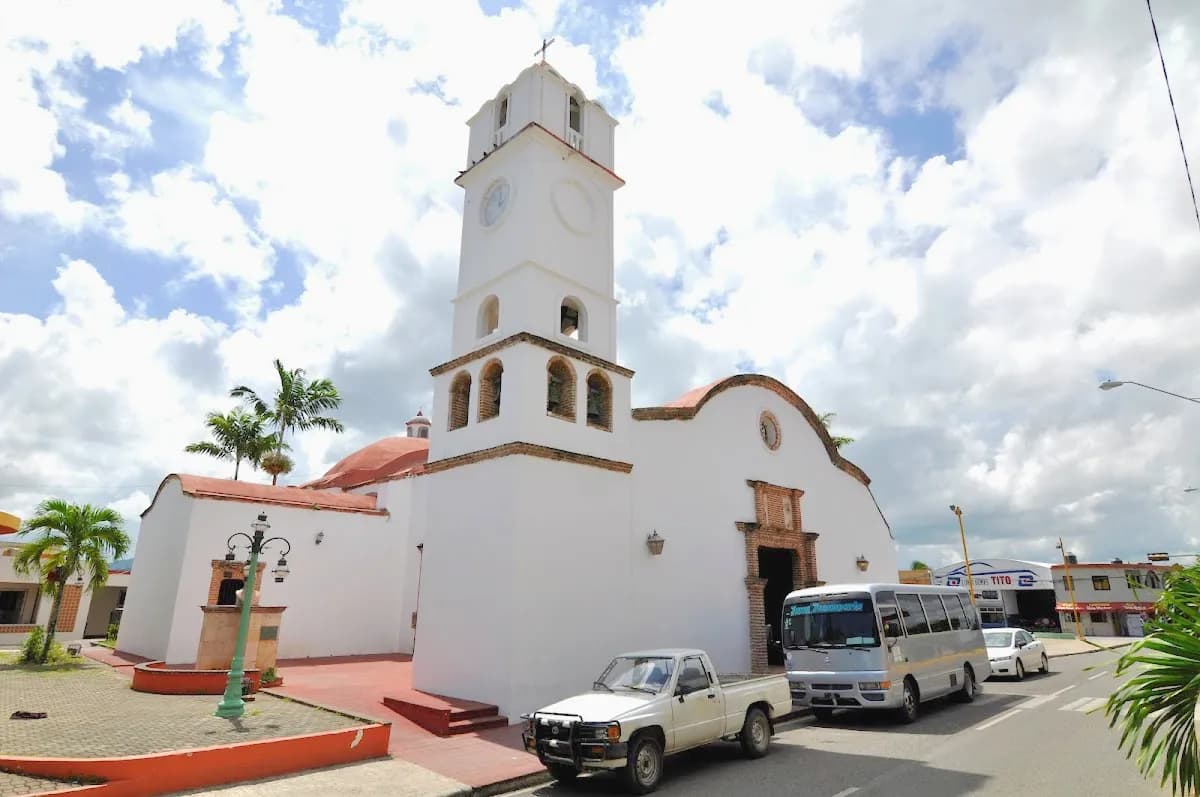
El Seibo
East
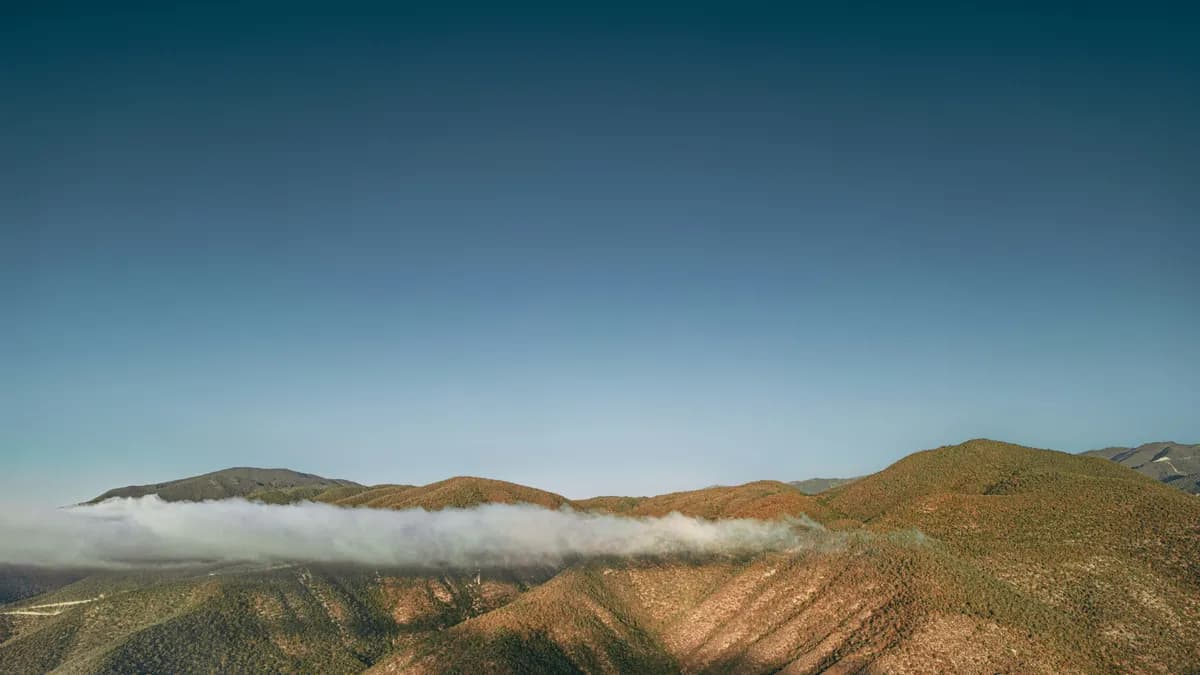
Enriquillo
Southwest
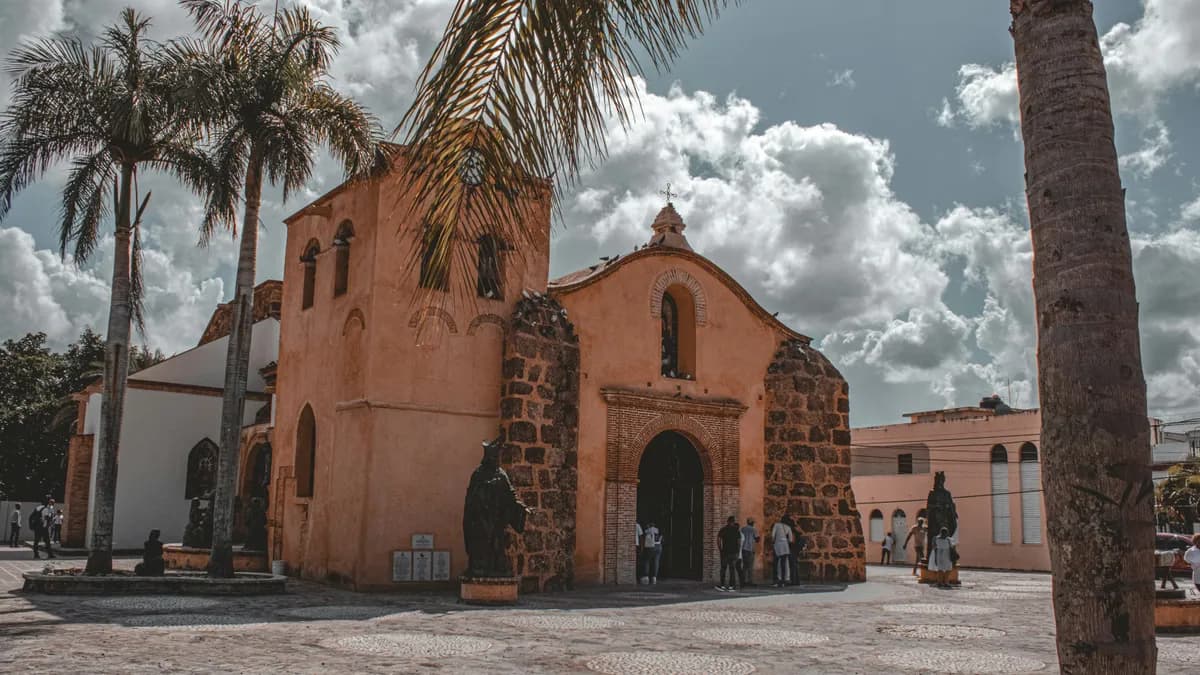
Higüey
East
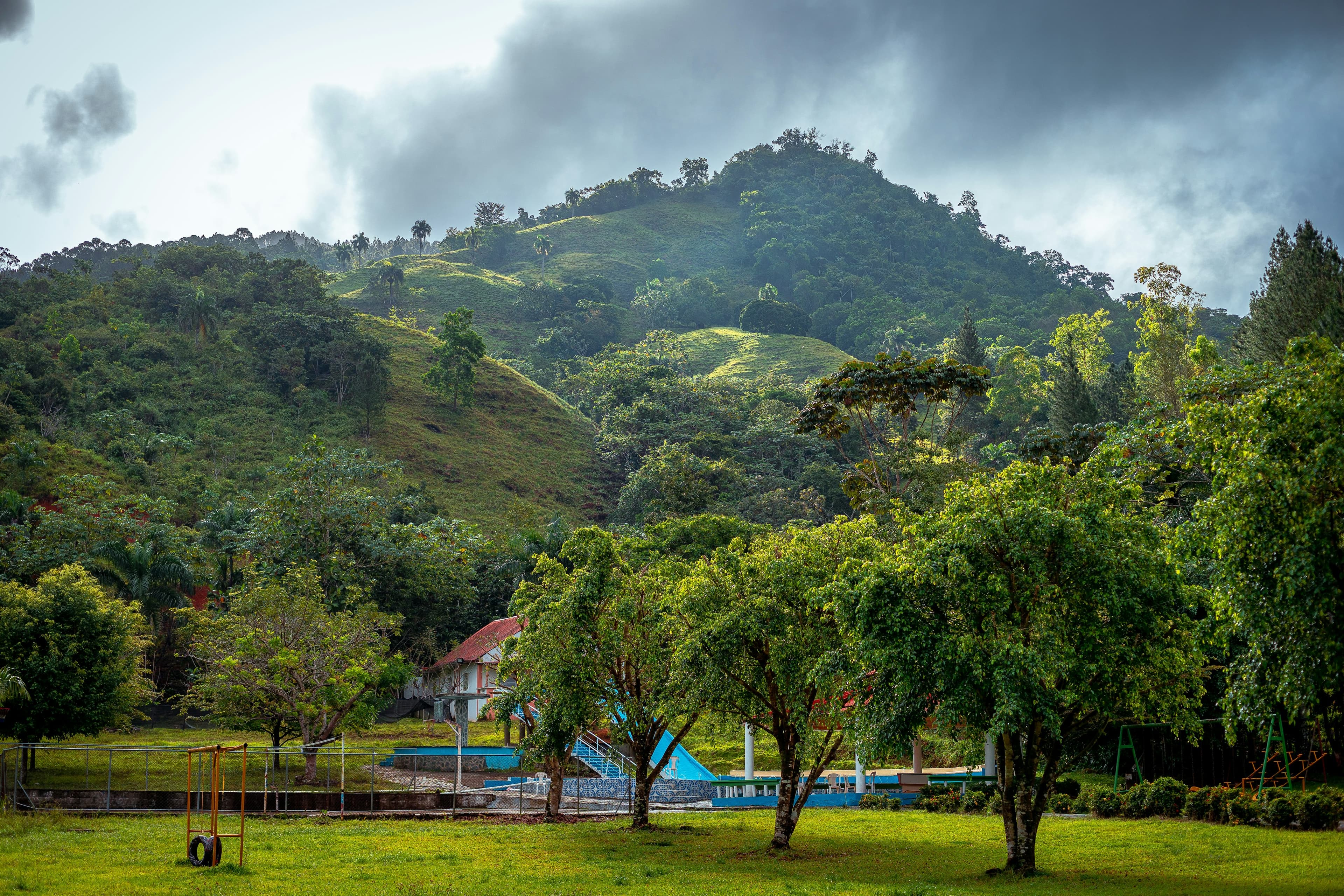
Jarabacoa
Central Highlands

Jimaní
Southwest
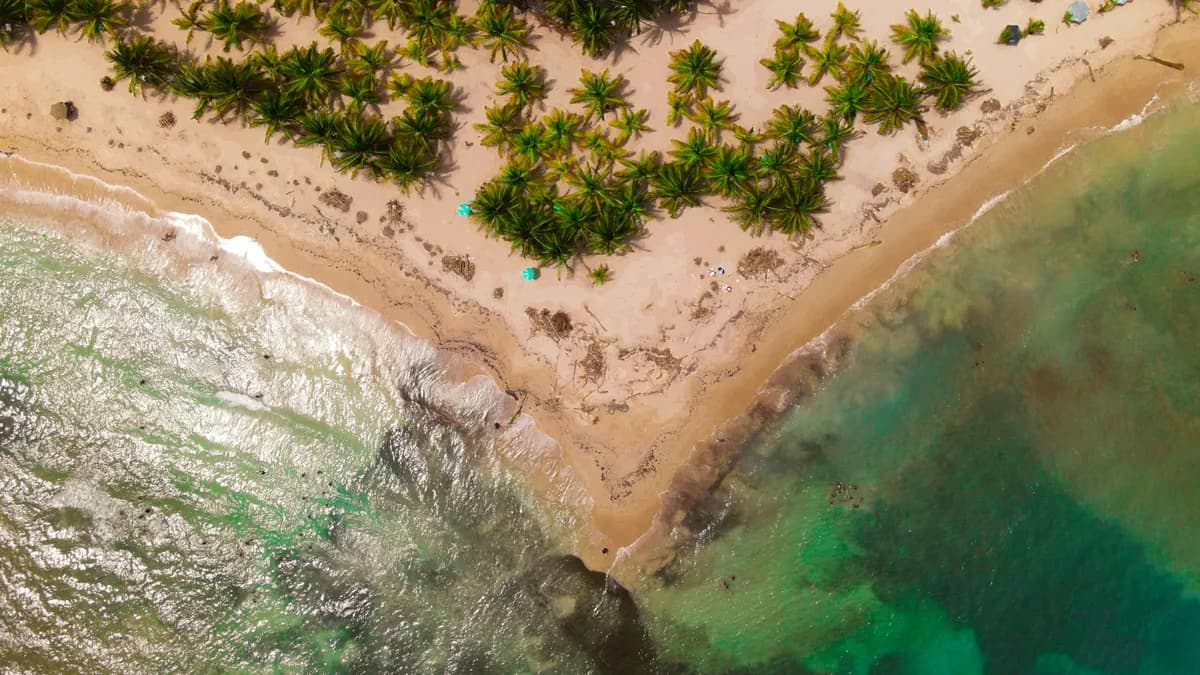
Juan Dolio
Southeast
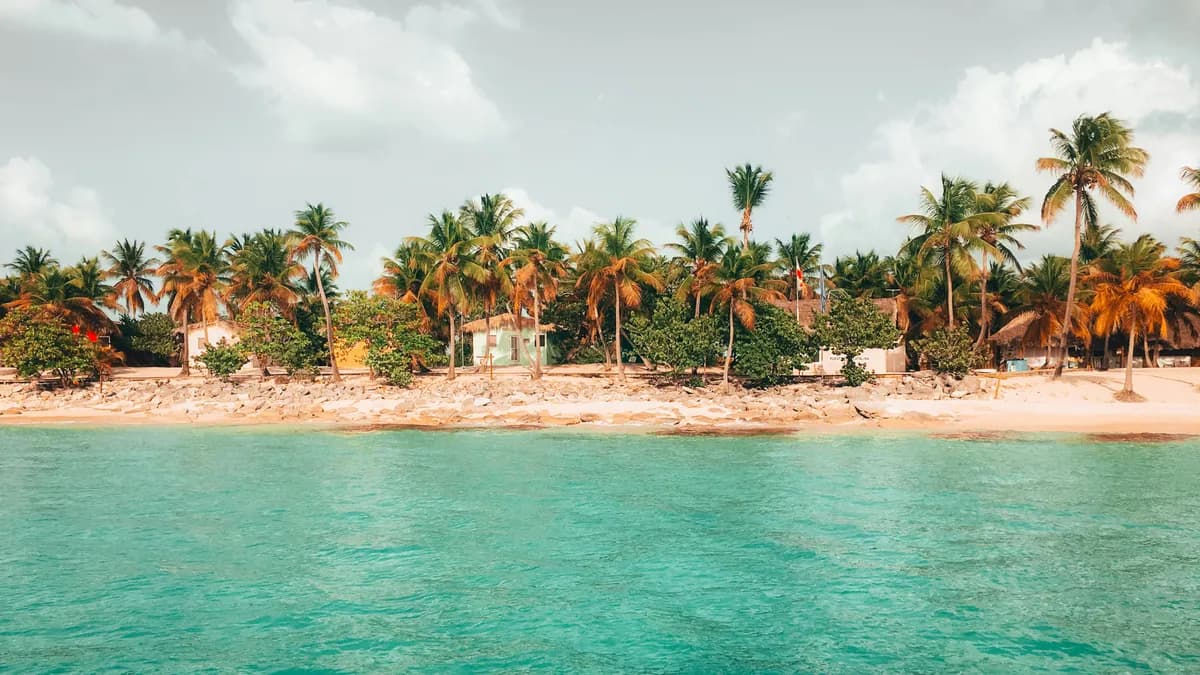
La Romana
Southeast
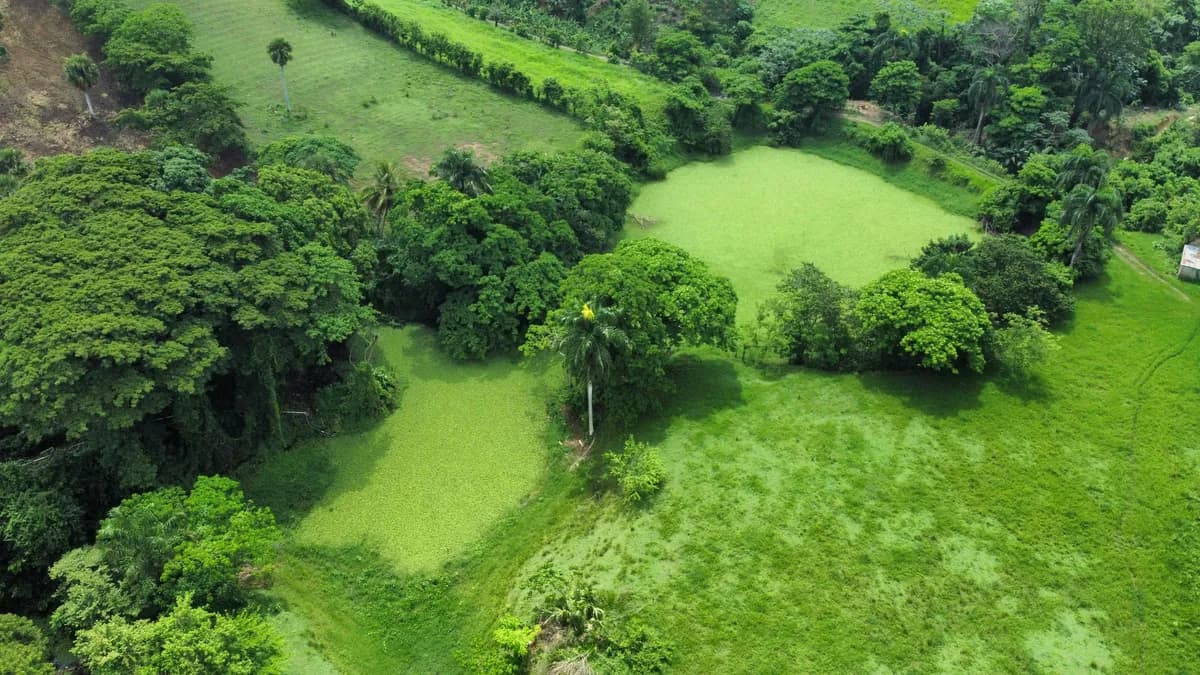
La Vega
Central Highlands
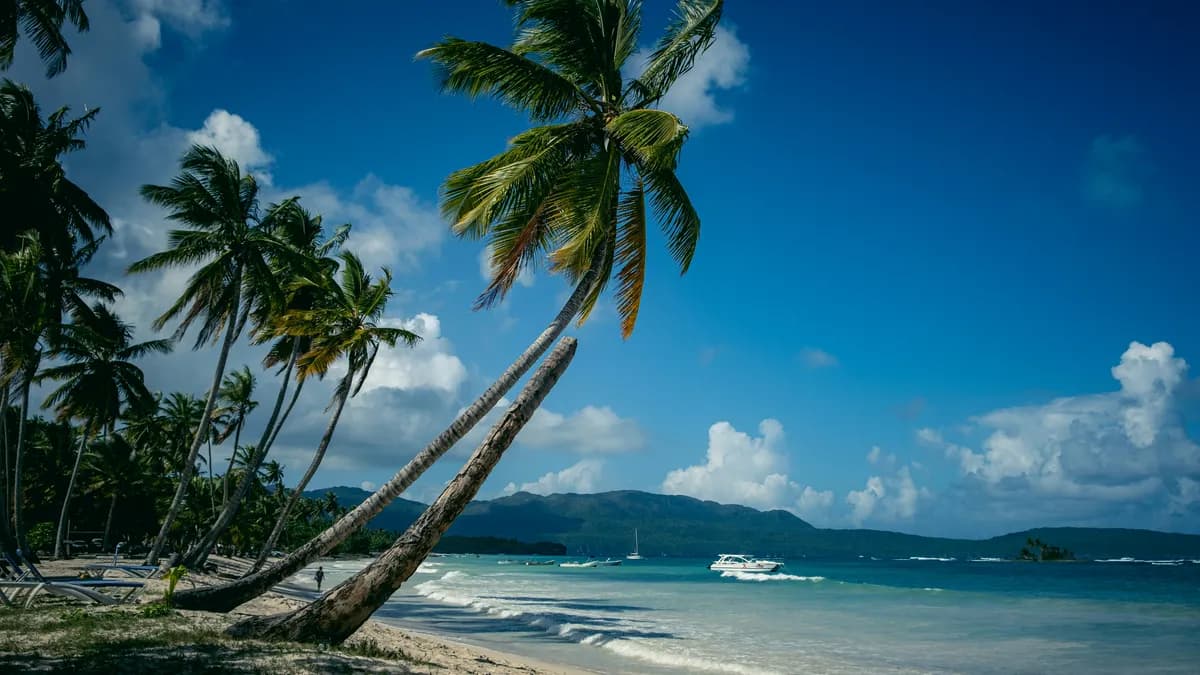
Las Galeras
Samaná Peninsula

Las Terrenas
Samaná Peninsula
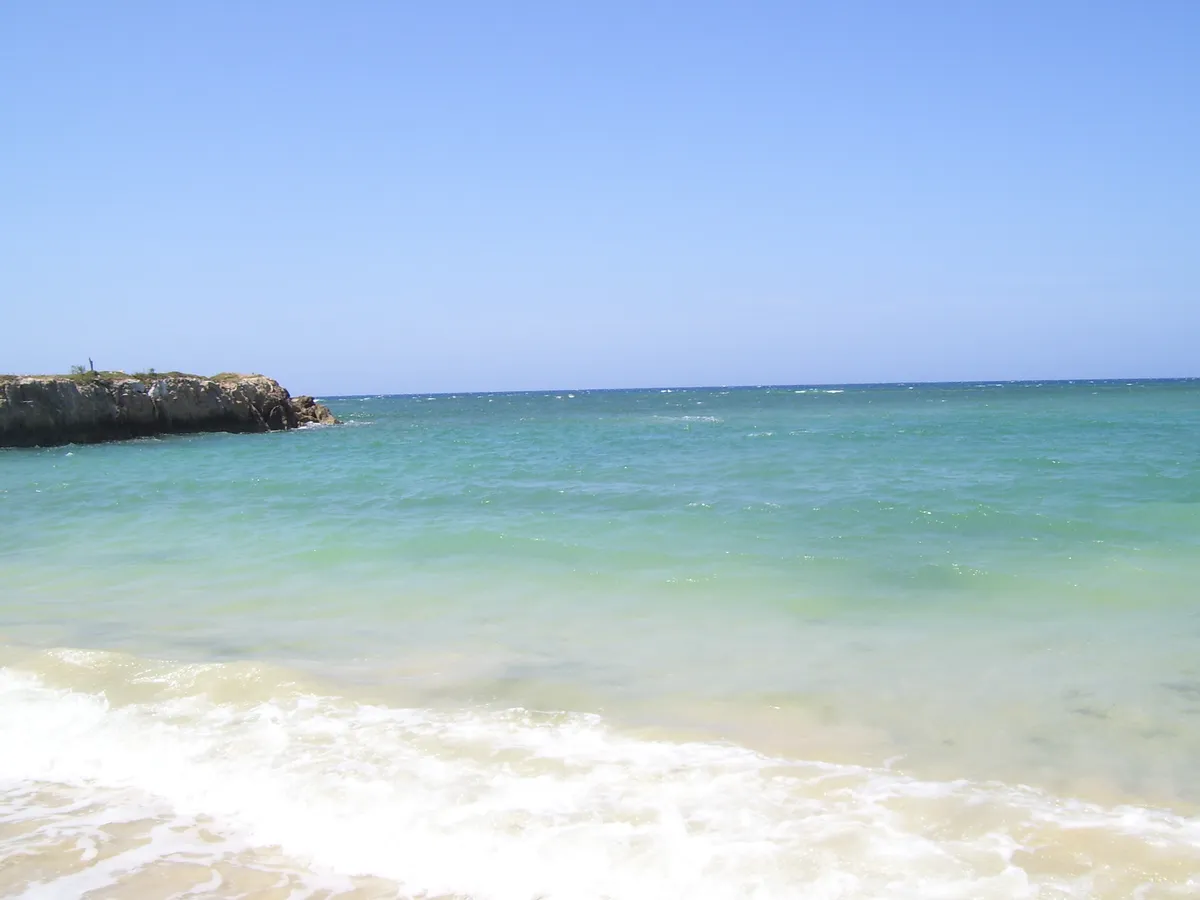
Luperón
North Coast
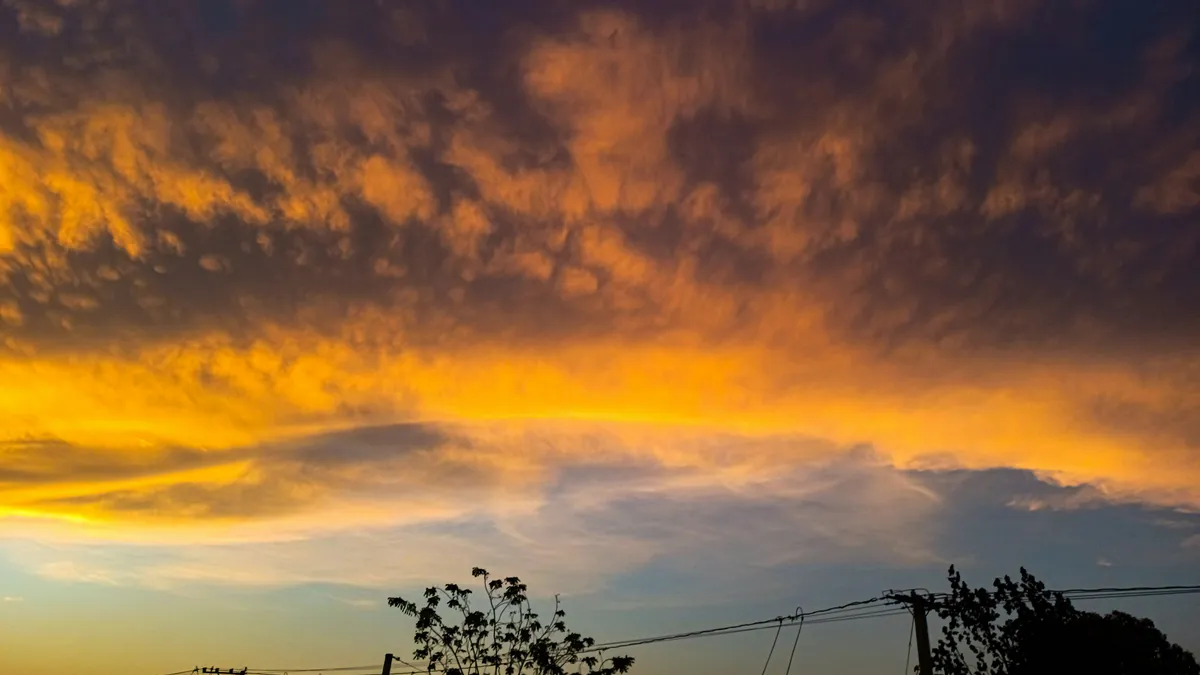
María Trinidad Sánchez
Samaná Peninsula
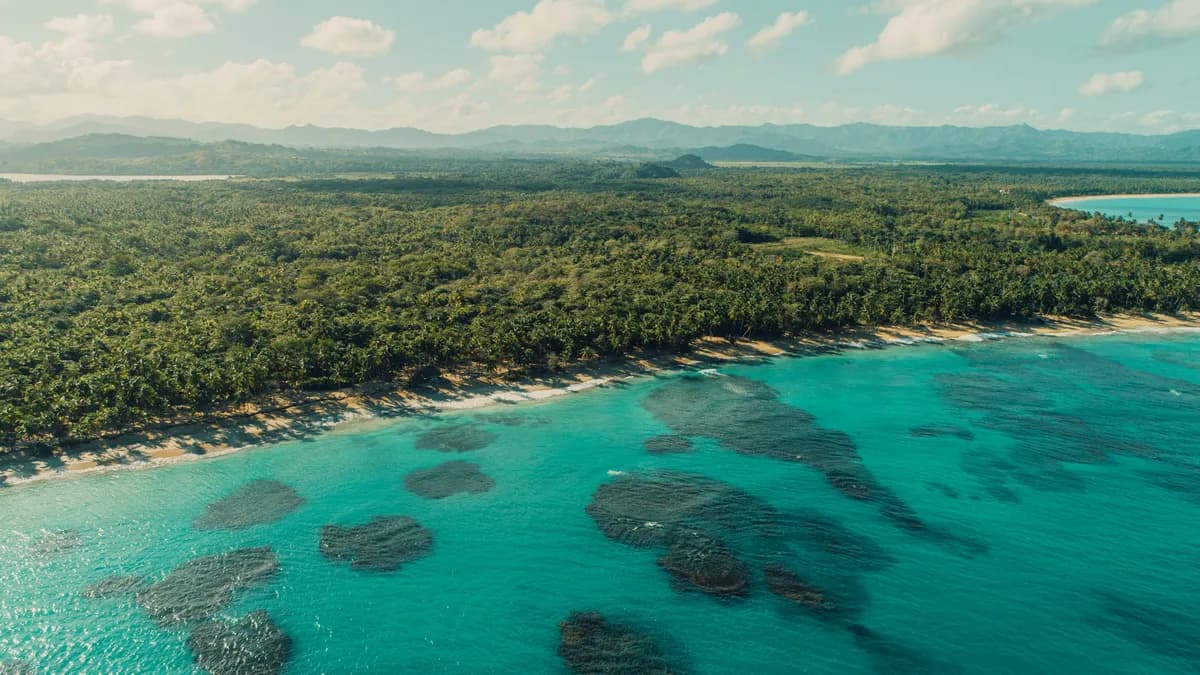
Miches
East
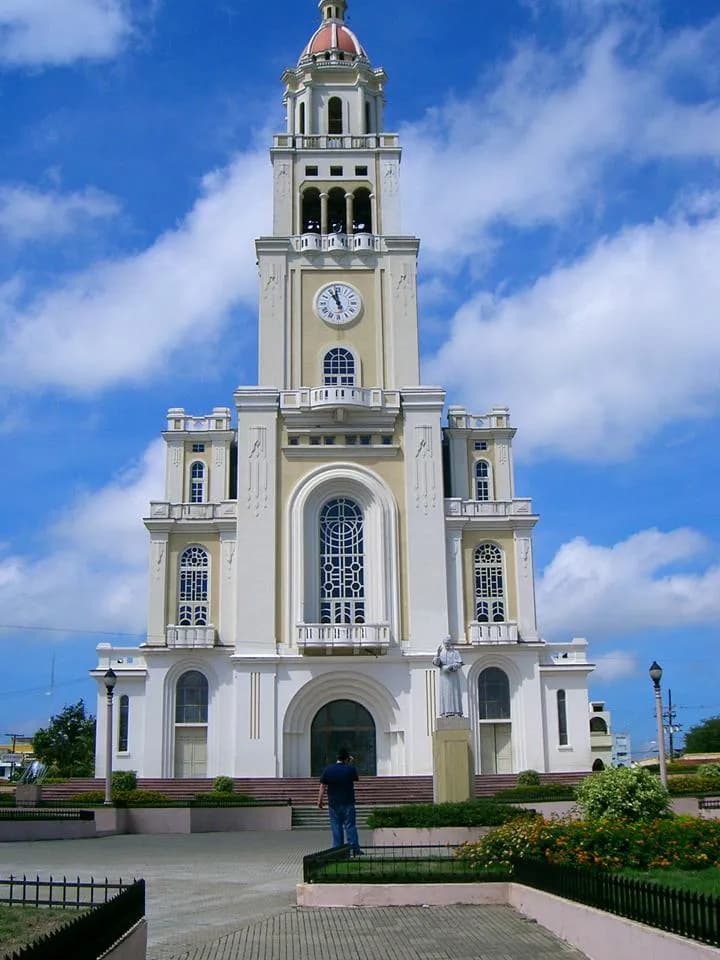
Moca
Cibao Valley
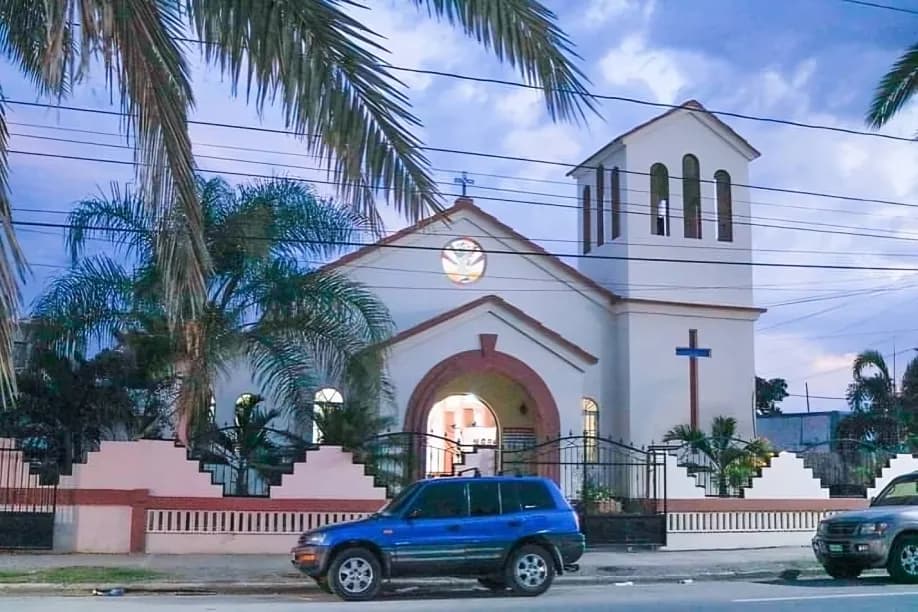
Montecristi
North Coast
Nagua
North Coast
Neyba
Southwest
Oviedo
Southwest
Pedernales
Southwest
Puerto Plata
North Coast
Punta Cana
East
Río San Juan
North Coast
Sabana de la Mar
East

Salcedo
Cibao Valley
Samaná
Samaná Peninsula
San Cristóbal
South
San Francisco de Macorís
Cibao Valley
San José de Ocoa
Central Highlands
San Pedro de Macorís
Southeast
Santiago De Los Caballeros
Cibao Valley
Santo Domingo
South
Sosúa
North Coast