Constanza
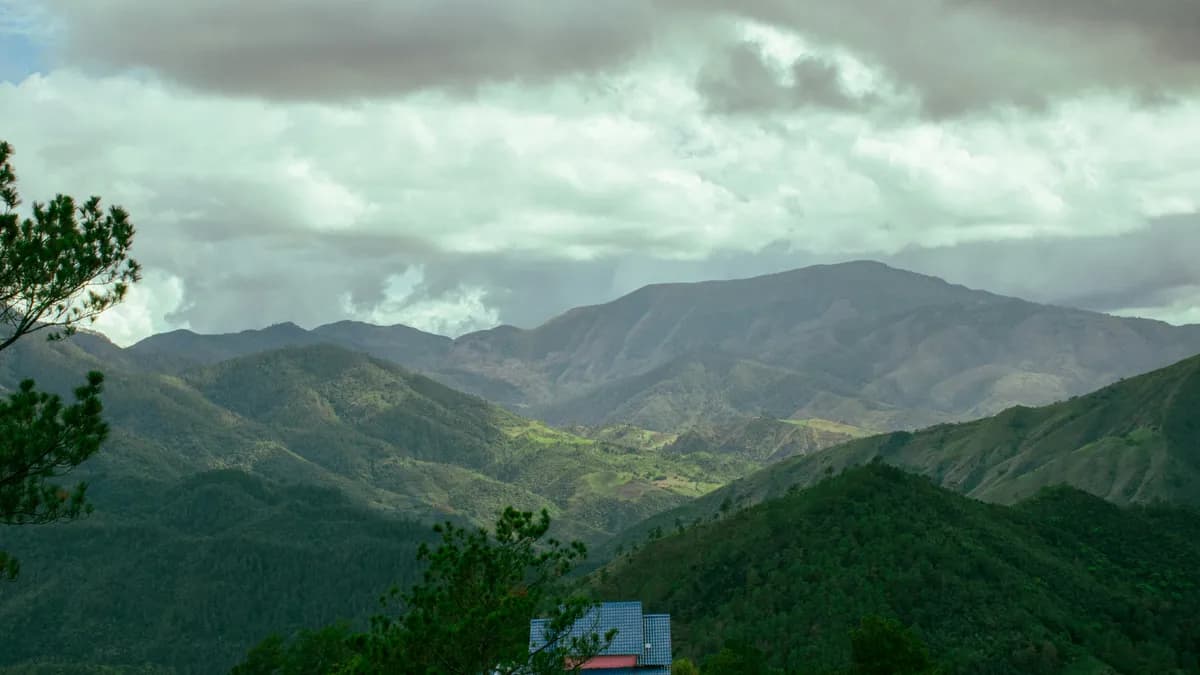
Constanza is the Dominican Republic's highest and coolest town, a farming valley in the Cordillera Central where strawberries, flowers, and vegetables replace the coast's palm trees, and pine-forested peaks replace the beach.
Constanza
Constanza is the Dominican Republic's highest and coolest town, a farming valley in the Cordillera Central where strawberries, flowers, and vegetables replace the coast's palm trees, and pine-forested peaks replace the beach.
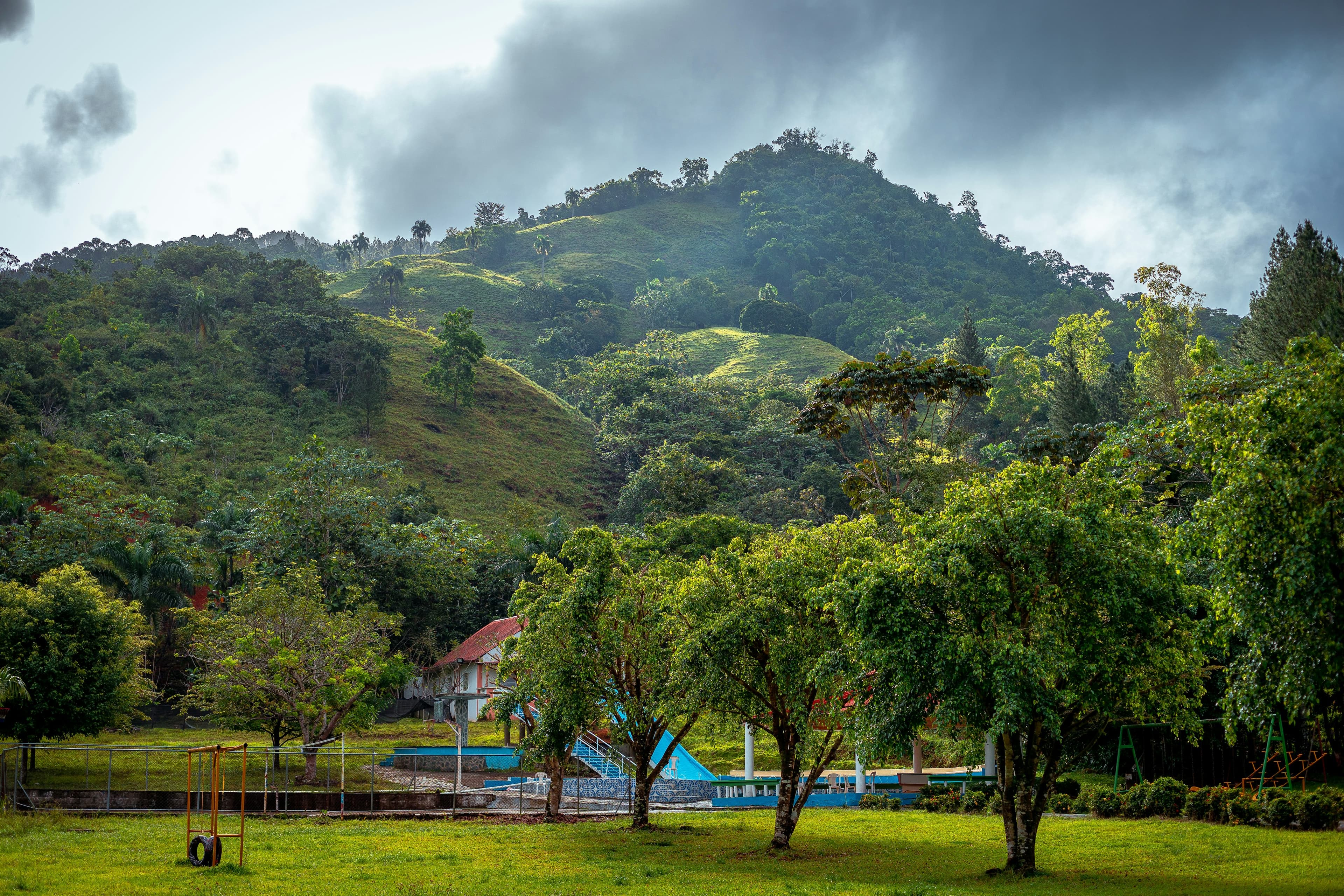
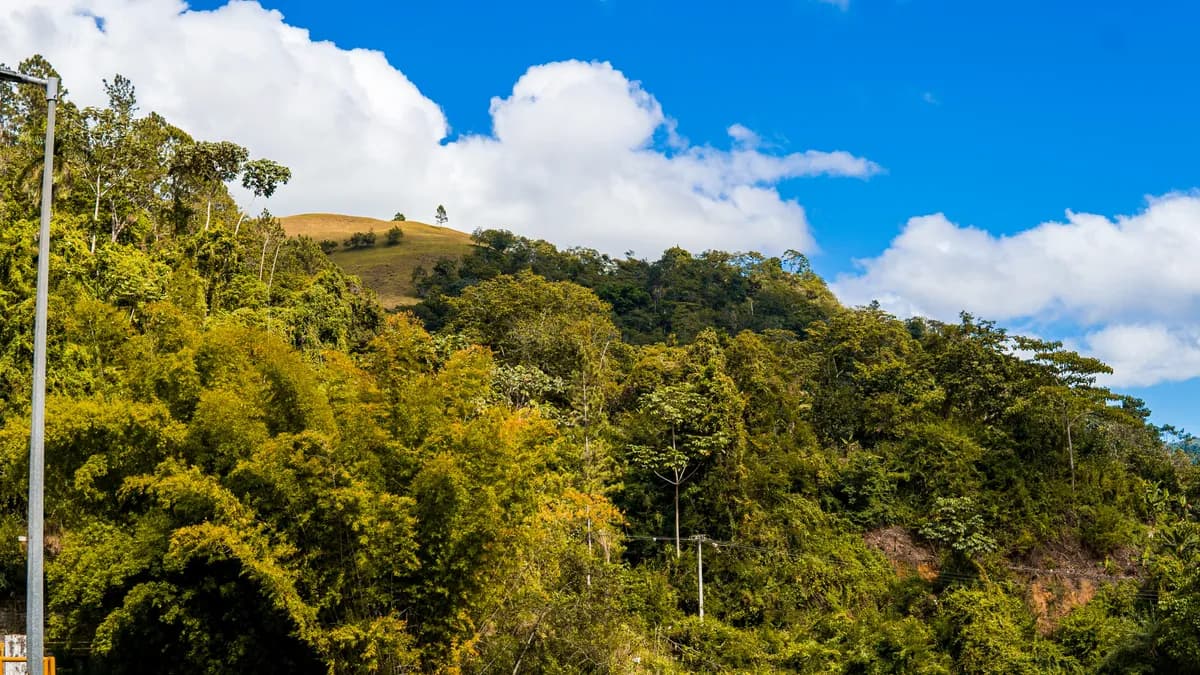
Constanza sits at roughly 1,200 meters above sea level in a valley of the Cordillera Central, in La Vega province, the highest and coldest town in the Dominican Republic. Guidebooks call it the "Switzerland of the Caribbean," and the nickname holds up: pine ridges, mornings cool enough for a jacket, farmland that looks more like the Andes than the Antilles. It suits travelers wanting a break from beach heat, and anyone curious about the country's agricultural side.
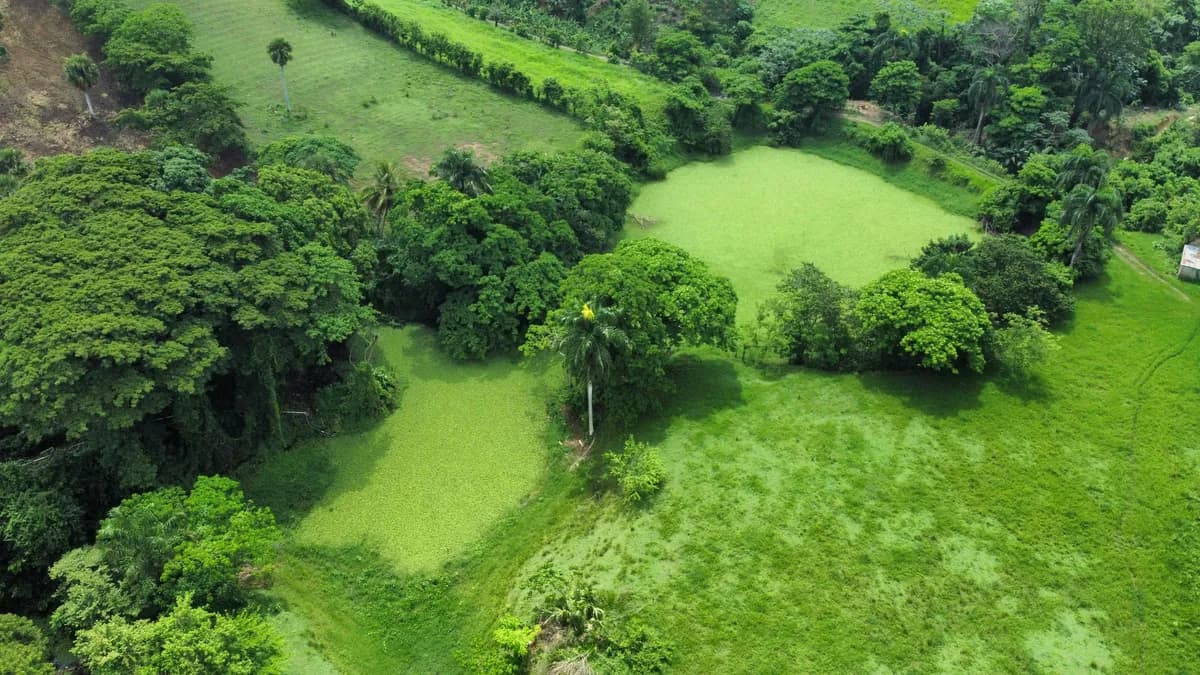
The climate is the whole story. Constanza grows most of the strawberries sold in the Dominican Republic, along with garlic, carrots, beets, and celery that turn up on menus nationwide. Farms along the roads out of town sell fruit straight from the field and let visitors pick their own, especially during the December to March harvest. Flower farms cover entire hillsides for the same reason: altitude keeps temperatures low enough for crops that cannot handle the coast.
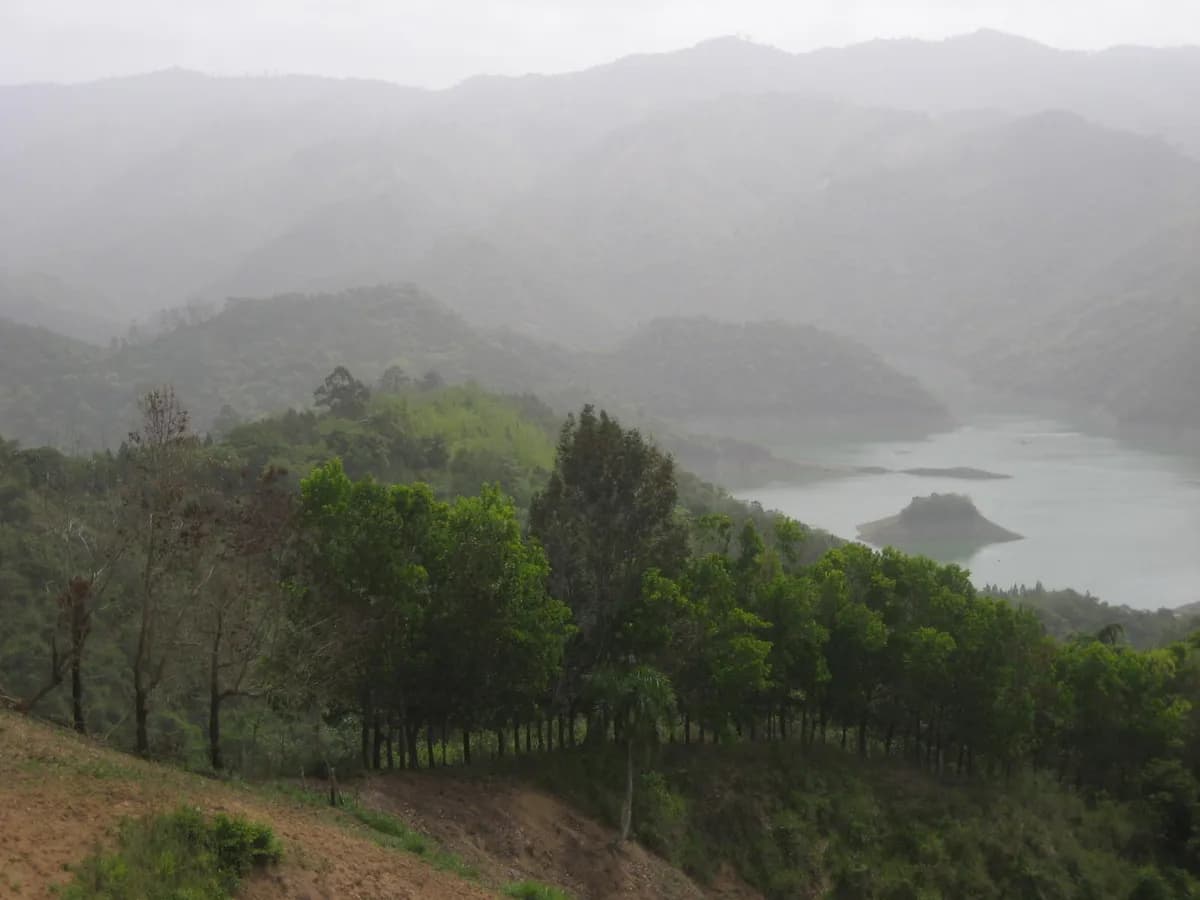
Parque Nacional Valle Nuevo, just south of town, protects a high plateau of Hispaniolan pine forest and some of the island's tallest peaks, including Alto de la Bandera at 2,842 meters. A cold pocket called La Nevera regularly drops below freezing on winter mornings, a rarity in the Caribbean. The park's main draw is Salto de Aguas Blancas, an 83-meter waterfall among the tallest in the Antilles, dropping in three tiers into a cold pool. A rebuilt access road, inaugurated in September 2025, cut the drive from the highway turnoff from about 30 minutes to 10, opening the falls to travelers who once needed a 4x4. Closer to town, Reserva Cientifica Ebano Verde protects roughly 29 square kilometers of cloud forest, laced with trails through stands of the endangered green ebony tree.
Getting there means climbing. The main route runs from Santo Domingo up the Autopista Duarte to Bonao, then onto a mountain road, around 135 kilometers and about 3.5 hours by car. Jarabacoa, the country's other highland base, is roughly an hour away and pairs naturally with Constanza on a mountain leg of a longer trip. November through April brings the driest weather and best hiking; nights run cold year-round, so pack layers regardless of season.
Constanza works best as a two- or three-day detour from the coast, not a full itinerary on its own. There are no beaches here, only rivers and waterfalls, so pair it with other destinations and treat the highlands as a change of pace, not a coastal substitute.
Constanza is the Dominican Republic's mountain surprise — a fertile valley at 1,200 meters elevation where nights are cool enough for warm layers and strawberries grow in neat rows alongside the road. It's the agricultural heartland of the country, producing most of the vegetables, flowers, and temperate fruits consumed on the island.
If you think the DR is only beaches and resorts, Constanza will change your mind. Pine forests, mountain streams, waterfalls, and the highest peak in the Caribbean (Pico Duarte, 3,087m) are all accessible from here.
The valley was settled by Japanese immigrants in the 1950s, and their agricultural influence is still visible today. The mix of Dominican, Japanese, and Hungarian immigrant heritage gives Constanza a unique cultural identity found nowhere else on the island.
Weather by month
Warm all year. Each bar's height is that month's average daily high, so the chart rises toward the warm summer; teal marks the drier months with the most reliable beach weather. Temperatures show in °F by default; switch to °C with the toggle.
Best time to visit: Jan, Feb, Mar, Apr, Jul, Nov, Dec. These months bring the most sun and the fewest rainy days; May, Jun, Aug, Sep, Oct are the wettest.
Sample itineraries
Practical information
Photo gallery
Facts on this page were last checked against their sources on . How we check
Constanza questions
Can I climb Pico Duarte from Constanza?
+
Yes, a route via Valle del Tetero starts near Constanza. One local operator lists a four-day, four-night roundtrip with guides and mules. Book at least a week in advance through local operators or the national parks office. The climb is not technically difficult but requires good fitness.
How cold does it get in Constanza?
+
Constanza regularly drops to 5-10°C (40-50°F) at night, and occasionally near freezing during December-February. This is genuinely cold by Caribbean standards. Bring a warm jacket, long pants, and layers — you'll need them.
Do I need a 4WD vehicle?
+
A 4WD is recommended, especially for reaching waterfalls, Valle Nuevo, and during the rainy season (May-November). The main road to Constanza town is paved and passable by sedan, but attractions beyond town require higher clearance.
What's the strawberry season?
+
December through March is peak strawberry season. Farms along the main road sell fresh berries and allow visitors to pick their own. The Constanza valley produces almost all of the DR's strawberries.
Is there good food in Constanza?
+
Yes — try chivo liniero (free-range goat stew), a specialty of the northwest. Fresh vegetables are exceptional here since Constanza grows most of the DR's produce. The Saturday market is a food lover's paradise.
Keep exploring
Nearby Destinations
Explore more places near Constanza