Bonao
Bonao is a mountain city in the Dominican Republic's Central Highlands, known for the Saltos de Jima waterfalls, the museum of painter Cándido Bidó, and the Falcondo ferronickel operation. A practical detour on the Santo Domingo to Santiago highway.
Bonao
Bonao is a mountain city in the Dominican Republic's Central Highlands, known for the Saltos de Jima waterfalls, the museum of painter Cándido Bidó, and the Falcondo ferronickel operation. A practical detour on the Santo Domingo to Santiago highway.
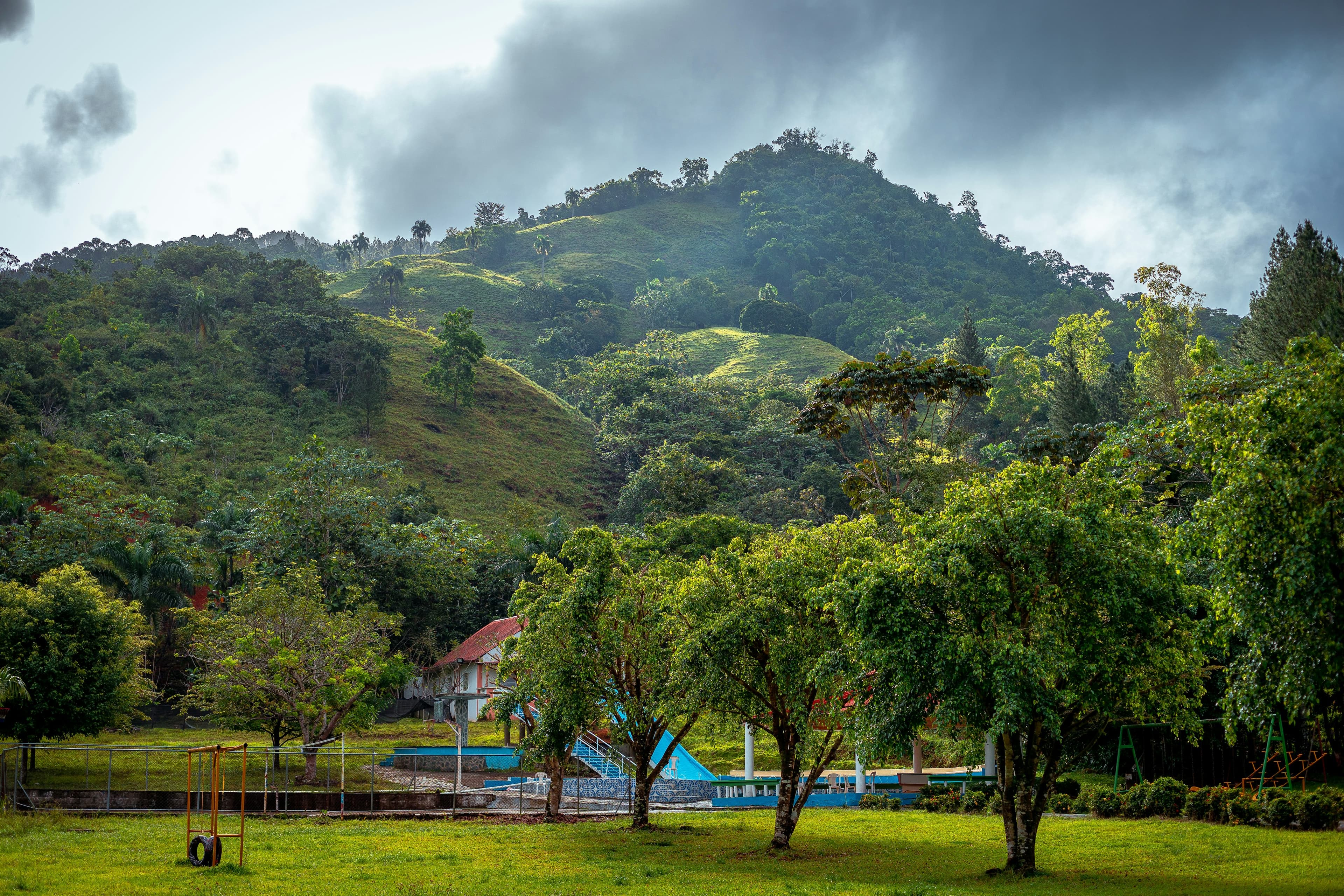
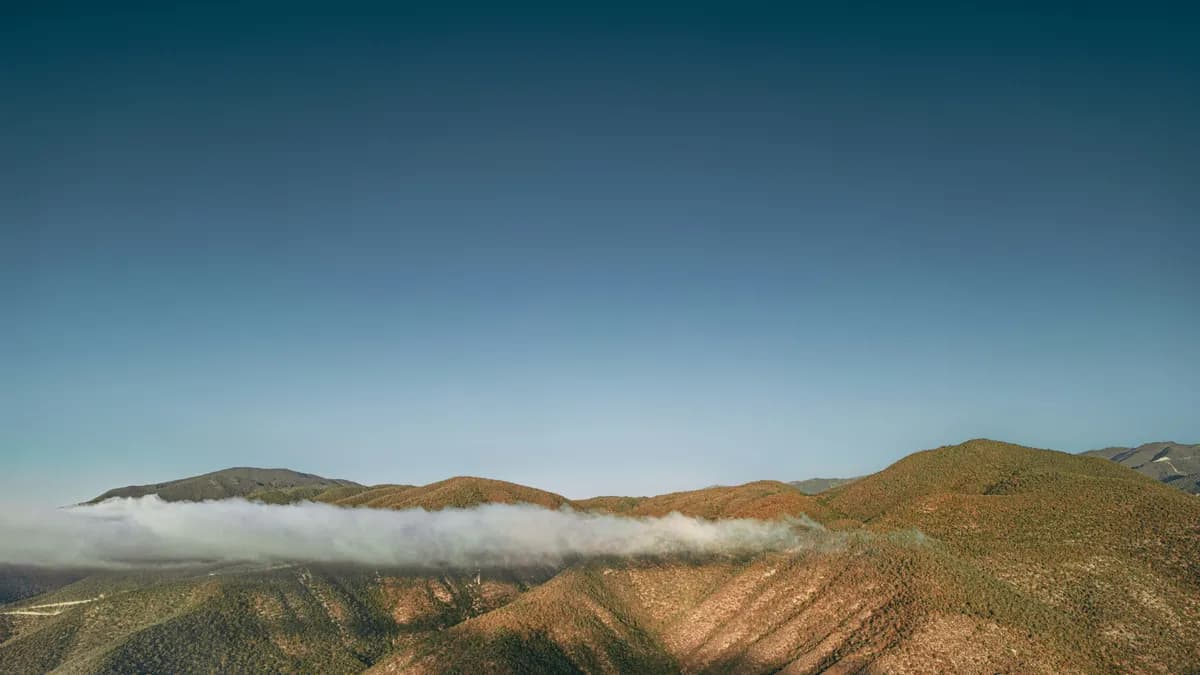
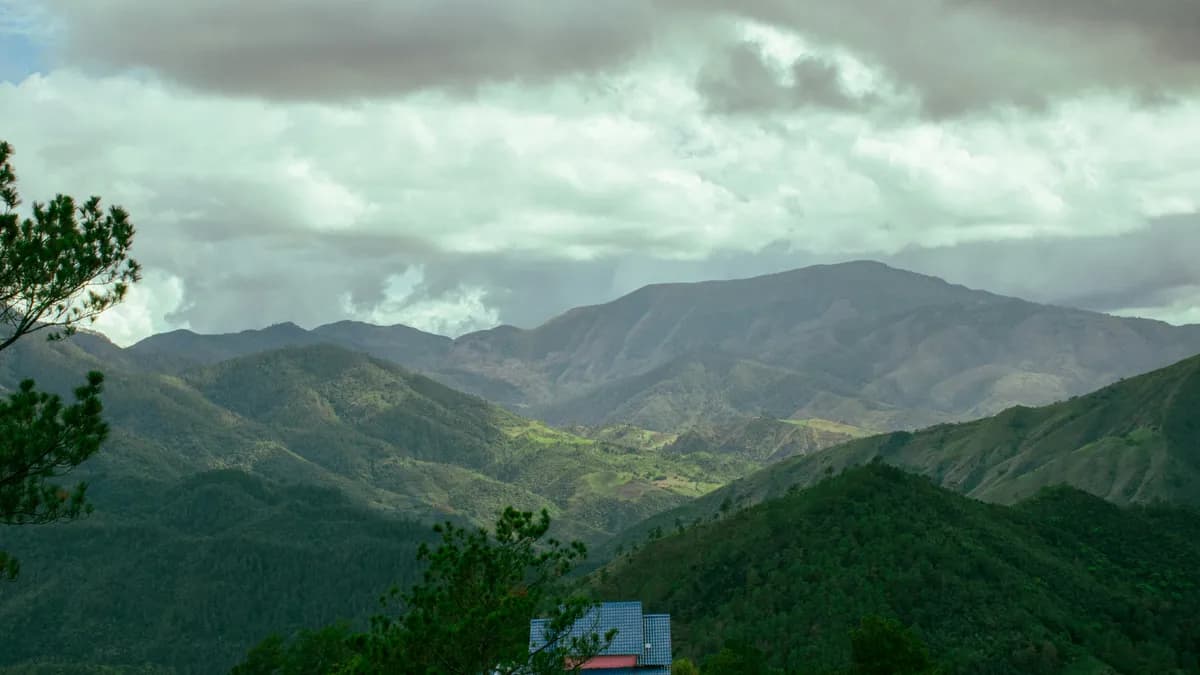
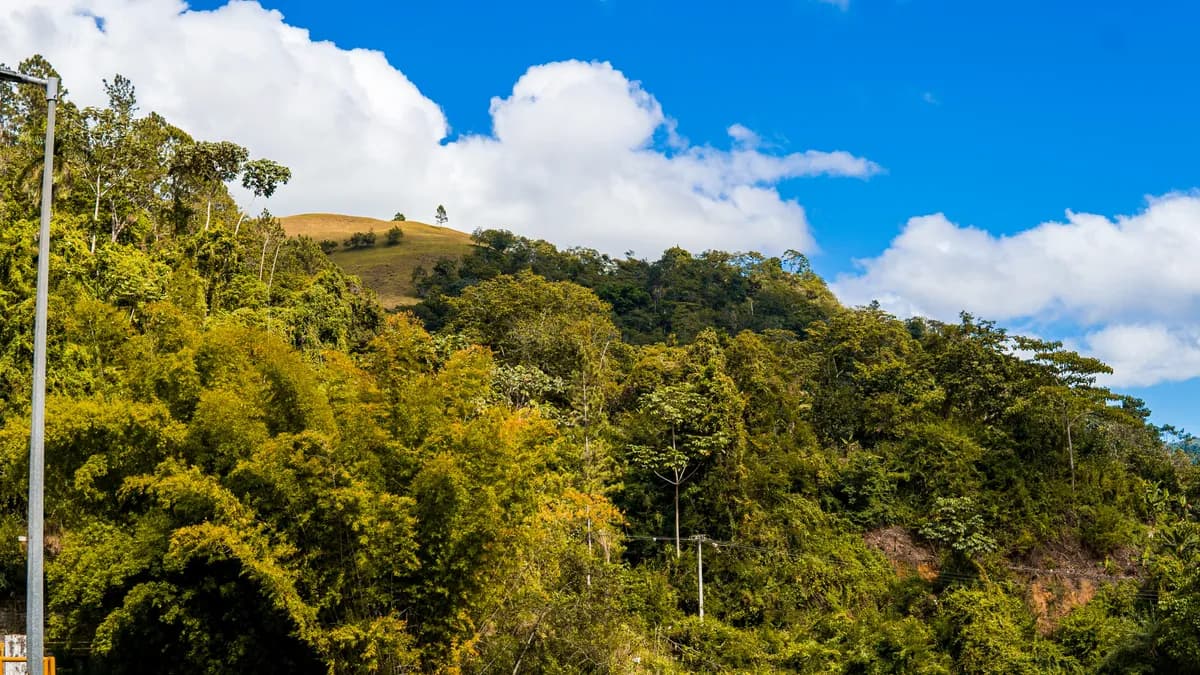
Bonao sits in the foothills of the Cordillera Central, roughly 85 km northwest of Santo Domingo along the Autopista Duarte, the highway linking the capital to Santiago. At about 173 meters of elevation it runs a few degrees cooler than the coast, and its tropical-rainforest climate means rain in every month of the year, which keeps the hillsides green when beach towns turn dusty. Bonao is the capital of Monseñor Nouel province and the working heart of the central highlands: a mining and farming city most travelers pass through on the drive between the country's two largest cities rather than a place built for tourism. That is its appeal, real commerce and mountain scenery without a resort in sight.
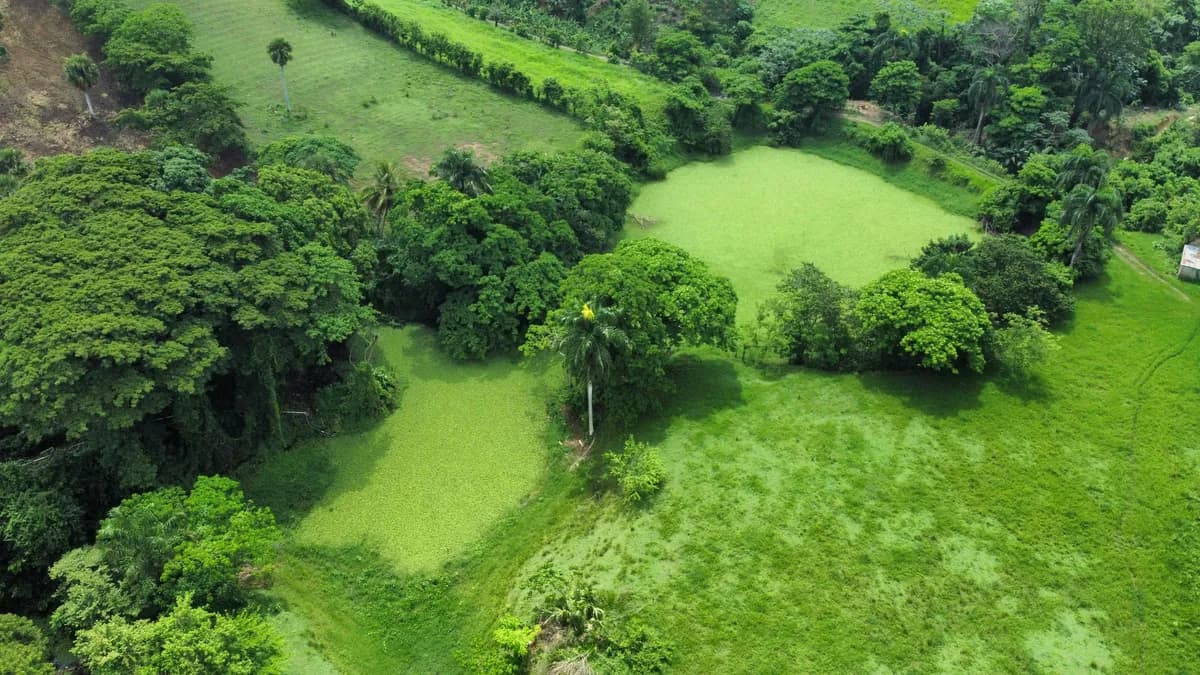
The reason to detour here is Saltos de Jima, a chain of waterfalls on the Jima River north of town, declared a Natural Monument in August 2009 to protect the highland watershed and its biodiversity. In practice only the first two falls are open to hikers, reached on a trail of several kilometers past ceibas and bracken fern to cold natural pools, so most people come with a local guide. Bonao's economy runs on what the land produces: rice paddies cover the lowlands, cocoa and coffee climb the slopes, and the Falcondo ferronickel operation has been suspended, affecting local employment.
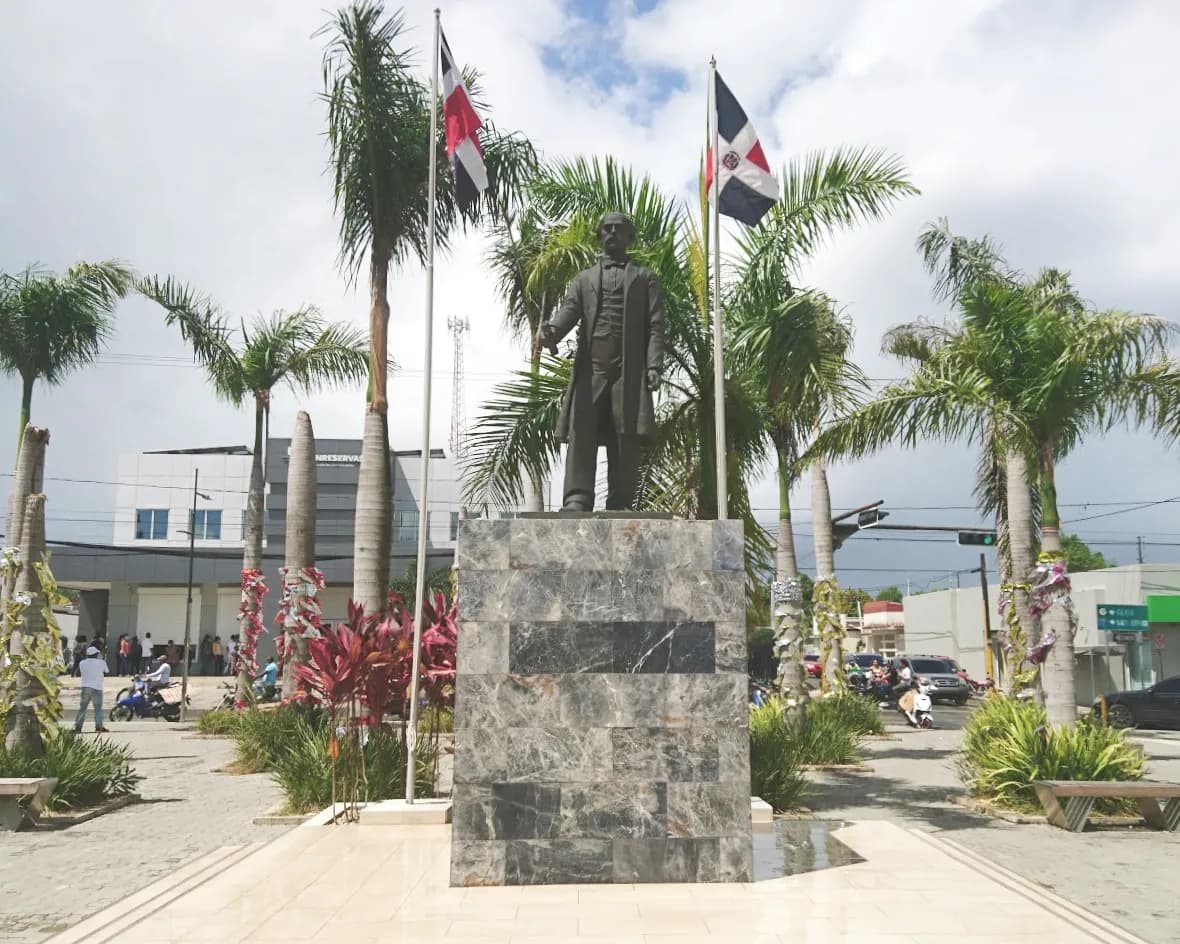
Bonao's other claim is cultural. The painter Cándido Bidó, one of the most exhibited Dominican artists of the twentieth century was born here in 1936. The Galería de Arte Cándido Bidó, the museum that carries his name, holds his paintings and other Dominican work near the city's civic and arts center. The Church of San Antonio de Padua anchors the historic core, and every February the Bonao Carnival fills the streets on Sundays with costumed comparsas and live music, smaller than the coastal carnivals but no less committed.
Because the Autopista Duarte runs just past the city, any drive between Santo Domingo and Santiago, La Vega, or Puerto Plata passes within minutes of Bonao. The nearest airport is Cibao International (STI) in Santiago, roughly an hour away by car. There is no beach here and little tourist infrastructure, so most treat Bonao as a half-day stop: a waterfall hike at Jima, lunch in town, a look at the Bidó museum, then onward. It works best as a detour built into a broader itinerary, since dining options in town lean local rather than touristic.
Bonao sits in the geographic heart of the Dominican Republic, nestled in the fertile Yuna River valley between the Cordillera Central mountains. It's a place that most tourists drive through on the autopista between Santo Domingo and Santiago — but those who stop discover a genuine Dominican agricultural town with surprising natural beauty.
Known as the "Villa de las Hortensias" (City of Hydrangeas), Bonao is surrounded by green hills, coffee plantations, and river valleys. The Blanco River and its tributaries create natural swimming holes that locals have enjoyed for generations.
This isn't a tourist destination in the traditional sense — it's a window into everyday Dominican life in the Cibao region, with a thriving Carnival tradition, excellent local cuisine, and warm hospitality from people who don't see many foreign visitors.
Weather by month
Warm all year. Each bar's height is that month's average daily high, so the chart rises toward the warm summer; teal marks the drier months with the most reliable beach weather. Temperatures show in °F by default; switch to °C with the toggle.
Best time to visit: Jan, Feb, Mar, Apr, Jul, Aug, Nov, Dec. These months bring the most sun and the fewest rainy days; May, Jun, Sep, Oct are the wettest.
Sample itineraries
Practical information
Photo gallery
Bonao questions
Do people speak English in Bonao?
+
Very few people in Bonao speak English. Basic Spanish phrases or a translation app will greatly improve your experience. The locals are friendly and patient with non-Spanish speakers.
Is Bonao worth a special trip?
+
Bonao is best as a day trip or stopover between Santo Domingo and Santiago. The river balnearios and Carnival traditions are worth a visit, but it doesn't have enough tourist infrastructure for extended stays. During February Carnival, it's absolutely worth a dedicated visit.
What is Bonao's Carnival like?
+
Every Sunday in February, Bonao hosts one of the most traditional Carnivals in the DR. The "macaraos" wear unique papier-mâché masks and elaborate costumes that can cost thousands of dollars to create. It's less commercialized than La Vega's celebrations.
Where can I swim near Bonao?
+
The Blanco River has several natural swimming spots. Balneario de Blanco is the most popular — a series of pools and cascades where Dominican families gather on weekends. The water is clean, cool, and refreshing.
What's special about Bonao's food?
+
Bonao is known for its mangú (mashed plantains) — the local variety is considered the best in the country due to the valley's sweet plantains. The fruit stands along the autopista sell exceptional chinola (passion fruit) and zapote.
Keep exploring
Nearby Destinations
Explore more places near Bonao