Jarabacoa
Jarabacoa is the Dominican Republic's mountain adventure base: cool Cordillera Central air, a level-two rafting excursion on the Yaque del Norte, waterfall walks, and the trailhead for Pico Duarte, the Caribbean's highest peak.
Jarabacoa
Jarabacoa is the Dominican Republic's mountain adventure base: cool Cordillera Central air, a level-two rafting excursion on the Yaque del Norte, waterfall walks, and the trailhead for Pico Duarte, the Caribbean's highest peak.
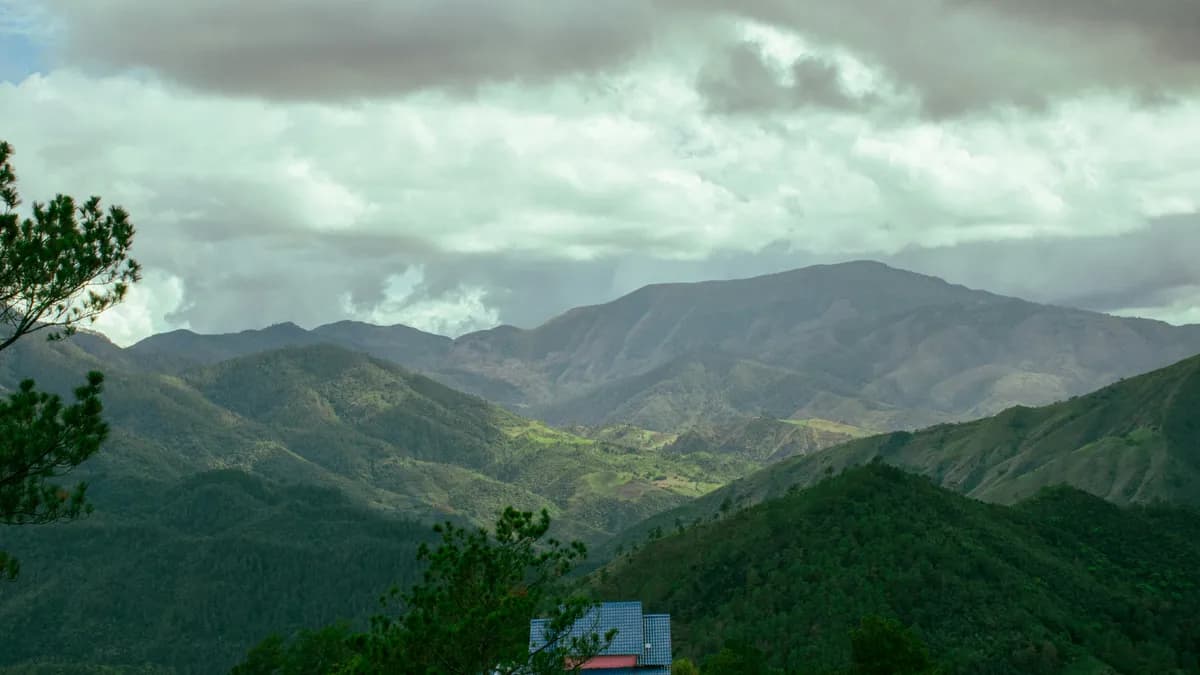
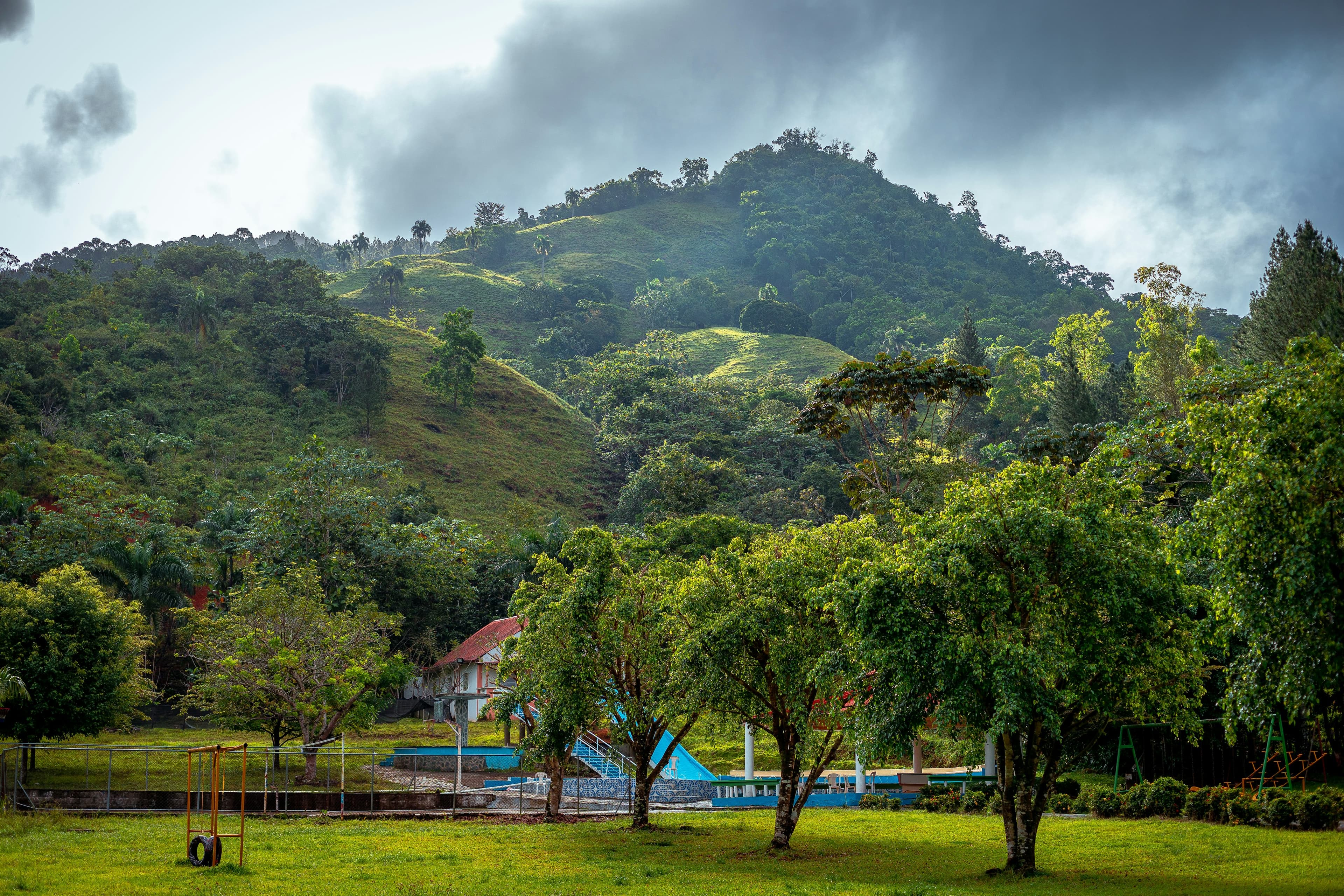
Jarabacoa sits at around 530 meters in the Cordillera Central, the mountain spine running down the middle of the Dominican Republic, roughly two hours by car from Santo Domingo and about 42 kilometers from Santiago. Locals call it the "City of Eternal Spring" because the elevation keeps temperatures noticeably cooler than the coast year-round, a relief from the beach heat rather than a substitute for it. This is a base for travelers who want elevation, rivers, and trails between stretches on the sand, not a beach town itself.
The Yaque del Norte, the country's longest river at roughly 296 kilometers, runs past town and carries Class II to IV rapids that make whitewater rafting here the standard reference point for the sport in the Caribbean. Local outfitters run half-day trips with guides, with water levels generally strongest in the wetter months. Two waterfalls anchor the shorter outings: Salto de Jimenoa, a roughly 35-meter drop reached by a short walk and a log-and-rope footbridge, and Salto de Baiguate, a 25-meter falls about a 20-minute ride from town. Both work as half-day add-ons rather than full expeditions.
For a bigger commitment, Jarabacoa is the main staging point for hiking Pico Duarte, the highest peak in the Caribbean at about 3,100 meters. The standard route from La Ciénaga runs roughly 46 kilometers round trip over two to three days, with the first leg climbing about 18 kilometers to the Comparticion shelter before the final push to the summit. Guides and mules are required and are usually arranged through La Ciénaga or Manabao, villages that double as the region's coffee country, with small arabica farms working high mountain slopes. The town has also built a reputation for tandem paragliding over the surrounding valleys and pine ridges.
The nearest airport is Cibao International (STI) in Santiago, about 42 kilometers and about an hour's drive; Las Américas International near Santo Domingo is the other realistic option. Caribe Tours buses connect Santo Domingo to the area via La Vega, though a rental car or private transfer gives more flexibility for reaching trailheads and river put-ins. Pair a stop here with a broader loop through the island's destinations, and refuel after a river day at one of the town's restaurants, such as Aroma de la Montaña. Running on activity bookings and mountain weather rather than resort infrastructure, Jarabacoa suits a two- to three-night detour inside a longer itinerary more than a standalone base.
Jarabacoa is the adventure capital of the Dominican Republic — a mountain town at 530 meters elevation where rivers converge, waterfalls thunder, and the air is cool enough to need a light jacket at night. Dominicans call it the "City of Eternal Spring" for its year-round pleasant climate.
While the coast bakes at 35°C, Jarabacoa hovers around 22-28°C, making it the country's premier destination for hiking, rafting, canyoning, horseback riding, and paragliding. It's also the main gateway to Pico Duarte, the highest peak in the Caribbean.
Beyond adventure sports, Jarabacoa is surrounded by coffee plantations, flower farms, and natural hot springs. The Jimenoa and Baiguate waterfalls are easily accessible, and the town itself has a charming mountain village feel with good restaurants and a growing eco-tourism infrastructure.
Weather by month
Warm all year. Each bar's height is that month's average daily high, so the chart rises toward the warm summer; teal marks the drier months with the most reliable beach weather. Temperatures show in °F by default; switch to °C with the toggle.
Best time to visit: Jan, Feb, Mar, Apr, Jul, Aug, Nov, Dec. These months bring the most sun and the fewest rainy days; May, Jun, Sep, Oct are the wettest.
Sample itineraries
Practical information
Photo gallery
Facts on this page were last compared with their sources on . Details may have changed since. How we check
Activities & experiences
Parks & nature
Where to eat
Jarabacoa questions
Is white water rafting safe for beginners?
+
Yes — the Yaque del Norte offers Class II-III rapids that are exciting but manageable for first-timers. Professional guides from operators like Rancho Baiguate provide all safety equipment and instruction. No experience needed.
What should I pack for Jarabacoa?
+
Layers (warm at night, comfortable during the day), water shoes for waterfalls, swimsuit, insect repellent, sunscreen, and a light rain jacket. The mountain climate is unpredictable — you can experience sun, rain, and cool breezes in a single day.
Can I visit both waterfalls in one day?
+
Yes — Salto de Jimenoa and Salto de Baiguate are both easily accessible. Visit Jimenoa first (the more dramatic waterfall with suspension bridges), then Baiguate in the afternoon. Allow 2-3 hours for each including travel.
Is the food good in Jarabacoa?
+
The mountain cuisine is distinctive — heartier and more comforting than coastal food. Try chivo guisado (stewed goat), sancocho (seven-meat stew), and the famous fresh strawberries with cream. Coffee from local farms is exceptional.
How long should I stay in Jarabacoa?
+
2-3 days is ideal. Day 1 for waterfalls, Day 2 for rafting and/or canyoning, Day 3 for paragliding and a coffee farm. You could spend a week if you include the Pico Duarte trek (adds 2-3 days).
Keep reading
Travel Guides
Helpful guides for planning your trip to Jarabacoa
Dominican Republic Adventure Guide: Outdoor Activities
Plan Dominican Republic adventures by region: 27 Charcos canyoning fees, Cabarete kite lessons, Yaque del Norte rafting, cenotes, and diving, verified for 2026.
 Practical Tips
Best Time to Visit the Dominican Republic
Weather, prices, crowd levels, and events for every month. Find the perfect travel window with our honest month-by-month breakdown for the Dominican Republic.
Hiking Pico Duarte: Caribbean's Highest Peak
Hiking Pico Duarte, the Caribbean's highest peak at 3,098 meters, with route options, a day-by-day itinerary, gear list, and guide costs.
 Practical Tips
Renting a Car in the Dominican Republic
Everything about renting a car in the DR, insurance traps, road conditions, gas stations, police checkpoints, speed bumps, and whether you actually need one.
Eco-Tourism & Sustainable Travel in the Dominican Republic
Dominican Republic eco-tourism guide to protected areas covering roughly a quarter of the land, marine conservation projects, and community-based tourism.
Jarabacoa & Constanza: DR Mountain Escape Guide
Jarabacoa and Constanza mountain guide to waterfalls, white water rafting, Pico Duarte treks, and strawberry farms most visitors never discover.
Keep exploring
Nearby Destinations
Explore more places near Jarabacoa