Best Time to Visit the Dominican Republic
Weather, prices, crowd levels, and events for every month. Find the perfect travel window with our honest month-by-month breakdown for the Dominican Republic.
Choosing when to visit the Dominican Republic depends on what matters most to you: perfect weather, lower prices, fewer crowds, or catching a specific event like Carnival or whale watching season. Here's the full picture, no sugarcoating.
The Quick Answer
Best overall: February to April, ideal weather, whale watching active through March, Carnival energy, and the dry season at its peak.
Best value: May, June, September, and October, hotel rates drop 30-50%, beaches aren't crowded, and weather is still mostly excellent.
Avoid if nervous about weather: Mid-August through October is the statistical peak of hurricane season. Note: direct hits are rare (the last major one was Hurricane Georges in 1998), but tropical storms can still disrupt travel plans.
Seasons at a Glance
The DR has a tropical maritime climate, warm year-round with two loosely defined seasons:
- Dry Season (December, April): Temperatures 25-30°C (77-86°F), lower humidity, minimal rain, steady trade winds. This is peak tourist season.
- Wet Season (May, November): Temperatures 27-33°C (80-91°F), higher humidity, afternoon rain showers (usually brief), and hurricane season overlaps June through November.
Critical nuance: the DR is not a monolithic climate zone. The north coast (Puerto Plata, Cabarete) gets rain in winter, while the south and east coasts are dry. The mountains around Jarabacoa and Constanza are 10-15°C cooler than the coast year-round.
Peak Season: December, April
What to Expect
This is when the Dominican Republic is at its postcard-perfect best. Clear skies, warm but not oppressive temperatures, and low humidity. The trade winds keep beaches comfortable even at midday. This is also when hotel prices are at their highest and popular spots like Bávaro Beach and Playa Rincón are at their busiest.
Pricing
All-inclusive resorts in Punta Cana: US$180-400/night for a standard room. Boutique hotels in Las Terrenas: US$100-250/night. Flight prices from New York/Miami peak around Christmas/New Year and spring break (March).
Key Events
- January: Día de la Altagracia (Jan 21), whale watching begins in Samaná
- February: Dominican Carnival, the biggest cultural event of the year, especially in La Vega and Santo Domingo
- March: Whale watching peak season, spring break crowds
- April: Semana Santa (Easter Week), Good Friday is an official public holiday. Beaches are packed with Dominican families. Book months ahead.
Shoulder Season: May, June, November
Why We Love Shoulder Season
The Dominican Republic's best-kept secret. Weather is still largely excellent, mornings are sunny and hot, with brief afternoon rain showers that cool things down. The difference from peak season is noticeable in your wallet: hotel rates drop 30-50%, flights are cheaper, and you won't be fighting for beach chairs.
What Changes
Humidity climbs. Rain showers are more frequent but rarely last more than 30-60 minutes. The sea is calmer and warmer, making it ideal for snorkeling and diving. Some smaller hotels and restaurants in remote areas (Las Galeras, Pedernales) may reduce hours or close temporarily.
Pricing
Punta Cana all-inclusives: US$100-250/night. Las Terrenas boutiques: US$60-150/night. This is genuinely excellent value for a Caribbean vacation.
Summer and Low Season
The Hurricane Season Question
The Atlantic hurricane season runs June 1 to November 30, with statistical peak in September. Let's be clear: most years, the Dominican Republic does not get hit by a hurricane. The island sits in a position where many storms pass to the north or south. But tropical storms, heavy rain events, and the occasional near-miss do happen.
If you're flexible with dates and have good travel insurance, low season offers the cheapest prices of the year. If you're planning a once-in-a-lifetime trip or a destination wedding, the risk-reward calculus may favor a different time.
July & August
Hot and humid, with temperatures reaching 33°C+ on the coast. Brief but intense afternoon rain. Dominican families vacation domestically, especially during the last two weeks of August. Festival de Merengue in Santo Domingo (July) is a highlight.
September & October
The quietest months. Some beach hotels offer rates 50-60% below peak season. Rain is more frequent and can occasionally be all-day. The upside: you may have entire beaches to yourself. Surf conditions on the north coast improve significantly.
Month-by-Month Breakdown
January
Temperature: 24-30°C. Rainfall: Low. Crowds: High. Prices: High. Highlights: Humpback whale season begins in Samaná, Día de la Altagracia festivities (Jan 21), perfect beach weather. The post-New Year lull (mid-Jan) offers slightly better rates.
February
Temperature: 24-30°C. Rainfall: Very low. Crowds: High. Prices: High. Highlights: Dominican Carnival with the national parade scheduled for March 15 in 2026. La Vega's carnival is world-class. Independence Day (Feb 27). Prime whale watching.
March
Temperature: 25-30°C. Rainfall: Low. Crowds: Very high (spring break). Prices: Highest. Highlights: Peak whale watching, excellent diving visibility, spring break energy in Punta Cana and Cabarete. Book 3-4 months ahead for this month.
April
Temperature: 26-31°C. Rainfall: Low to moderate. Crowds: Very high during Semana Santa, dropping sharply after. Prices: Peak during Easter, drop immediately after. Highlights: Semana Santa celebrations nationwide.
May
Temperature: 27-32°C. Rainfall: Moderate (rain begins). Crowds: Low. Prices: 30-40% below peak. Highlights: Transition month, great value, green landscapes, warm sea. First mango season begins (Dominican mangoes are exceptional).
June
Temperature: 27-33°C. Rainfall: Moderate. Crowds: Low. Prices: 30-40% below peak. Highlights: Hurricane season officially starts but June is typically calm. Sea is warm for snorkeling. School's out for Dominican kids, but international tourism is low.
July
Temperature: 28-33°C. Rainfall: Moderate to heavy (afternoon storms). Crowds: Moderate (Dominican summer vacations). Prices: 20-30% below peak. Highlights: Festival de Merengue y Ritmos Caribeños in Santo Domingo, excellent kitesurfing in Cabarete as trade winds peak.
August
Temperature: 28-34°C. Rainfall: Moderate to heavy. Crowds: Moderate (Dominican domestic travel). Prices: 25-40% below peak. Highlights: Festival de la Restauración (Aug 16), lively beach scene with Dominican families.
September
Temperature: 27-33°C. Rainfall: Heavy (peak hurricane risk). Crowds: Very low. Prices: Lowest of the year (40-60% below peak). Highlights: Empty beaches, cheapest flights, great surf on the north coast. The calculated risk month, best deals if weather cooperates.
October
Temperature: 27-32°C. Rainfall: Heavy, tapering toward month's end. Crowds: Very low. Prices: Very low. Highlights: Dominican baseball season begins (Lidom). Surf season continues. Late October sees weather improving.
November
Temperature: 26-31°C. Rainfall: Moderate, decreasing. Crowds: Low to moderate. Prices: 20-30% below peak. Highlights: Check Dominican Republic Jazz Festival dates and venues before planning around it. Weather improving rapidly. An excellent month to visit, good value with increasingly reliable weather.
December
Temperature: 25-30°C. Rainfall: Low. Crowds: Very high (Christmas/New Year). Prices: Peak, especially Dec 20-Jan 5. Highlights: Holiday decorations in the Zona Colonial, festive atmosphere island-wide, perfect beach weather returns. Book early, premium resorts sell out months ahead.
Best Month For…
- Beach weather: February or March, dry, warm, not yet sweltering
- Budget travel: September or October, rock-bottom prices with acceptable risk
- Whale watching: Late January through mid-March in Samaná
- Kitesurfing: June through September, peak trade winds in Cabarete
- Hiking Pico Duarte: December through March, dry, cooler mountain temperatures
- Cultural events: February (Carnival) or July (Merengue Festival)
- Avoiding crowds: May, June, or November, good weather without peak-season madness
- Surfing: November through March, bigger waves on the north coast
- Photography: The golden hour light in January-February is exceptional
Regional Weather Differences
The DR is not one climate, it has multiple microclimates that affect your planning:
East Coast (Punta Cana, La Romana)
Annual rainfall at Punta Cana exceeds that at Jimani. Even in "wet season," rain is often limited to brief afternoon showers. Reliable year-round beach weather. The windiest spot, with steady trade winds December through August.
North Coast (Puerto Plata, Cabarete)
Wetter in winter than the east coast, occasional cloudy days and light rain in December through February. Summers are hot and sunny with afternoon thunderstorms. The trade winds make summer bearable and fuel Cabarete's kite/windsurf scene.
Samaná Peninsula
The rainiest region overall. Lush, tropical, and green year-round (that's why it's so beautiful). Rain can come anytime but is usually brief. January-March is the driest and also whale watching season, the optimal time to visit.
Mountains (Jarabacoa, Constanza)
10-15°C cooler than the coast. Constanza has recorded temperatures near 0°C on winter nights. Rain is frequent at higher elevations. Best visited November through April for hiking and outdoor activities.
Southwest (Barahona, Pedernales)
The driest, hottest region. Desert-like conditions around Jaragua National Park. Barahona averages 161.9 mm of rain in May, its wettest month. Comfortable to visit year-round, though summer heat can be intense.
Frequently Asked Questions
What is the cheapest month to visit the Dominican Republic?
September and October consistently offer the lowest flight and hotel prices, often 40-60% below peak season rates. May and June are also excellent value with less weather risk.
Is August a good time to visit the Dominican Republic?
August is hot, humid, and within hurricane season, but direct hits are statistically rare. If you can handle the heat and don't mind the occasional rain, you'll find good deals and a lively local atmosphere as Dominican families vacation domestically.
When is hurricane season in the Dominican Republic?
Officially June 1 through November 30, with the statistical peak in September. Most years see no direct impact, but tropical storms and heavy rain events are possible. Travel insurance with trip cancellation coverage is essential during these months.
Facts on this page were last compared with their sources on . Details may have changed since. How we check
Table of Contents
Punta Cana
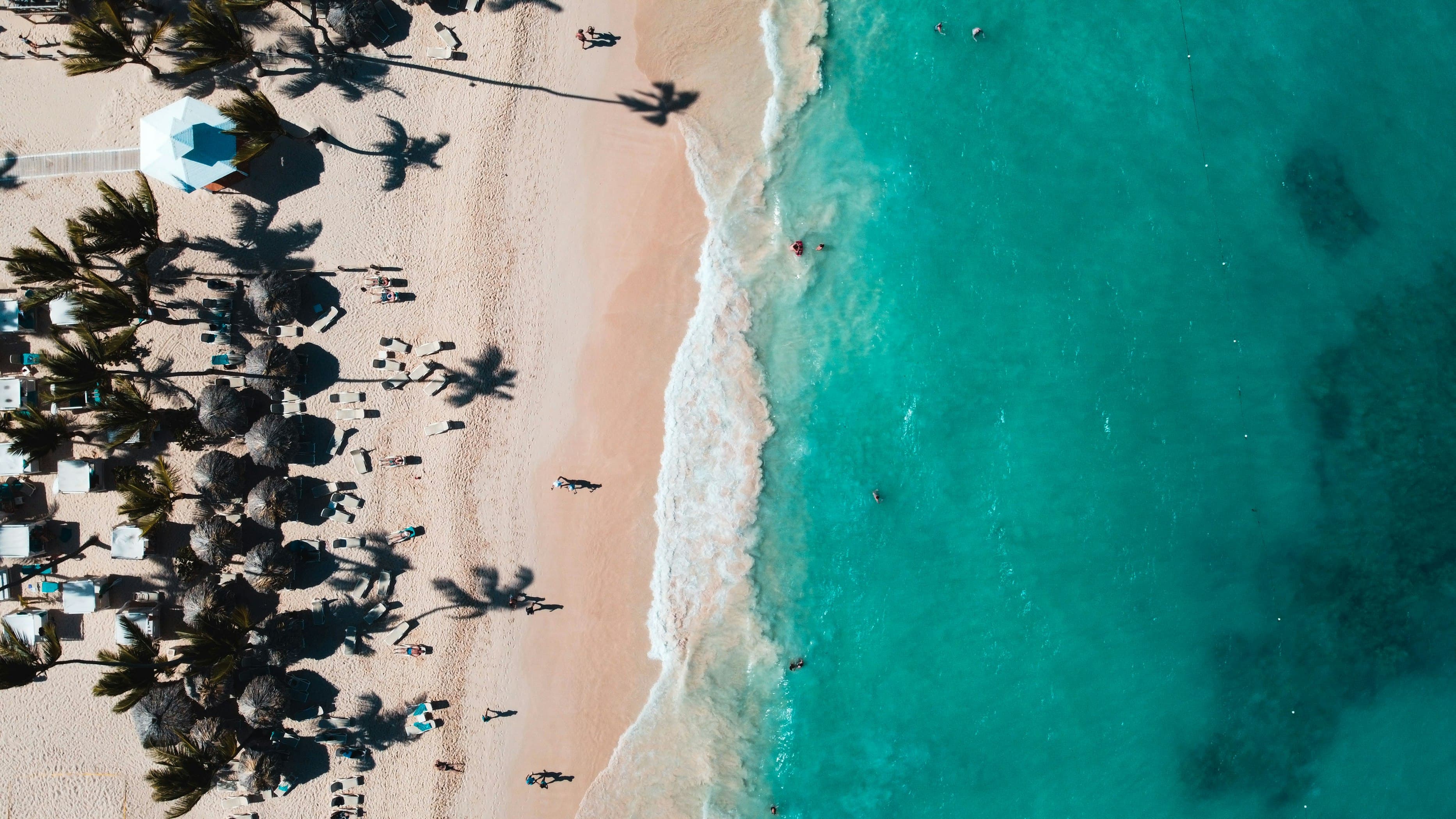
This guide covers Punta Cana. Explore more about this destination.
View DestinationAbout the Author
Alex Borshch
Founder and editor of the Isla365 network. Spent six months living in the Dominican Republic over the 2013-14 winter, and has since wintered in Thailand, Vietnam and Turkey. Writes and edits the guides across the network.