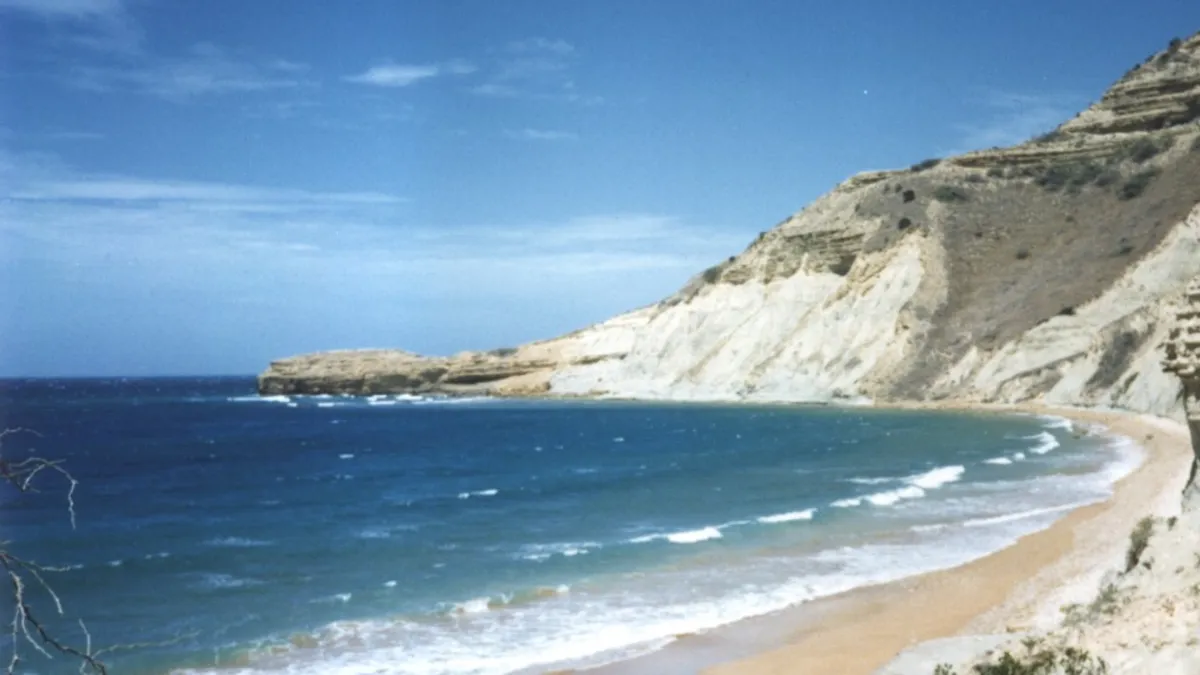
Monte Cristi Travel Guide: DR Nobody Visits
Monte Cristi travel guide to El Morro, the seven Cayos Siete Hermanos islands, mangrove kayaking, and salt flats in the DR's remote northwest.
On the far northwestern tip of the Dominican Republic, where the Yaque del Norte River empties into the Atlantic and the dry coastal plain stretches toward the Haitian border, sits a town that time and tourism have equally forgotten. Monte Cristi is not on any "Top 10 DR Destinations" list. It has Hotel El Cayito Beach Resort Montecristi, no tour buses, and no Instagram influencers. What it has is El Morro, one of the most dramatic natural landmarks in the Caribbean, a cluster of seven uninhabited islands with pristine reefs, salt flats where flamingos wade in pink-tinged water, and a colonial history as rich as any port town in the Americas.
This is the Dominican Republic at its most raw and least commercialized. Visiting Monte Cristi requires genuine effort, the town is about a 2-hour drive from Cibao International Airport and has minimal tourist infrastructure. But for the traveler who has exhausted the DR's conventional destinations and craves something genuinely off the beaten path, Monte Cristi offers rewards that no resort can replicate.
Why Monte Cristi, The DR Nobody Visits
Monte Cristi province occupies the northwestern corner of the Dominican Republic, bordered by Haiti to the west, the Atlantic Ocean to the north, and the Cibao lowlands to the east and south. The climate is markedly different from the rest of the country, this is the driest region in the DR, receiving less than 700mm of rainfall annually. The landscape looks more like coastal West Africa or the Galápagos than a Caribbean island: thorny scrub forests, salt pans, mangrove channels, and arid plains stretching to the horizon.
Monte Cristi town has a population of roughly 25,000 and was once a prosperous trading port. In the late 19th and early 20th centuries, it exported tobacco, mahogany, and cattle hides to Europe. The Victorian gingerbread houses lining the central streets, many of them imported in pieces from France and assembled on-site, are relics of that prosperous era. Today, the economy depends on salt production, fishing, banana cultivation, and a trickle of domestic tourism.
The province is profoundly different from the Dominican Republic most visitors see. The people are friendly but genuinely surprised to see foreign tourists. The food is fresh and cheap but there are no menus. The roads are adequate but lead to places with no signs. If you are the type of traveler who gets anxious without a hotel reservation and a restaurant recommendation, Monte Cristi may not be for you. If you thrive on discovery, this is your kind of place.
El Morro, The Iconic Flat-Top Mountain
El Morro de Monte Cristi is the province's defining landmark: a 242-meter-high mesa (flat-topped mountain) that rises abruptly from the coastal plain at the edge of the sea. Its distinctive silhouette, resembling a camel's hump or a sleeping dinosaur, depending on your imagination, is visible from 20 km away and has served as a navigational landmark for sailors since the age of Columbus.
The mesa is the centerpiece of Parque Nacional Monte Cristi. A hiking trail leads from the parking area at the base to the summit, climbing steeply through dry scrub forest. The hike takes approximately 45-60 minutes up and 30-40 minutes down. The trail is not shaded, so bring water (at least 1 liter per person), a hat, and sunscreen. The effort is rewarded at the top with 360-degree panoramic views: the Atlantic stretching to the horizon, the Cayos Siete Hermanos visible as dots on the ocean, the mangrove channels snaking through the coastal wetlands below, and on clear days, the mountains of Haiti to the west.
The best time to hike El Morro is early morning (before 9 AM), when the heat is manageable and the light is golden. Sunset hikes are also stunning, but descend carefully, the trail is rocky and there is no lighting. A park ranger is usually present at the trailhead and may accompany you for a voluntary tip (RD$300-500 / US$5-8.50 is appropriate). The park entry fee is RD$100 (US$1.70).
At the base of El Morro, a small beach has strong surf with the mesa towering above, one of the most photogenic swimming spots in the country. The water is clear, the sand is coarse but clean, and the setting is unforgettable.
Cayos Siete Hermanos, Seven Brothers Islands
The Cayos Siete Hermanos (Seven Brothers Cays) are a group of small, uninhabited islands approximately 7-10 km offshore from Monte Cristi. The islands are surrounded by healthy coral reefs and clear water, offering some of the best snorkeling and diving in the Dominican Republic, largely because almost nobody comes here.
The islands are low, sandy, and covered in sparse vegetation. Sea turtles nest on the beaches between May and October. Seabirds, frigatebirds, pelicans, boobies, terns, nest in large colonies on several of the cays. The surrounding reefs are in excellent condition, with hard and soft corals, sponges, and abundant reef fish including parrotfish, angelfish, grouper, and the occasional nurse shark or eagle ray.
Accessing the Cayos requires hiring a boat from Monte Cristi town or the nearby fishing village of Pepillo Salcedo. The boat ride takes 45-90 minutes depending on sea conditions and which island you target. Expect to pay RD$5,000-8,000 (US$85-136) for a boat that carries 4-6 passengers. Bring your own snorkeling gear or confirm equipment provision when booking an excursion; a local operator supplies snorkeling equipment on its trips. Also bring water, food, sunscreen, and shade (the islands have almost no trees). The sea can be rough, especially in the afternoon, go early and return before the wind picks up.
Pro tip: Arenas is one of the seven cays. The reef on the leeward side of the island is shallow (1-3 meters), making it accessible to snorkelers of all levels. The water clarity is exceptional.
Mangrove Kayaking
The coast around Monte Cristi is lined with extensive mangrove forests, the largest mangrove system in the Dominican Republic. The mangroves are threaded with channels and lagoons that can be explored by kayak or small boat, offering an experience that is equal parts wildlife viewing and silent meditation.
Kayak tours are not commercially organized in the way they are in more touristy areas. Your best option is to ask at your hotel or at the fishermen's cooperative in Monte Cristi town about renting a kayak or arranging a guided paddle. Expect to pay RD$1,000-2,000 (US$17-34) for a half-day kayak rental or guided tour. The channels are calm and shallow, suitable for beginners.
Wildlife in the mangroves includes herons, egrets, ibis, ospreys, crabs, juvenile fish (the mangroves serve as a nursery for many species), and the occasional manatee, the West Indian manatee population in the Monte Cristi waters is one of the largest remaining in the Caribbean. Sightings are not guaranteed but are possible, especially in the early morning in the quieter channels away from the town.
Salt Flats & Desert Landscape
South and west of Monte Cristi town, the landscape transitions into salt flats, shallow evaporation ponds where seawater is channeled and left to evaporate, leaving behind sea salt that is harvested by hand. The salt industry has operated here for centuries and remains an important local employer. The flats are visually striking: geometric white rectangles shimmering under the Caribbean sun, bordered by the rust-red earth of the surrounding desert.
The salt flats also attract wildlife, most notably, flocks of American flamingos that feed on the brine shrimp in the shallow water. The flamingos are present year-round but are most numerous between November and March. Viewing is possible from the road that runs through the salt-producing area south of town, no special permits or tours required. Bring binoculars and a telephoto lens. The flamingos are skittish and will fly if approached too closely.
The overall landscape of Monte Cristi province is unlike anywhere else in the Dominican Republic, dry, flat, and almost austere. The cactus-studded plains and salt flats feel more like Aruba or the Mexican desert than a Caribbean island. For photographers and nature lovers, this contrast is part of the fascination.
Historical Significance
Monte Cristi has a rich history that belies its current obscurity. Christopher Columbus anchored in the bay during his first voyage in 1493. In the late 19th century, the town was a prosperous port, the Victorian-era gingerbread houses along Calle Duarte and Calle Colón are evidence of the wealth that flowed through the town during the tobacco and mahogany trade.
Most significantly, Monte Cristi was where José Martí and Máximo Gómez signed the Manifiesto de Montecristi in 1895, the document that detailed the Cuban revolutionary movement's program. The house where the manifesto was signed is now the Museo de Máximo Gómez, a small museum with exhibits on the Dominican-born general and the Cuban independence movement. It is worth a brief visit: the building itself is a beautifully preserved Victorian structure, and the exhibits are in Spanish only but informative. Admission is free; donations accepted. Open Tuesday to Saturday, 9 AM to 5 PM.
The town's colonial-era clock tower, imported from France in the 1890s, still stands in the central plaza and is the most photographed structure in Monte Cristi. The surrounding streets with their gingerbread houses offer a pleasant 30-minute walk, many buildings are in disrepair, which adds a melancholy charm to the neighborhood.
Parque Nacional Monte Cristi
The region contains separate protected areas, including El Morro National Park, Manglares de Estero Balsa National Park, and the Cayo Siete Hermanos and Laguna Saladilla wildlife refuges.
Beyond El Morro and the Cayos (covered above), the park includes important nesting habitat for sea turtles (hawksbill and green turtles use the beaches of the Cayos between May and October) and supports populations of the West Indian manatee, the American crocodile (found in the mangrove channels and river mouth), and the rhinoceros iguana. Birdwatching in the park is excellent, the mangrove channels and salt flats support over 100 species of resident and migratory birds.
Park entry is RD$100 (US$1.70) at the main entrance near El Morro. There is a small ranger station with basic information and restroom facilities. Guides can be arranged at the station for RD$1,000-2,000 (US$17-34) per half-day.
The park's marine ecosystems are particularly noteworthy. The coral reefs around the Cayos Siete Hermanos are among the healthiest in the Dominican Republic, despite documented overfishing and marine habitat degradation in the region. Studies by the Fundación Dominicana de Estudios Marinos have documented over 150 species of reef fish and 50 species of hard coral, diversity levels comparable to much more famous Caribbean diving destinations. The seagrass beds between the cays and the mainland provide critical habitat for juvenile fish and are one of the last strongholds for the West Indian manatee in Dominican waters. If you are a diver, the walls on the outer edges of the Cayos drop from 10 meters to 30+ meters, with barrel sponges, gorgonian fans, and schooling jacks, world-class diving with zero crowds.
The terrestrial portion of the park protects one of the largest populations of American crocodiles in the DR. These are not aggressive saltwater crocodiles, they are shy, medium-sized animals found primarily in the mangrove channels and the mouth of the Yaque del Norte River. Sightings are possible during mangrove kayaking tours, particularly in the early morning. Your guide will know the best spots.
Where to Eat
Dining in Monte Cristi is simple, local, and fish-focused. Do not expect menus in English, or sometimes any menu at all.
- Restaurant La Playita: On the waterfront near the malecón, serving fresh fish, shrimp, and lobster (when in season). The fried red snapper with tostones and salad is excellent and costs RD$350-500 (US$6-8.50). The setting, plastic tables on a concrete patio overlooking the bay, is unpretentious and charming.
- Comedor Doña Ana: A small comedor near the central plaza with daily lunch specials, typically bandera dominicana or stewed goat with white rice. Plates cost RD$200-300 (US$3.40-5). The goat (chivo guisado) is particularly good, Monte Cristi province is goat country, and the local preparation is slow-cooked perfection.
- Fresh lobster at the docks: If you go to the fishing docks in the morning, fishermen sell lobster directly from their boats (outside the lobster closure from March 1 through June 30). A whole lobster costs RD$300-500 (US$5-8.50). Take it to any comedor and they will cook it for a small fee (RD$100-200). This is the freshest, cheapest lobster you will ever eat.
Where to Stay
Accommodation options in Monte Cristi are extremely limited. Options include Wyndham Garden El Morro Montecristi and the boutique El Morro Eco Adventure Hotel. What exists is basic, functional, and inexpensive.
- Hotel Chic: The best option in town, which is a relative statement. Clean rooms with AC, private bathrooms, and intermittent WiFi. Doubles from RD$1,500-2,500 (US$25-42). Located in the town center, walking distance to restaurants and the malecón. The staff is helpful and can arrange boats to the Cayos.
- Hotel Los Jardines: On the road between the town center and El Morro. Basic rooms with AC around a courtyard. Doubles from RD$1,200-2,000 (US$20-34). Quiet location, adequate for a night or two.
- Airbnb: A handful of listings exist in Monte Cristi and surrounding areas, ranging from simple apartments to a beachfront house near El Morro. Quality and availability vary, book well in advance if you choose this route.
Honest assessment: If you need comfortable, reliable accommodation, consider basing yourself in Santiago (2.5-3 hours southeast) or Puerto Plata (3 hours east) and making Monte Cristi a long day trip. If you want the full immersive experience, stay overnight in town, the accommodation is basic but the sunset from the malecón and the early-morning hike up El Morro make it worthwhile.
Getting There
From Santiago
The most practical approach. The drive from Santiago de los Caballeros to Monte Cristi takes approximately 2.5-3 hours via the Carretera Duarte north to Navarrete, then west on the Carretera 1 through Mao and Guayubín. The road is paved and in decent condition throughout. Guaguas (public minibuses) run from Santiago's terminal to Monte Cristi for RD$250-350 (US$4.25-6), but departures are irregular and the ride takes 3-4 hours with stops.
From Puerto Plata
The drive from Puerto Plata to Monte Cristi takes approximately 3 hours via the coastal road west. The route passes through several small towns and is scenic but slow. There is no direct bus service; you would need to connect through Santiago.
From Santo Domingo
The drive from Santo Domingo to Monte Cristi takes 4.5-5 hours via the Autopista Duarte to Santiago, then northwest to Monte Cristi. Caribe Tours has a documented Santo Domingo–Montecristi route; confirm current direct departures with the operator. This is a long day of driving, which is why most visitors combine Monte Cristi with a trip to Santiago or the north coast.
Who Should Visit Monte Cristi
Monte Cristi is not for everyone, and being honest about that is important. This destination is ideal for:
- Experienced travelers who have visited the DR before and want to see something completely different
- Nature enthusiasts and birdwatchers: the mangroves, salt flats, and marine environments are extraordinary
- Divers and snorkelers seeking pristine, uncrowded reefs
- Photographers drawn to dramatic landscapes and authentic Dominican life
- History buffs interested in the colonial and independence-era history
Monte Cristi is NOT ideal for travelers seeking beach resort comfort, organized tours, English-speaking guides, or reliable WiFi. You need basic Spanish, a sense of adventure, and tolerance for limited infrastructure. In return, you get an experience that is genuinely unique, a corner of the Caribbean that tourism has not yet found.
A few specific experiences make the trip worthwhile even for travelers who are on the fence. The hike up El Morro at sunrise, with the Atlantic turning gold below you and not another soul in sight, is one of the great moments in Caribbean travel. The boat ride out to the Cayos, with dolphins sometimes racing alongside the lancha, feels like something from a nature documentary. And sitting on the Monte Cristi malecón at sunset, eating a plate of fried fish for US$7 while watching the sky turn purple behind the salt flats, is the kind of simple, profound pleasure that expensive vacations often fail to deliver. Monte Cristi does not try to impress you. It simply is what it is, and what it is, is extraordinary.
One practical consideration: Monte Cristi is best visited during the dry season (December to April). The rains from May onward can make dirt roads muddy and reduce visibility for snorkeling. The heat in the dry season is significant, this is the driest part of the DR and feels almost desert-like, so bring sun protection, plenty of water, and lightweight clothing. The upside of the heat is that the sea is exceptionally warm and clear year-round.
Frequently Asked Questions
How many days do I need in Monte Cristi?
Two to three days is ideal. Day one: hike El Morro in the morning, explore the town and museum in the afternoon. Day two: boat trip to the Cayos Siete Hermanos (full day). Day three (optional): kayak the mangroves or visit the salt flats and flamingos. A single day trip from Santiago is possible but limits you to El Morro and the town, you would miss the islands and mangroves, which are the best parts.
Is there cell phone service in Monte Cristi?
Yes, in Monte Cristi town. Claro and Altice both have coverage in the urban area. Coverage is spotty or nonexistent at El Morro, on the Cayos, and in the mangroves. Download offline maps and tell someone your plans before heading to remote areas.
Can I combine Monte Cristi with other destinations?
The most logical combination is Monte Cristi plus Santiago (2.5 hours) or Monte Cristi plus Puerto Plata / Cabarete (3 hours). A northwest DR itinerary might look like: 2-3 days Santiago, 2-3 days Monte Cristi, 3-4 days Cabarete/north coast. This gives you culture, adventure, and beach in a single trip.
Is Monte Cristi safe?
Monte Cristi town is safe and quiet. Exercise caution near the border with Haiti; armed robberies have been reported on nearby roads, including by criminals posing as police officers. The primary risks are logistical, limited medical facilities, remote natural areas, and rough seas that can make boat trips to the Cayos challenging. Use common sense, travel during daylight, and hire local guides for boat trips and mangrove excursions.
Facts on this page were last checked against their sources on . How we check
Table of Contents
About the Author
Alex Borshch
Founder and editor of the Isla365 network. Spent six months living in the Dominican Republic over the 2013-14 winter, and has since wintered in Thailand, Vietnam and Turkey. Writes and edits the guides across the network.