Montecristi
A dry, wind-scoured province on the Haitian border, where a flat-topped limestone mountain drops into mangroves, salt flats, and the longest coral reef in the country. Montecristi trades resorts for salt pans, fishing boats, and offshore cays, and draws almost no crowds.
Montecristi
A dry, wind-scoured province on the Haitian border, where a flat-topped limestone mountain drops into mangroves, salt flats, and the longest coral reef in the country. Montecristi trades resorts for salt pans, fishing boats, and offshore cays, and draws almost no crowds.
Montecristi sits in the far northwestern corner of the Dominican Republic, where the Cordillera Septentrional runs out and the land turns dry and scrubby before giving way to the Atlantic and the Haitian border beyond. It is a working province more than a resort one: salt pans, goat pasture, and a fishing fleet built the local economy long before tourism did. Travelers who make the drive out here, generally as a detour from the north coast's busier towns, come for landscape and quiet rather than nightlife.
The province's signature feature is El Morro, a flat-topped limestone mesa that rises more than 230 meters straight out of the sea at the edge of Monte Cristi National Park. A staircase climbs the gentler slope to a lookout over the bay, the salt flats, and the cays offshore. The park covers dry forest, mangrove creeks, and beach, and its waters hold the longest stretch of coral barrier reef in the country, running east from El Morro toward Punta Rucia.
The Cayo Siete Hermanos, the Seven Brothers Cays, are a scatter of low, sandy islets about 10 kilometers northwest of Montecristi Bay. They serve as a seabird nesting refuge, with brown noddies and sooty and bridled terns among the colonies, and as a sea turtle nesting site, with coral close enough to shore for a snorkel stop. Boat operators run day trips out to the cays, and the same coast, particularly around Buen Hombre, draws a small but steady kitesurfing crowd for its consistent trade winds and shallow flat-water lagoon.
The city itself carries more history than its size suggests. It boomed as a 19th-century trading port, and some of the wooden merchant houses from that era still stand around Parque Duarte. Its best-known moment came on March 25, 1895, when Cuban independence leader José Martí and Dominican general Máximo Gómez signed the Manifesto of Montecristi in a house here before sailing to join Cuba's war of independence; that building is now a small museum.
Most visitors reach Montecristi by car from Cibao International Airport (STI) in Santiago, which makes it a realistic day trip or overnight add-on rather than a base for a full week. It pairs naturally with beach stops at Playa Buen Hombre, Cayo Arena, or Punta Rucia, and with the province's mangrove channels and the natural pool near the park. Bring water, sun protection, and low expectations for crowds; that last part is the whole appeal.
Montecristi is the Dominican Republic's forgotten frontier — a remote, windswept town on the far northwestern coast where the Yaque del Norte River meets the Atlantic Ocean. Topped by the dramatic flat-topped mountain El Morro (a table mountain visible from miles away), this is one of the most geographically striking locations in the Caribbean.
The region is rich in history: it's where Dominican independence heroes Máximo Gómez and José Martí signed the Manifesto of Montecristi in 1895. The Victorian-era architecture in town reflects a prosperous past built on salt, timber, and maritime trade.
Offshore, the Cayos Siete Hermanos (Seven Brothers Cays) are a group of pristine, uninhabited islands with excellent snorkeling and nesting sea turtles. The dry landscape, salt flats, and mangrove coastline create an ecosystem found nowhere else on the island.
Weather by month
Warm all year. Each bar's height is that month's average daily high, so the chart rises toward the warm summer; teal marks the drier months with the most reliable beach weather. Temperatures show in °F by default; switch to °C with the toggle.
Best time to visit: Jan, Feb, Mar, Apr, Jun, Jul, Aug, Sep, Dec. These months bring the most sun and the fewest rainy days; May, Oct, Nov are the wettest.
Sample itineraries
Practical information
Photo gallery
Facts on this page were last compared with their sources on . Details may have changed since. How we check
Top attractions
Beaches here
Playa El Morro
Dramatic beach at the base of El Morro, the iconic flat-topped mesa of Montecristi, where mangrove channels meet the open sea in a landscape unlike anywhere else in the DR.
Playa Enseneta
Quiet sheltered cove near Punta Rucia with exceptionally shallow turquoise water, perfect for families with young children and beginning snorkelers.
Playa Juan de Bolaños
The main town beach of Montecristi with panoramic views of El Morro mesa and the distant Haitian border mountains, a gathering place for locals and a window into authentic Dominican coastal life.
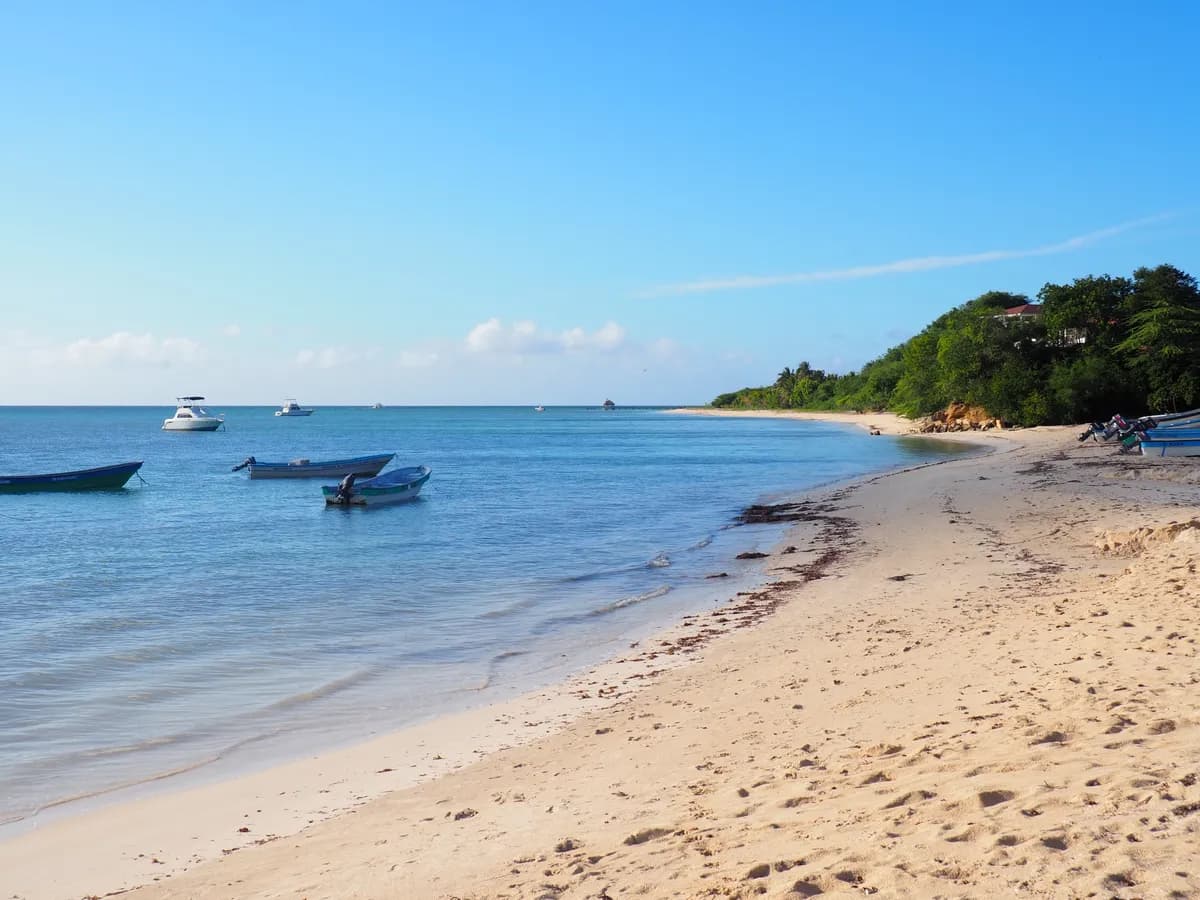
Playa Punta Rucia
Gateway beach to Cayo Arena (Paradise Island) with calm turquoise waters, mangrove-lined shores, and a laid-back fishing village atmosphere on the remote northwest coast.
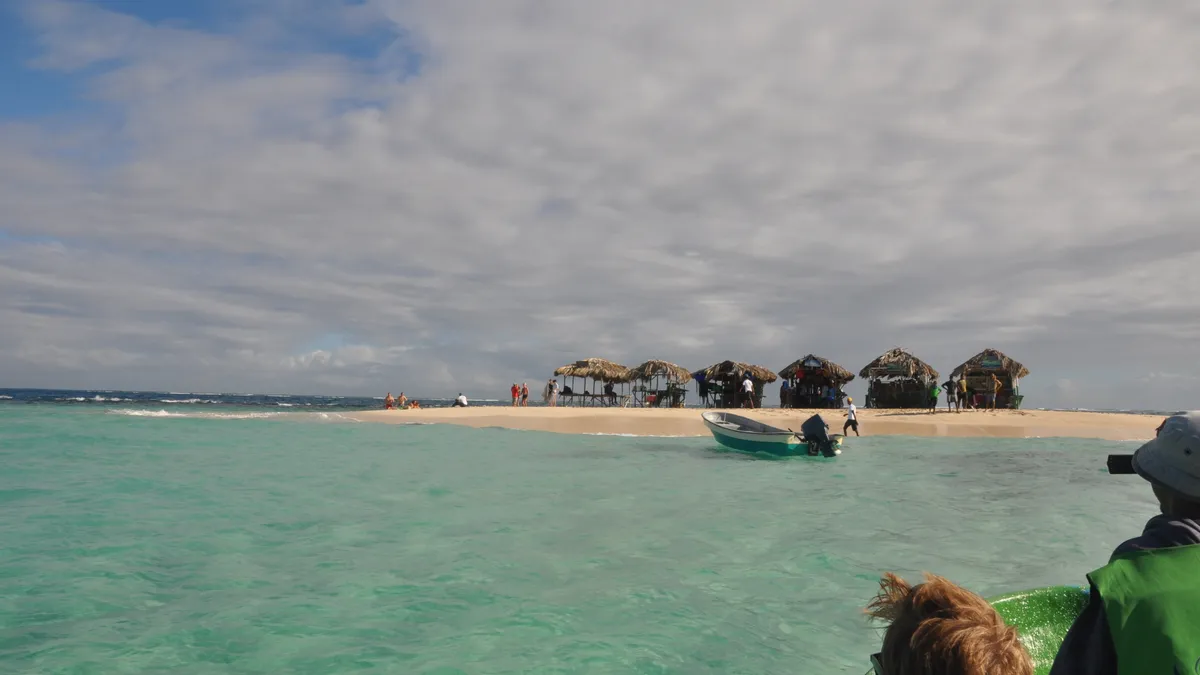
Cayo Arena (Paradise Island)
A tiny white sandbar island surrounded by pristine coral reef in the middle of the ocean — the Dominican Republic's ultimate snorkeling destination, accessible only by boat from Punta Rucia.
Playa Popa
A secluded beach with golden sands and dramatic views of El Morro mountain in the distance.
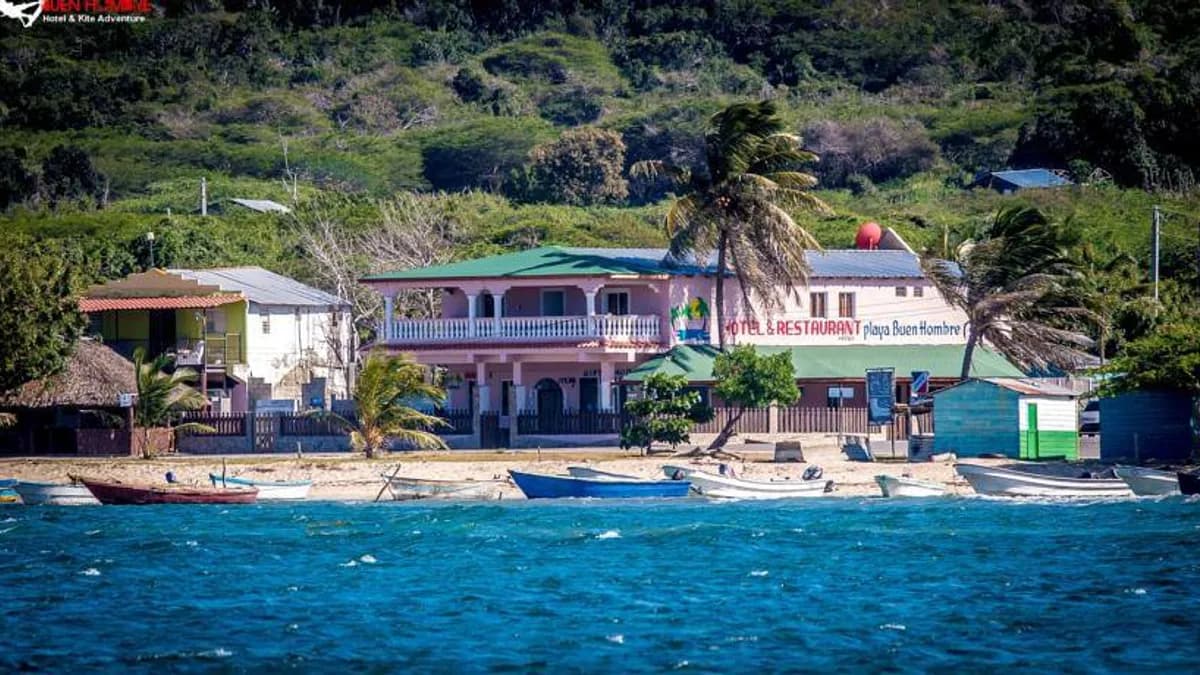
Playa Buen Hombre
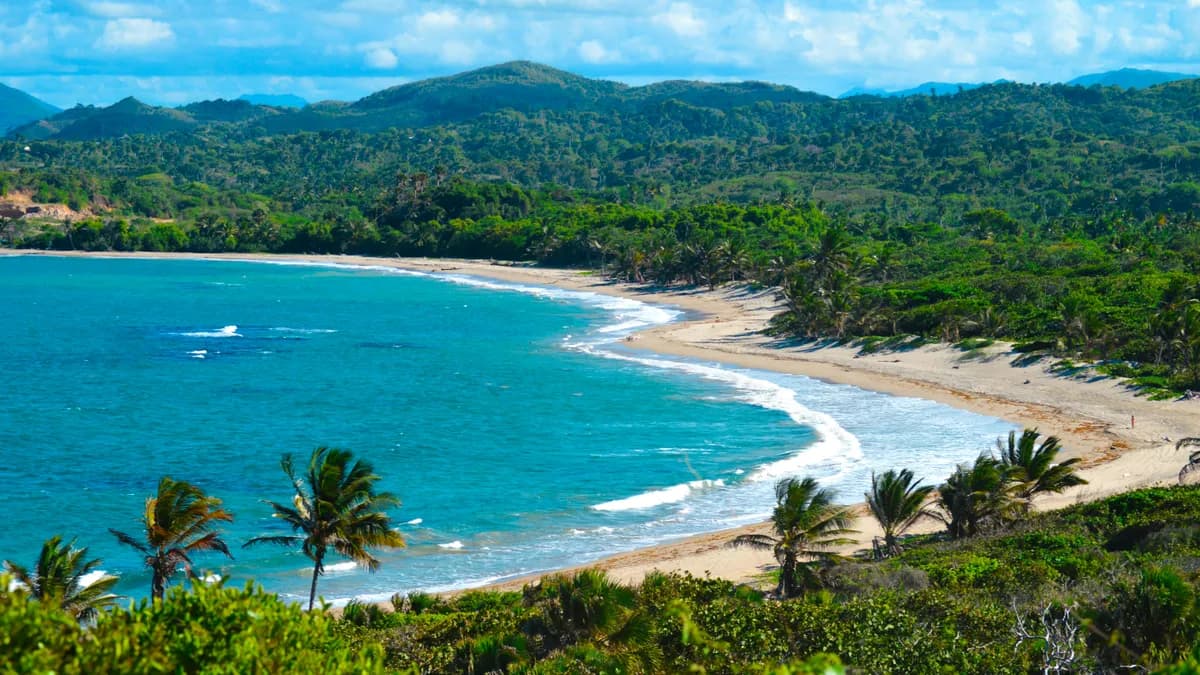
Remote kiteboarding mecca with perfectly flat turquoise water and consistent trade winds, attracting advanced kitesurfers from around the world to this authentic fishing village.
Montecristi questions
How do I get to the Cayos Siete Hermanos?
+
Negotiate with local fishermen at the Montecristi coast for a boat trip. The ride takes about 30-45 minutes. Bring all supplies — the cays are uninhabited with no facilities.
Can I visit Montecristi as a day trip?
+
From Puerto Plata (3 hours) or Santiago (2.5 hours), it's a long day trip but doable if you start early. An overnight stay gives you more time to explore El Morro, the historic center, and arrange a boat trip to the cays.
What food is Montecristi known for?
+
Chivo liniero (free-range goat) is the regional specialty — Montecristi's goat dishes are famous across the entire DR. The salt flats also produce high-quality artisanal sea salt. Seafood is fresh from the local fishing fleet.
What makes Montecristi special historically?
+
It's where the Dominican independence heroes Máximo Gómez and José Martí signed the Manifesto of Montecristi in 1895, which set out the principles of the Cuban War of Independence. The Victorian architecture reflects a prosperous 19th-century trading era.
Is El Morro difficult to hike?
+
The hike to the summit is challenging — about 1-2 hours depending on your route. The terrain is arid and exposed with limited shade. Bring plenty of water, a hat, and sun protection. Start early morning to avoid the intense midday heat.
What is the best time to visit Montecristi?
+
The best time to visit Montecristi is December–April, the peak season.
How do I get to Montecristi?
+
The easiest way to reach Montecristi is by car from Puerto Plata (about 3 hours) or Santiago (about 2.5 hours). You can also take public transportation via guaguas (small buses) from major cities.
What are the must-see attractions in Montecristi?
+
Don't miss El Morro National Park, Cayo 7 Hermanos, the natural pool, mangrove tours, and the beautiful beaches like Playa El Morro and Playa Buen Hombre.
Is Montecristi suitable for families?
+
Yes, Montecristi is family-friendly with calm beaches, nature activities, and educational experiences at the national park and mangroves.
What water sports can I do in Montecristi?
+
Montecristi is excellent for kiteboarding (especially at Buen Hombre), snorkeling, diving around the coral reefs, kayaking through mangroves, and boat trips to Cayo 7 Hermanos.
Keep exploring
Nearby Destinations
Explore more places near Montecristi