Cabarete
Cabarete is the Dominican Republic's watersports capital, a north-coast beach town where reliable trade winds, a reef-protected bay, and a beachfront strip of kite schools and open-air restaurants draw surfers, kitesurfers, and windsurfers of every level year-round.
Cabarete
Cabarete is the Dominican Republic's watersports capital, a north-coast beach town where reliable trade winds, a reef-protected bay, and a beachfront strip of kite schools and open-air restaurants draw surfers, kitesurfers, and windsurfers of every level year-round.
Cabarete is a beach town on the Dominican Republic's north coast, in Puerto Plata province, built around a bay where trade winds turn reliable most afternoons. It is the country's watersports capital: kitesurfers, windsurfers, and surfers travel here specifically for the wind and waves, and the town's layout, from beachfront kite schools to the restaurant strip, follows from that. It suits travelers who want an active, informal base rather than an all-inclusive resort, and pairs naturally with the calmer beaches of nearby Sosúa.
Kite Beach, a short drive west of the town center, is the main kitesurfing zone, with a reef break suited to intermediate and advanced riders and a line of schools renting gear and teaching lessons; Kite Beach Club Restaurant sits on the sand there for lunch between sessions. Wind is strongest from June through August, with a secondary season from roughly December to April, and Playa Encuentro hosts the Master of the Ocean, billed as the only competition combining surfing, windsurfing, kiteboarding, SUP, and wing foiling in one event. Surfers head instead to Playa Encuentro, a few kilometers west, which holds five distinct breaks and ranks among the most consistent surf spots in the Caribbean, gentle enough for beginners and rewarding when winter swells build.
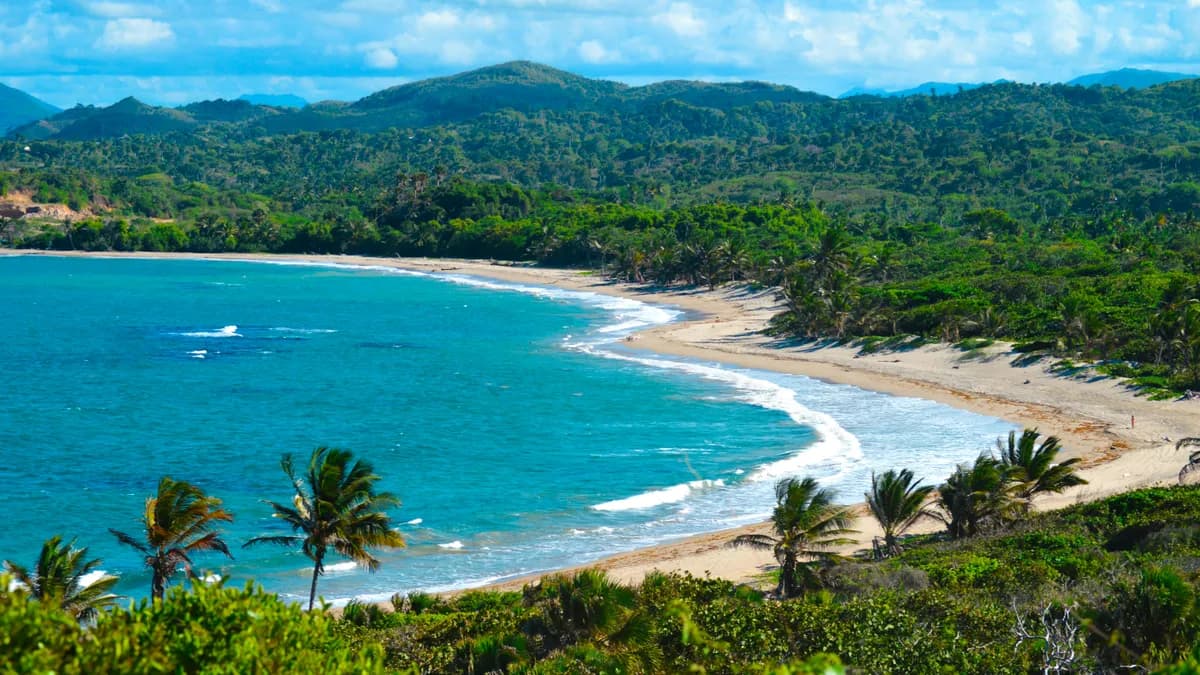
Inland, the coast gives way to the karst hills of the Cordillera Septentrional, and within reach of town sits El Choco National Park, a reserve of roughly 77 square kilometers holding more than 200 caves alongside the Cabarete and Goleta lagoons. Guided tours lead through chambers of stalactites and stalagmites to underground pools clear enough to swim in, a contrast to the windy bay minutes away. The main town beach has a larger shore break than Kite Beach, lined with cafes, dive shops, and language schools, and is where Cabarete's nightlife concentrates after sunset.
Puerto Plata International Airport (POP) is about 20 kilometers away, a 20 to 30 minute drive, making Cabarete one of the more accessible north-coast towns for a first or last night of a trip. Sosúa sits about 14 kilometers west, close enough for an easy transfer. Most visitors use Cabarete as a standalone base for several days, and it fits into a broader itinerary built around Puerto Plata. The destinations overview and restaurant listings cover the wider area.
Cabarete is where the Dominican Republic gets its adrenaline rush. This former fishing village on the North Coast has evolved into the undisputed kiteboarding and windsurfing capital of the Caribbean — and one of the top spots in the world.
But Cabarete is far more than a wind sports mecca. It has become a vibrant international community where digital nomads, surfers, yoga enthusiasts, and expats from 50+ countries coexist alongside Dominican families. The main beach road buzzes with beachfront restaurants, craft cocktail bars, and live music every night.
The vibe here is fundamentally different from the South Coast resorts. Viva Tangerine by Wyndham also offers an all-inclusive stay with a buffet restaurant and organised activities. Instead, you'll find an independent, bohemian energy — barefoot dinners on the sand, sunrise surf sessions, and a community that actually knows your name after a few days.
Weather by month
Warm all year. Each bar's height is that month's average daily high, so the chart rises toward the warm summer; teal marks the drier months with the most reliable beach weather. Temperatures show in °F by default; switch to °C with the toggle.
Best time to visit: Jan, Feb, Mar, Apr, Jun, Jul, Aug, Sep, Dec. These months bring the most sun and the fewest rainy days; May, Oct, Nov are the wettest.
Sample itineraries
Practical information
Photo gallery
Facts on this page were last compared with their sources on . Details may have changed since. How we check
Beaches here
Playa Encuentro
The premier surfing destination on the Dominican Republic's North Coast, Playa Encuentro features multiple reef breaks that cater to beginners and experienced surfers alike. Less commercial than Cabarete, this beach offers an authentic surf culture surrounded by lush tropical scenery.
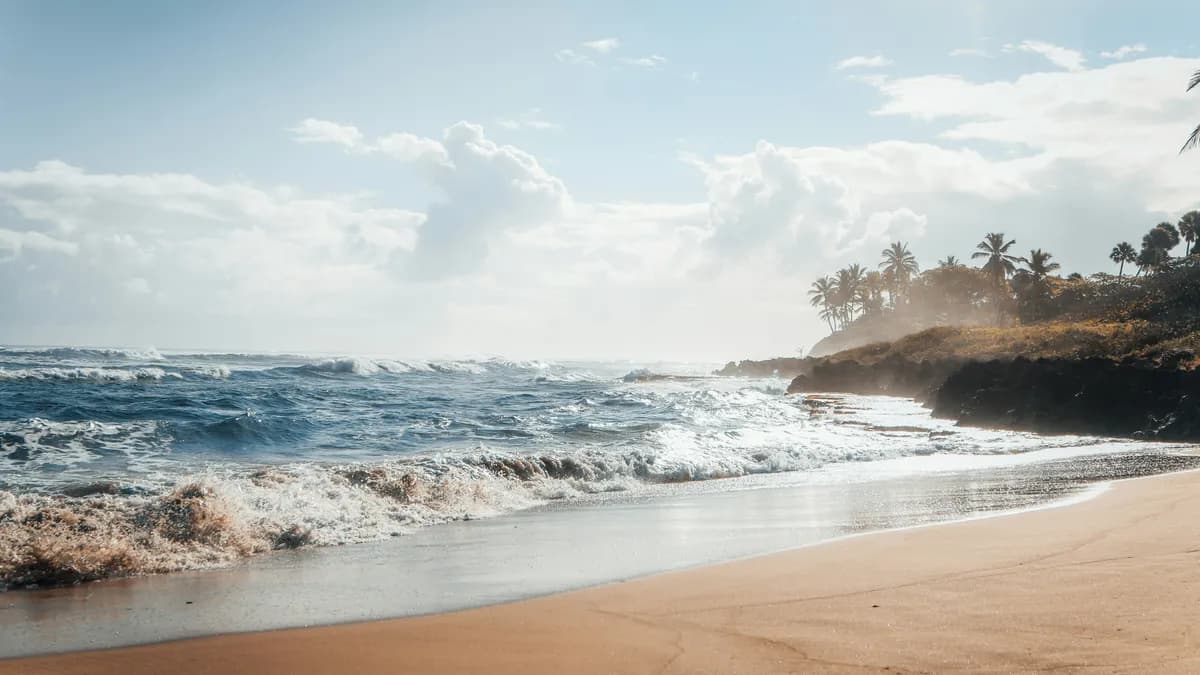
Cabarete Beach
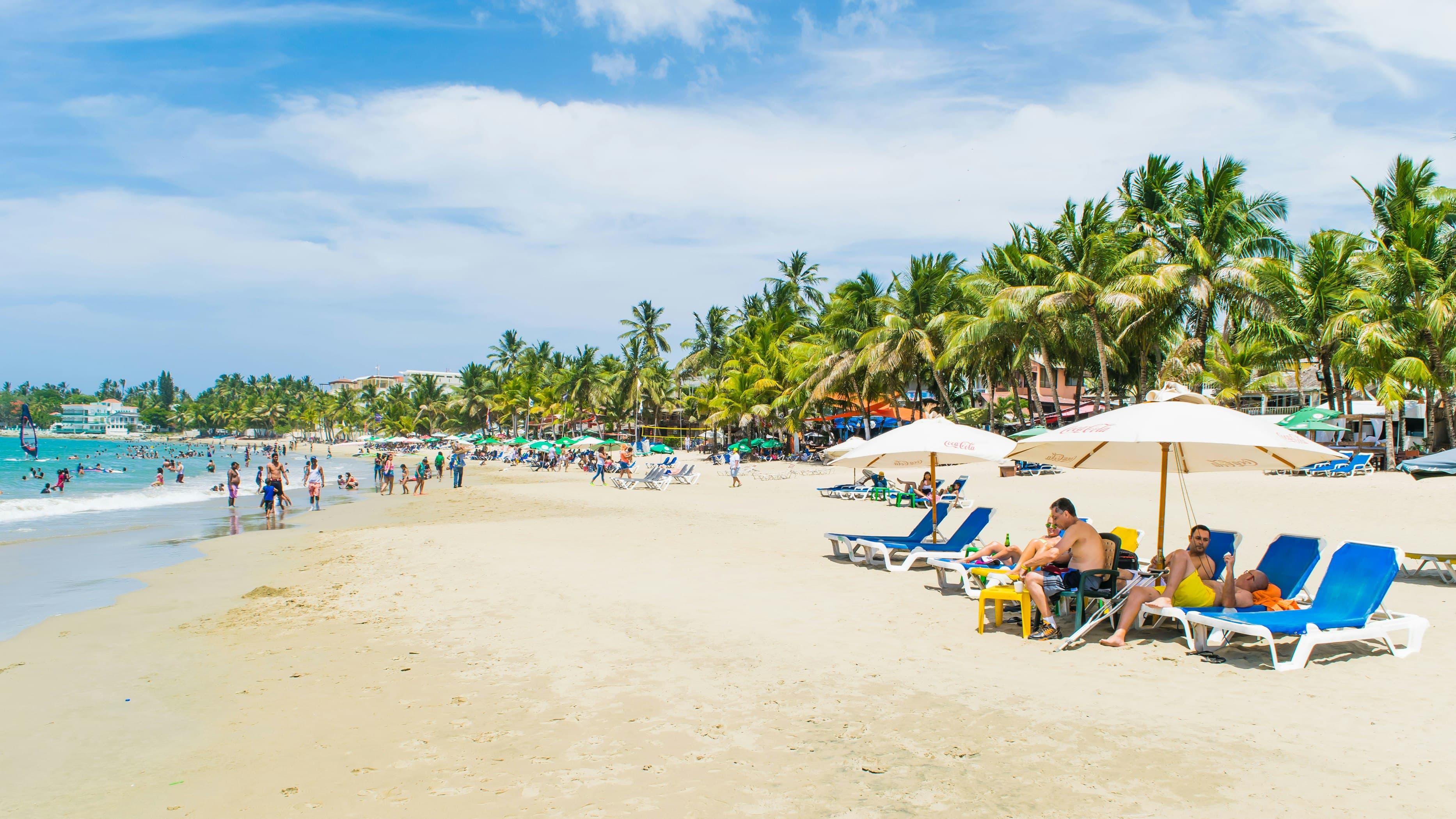
The undisputed world capital of kitesurfing and windsurfing, Cabarete Beach is a vibrant stretch of golden sand where consistent Atlantic trade winds meet a laid-back Caribbean lifestyle. Beach bars, international restaurants, and surf shops line the shore, creating an energetic atmosphere that draws water-sports enthusiasts and digital nomads from around the globe.
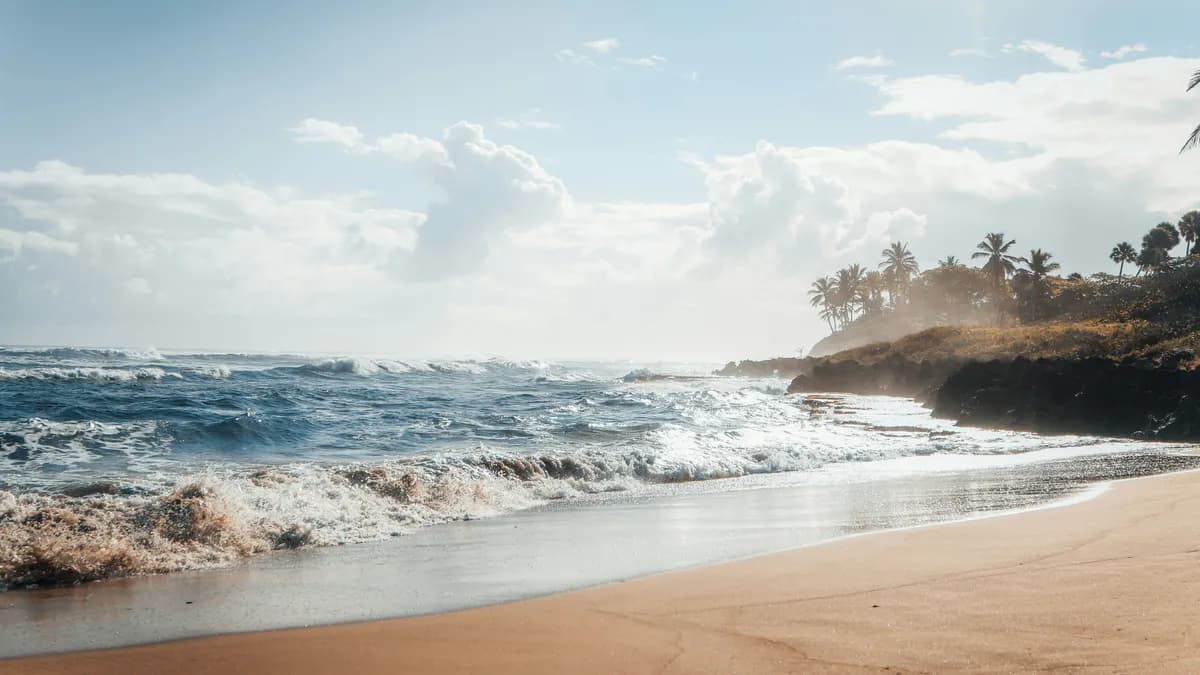
Kite Beach
Located just west of Cabarete center, Kite Beach is the dedicated launch zone for kitesurfers and the heartbeat of the global kite community. Perfect side-onshore winds, a sandy bottom, and a wide launch area make it the go-to spot for riders of all levels.
Events & festivals
Activities & experiences
Where to stay
Millennium Resort & Spa
★★★★★All-inclusive resort offering a serene beachfront location, multiple pools, and a full-service spa.
Ultravioleta Boutique Residences
★★★★Modern beachfront condos with stunning ocean views, infinity pool, and direct access to Kite Beach.
Cabarete questions
When is the best wind season for kiteboarding?
+
May through August has average winds of 16-30 knots; September through December averages 10-20 knots. December through March has lighter winds but better surf at Playa Encuentro. The shoulder months (April-May, October) can have good conditions for both.
How do I get to the 27 Waterfalls from Cabarete?
+
Damajagua (27 Waterfalls) is about 45 minutes west of Cabarete by car. Many tour operators in Cabarete offer half-day trips for US$40-60 including transport and entrance. Or rent a car and drive yourself — the entrance is well-signed off the main highway.
Is Cabarete safe?
+
Generally safe, especially along the main beach road and established neighborhoods. Use normal precautions — don't walk alone on dark side streets late at night, secure your belongings on the beach, and lock your scooter. The expat community is well-established and the area is well-policed.
Can I learn to kitesurf in Cabarete?
+
Cabarete is one of the best places in the world to learn. GoKite Cabarete offers a 9-hour intensive package for $649, including equipment and one-on-one instruction. The water can be choppy, with shore break to navigate during lessons.
Is Cabarete good for digital nomads?
+
Excellent. Fast WiFi at cafés and coworking spaces, furnished apartments from US$500-1,200/month, a vibrant international community, and an affordable cost of living make Cabarete one of the best digital nomad bases in the Caribbean.
What's the nightlife like?
+
Cabarete's beach strip transforms nightly with live music, DJ sets, and fire shows at venues like LagBar and Onno's. The vibe is international and relaxed — barefoot dancing on the sand with no dress code or cover charge.
When is the best time for kiteboarding in Cabarete?
+
The prime kiteboarding season in Cabarete runs from May to August, when the trade winds are strongest and most consistent. June and July typically offer the best conditions with afternoon winds regularly reaching 15-25 knots. The morning hours are generally calmer, making them ideal for beginners or other water activities. A secondary good season occurs from December to February. The wind is less reliable in September and October, which coincides with the hurricane season.
Do I need to bring my own kiteboarding equipment?
+
No, you don't need to bring your own equipment unless you prefer to use your personal gear. Cabarete has numerous kiteboarding schools and rental shops offering quality equipment for all skill levels. Many hotels catering to kiteboarders also provide gear storage facilities. If you're a beginner, most schools offer package deals that include lessons and equipment rental. Prices for equipment rental alone typically range from $50-100 per day depending on the season and quality of gear.
What is the nightlife like in Cabarete?
+
Cabarete offers a vibrant nightlife scene that is unique in the Dominican Republic. Most of the action centers along the beach, where restaurants transform into bars and clubs after dinner. The atmosphere is casual and relaxed - no need for formal attire. Popular spots include Lax Beach Bar, Onno's Bar, and Bamboo Bar, all located directly on the beach. Different venues often host special events throughout the week, from live music to beach parties. The nightlife typically gets going around 10 PM and continues until 2-3 AM, especially during high season and weekends.
Keep exploring
Nearby Destinations
Explore more places near Cabarete