Cabarete Carnival
Where Caribbean carnival meets surf culture
A Dominican carnival that ends on the sand
Cabarete's carnival is a locally run street parade on the Dominican Republic's north coast, organized under the name Carnaval Cabarete RD. It is smaller and calmer than the big national carnivals in La Vega and Santiago, and it has run under its own name for at least a decade.
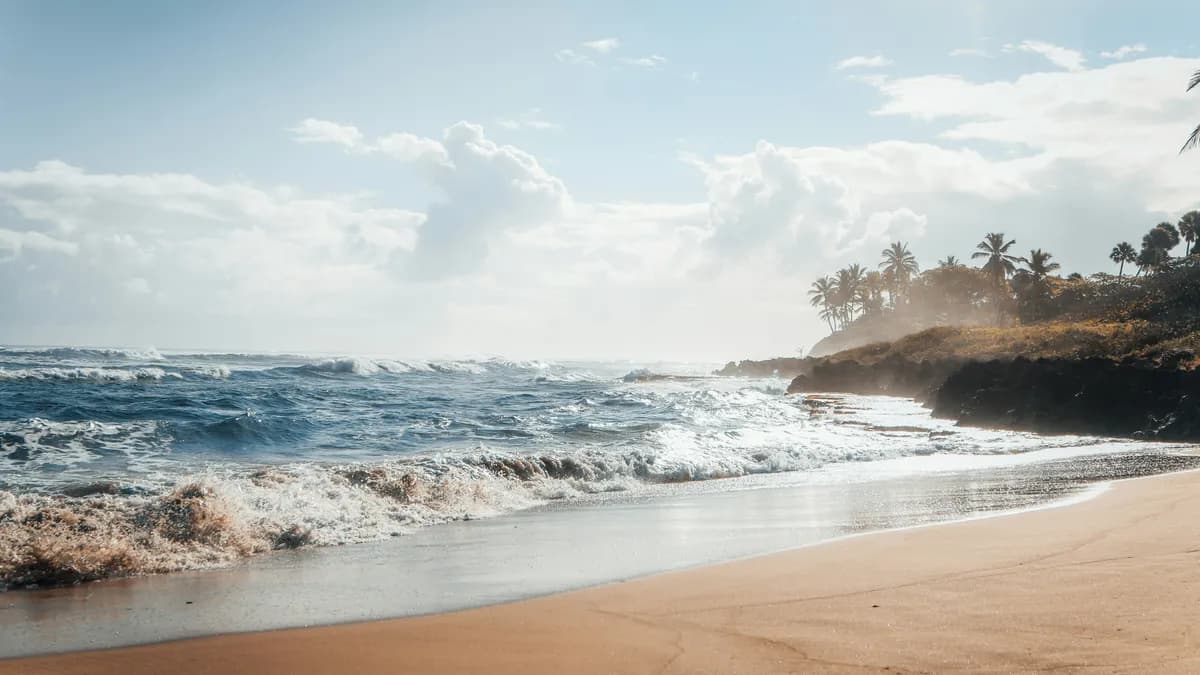
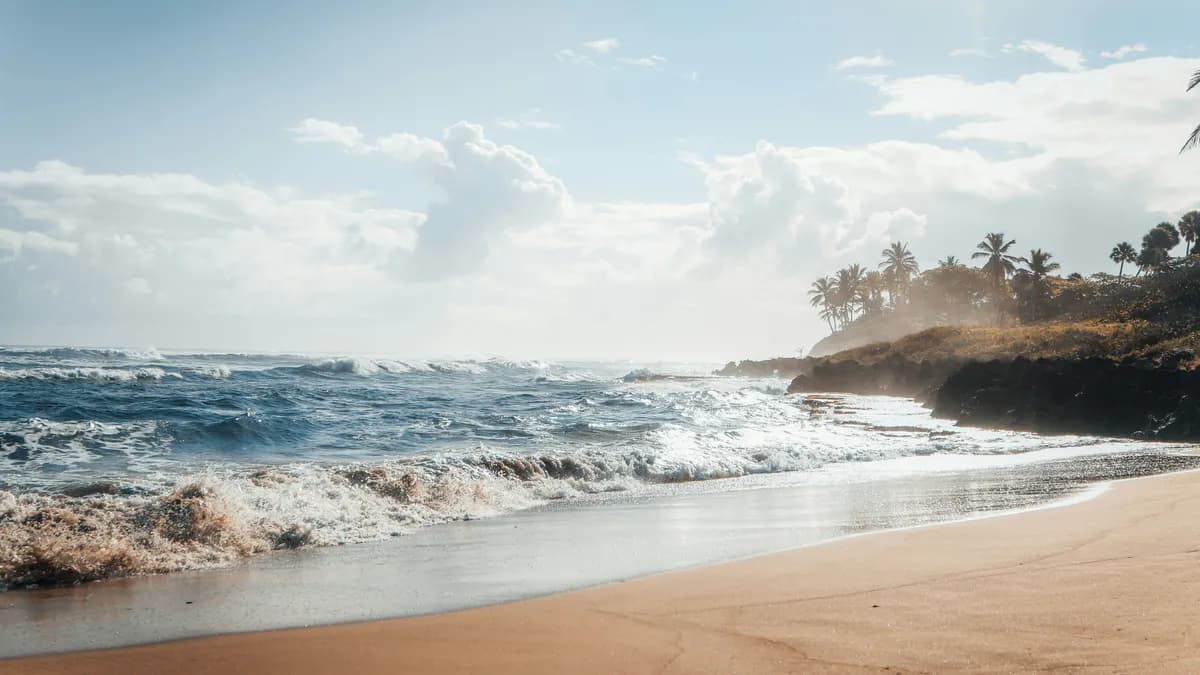
What sets it apart is where it finishes. Local sources describe it as a rare Dominican carnival that is celebrated directly on the beach: the route runs down Cabarete's main street and turns onto the sand, so the final stretch happens with the ocean on one side and beach bars on the other. Costumed comparsas, drummers, and dance troupes work their way past the restaurants that line Cabarete Bay, and spectators are usually allowed to walk along with the troupes rather than stand behind barricades.
A newer carnival born from Cabarete's mixed community
Carnival came to the Dominican Republic with Spanish settlers in the early colonial period, and the country's oldest and largest celebrations are still in La Vega and Santo Domingo. Cabarete's version is much newer and grew out of the town's international surf and kiteboarding community.
According to a local community source, the event was organized in part by Academia de la Costa, a martial arts school and community center in Cabarete, with the stated goal of building stronger ties between the town's large expat population and its Dominican residents. Documented editions go back to at least 2016. In 2023 the celebration was publicly backed by the Cabarete District Board (Junta de Distrito Municipal de Cabarete), which has provided civic support for the event.
Costumes, drums, and a no-whip rule
The parade typically starts in the afternoon and moves along Cabarete's main road before turning onto the beach in front of the Cabarete Bay restaurants. Reported start times have varied by year (around 3:00 PM in 2023 and later in the afternoon in 2016), so treat any fixed time as approximate.
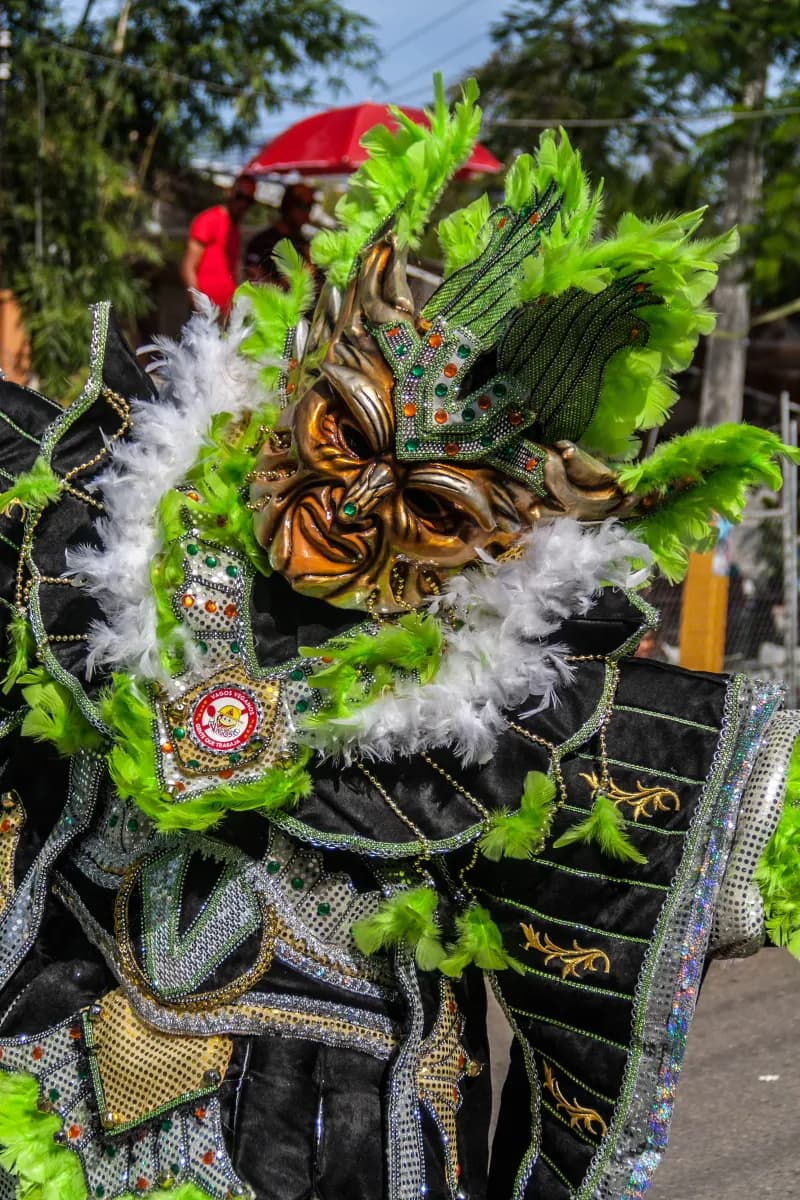
Performers wear traditional Dominican carnival characters, including the masked devils known as diablos cojuelos, alongside costumes that reflect Cabarete's beach and surf culture. Drumlines and dance troupes keep the procession moving for roughly three hours.
One local difference matters for visitors: in Cabarete the masked devils are reported not to whip spectators with vejigas (the dried-bladder whips used in La Vega and Santiago), which makes the crowd calmer than at the bigger carnivals. We could not find a published organiser rule confirming this, so check with the organisers if it matters to you. Once the parade reaches the sand, the party continues at the beachfront bars into the evening.
Practical notes for visitors
Arrive early to find a spot along the main street before the parade turns onto the beach, since the beachfront stretch draws the largest crowds. Wear sandals or shoes you do not mind getting sandy, because the route ends on loose beach sand.
Bring cash in small RD$ bills for street food and drinks from the bars along Cabarete Beach. There is no entry fee for the parade itself; you only pay for what you buy.
The exact date shifts from year to year and is often announced only a few weeks ahead. Rather than booking travel around an assumed date, check the Carnaval Cabarete RD Facebook page or ask at your hotel once you are within a month of your trip. Dates vary yearly, so confirm before you travel.
Getting to Cabarete
Cabarete sits on the north coast, roughly a forty minute drive east of Puerto Plata and about 15 to 20 minutes east of Sosua. From Gregorio Luperon International Airport near Puerto Plata (airport code POP), plan on about 20 to 30 minutes by car or taxi. From Santiago, allow roughly 90 minutes.
Parking in central Cabarete fills up on carnival day. If you are staying outside walking distance, arrive well before the parade start time, or take a motoconcho (moto-taxi) into the center. Confirm taxi fares before you get in, since prices are not metered.
Facts on this page were last compared with their sources on . Details may have changed since. How we check
Frequently asked questions
Is Cabarete Carnival the same as the national Dominican Carnival?
+
Is Cabarete Carnival free to attend?
+
Is it safe for kids and first-time visitors?
+
What is the exact date of Cabarete Carnival in 2026?
+
Cabarete Carnival
More to Explore in Cabarete
Discover beaches, attractions, activities, and more in the same area
Related events & festivals
Carnival of La Vega
La Vega, Central Highlands
Santo Domingo Carnival
Santo Domingo, South
Carnival of Santiago
Santiago de los Caballeros, Cibao Valley
Dominican Republic Jazz Festival
Cabarete, North Coast
Master of the Ocean
Cabarete, North Coast
Puerto Plata Merengue Festival
Puerto Plata, North Coast