Carnival of La Vega
The Devil's Dance: DR's wildest carnival
About the Carnival of La Vega
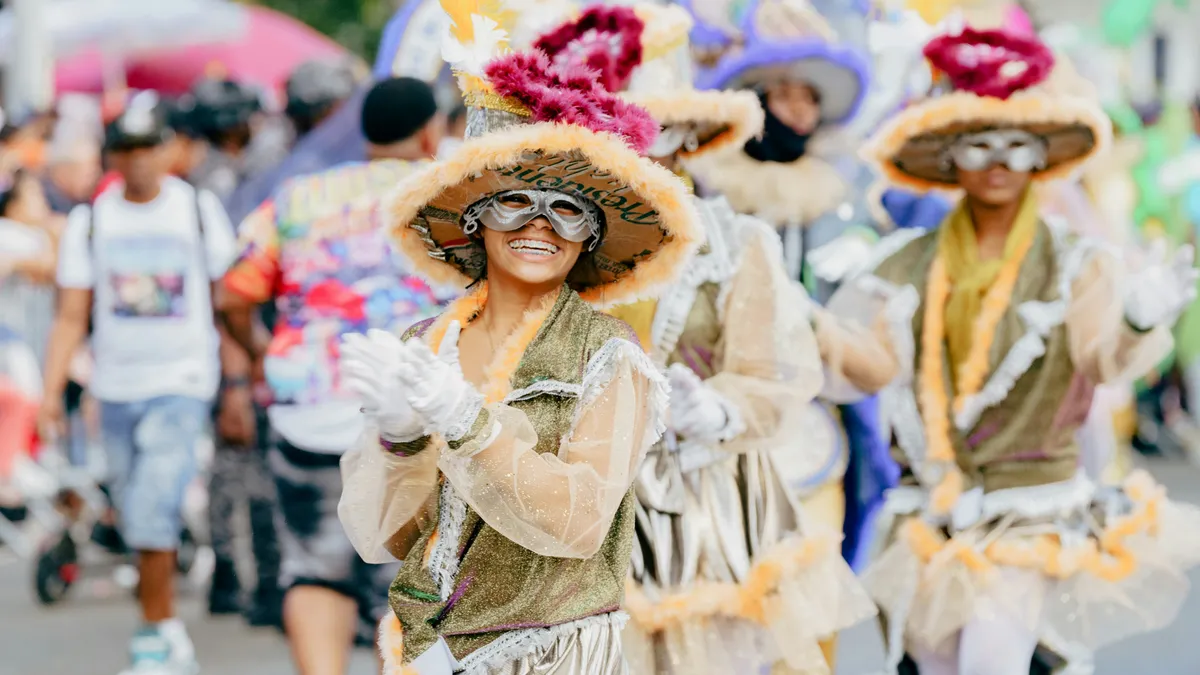
The Carnival of La Vega is the Dominican Republic's largest and most spectacular carnival, recognized as one of the most spectacular in the entire Caribbean. Every Sunday in February, the streets of La Vega transform into an explosion of color, music, and cultural expression that draws hundreds of thousands of spectators.
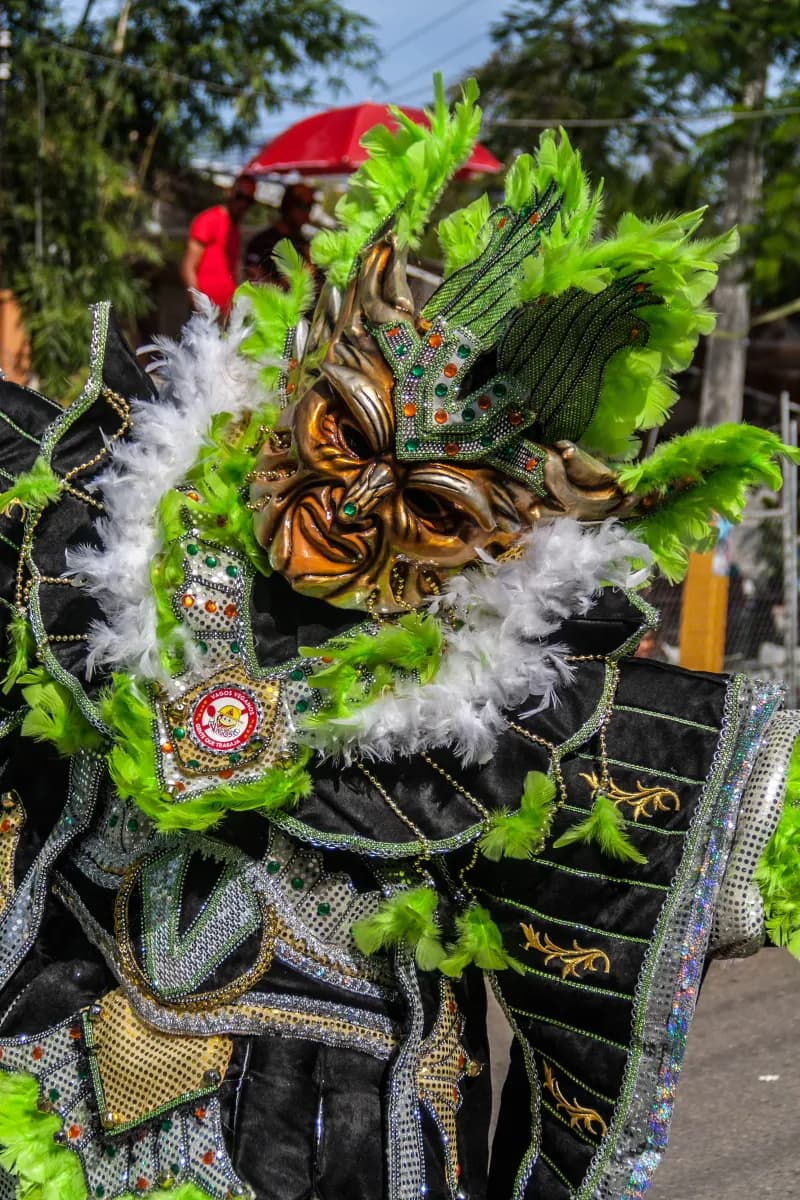
At the heart of the celebration are the Diablos Cojuelos (limping devils), costumed characters wearing elaborate papier-mâché masks adorned with horns, glitter, feathers, and bright paint. Each mask is a unique work of art, often taking months to create. The devils chase spectators through the streets, playfully hitting them with inflated pig bladders (vejigas), a tradition symbolizing the purging of evil spirits.
History & Cultural Significance
La Vega's carnival tradition dates back to the colonial era, blending Spanish, African, and indigenous Taíno elements into a uniquely Dominican celebration. The Diablos Cojuelos evolved from medieval Spanish morality plays where devils represented temptation, while the African influence brought powerful drumming rhythms and dance traditions.
In 2001, the carnival of La Vega was the first Dominican cultural expression submitted for UNESCO recognition. The mask-making tradition has been passed down through generations of artisan families, with workshops (talleres de máscaras) operating year-round to prepare for February.
What to Expect
The parade begins around noon each Sunday and continues until evening. The main route runs through the city center, with the densest action near the central park. Expect:
- Comparsas: Organized groups of Diablos Cojuelos with matching costumes and choreographed routines
- Live music: Merengue, dembow, and traditional carnival rhythms from mobile sound systems
- Street food: Fried chicken, empanadas, chicharrón, and cold Presidente beer everywhere
- Vejigasos: The playful hitting with inflated bladders (it stings but it's part of the fun)
- Massive crowds: Arrive early for the best viewing spots
Tips for Visitors
To make the most of your Carnival experience:
- Wear comfortable, closed-toe shoes, the streets get crowded and muddy
- Don't wear your best clothes, you'll likely get paint, powder, or vejiga marks on you
- Bring cash, most vendors and food stalls are cash-only
- Arrive before 11 AM to secure a good viewing spot near the central park
- Keep valuables in a front pocket or hidden pouch, pickpockets can operate in dense crowds
- Stay hydrated, February can be surprisingly hot, and you'll be on your feet for hours
- Hiring a local guide can help you navigate the crowds and understand the traditions
Getting There
La Vega is located in the central Cibao Valley, approximately 120 km (75 miles) northwest of Santo Domingo. Access options:
- By car: Take the Autopista Duarte (DR-1) from Santo Domingo, about 1.5 hours. Parking is extremely limited during carnival; arrive early or park on the outskirts and walk.
- By bus: Caribe Tours and Metro operate regular service from Santo Domingo to La Vega (about RD$300 one-way). The terminal is walking distance from the carnival route.
- From Puerto Plata: About 1 hour south via the DR-1.
- Tour groups: Many Santo Domingo and Punta Cana hotels offer organized day trips during carnival weekends.