Dominican Republic in February: Carnival & Whales
Dominican Republic in February brings Carnival in La Vega, peak whale watching in Samana Bay, and Independence Day celebrations on the 27th.
If any month captures the full spirit of the Dominican Republic, it is February. The weather is nearly identical to January, dry, warm, breezy, but the cultural calendar explodes. Carnival takes over every Sunday with parades, costumes, and noise levels that register on seismographs. Independence Day on February 27 adds national pride and street celebrations. Meanwhile, out in the waters of Samaná Bay, humpback whales are breaching at their peak concentration. And if that were not enough, Valentine's Day makes the DR one of the Caribbean's top romantic getaway destinations.
This is the Dominican Republic at its liveliest, most crowded, and most expensive. Here is how to navigate all of it.
February Weather Overview
February sits right in the heart of the dry season, and the weather is essentially a carbon copy of January with fractionally less rain.
Temperature
Coastal daytime highs of 29-31°C (84-88°F), dipping to 21-23°C (70-73°F) at night. Mountain towns like Constanza and Jarabacoa are cooler, mornings as low as 10-14°C (50-57°F). Water temperature remains a bathtub-warm 26°C (79°F).
Rainfall
February is among the driest months of the year on the south and east coasts. Punta Cana sees very little rain, usually just a few brief showers, often overnight. The north coast gets somewhat more due to the trade wind moisture pattern, but it is still firmly dry season. You can plan outdoor activities with high confidence.
Humidity & UV
Humidity hovers at 60-70%, the lowest you will experience in the DR. It feels genuinely comfortable. UV index remains 10-11 (extreme): reef-safe SPF 50+ is mandatory, not a suggestion.
Dominican Carnival, The Main Event
If you visit the Dominican Republic in February and miss Carnival, you have made a scheduling error. Dominican Carnival runs every Sunday in February, culminating in the national parade on Santo Domingo's Malecón, which in recent years has been held in early March rather than in February. This is not a single-weekend affair, it builds over four Sundays until the final explosion.
Carnival in La Vega, The Wildest
La Vega, a mid-size city in the Cibao Valley, hosts the most famous Carnival celebration in the country. The star of the show is the Diablo Cojuelo: devil characters in elaborate papier-mâché masks with protruding horns, bulging eyes, and grotesque grins. These diablos run through the streets wielding vejigas (dried, inflated bull bladders) and whack spectators on the backside. Yes, it hurts. Yes, it is hilarious. You can avoid the blows by watching from the no-vejiga area behind the barrier.
The La Vega Carnival parade runs along Calle Padre Adolfo, the city's main avenue. Expect tens of thousands of spectators on peak Sundays. The atmosphere is electric, comparsas (dance troupes) compete with choreographed routines, DJs blast dembow and merengue from massive speaker trucks, and the colorful costumes are works of art that take months to construct.
Practical tips for La Vega Carnival:
- Arrive by 1:00 PM, the parade kicks off around 2:00 PM and streets fill fast
- Wear clothes you do not mind getting dirty, paint, water, and foam are common
- Keep your phone in a zippered pocket or waterproof pouch
- Bring cash, street food vendors and colmados along the route do not accept cards
- Stay near the start of the route for the best-organized comparsas; move toward the end for the rowdier atmosphere
- Getting from Santo Domingo to La Vega takes about 90 minutes by car via the Autopista Duarte, or 2 hours by guagua (minibus) from the Caribe Tours terminal
Carnival in Santo Domingo
Santo Domingo's Carnival centers on the Malecón (George Washington Avenue along the waterfront). It is more polished and organized than La Vega, think Rio de Janeiro lite. The national closing parade, held on the Malecón after the February Sundays (15 March in 2026), features floats, national beauty queens, military bands, and dance troupes from every province. The Malecón shuts down to traffic and becomes a massive street party stretching several kilometers.
Other Carnival Celebrations
Every town in the DR has its own Carnival tradition. Santiago features Lechones (pig characters) with spiked costumes. Monte Cristi showcases Toros y Civiles (bulls and civilians) in a unique dramatization of class struggle. Cotui has dueling Platanuses and Papeluses. If you are in any Dominican city on a February Sunday, ask locals where the nearest Carnival parade is, you will not be far from one.
Independence Day, February 27
The Dominican Republic declared independence from Haiti on February 27, 1844, and the date is the most patriotic day on the calendar. The celebrations overlap with the Carnival finale, creating a double-dose of energy.
Expect military parades in Santo Domingo, speeches at the Puerta del Conde in the Zona Colonial (where the independence flag was first raised), and a general atmosphere of national pride. Government offices, banks, and many businesses close. Resorts and tourist areas operate normally but often host Dominican-themed events, flag-colored cocktails, traditional food buffets, and live merengue típico performances.
If you are at a resort, Independence Day is a pleasant cultural bonus. If you are in Santo Domingo or any city, it is a genuinely moving celebration of national identity.
Whale Watching Peak Season
February is the sweet spot for humpback whale watching. Thousands of humpback whales visit Samaná Bay and the Silver Bank breeding grounds during the winter season. Mothers with newborn calves are visible, males perform spectacular breaching displays to compete for mates, and the "singers", males producing their haunting underwater songs, can sometimes be heard through the hull of the boat.
Excursions depart daily from the town of Samaná (main embarkation point) and Las Terrenas. A half-day trip costs US$50-70 per person, typically running from 9:00 AM to 1:00 PM. The Dominican government limits the number of boats per day to protect the whales, so book 3-5 days in advance during February, operators fill up fast.
For the ultimate experience, the Silver Bank (a submerged bank about 80 nautical miles north of Puerto Plata) offers multi-day liveaboard trips where you can snorkel with humpback whales. Conscious Breath Adventures lists 2027 seven-night fares from US$5,095 per person, before a US$700 sanctuary and port fee and further surcharges, and these trips sell out months in advance. It is a once-in-a-lifetime encounter. See our complete Samaná whale watching guide for details.
What makes February whale watching special compared to January: the calves born in late January are now large enough to be active at the surface. Mothers teach them to breathe, breach, and navigate, watching a two-week-old whale calf attempt its first clumsy breach is something you will never forget. Males are at their most competitive, producing the acrobatic displays (full-body breaches, pectoral fin slapping, tail lobbing) that make humpback watching so spectacular.
Valentine's Day & Romance Travel
The Dominican Republic is a top Caribbean destination for couples and honeymooners, and Valentine's Day in February amps up the romance offerings. Resorts in Punta Cana roll out special packages: candlelit beach dinners, couples' spa treatments, sunset catamaran cruises, and room upgrades with rose petals and champagne.
For something more authentic than a resort package, consider:
- A private sunset sail from Bayahíbe or Boca Chica, smaller boats, fewer tourists, just you and the Caribbean
- Dinner in the Zona Colonial: candlelit courtyards in 500-year-old Spanish colonial buildings. Try Pat'e Palo on Plaza España or Mesón de Bari on Calle Hostos
- A boutique hotel in Las Terrenas: the French-Dominican fusion restaurants along Pueblo de los Pescadores are intimate and world-class
- Whale watching together in Samaná: nothing says romance like watching a 40-ton humpback breach at sunrise
Valentine's Day rates spike at high-end resorts (15-25% surcharge for February 13-15). If you can arrive a few days before or after, you get the same weather without the markup.
Where to Go in February
La Vega / Santiago, For Carnival
If Carnival is your priority, base yourself in Santiago and make day trips to La Vega on Sundays (45 minutes by car). Santiago has better hotel options and its own Carnival celebrations. The Cibao Valley region also offers cigar factory tours, coffee plantation visits, and river adventures in Jarabacoa, all within easy reach.
Samaná, For Whales
Samaná in February is magical. Combine whale watching with visits to Playa Rincón, whale watching festivals, and the stunning waterfalls of El Limón. Stay in Las Terrenas for food and nightlife, or in Las Galeras for quiet and seclusion.
Santo Domingo, For Culture + Carnival
The capital gives you February 27 Independence Day on the Malecón, plus the Zona Colonial, dining, museums, and nightlife. It is the best base if you want the full cultural experience without limiting yourself to one thing.
Punta Cana, For Beaches + Relaxation
Still the default for all-inclusive resort vacations. February weather is perfect for the beach. You will miss the Carnival atmosphere (resorts are largely insulated from it), but you gain consistent sun and calm Caribbean waters. If you want a taste of Dominican culture without leaving the resort zone, look for Carnival-themed entertainment nights, many resorts stage their own Diablo Cojuelo performances and merengue típico shows during February. It is not the real thing, but it is a fun introduction. For the authentic experience, hire a driver or join a tour to La Vega on a Sunday, the round trip from Punta Cana takes about 4 hours each way, making it a long but doable day trip.
What to Pack
- Everything from the January list: lightweight clothes, sunscreen, hat, walking shoes
- Old clothes for Carnival: if you attend, you will get paint/water/foam on you. Wear something you can throw away
- Earplugs: Carnival sound systems are genuinely ear-splitting. Not a joke. Protect your hearing
- A waterproof camera or phone pouch: essential for whale watching and Carnival alike
- Motion sickness medication: for the whale watching boat, especially if the bay is choppy
- Something dressy: if you plan a Valentine's dinner or a night out in the Zona Colonial
February Price Guide
February prices are virtually identical to January, peak season in full effect:
- All-inclusive resort (Punta Cana, 4-star): US$250-360/night per couple
- Boutique hotel (Samaná/Las Terrenas): US$110-190/night
- Budget accommodation: US$45-80/night
- Whale watching excursion: US$50-70/person
- Carnival day trip (transport + food): US$30-50 from Santo Domingo
- Valentine's Day dinner (upscale): US$60-120 per couple
- Local comedor lunch: RD$250-400 (US$4-7)
Valentine's Day week sees a 15-25% surcharge at luxury resorts. Carnival Sundays increase demand for hotels in La Vega and Santiago, book ahead if your trip overlaps.
Pros & Cons
Pros
- Carnival, the Dominican Republic's most spectacular cultural event, every Sunday in February
- Peak whale watching season with reliable sightings
- Independence Day (Feb 27) celebrations and cultural immersion
- One of the driest months of the year on the south and east coasts
- Valentine's Day romance packages at resorts
- Comfortable humidity levels (60-70%)
Cons
- Peak season prices across the board, 30-60% above off-peak
- Heavy crowds at resorts, Carnival events, and whale watching tours
- Valentine's week brings additional price surcharges at luxury properties
- Flights from North America and Europe are expensive and fill up early
- La Vega Carnival can be overwhelming, noise, crowds, and physical contact (vejiga whacks) are part of the deal
Frequently Asked Questions
Is February a good month for the Dominican Republic?
February is arguably the best month for cultural experiences, Carnival and Independence Day create an atmosphere you will not find any other time of year. Combined with peak whale watching and perfect dry season weather, it is exceptional. The downsides are price and crowds. If you prioritize culture and nature over budget, February is hard to beat.
What should I know about Dominican Carnival?
Dominican Carnival is family-friendly during the day but gets more intense as afternoons progress. The Diablo Cojuelo characters will hit you with vejigas, it is tradition, not aggression. Wear disposable clothes, keep valuables secured, and embrace the chaos. La Vega has the wildest celebration; Santo Domingo's Malecón parade is more organized. Every Sunday in February features parades, with the national closing parade on the Malecón on March 15 in 2026.
Can I do Carnival and whale watching in the same trip?
Absolutely. A common itinerary is to fly into Santo Domingo, attend a Sunday Carnival parade, then travel to Samaná (3.5-hour drive or short domestic flight) for whale watching mid-week. Return to Santo Domingo for February 27 Independence Day if your dates align. A 7-10 day trip comfortably covers both experiences with beach time to spare.
Facts on this page were last checked against their sources on . How we check
Table of Contents
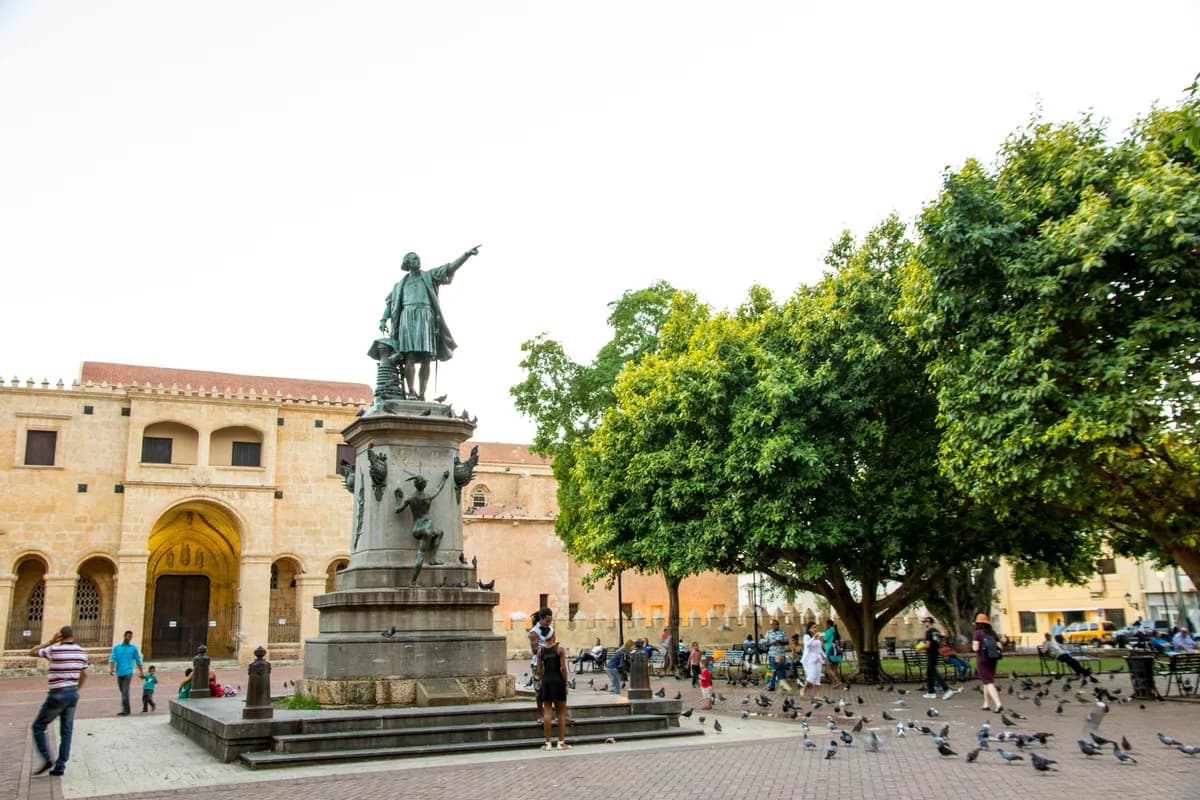
Santo Domingo
This guide covers Santo Domingo. Explore more about this destination.
View DestinationAbout the Author
Alex Borshch
Founder and editor of the Isla365 network. Spent six months living in the Dominican Republic over the 2013-14 winter, and has since wintered in Thailand, Vietnam and Turkey. Writes and edits the guides across the network.