Santo Domingo
Santo Domingo is the Dominican Republic's capital and the oldest surviving European city in the Americas, where a UNESCO-listed colonial core meets a working Caribbean metropolis of museums, markets, and a long Caribbean seafront boulevard.
Santo Domingo
Santo Domingo is the Dominican Republic's capital and the oldest surviving European city in the Americas, where a UNESCO-listed colonial core meets a working Caribbean metropolis of museums, markets, and a long Caribbean seafront boulevard.
Santo Domingo is the capital of the Dominican Republic and the oldest continuously inhabited city founded by Europeans in the Americas. Bartholomew Columbus, brother of Christopher, established the settlement in 1496 on the Ozama River; after a 1502 hurricane leveled it, the Spanish rebuilt on the opposite bank, the site of today's Colonial Zone. Greater Santo Domingo, home to 3,798,698 people in the 2022 census, is the largest metro area in the Caribbean. This is a city for travelers who want Dominican life at full scale, with government, commerce, and nightlife alongside five centuries of stone.
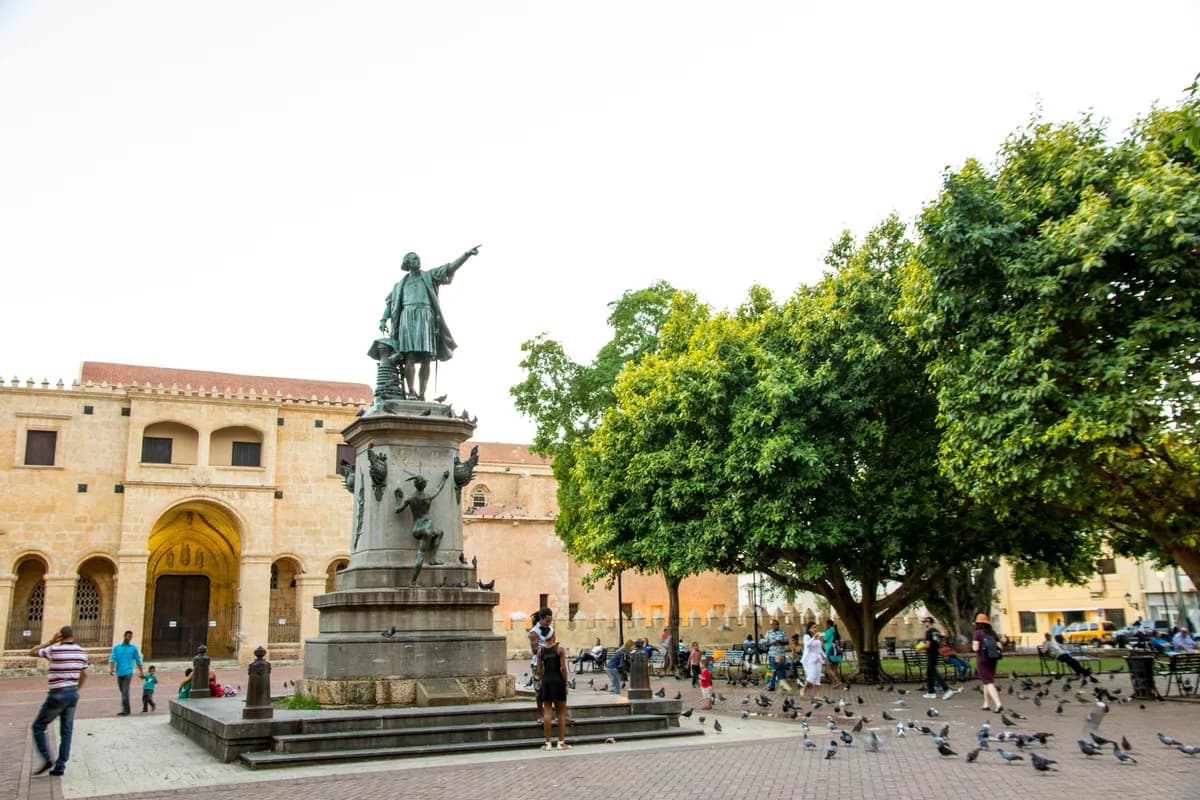
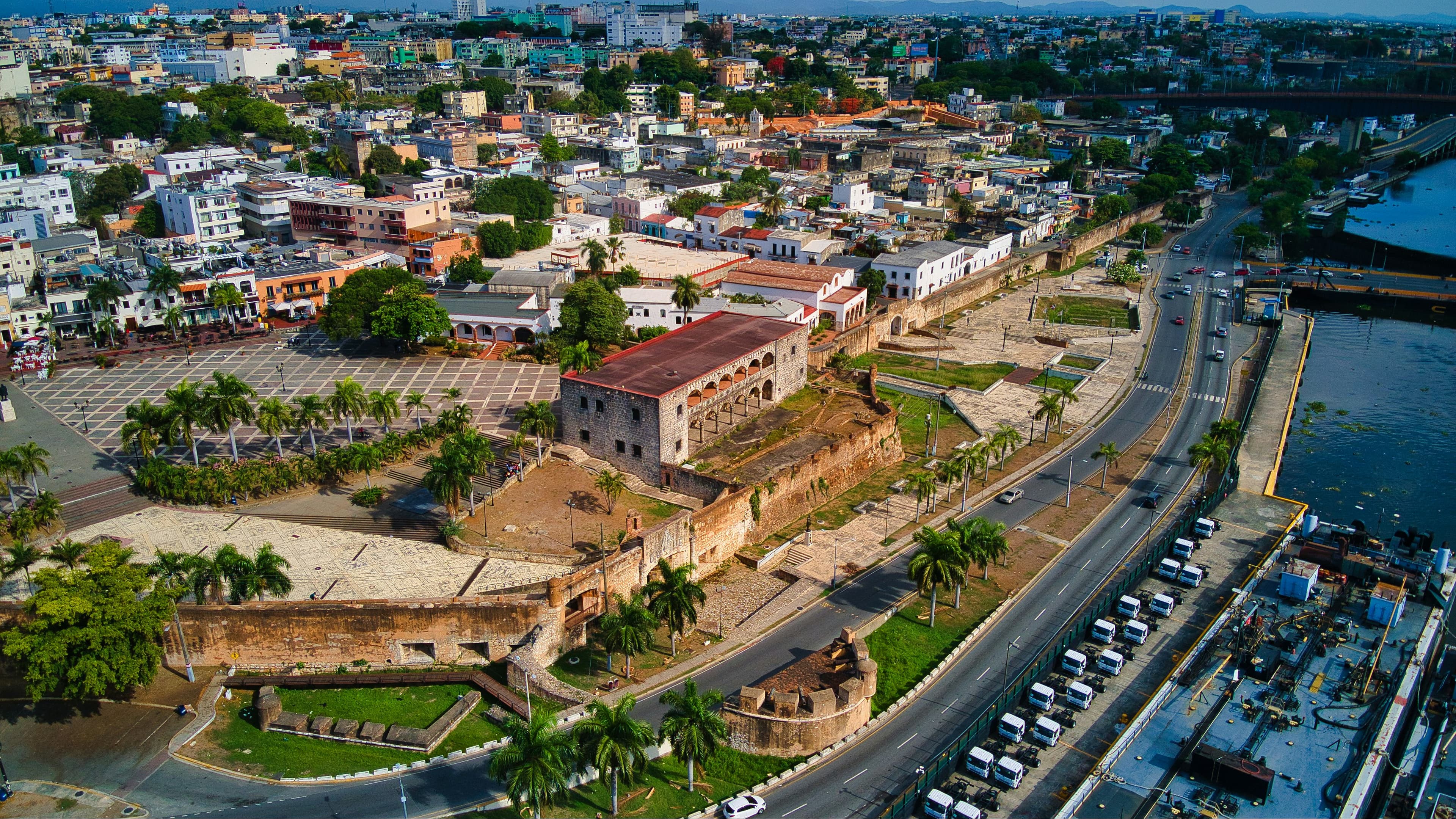
The Colonial Zone earned UNESCO World Heritage status in 1990 and packs an outsized list of firsts into a few walkable blocks. The Catedral Primada de America, facing Parque Colon, is the oldest cathedral in the Americas. Calle Las Damas, the oldest paved street in the New World, runs past the Alcazar de Colon, the fortified palace built for Diego Columbus. At the river's edge stands Fortaleza Ozama, raised between 1502 and 1508 and considered the oldest surviving military fortress in the Americas. Budget four to six hours on foot, or a full day with the museums.
Beyond the colonial core, Santo Domingo works as a real city rather than a resort backdrop. El Malecon, the seafront boulevard running for kilometers along the Caribbean, fills with runners by day and restaurant and club crowds after dark. Parque Mirador del Sur, a green corridor of about six kilometers, has bike and skate lanes; shaded limestone caves along it serve as informal weekend bars. Mercado Modelo, the city's largest market, sells cigars, amber, larimar jewelry, and Carnival masks. These areas give the capital a rhythm distinct from the all-inclusive coast, built on public space that Dominicans themselves use.
Most arrivals land at Las Americas International Airport (SDQ), roughly 25 kilometers east of downtown and about 30 to 45 minutes away by taxi depending on traffic. From there the Colonial Zone, the Malecon, and the Zona Universitaria are reachable within the same afternoon. A long weekend is enough to walk the historic center and work through the capital's restaurant scene, from Pat'e Palo and Meson de Bari in the Colonial Zone to Jalao for modern Dominican cooking. Travelers building a longer Dominican Republic itinerary use the capital as their historical anchor before moving on to beach time elsewhere on the island.
Santo Domingo is the oldest European-founded city in the Americas — and it wears its 500+ years of history proudly. The Zona Colonial (Colonial Zone) is a UNESCO World Heritage Site where you can walk cobblestone streets that Columbus, his son Diego, and generations of Spanish colonists walked before you.
But Santo Domingo is far more than a museum. It's a living, breathing metropolis of 3+ million people with world-class restaurants, vibrant nightlife, major shopping malls, Caribbean art galleries, and a music scene that pumps merengue, bachata, and dembow into the tropical night air.
The Malecón — the oceanfront boulevard — stretches for kilometers along the Caribbean coast, dotted with monuments, restaurants, and the social energy of a city that knows how to have fun. Santo Domingo is where Dominican culture is created, refined, and celebrated.
Weather by month
Warm all year. Each bar's height is that month's average daily high, so the chart rises toward the warm summer; teal marks the drier months with the most reliable beach weather. Temperatures show in °F by default; switch to °C with the toggle.
Best time to visit: Jan, Feb, Mar, Apr, Jul, Nov, Dec. These months bring the most sun and the fewest rainy days; May, Jun, Aug, Sep, Oct are the wettest.
Sample itineraries
Practical information
Photo gallery
Facts on this page were last compared with their sources on . Details may have changed since. How we check
Top attractions
Events & festivals
Activities & experiences
Parks & nature
Where to eat
Where to stay
Casas del XVI
★★★★★Boutique hotel consisting of restored 16th-century colonial houses with luxury amenities and personalized butler service.
JW Marriott Santo Domingo
★★★★★Modern luxury hotel with rooftop infinity pool and upscale dining, connected to the Blue Mall.
Hodelpa Nicolás de Ovando
★★★★Historic hotel housed in the former mansion of the city's founder, with colonial architecture and modern amenities.
Santo Domingo questions
What is Los Tres Ojos?
+
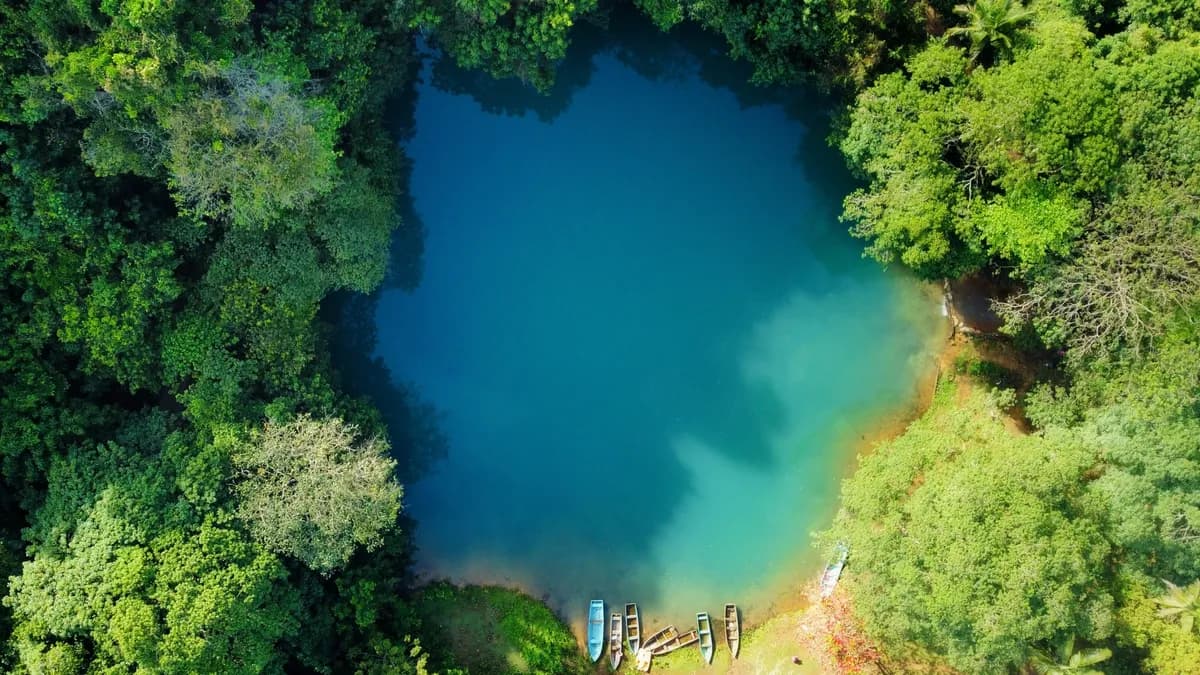
A cave system with three (actually four) underground lakes of different colors — iridescent blue. Located in the eastern part of the city, it's a 30-minute taxi ride from the Zona Colonial. Entrance RD$200. The boat ride across the third lake is worth the extra cost.
What's the Metro like?
+
Clean, air-conditioned, efficient, and cheap (RD$20 per ride). Two lines serve the city — useful for getting across town quickly. Trains run every 5-10 minutes during peak hours. It doesn't reach the Zona Colonial directly, but complements Uber for longer trips.
Where should I eat in the Zona Colonial?
+
La Cafetera Colonial for authentic Dominican breakfast, Pat'e Palo for upscale dining in a historic building, Mesón de Bari for traditional Dominican fare, and the food stalls at Mercado Modelo for cheap, authentic meals. The restaurant scene is the best in the Caribbean.
Can I combine Santo Domingo with beach time?
+
Absolutely. Boca Chica beach is 30 minutes east, Juan Dolio is 45 minutes. Many visitors stay in the Zona Colonial for culture and take day trips to the beach, or reverse — stay at the beach and visit Santo Domingo for a day of history.
Is the Zona Colonial safe to walk around?
+
Yes, the Zona Colonial is generally safe during the day with tourist police patrols. At night, stick to main streets like Calle El Conde, Calle Hostos, and the lit areas around the cathedral. Use normal urban precautions and Uber for transport after dark.
How many days do I need in Santo Domingo?
+
Minimum 2 days: Day 1 for the Zona Colonial (cathedral, Alcázar, Fortaleza Ozama, Calle El Conde), Day 2 for the Malecón, museums, and Los Tres Ojos. Add a third day for Boca Chica beach and the Botanical Garden.
What are the must-see attractions in Santo Domingo?
+
The Colonial Zone (Zona Colonial) is a UNESCO World Heritage site and the main attraction with its historic buildings. Must-sees include Alcázar de Colón, the Cathedral of Santa María la Menor (First Cathedral of America), Calle El Conde, Plaza de España, and the National Pantheon. Also visit the Columbus Lighthouse (Faro a Colón) and Los Tres Ojos National Park.
Is Santo Domingo safe for tourists?
+
The main tourist areas of Santo Domingo, especially the Colonial Zone, are generally safe and have police presence. As in any large city, visitors should take standard precautions: avoid displaying valuables, use licensed taxis or ride-sharing apps, and be vigilant at night. It's advisable to stay in tourist areas, particularly after dark.
What is the best way to get around Santo Domingo?
+
For short distances within the Colonial Zone, walking is best as the area is compact and pedestrian-friendly. For longer distances, Uber is widely available and convenient. Official taxis are also an option, but negotiate fares before departure. The Santo Domingo Metro is clean and efficient for locations along its route. Public buses (guaguas) are inexpensive but can be confusing for tourists and are often crowded.
Keep reading
Travel Guides
Helpful guides for planning your trip to Santo Domingo
 First Time Visitors
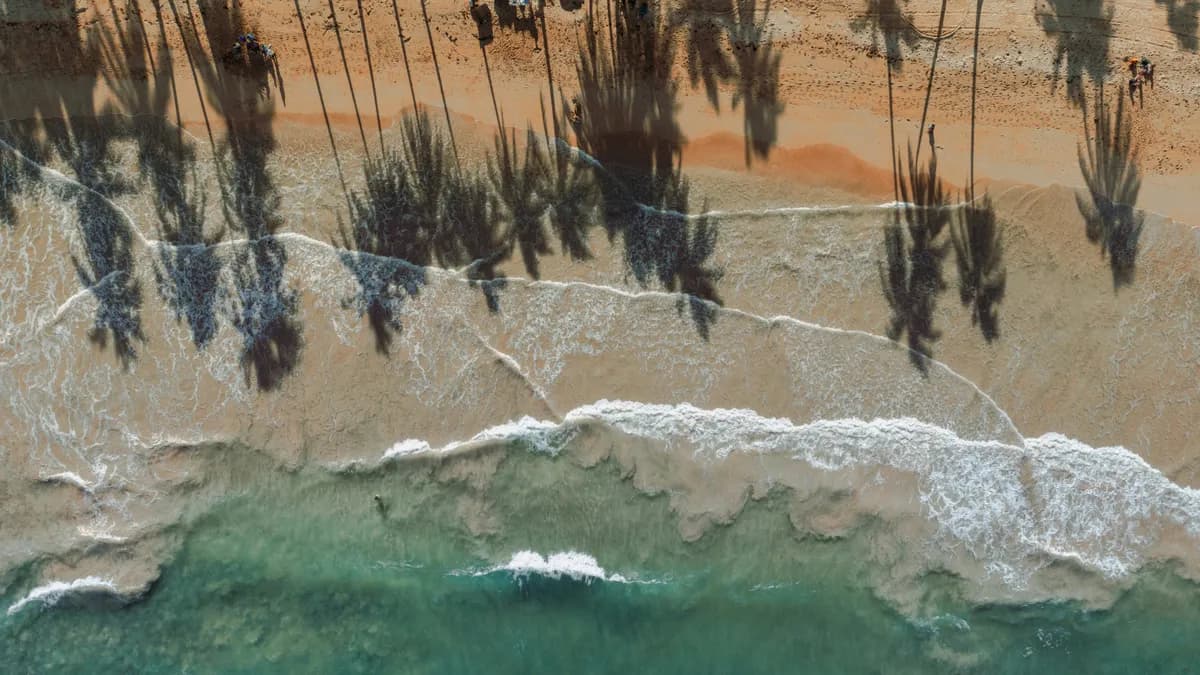
First-Time Visitor's Guide to the Dominican Republic
Everything you need to know before your first trip to the Dominican Republic, from visas and currency to cultural tips and must-see destinations.
7-Day Dominican Republic Itinerary: Santo Domingo to Samaná
A tested day-by-day itinerary covering Santo Domingo, Samaná, and Punta Cana in one week. Transport logistics, hotel picks, daily budgets, and insider tips.
 Luxury Romance
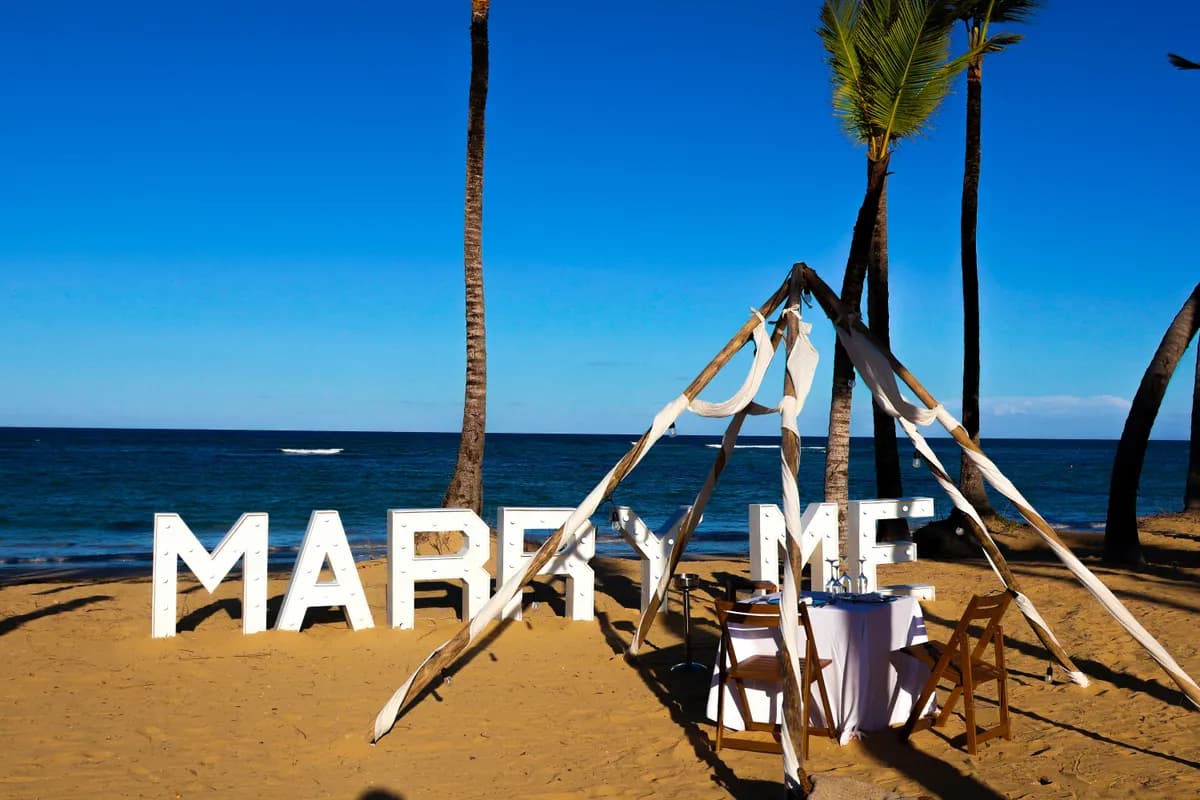
Dominican Republic Destination Wedding Guide
Dominican Republic destination wedding guide covering legal requirements, venue pricing, and a 12-month planning timeline from real vendors.
Is the Dominican Republic Safe? An Honest 2026 Safety Guide
Is the Dominican Republic safe to visit. An honest area-by-area breakdown with crime stats, CESTUR contacts, and resort versus independent travel risk.
Dominican Food Guide: What and Where to Eat
What Dominicans actually eat: la bandera, mangu, sancocho, mofongo, street food, seafood by coast, and where to find the best plato del dia.
 Practical Tips
Best Time to Visit the Dominican Republic
Weather, prices, crowd levels, and events for every month. Find the perfect travel window with our honest month-by-month breakdown for the Dominican Republic.
Keep exploring
Nearby Destinations
Explore more places near Santo Domingo