San Cristóbal
San Cristóbal pairs the Caribbean's largest trove of Taíno rock art, in the Pomier caves, with the tangled legacy of Rafael Trujillo, the dictator born here in 1891, all roughly 30 km west of Santo Domingo on the DR-2.
San Cristóbal
San Cristóbal pairs the Caribbean's largest trove of Taíno rock art, in the Pomier caves, with the tangled legacy of Rafael Trujillo, the dictator born here in 1891, all roughly 30 km west of Santo Domingo on the DR-2.
San Cristóbal is the capital of its namesake province in the South, a working city of about 278,000 people (2022 census) set in a valley between the Nigua and Nizao rivers. It sits roughly 30 km west of Santo Domingo on the DR-2, close enough for a half-day trip but, as the fifth-largest city in the country, worth a full day. It suits travelers who want Dominican history and archaeology without a resort backdrop: day-trippers based in Santo Domingo, road-trippers working the South coast, and anyone curious about the country's 20th-century dictatorship.
The single biggest reason to come is the Pomier Caves (Cuevas del Pomier), a network of 55 caves about 7 km north of the city holding the largest collection of pre-Columbian rock art in the Caribbean: thousands of pictographs and petroglyphs, some roughly 2,000 years old, left by the Taíno and Igneri peoples. British consul Robert Schomburgk is credited with documenting them around 1849, and they have been in the national protected-areas system since 1993. The caves are undergoing restoration; confirm reopening before visiting, and the easiest has a paved, lit path.
The rest of the city's identity ties to two very different histories. On November 6, 1844, the Dominican Republic's first Constitution was promulgated here, earning the nickname Cuna de la Constitución, cradle of the Constitution. In 1891 San Cristóbal became the birthplace of Rafael Trujillo, whose long dictatorship left visible marks: the Cathedral of Our Lady of Consolation, which he commissioned in 1949 as an intended family mausoleum; the Piedras Vivas park, built from stone gathered across the country; and Casa de Caoba, his mahogany-furnished country house. Trujillo was driving the road toward San Cristóbal on May 30, 1961, when he was assassinated.
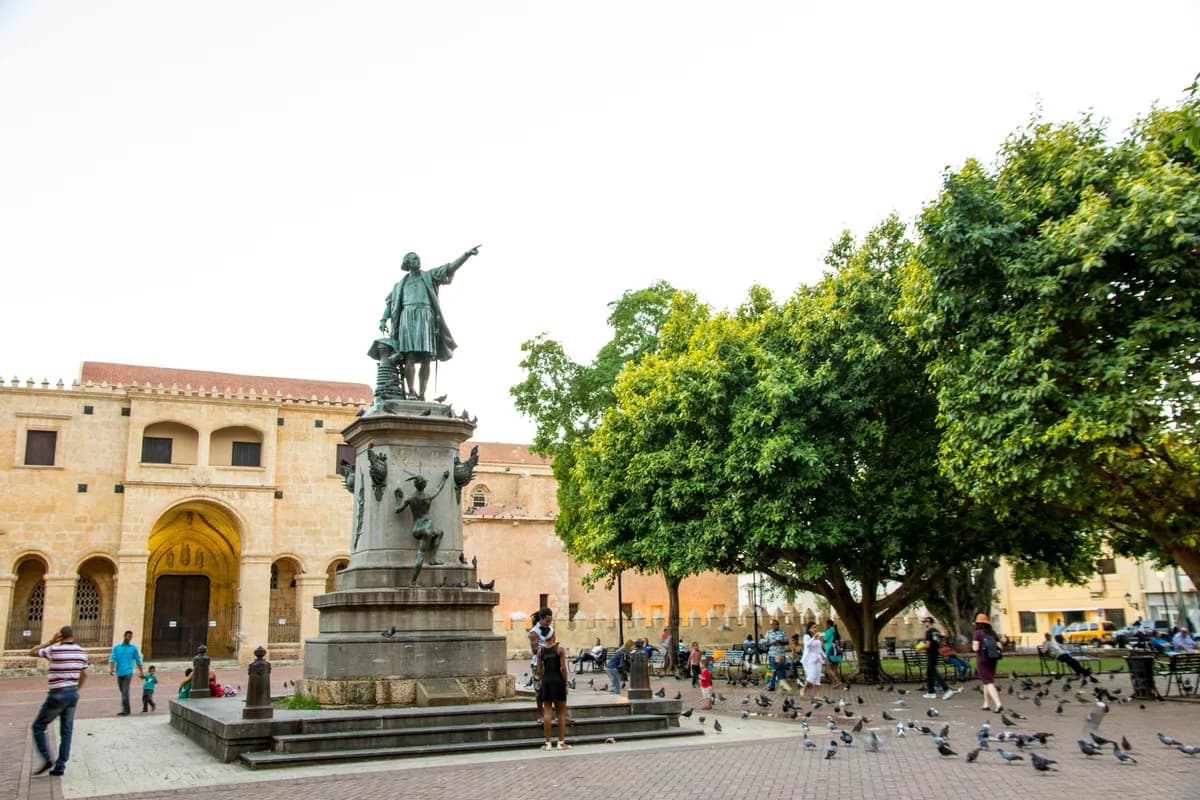
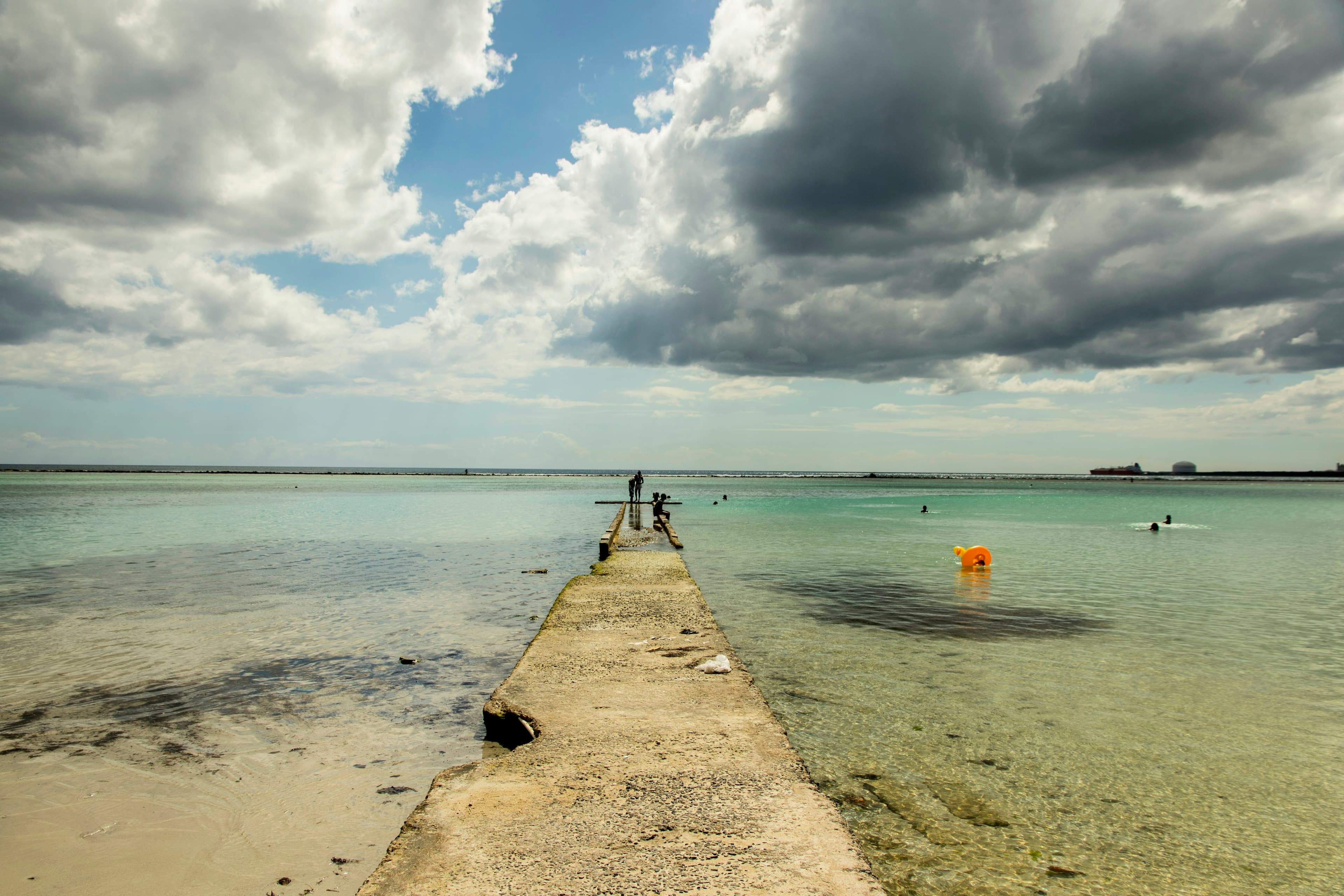
The central park, designed by Italian architect Alfredo Scaroina and inaugurated in 1935, shows the city as Dominicans actually use it. On the coast, Najayo is a close beach to the capital and fills with capitalinos on weekends: dark sand, calmer water, shack restaurants doing fried fish and cold Presidente. Further along, Palenque keeps a similarly local, family-first feel.
San Cristóbal works best as a focused day trip: caves in the morning, lunch and a swim at Najayo or Palenque, adding the cathedral and Casa de Caoba if history is the draw. It pairs with other South-coast stops in our itineraries and beaches guides, and the city has a scatter of restaurants serving straightforward Dominican food. Renting a car or arranging a driver from Santo Domingo is simplest; public guaguas run the route but add time.
San Cristóbal holds the key to some of the Caribbean's most extraordinary pre-Columbian art. Hidden in the limestone hills above the city, the El Pomier caves shelter the largest collection of Taíno petroglyphs and pictographs in the entire Caribbean — thousands of drawings and carvings that date back centuries before Columbus arrived. These caves, recognized as a UNESCO tentative World Heritage Site, are a profound encounter with the indigenous people who first called this island home.
The city itself carries deep historical weight in Dominican national identity. It was here that the country's first constitution was signed in 1844, earning San Cristóbal the nickname "La Cuna de la Constitución" — the Cradle of the Constitution. It was also a stronghold of the dictator Rafael Trujillo, who was born here and built grandiose structures including the Castillo del Cerro, a hilltop palace that stands as an eerie monument to his authoritarian rule.
Beyond the historical sites, San Cristóbal offers an appealing mix of natural attractions that most tourists never discover. La Toma, a crystal-clear river balneario (swimming hole) at the edge of town, is where capitalinos escape the Santo Domingo heat on weekends. Playa Najayo, on the coast south of San Cristóbal, draws crowds of Dominican families. And the mountains above the city hide waterfalls and lush valleys that reward those willing to explore. San Cristóbal is a gateway to authentic Dominican life just minutes from the sprawl of the capital.
Weather by month
Warm all year. Each bar's height is that month's average daily high, so the chart rises toward the warm summer; teal marks the drier months with the most reliable beach weather. Temperatures show in °F by default; switch to °C with the toggle.
Best time to visit: Jan, Feb, Mar, Apr, Jul, Nov, Dec. These months bring the most sun and the fewest rainy days; May, Jun, Aug, Sep, Oct are the wettest.
Sample itineraries
Practical information
Beaches here
Playa Najayo
Playa Najayo is a favorite weekend escape for residents of Santo Domingo, located just an hour from the capital. Its dark volcanic sand, lively seafood restaurants, and animated atmosphere make it one of the liveliest local beaches on the south coast.
Playa Palenque
Playa Palenque is a secluded beach south of San Cristóbal, prized for its calm turquoise waters, coconut palm groves, and a peaceful atmosphere that contrasts sharply with the busier beaches nearby.
San Cristóbal questions
What are the El Pomier caves?
+
The Cuevas de El Pomier (also called Cuevas de Borbon) are a system of 55 caves containing over 6,000 Taino petroglyphs and pictographs, making it the largest collection of pre-Columbian cave art in the Caribbean. Only a few caves are open to guided tours. Admission is around RD$100-200 (US$1.75-3.50) with a required guide. The caves are about 10 km north of San Cristobal.
Can I visit Najayo Beach?
+
Playa Najayo is a local beach about 10 km south of San Cristobal. It has dark sand, a lively atmosphere on weekends with music and food vendors, and calm water for swimming. It is not a resort beach but offers an authentic Dominican beach experience. Chair rentals cost around RD$100 (US$1.75) and fresh fish plates are RD$400-600 (US$7-10).
How far is San Cristobal from Santo Domingo?
+
San Cristobal is only about 30 km (30-40 minutes) west of Santo Domingo, making it one of the closest day-trip destinations from the capital. Guaguas run frequently from the Pintura area in Santo Domingo for about RD$100 (US$1.75). A taxi costs approximately RD$2,000 (US$35).
How many days should I spend in San Cristobal?
+
One full day is enough to see the highlights: El Pomier caves in the morning, La Toma for a swim at midday, and Najayo Beach in the afternoon. If you are deeply interested in Taino art or Dominican history, consider two days. Most visitors come as a day trip from Santo Domingo.
What is La Toma?
+
La Toma is a popular natural swimming area fed by spring water that later flows into the Nigua River. It is a favorite weekend spot for locals from San Cristobal and Santo Domingo. It gets very crowded on Sundays and holidays. Food vendors sell fried chicken and cold drinks. Located about 5 km north of San Cristobal center.
What is the historical significance of San Cristobal?
+
San Cristobal is known as the "Cradle of the Constitution" because the first Dominican constitution was signed here in 1844. It was also the hometown of dictator Rafael Trujillo, and you can see the Castillo del Cerro, built as his residence and now used for penitentiary training, on a hilltop above the city. The city has several historic churches and a colonial-era feel in its center.
Keep exploring
Nearby Destinations
Explore more places near San Cristóbal