Where to base your Dominican trip
43 destinations across the Dominican Republic, from the resort coast of Punta Cana to the colonial streets of Santo Domingo and the green ridges of Jarabacoa. Compare the regions, then plan around the one that fits your trip.
Find Your Place
Discover Dominican Republic
Explore our interactive map to find the perfect destination for your next adventure.
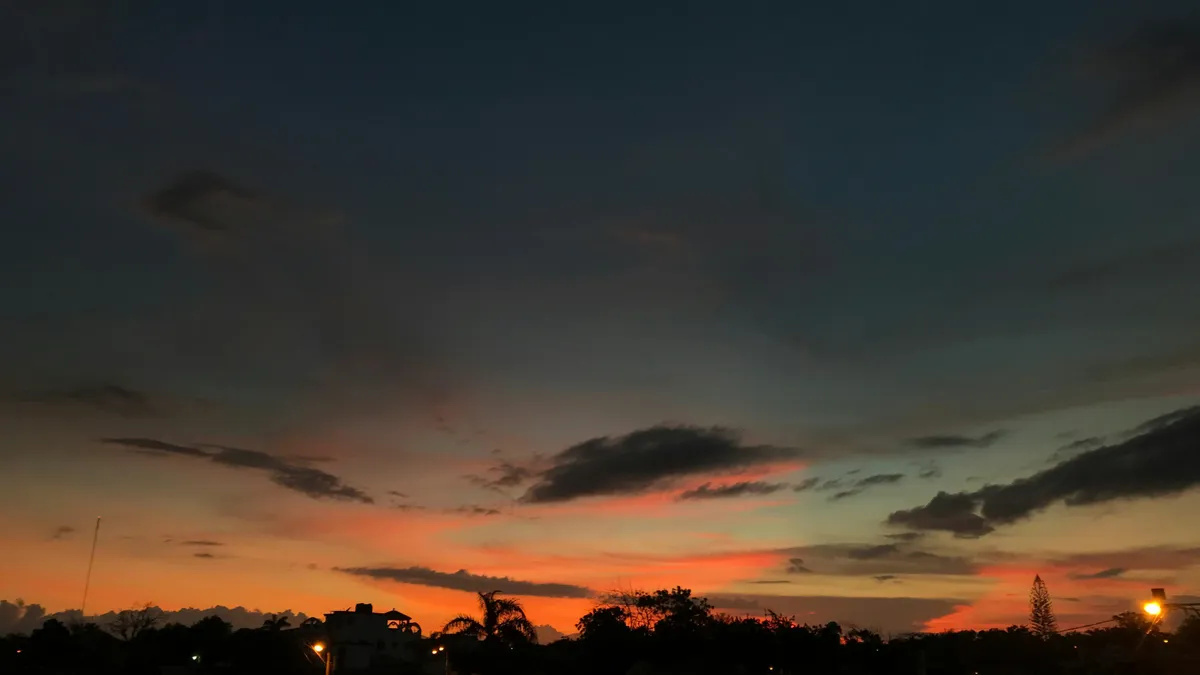
Azua
One of the New World's first Spanish towns and site of the first Dominican victory in the 1844 war of independence, Azua sits inland where the humid capital region gives way to the dry, cactus-studded southwest.
Explore destination →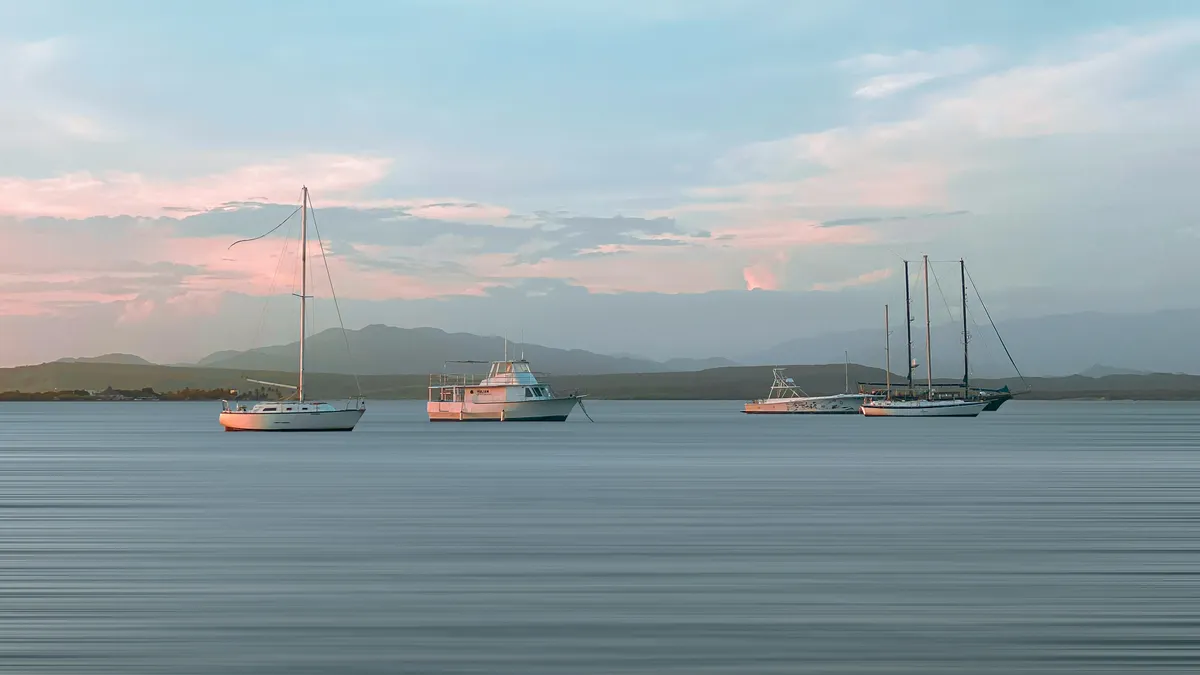
Baní
Baní pairs the Caribbean's tallest sand dunes with pink salt flats and steady trade winds, about an hour and a half from Santo Domingo. Add Valdesia coffee hills, a June mango fair, and a quiet colonial core, and the South's most underrated stop takes shape.
Explore destination →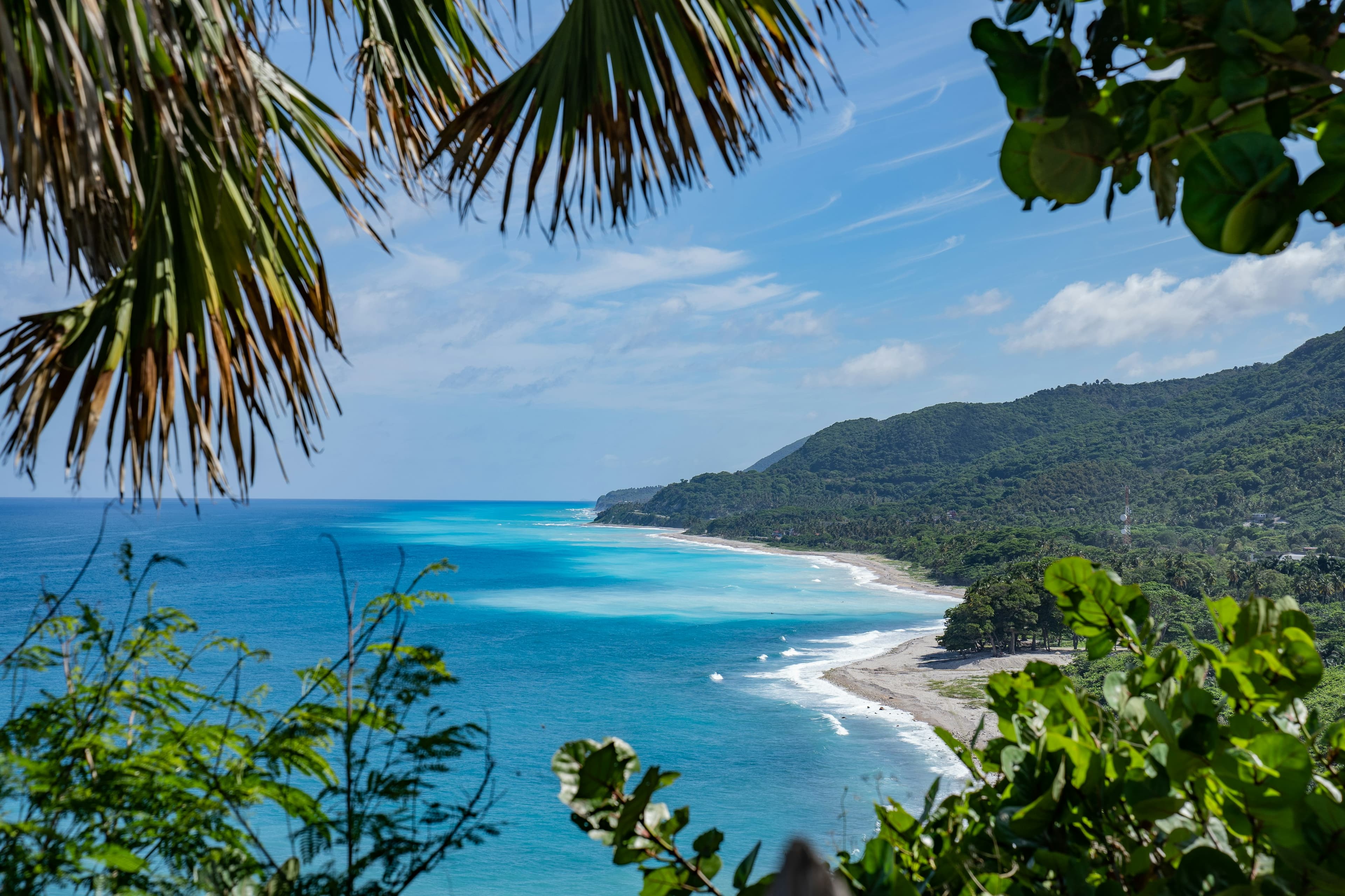
Barahona
Barahona pairs a rugged Caribbean coastline with the Sierra de Bahoruco's cloud forests, Lake Enriquillo's crocodiles, and the world's only larimar mine. It is southwest Dominican Republic's answer to eco-tourism and slow, self-driven exploring.
Explore destination →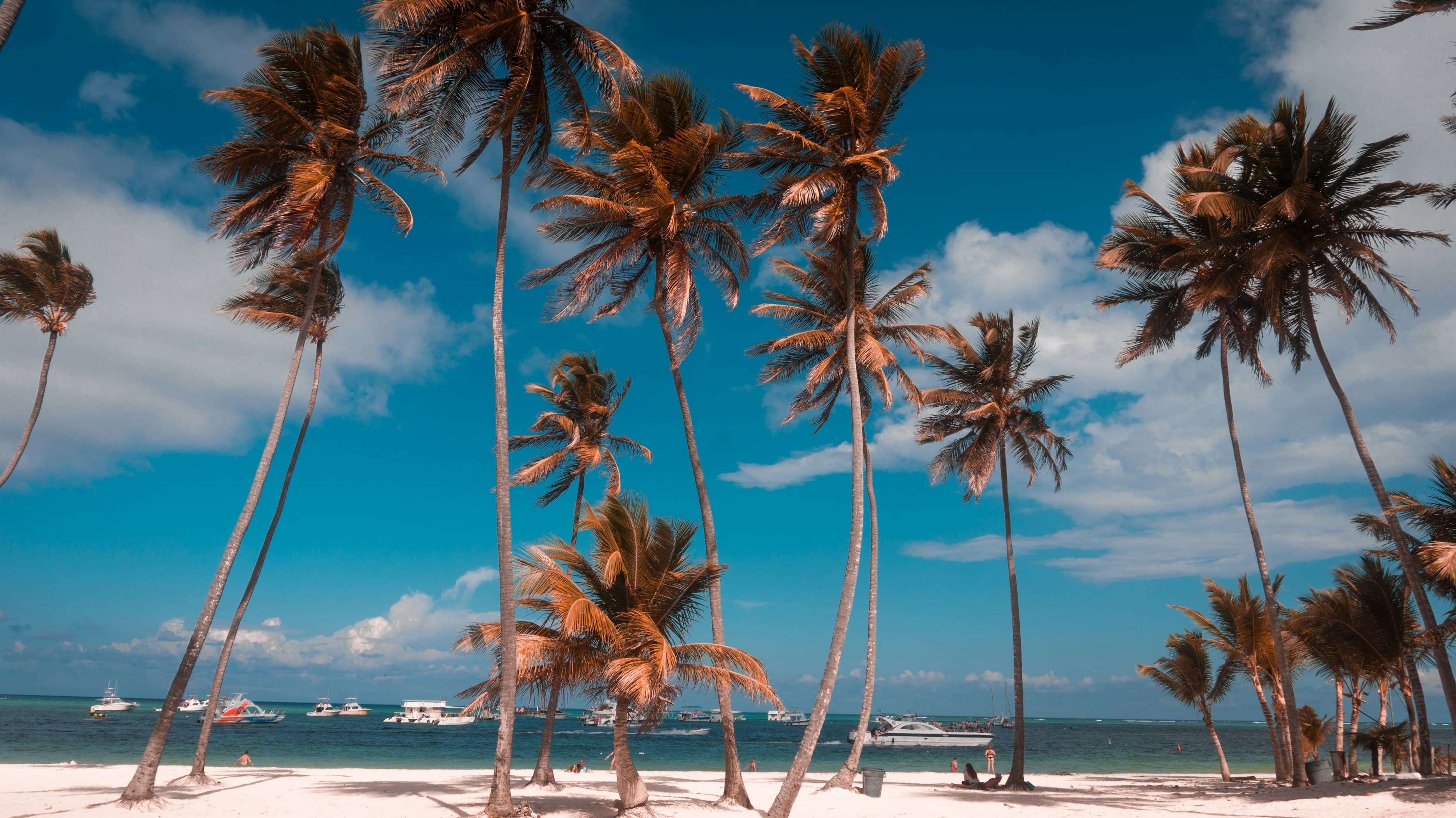
Bavaro
Bavaro is the resort core of Punta Cana in La Altagracia province: a hotel strip running up the Atlantic Coconut Coast, about 20 minutes from Punta Cana International Airport and best combined with a day trip to quieter sand up the coast.
Explore destination →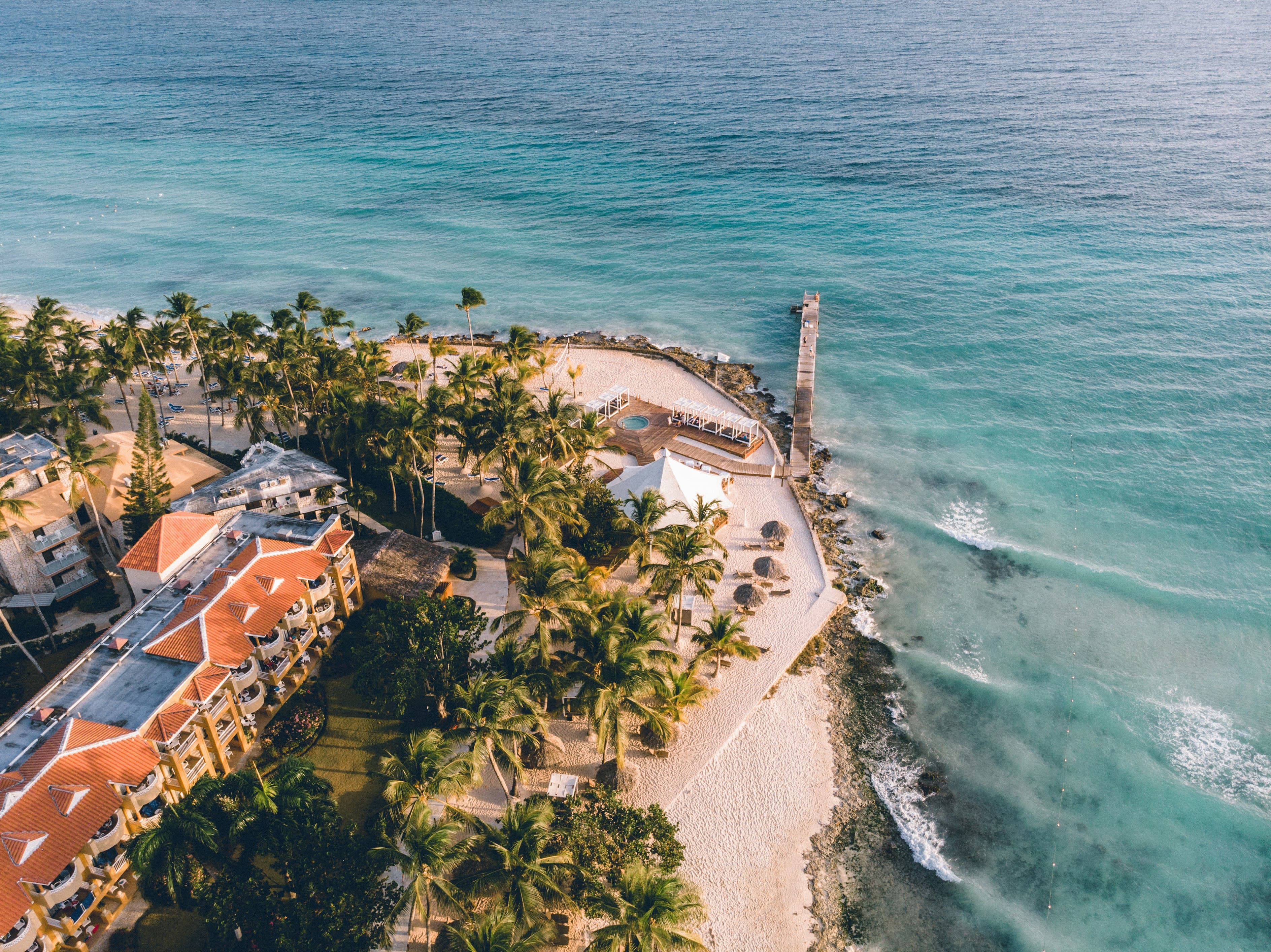
Bayahibe
Bayahibe is a former fishing village on the southeast coast that now serves as the launch point for Saona Island and Cotubanama National Park, with wreck diving, a working harbor, and easy access from La Romana and Punta Cana airports.
Explore destination →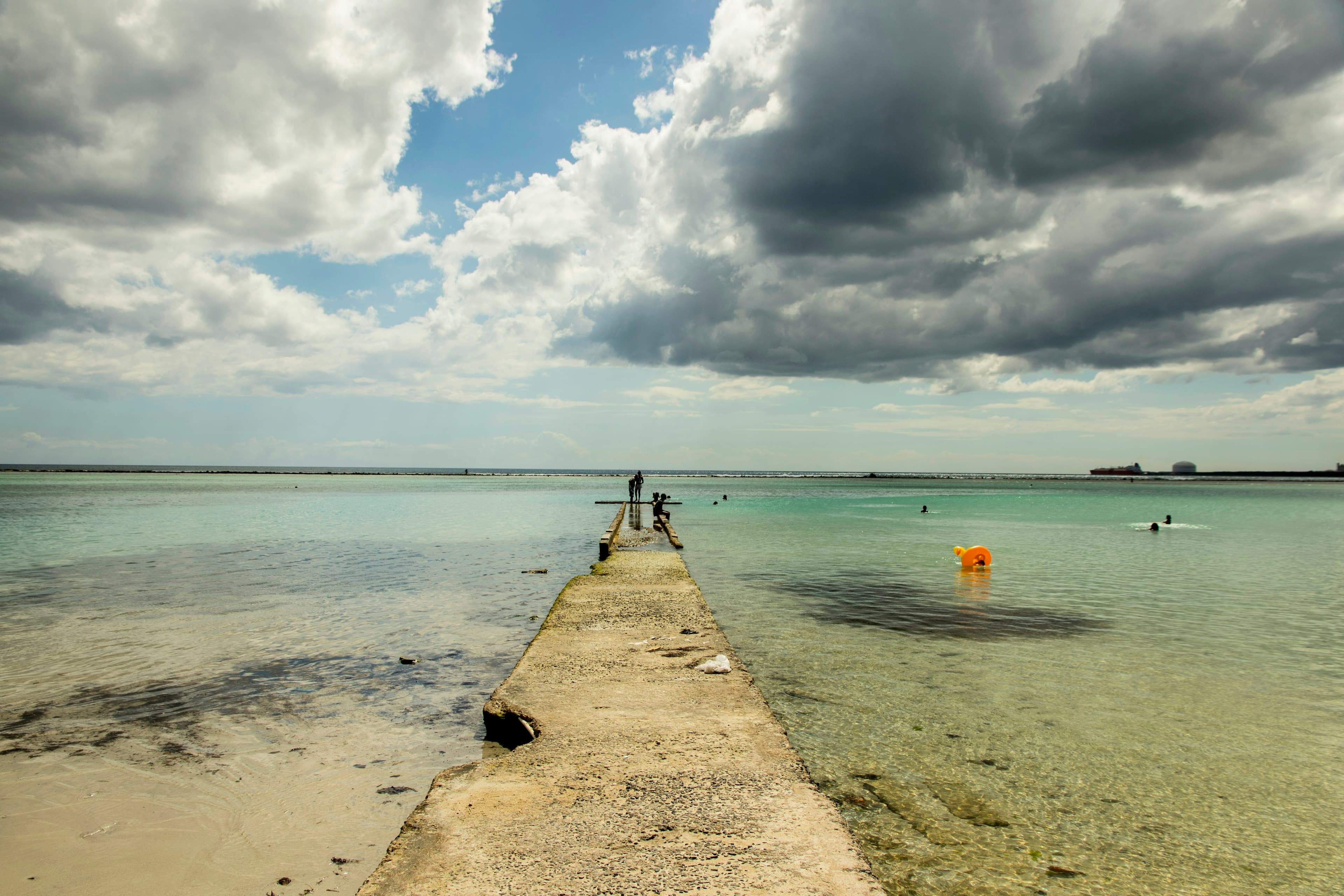
Boca Chica
A reef-sheltered lagoon east of Santo Domingo, waist-deep for hundreds of meters and about 10 minutes from the international airport. Locals call it the biggest swimming pool in the Caribbean, and it is the most crowded beach in the Dominican Republic, and one of the easiest to reach.
Explore destination →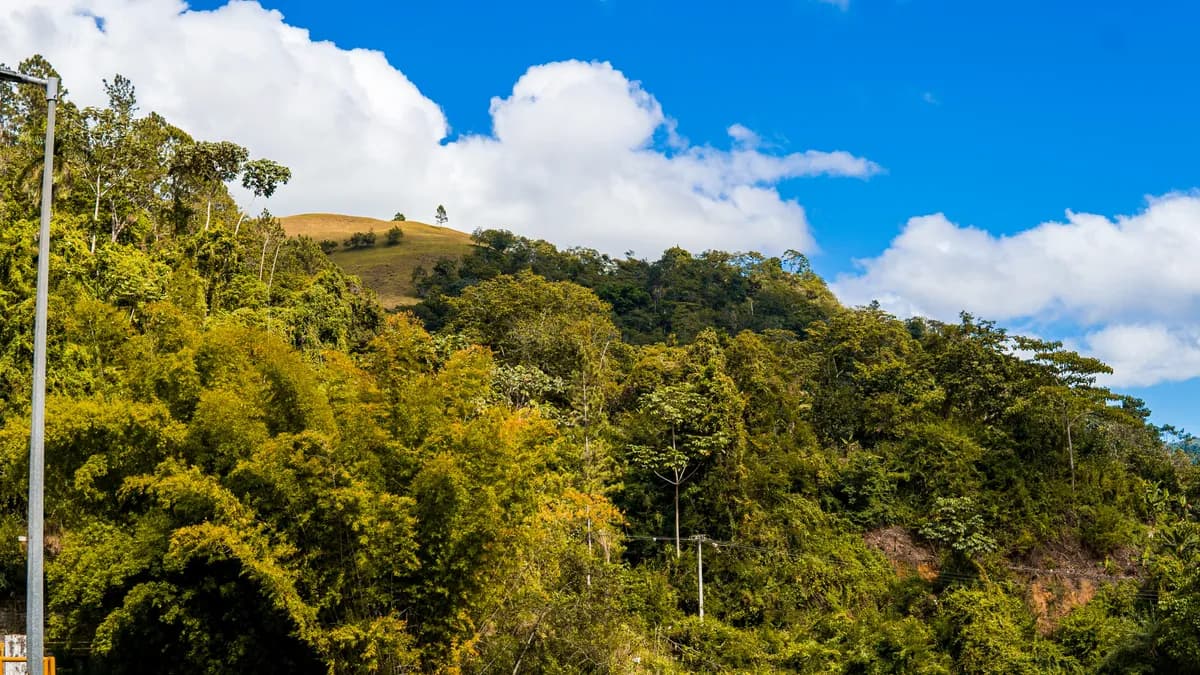
Bonao
Bonao is a mountain city in the Dominican Republic's Central Highlands, known for the Saltos de Jima waterfalls, the museum of painter Cándido Bidó, and the Falcondo ferronickel operation. A practical detour on the Santo Domingo to Santiago highway.
Explore destination →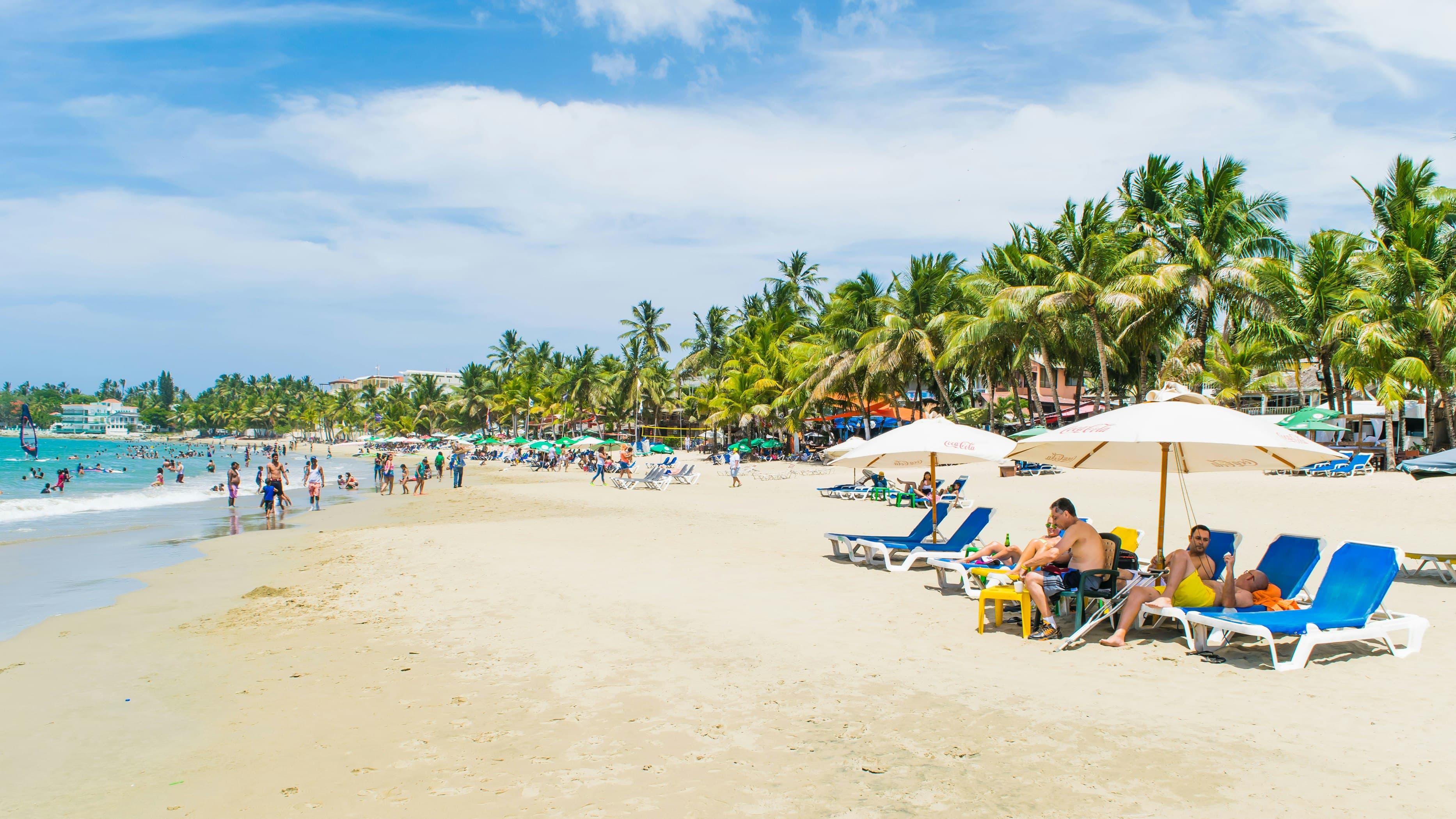
Cabarete
Cabarete is the Dominican Republic's watersports capital, a north-coast beach town where reliable trade winds, a reef-protected bay, and a beachfront strip of kite schools and open-air restaurants draw surfers, kitesurfers, and windsurfers of every level year-round.
Explore destination →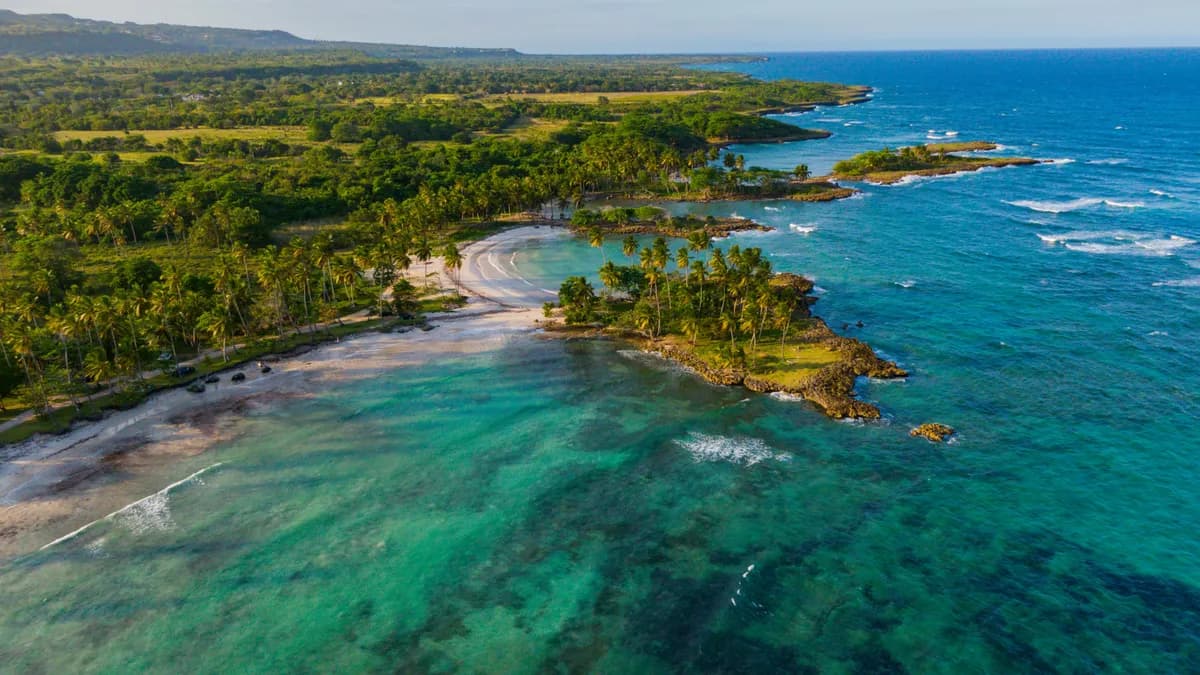
Cabrera
Cliff-lined fishing town on the far eastern end of the north coast, where a freshwater cenote, a cove reached by about 100 rock-cut steps, and a protected headland sit minutes apart, still mostly free of resort crowds.
Explore destination →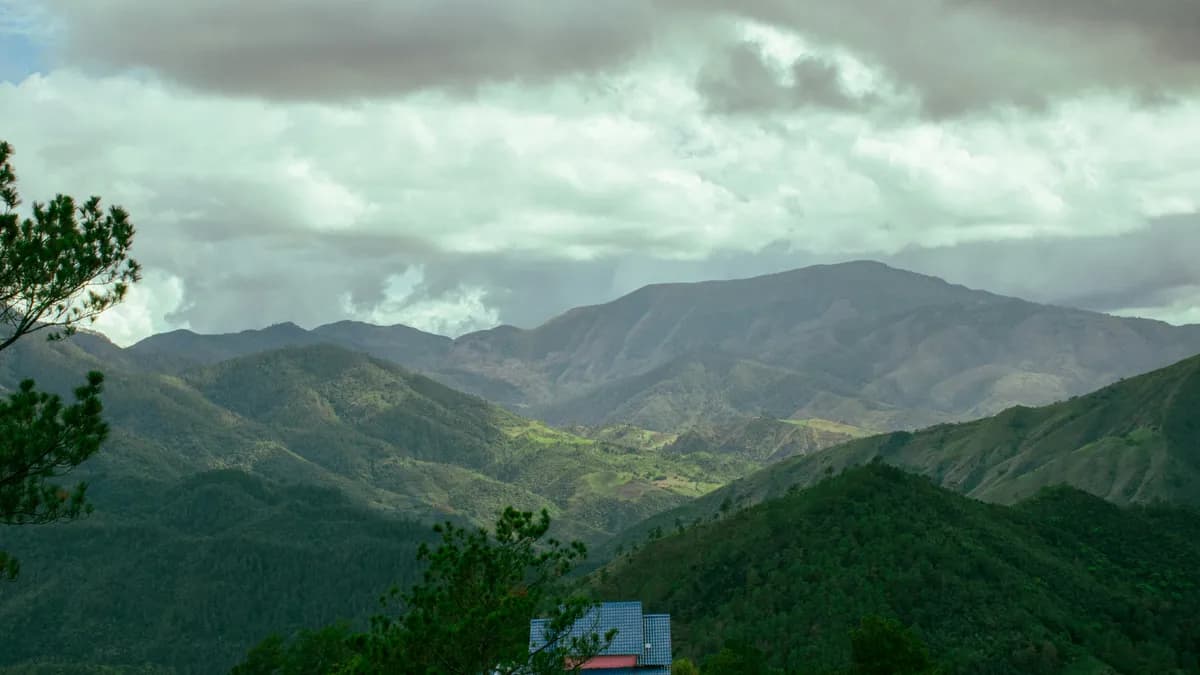
Constanza
Constanza is the Dominican Republic's highest and coolest town, a farming valley in the Cordillera Central where strawberries, flowers, and vegetables replace the coast's palm trees, and pine-forested peaks replace the beach.
Explore destination →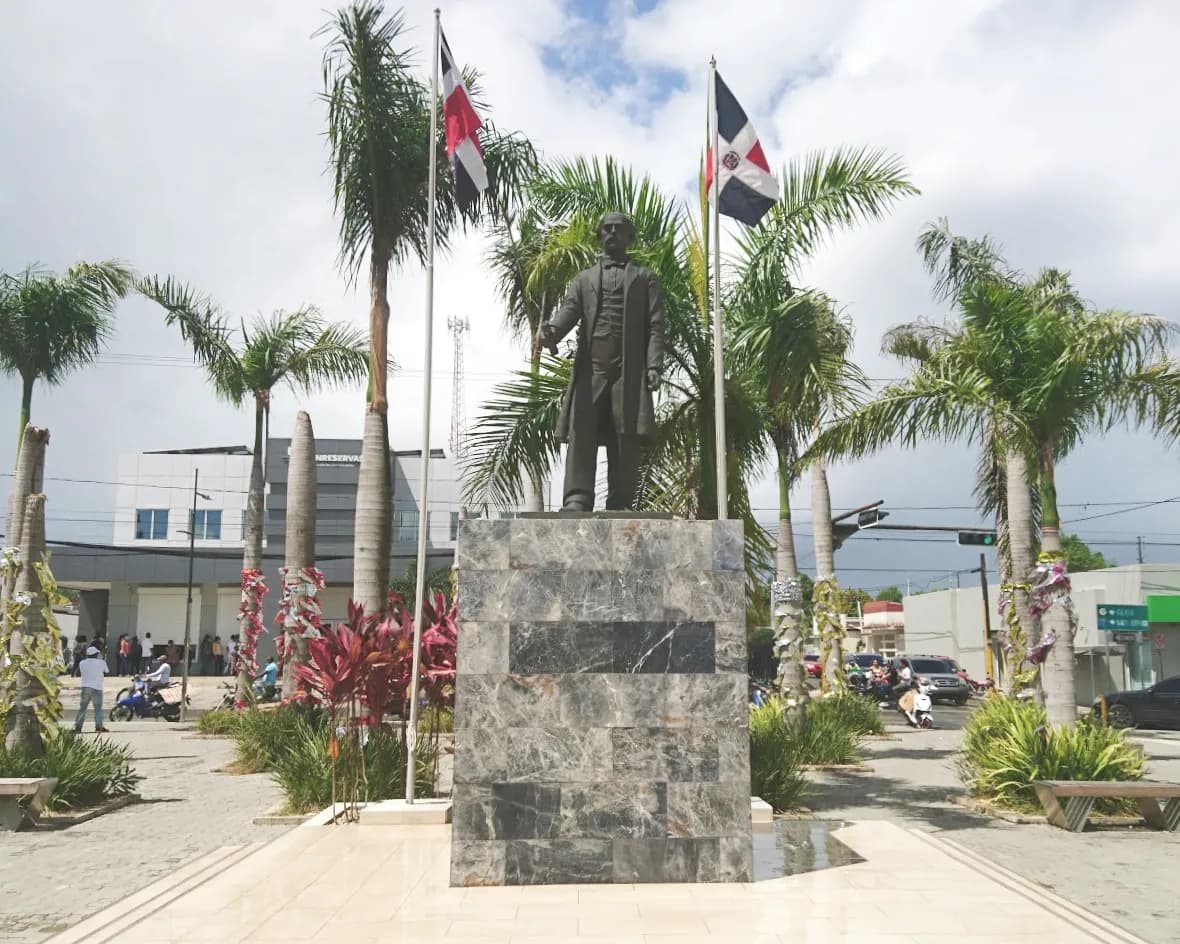
Cotuí
Sánchez Ramírez's provincial capital and one of the New World's oldest gold-mining towns, Cotuí pairs a working Barrick-Newmont mega-mine with the Caribbean's largest freshwater lake, Presa de Hatillo, for fishing, boating, and quiet Cibao scenery.
Explore destination →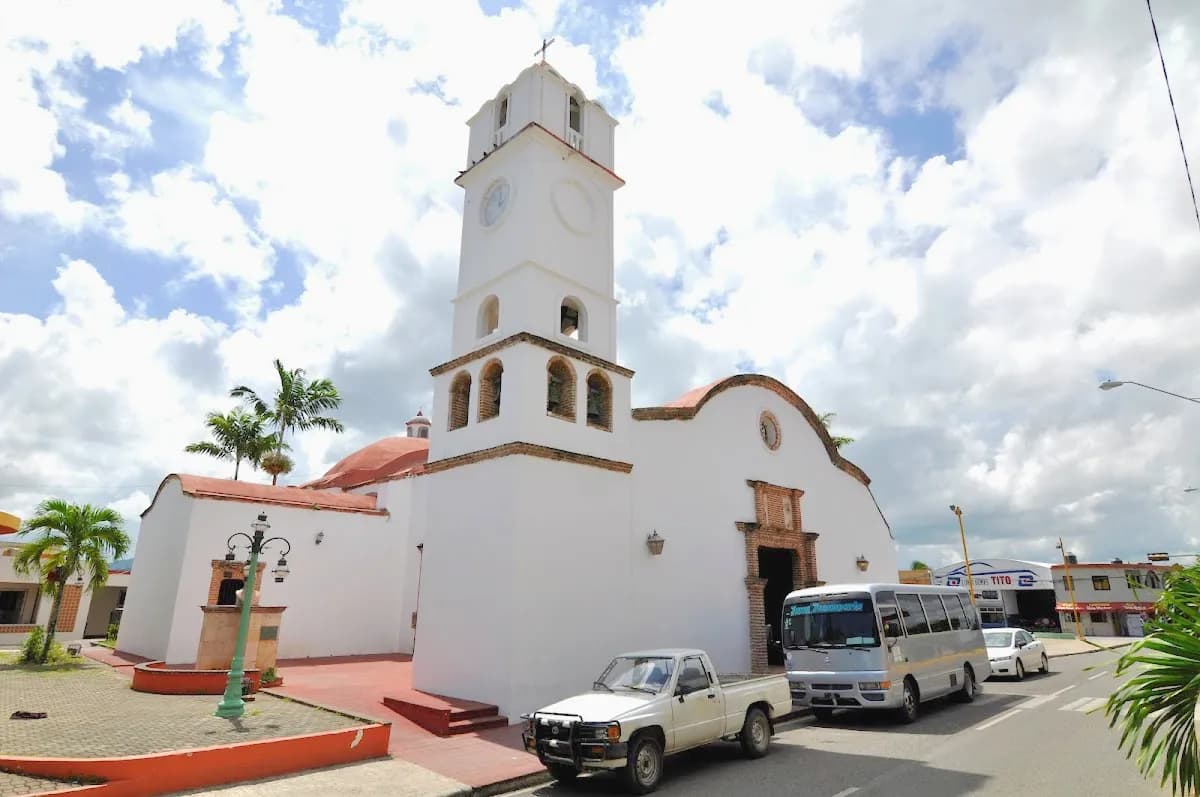
El Seibo
El Seibo pairs a colonial-era ranching town with the coastal boomtown of Miches, where the Cordillera Oriental meets cacao farms, cattle country, mangrove-lined caves, and a beach frontier that resort brands only started building on in earnest last decade.
Explore destination →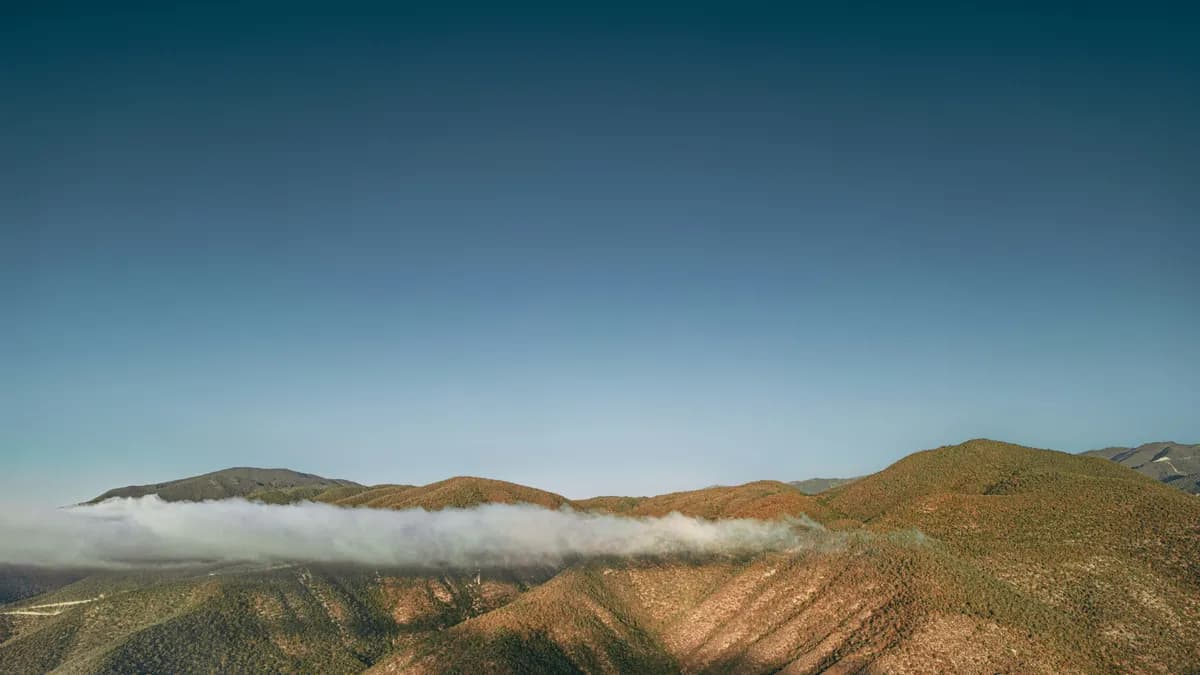
Enriquillo
A quiet fishing town on Barahona's cliffside coastal highway in the southwest Dominican Republic, backed by the Sierra de Bahoruco and fronting the Caribbean. Two little-visited beaches, a scenic drive in, and the road onward toward Pedernales make it an honest overnight stop, not a resort.
Explore destination →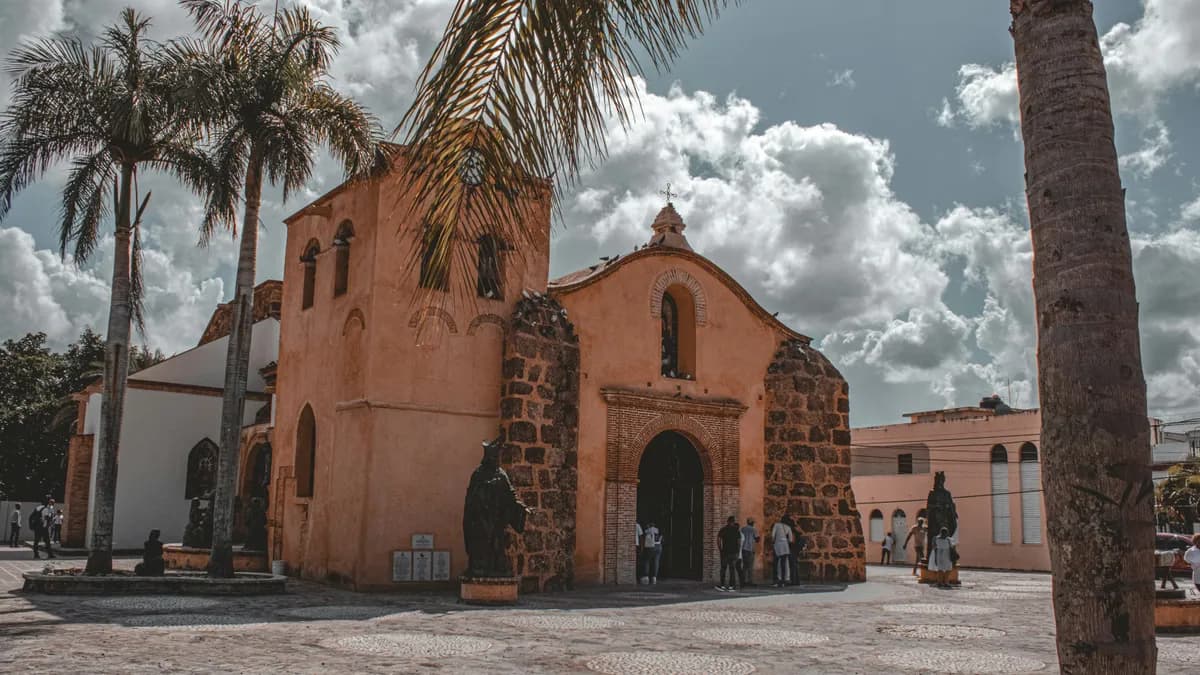
Higüey
Higüey is the spiritual capital of the Dominican Republic: an inland provincial city built around the Basílica de la Altagracia, 44 km from Punta Cana's airport and the working counterpart to the coast's resort strip.
Explore destination →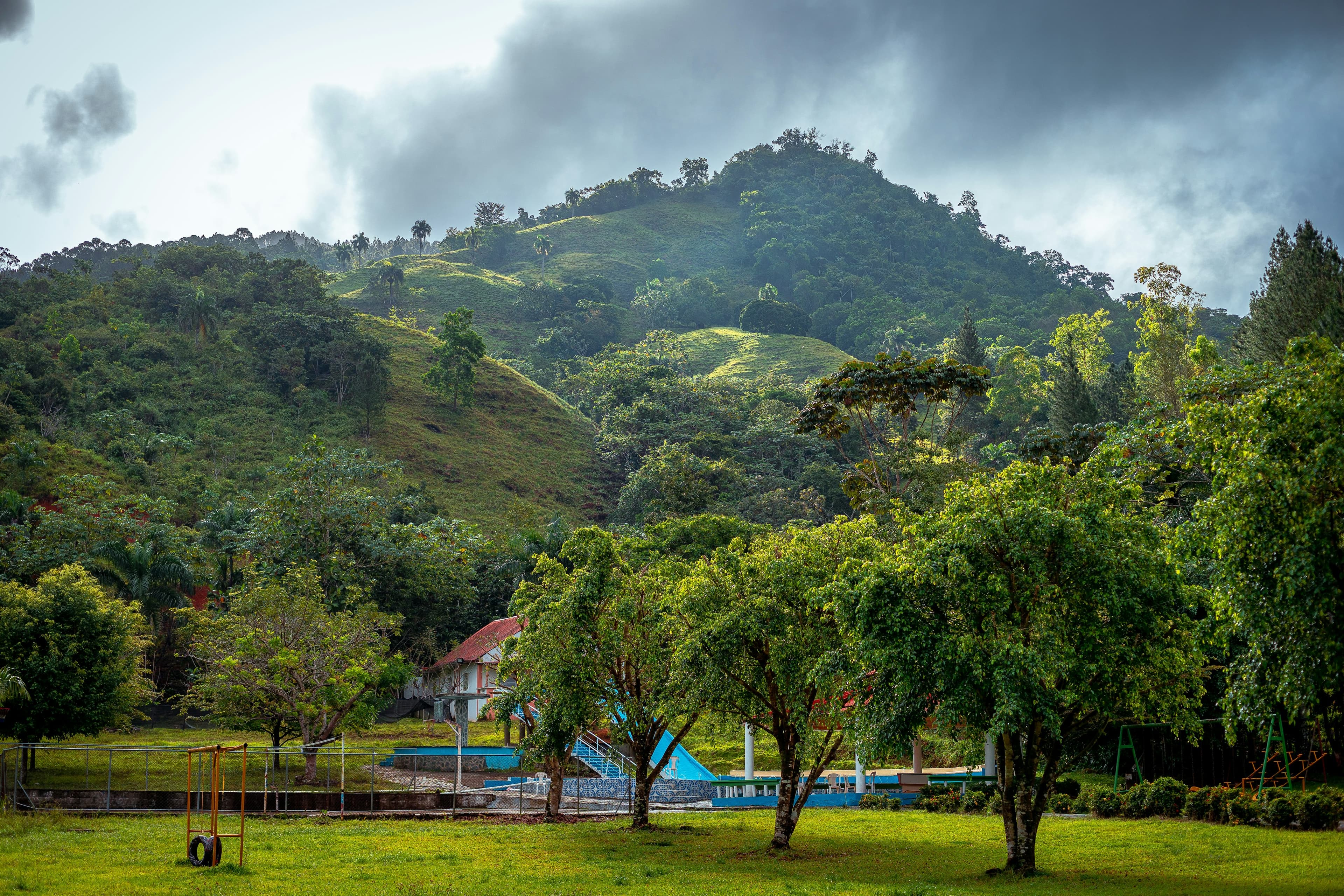
Jarabacoa
Jarabacoa is the Dominican Republic's mountain adventure base: cool Cordillera Central air, a level-two rafting excursion on the Yaque del Norte, waterfall walks, and the trailhead for Pico Duarte, the Caribbean's highest peak.
Explore destination →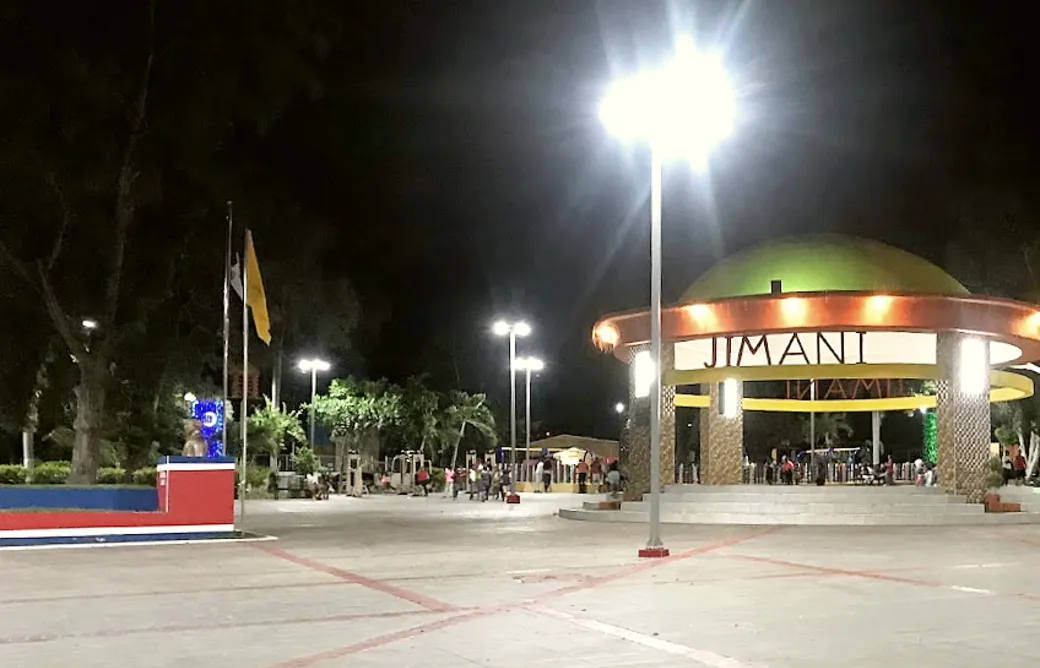
Jimaní
Jimani is the last Dominican town before Haiti, the dusty capital of Independencia Province on the shore of Lago Enriquillo, the largest lake in the Caribbean and one of the lowest points in the Antilles at roughly 46 meters below sea level.
Explore destination →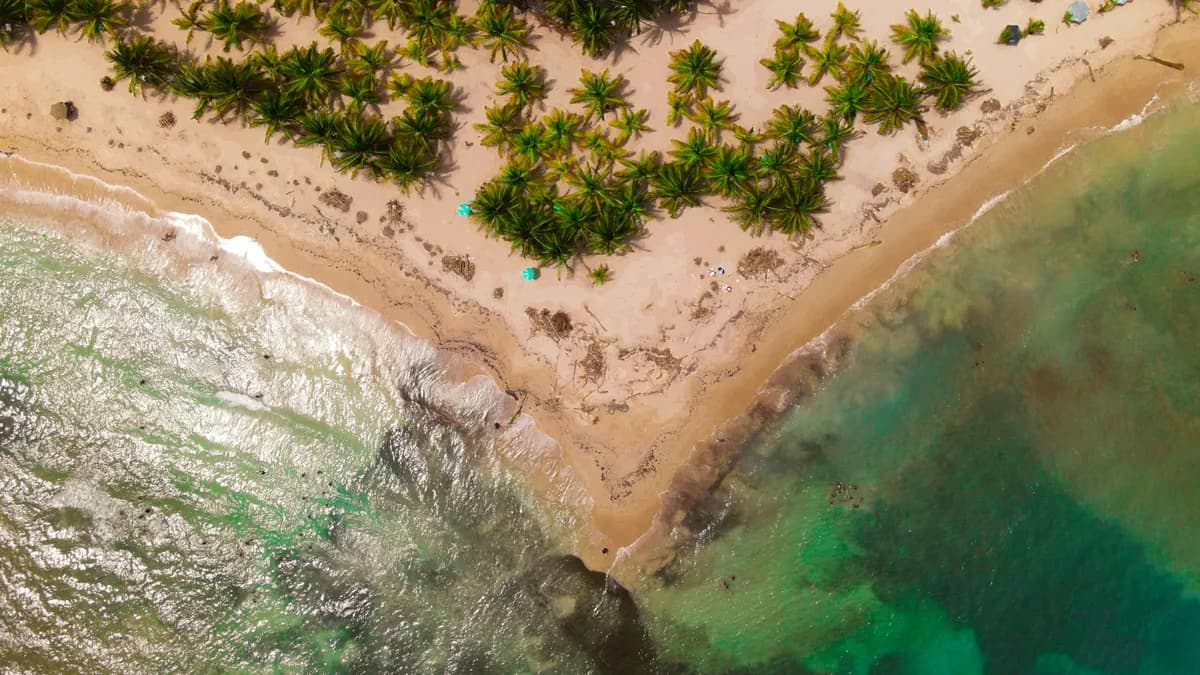
Juan Dolio
A calm, unpretentious beach town in San Pedro de Macoris province, east of Santo Domingo, known for gentle reef-protected water, two golf courses including Gary Player-designed Guavaberry, and a slower pace than the Punta Cana strip.
Explore destination →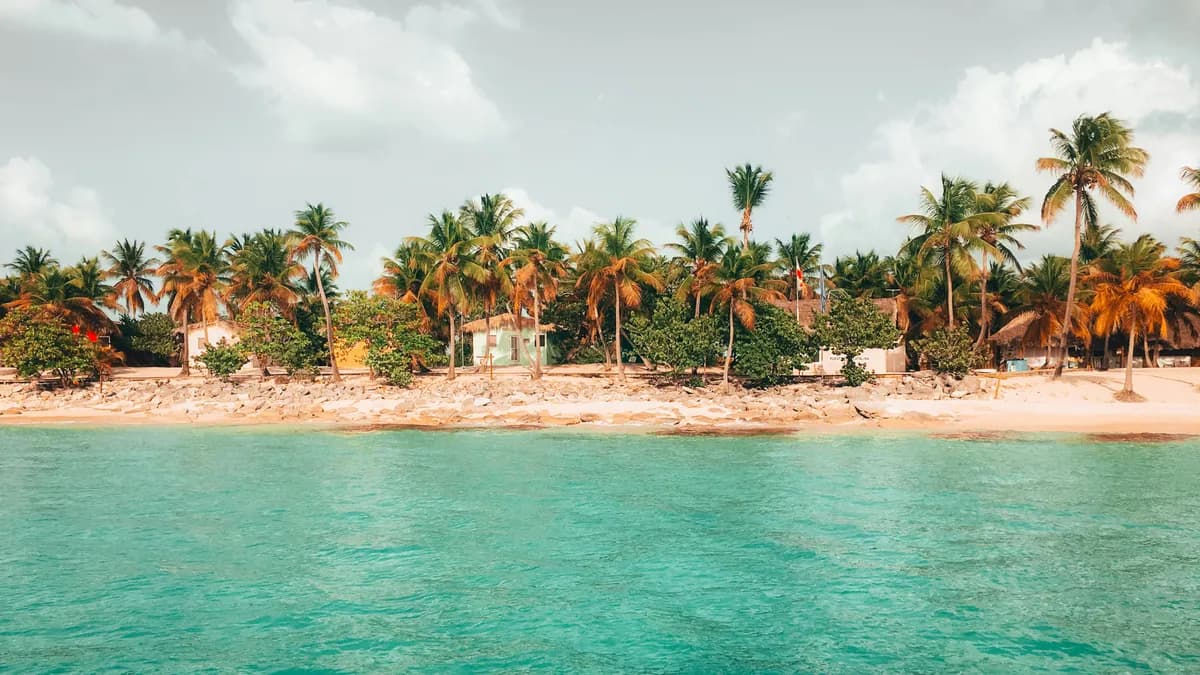
La Romana
La Romana is a former sugar town turned resort gateway on the Dominican Republic southeast coast, home to Casa de Campo, the hilltop Altos de Chavon village and its Teeth of the Dog golf course, and the boat launches to Saona and Catalina islands.
Explore destination →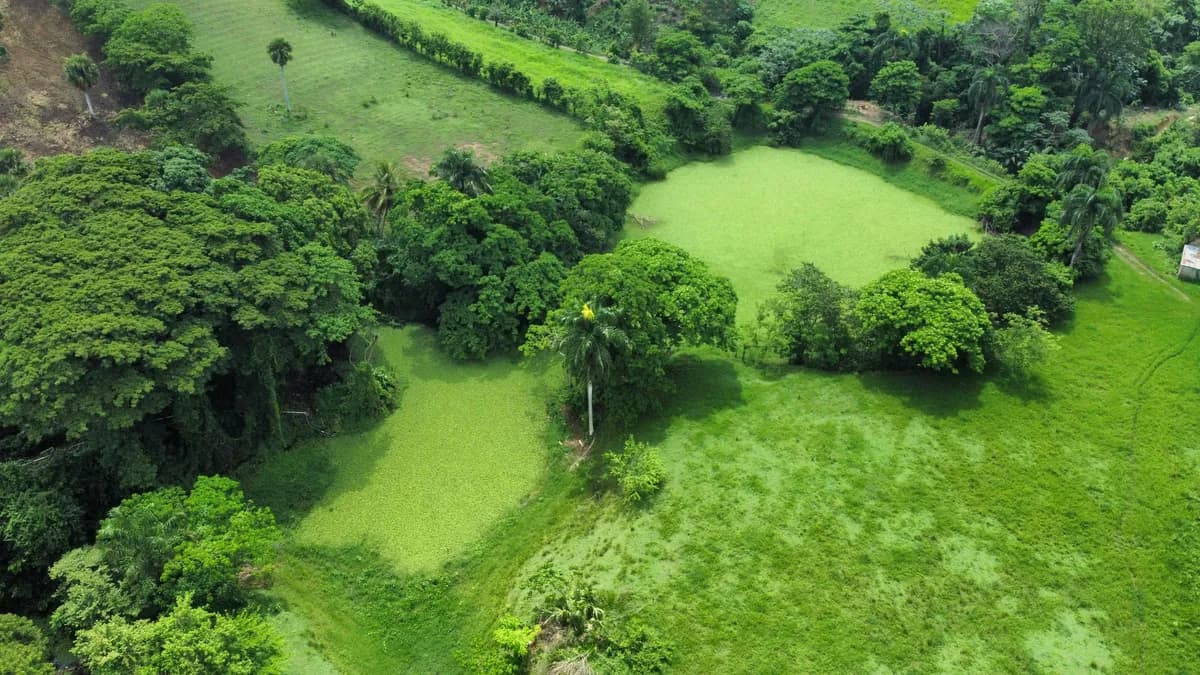
La Vega
La Vega anchors the fertile Vega Real in the Cibao Valley, a founding-era Spanish settlement that grew rich on colonial gold and now draws visitors for what it calls the oldest carnival in the Americas and its gateway roads into the Cordillera Central.
Explore destination →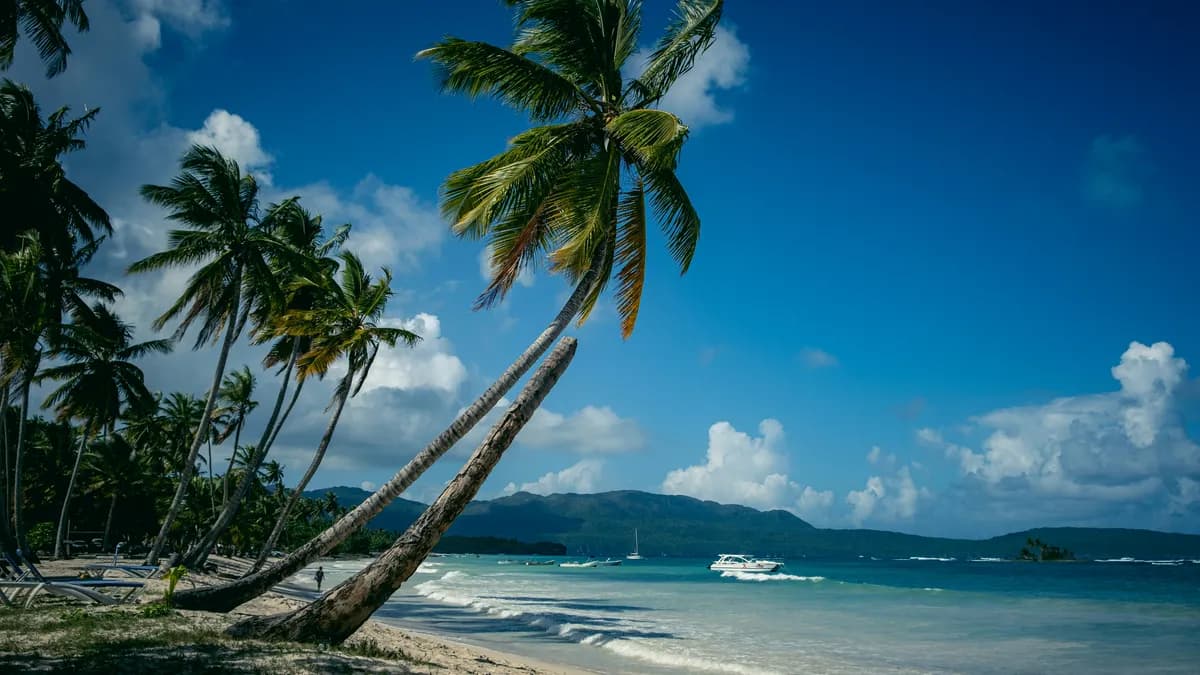
Las Galeras
A former fishing village at the remote eastern tip of the Samaná Peninsula, Las Galeras is the base for reaching Playa Rincón and Playa Frontón, two of the Dominican Republic's most celebrated beaches, plus Samaná Bay's winter humpback whale migration.
Explore destination →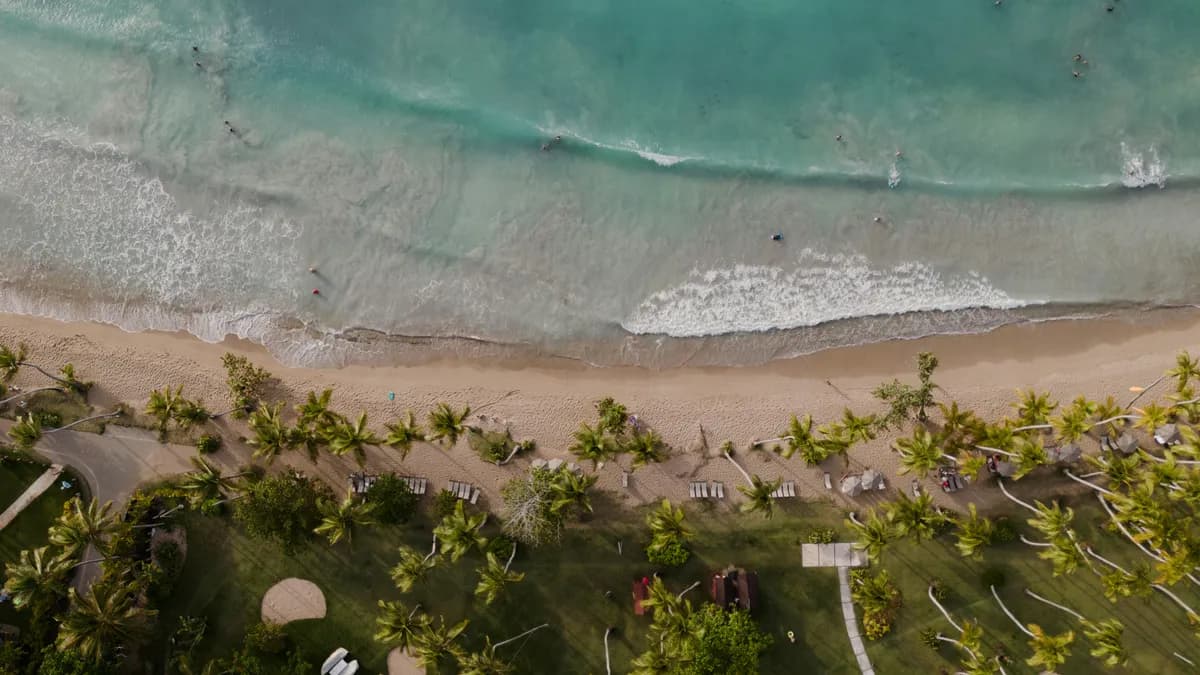
Las Terrenas
A French- and Italian-inflected beach town on the Samana Peninsula, built up by 1970s European settlers around an older fishing village, with palm-backed sand, bistro-and-seafood dining, and humpback whale watching a short drive away in season.
Explore destination →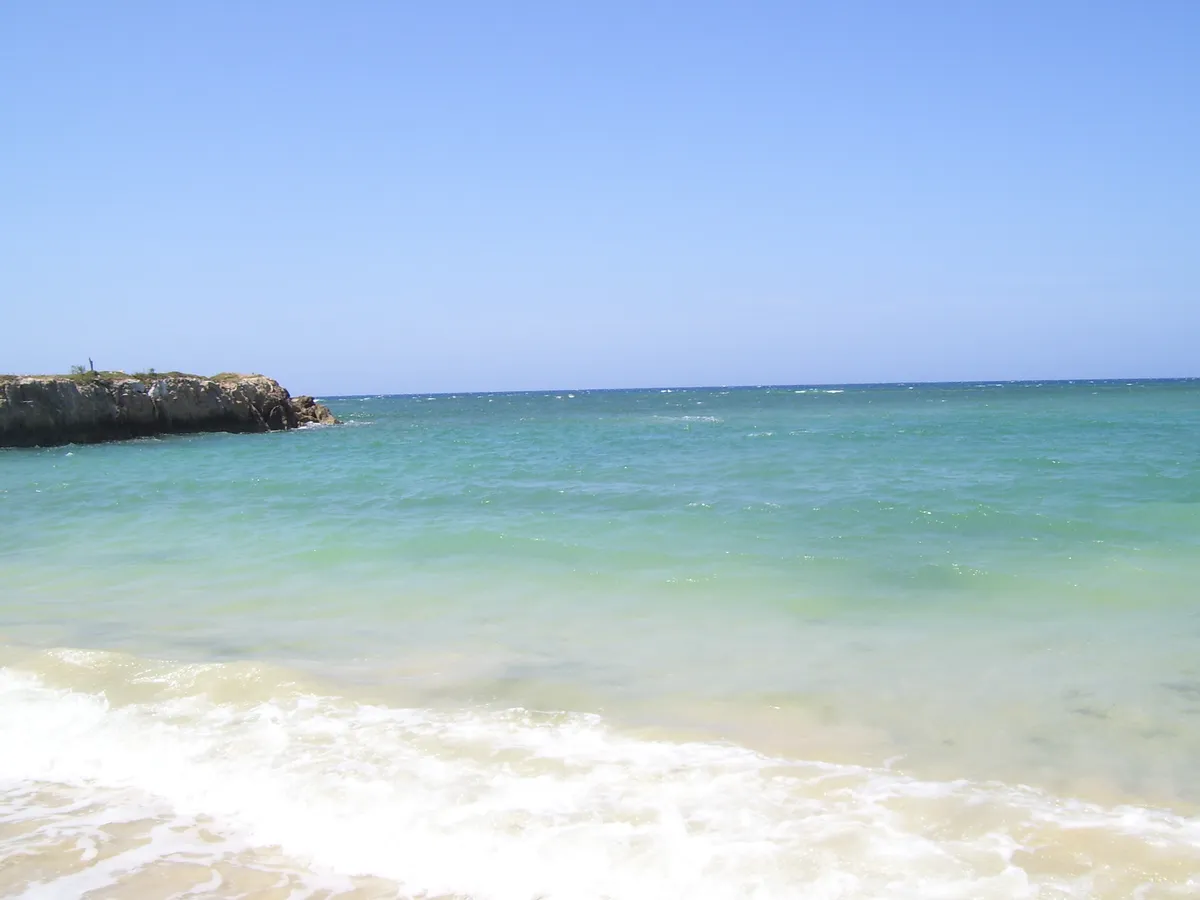
Luperón
A working harbor town on Hispaniola's north coast, ringed by mangroves and framed by hills that break up storms before they reach the anchorage. Luperon draws cruising sailors from across the Atlantic and sits a short drive from La Isabela, Columbus's first American town.
Explore destination →
María Trinidad Sánchez
A working Atlantic coast province of cliffs, cenotes and coconut farms around Nagua and Rio San Juan, home to Playa Grande's crescent sands and a clifftop Robert Trent Jones golf course, with almost none of the north coast's resort crowds.
Explore destination →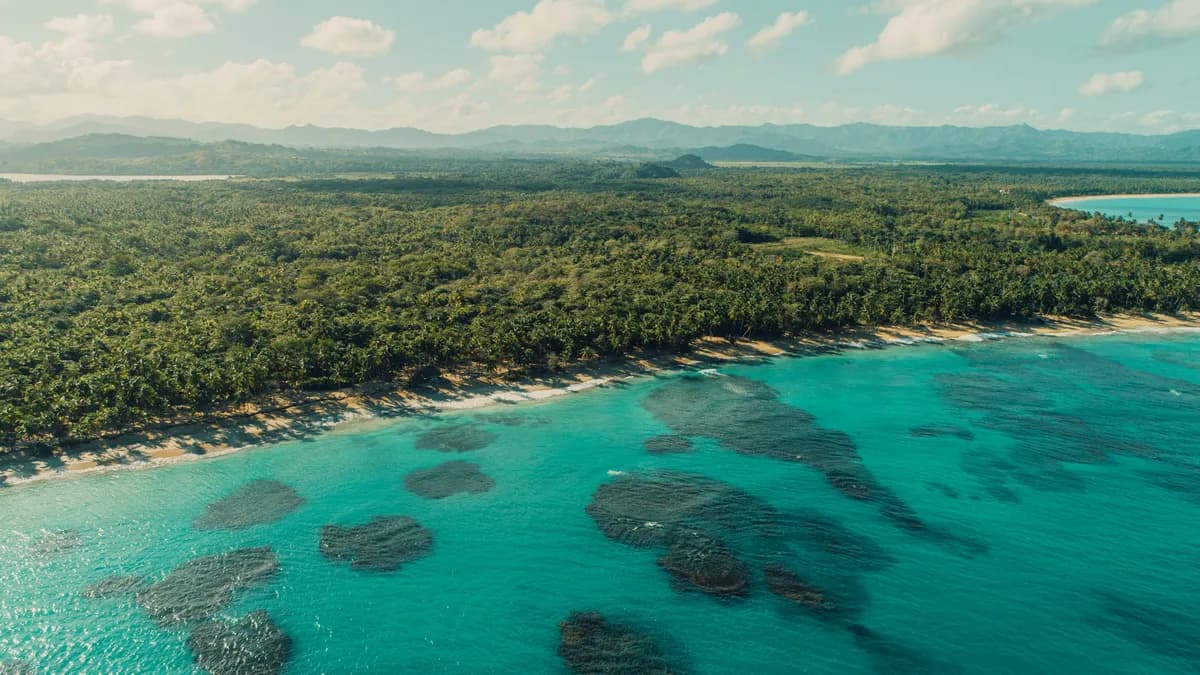
Miches
Miches is a fishing town on the southern shore of Samana Bay, El Seibo province, where a wave of 2025 resorts meets Los Haitises mangroves, the swing-topped Montana Redonda, and a coastline still largely free of crowds and heavy sargassum.
Explore destination →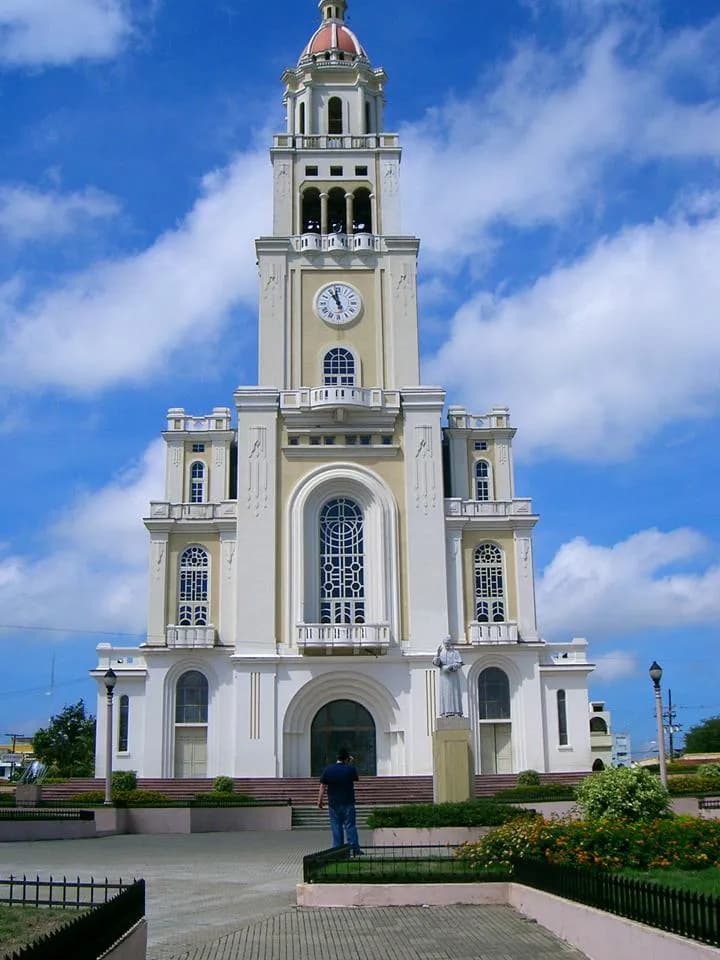
Moca
Moca, capital of Espaillat province in the Cibao Valley, is nicknamed "La Villa Heroica" for the Mocanos who shaped Dominican history, from the 1861 Grito de Moca to the fall of two dictators. Today it is a working farm town known for coffee, cacao, and a landmark 1946 church.
Explore destination →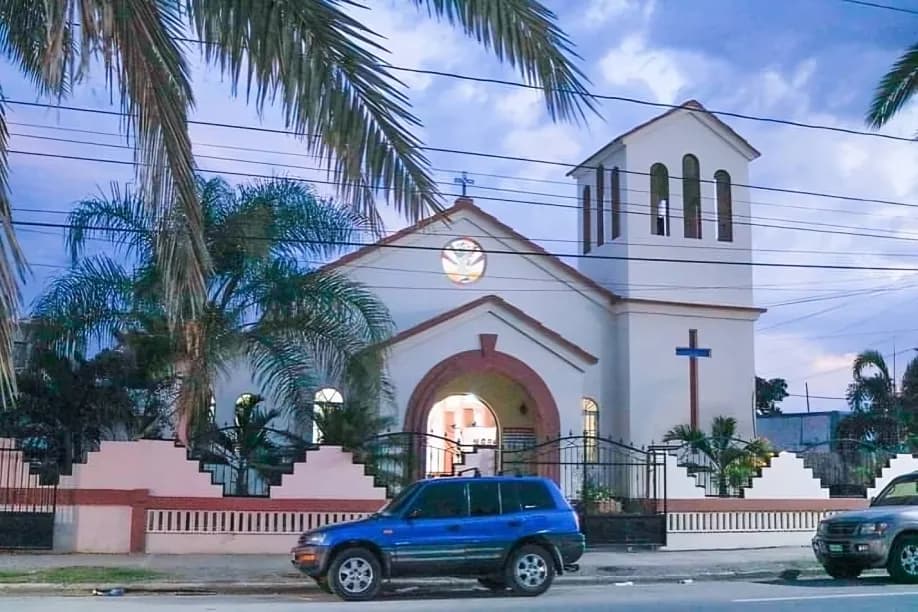
Montecristi
A dry, wind-scoured province on the Haitian border, where a flat-topped limestone mountain drops into mangroves, salt flats, and the longest coral reef in the country. Montecristi trades resorts for salt pans, fishing boats, and offshore cays, and draws almost no crowds.
Explore destination →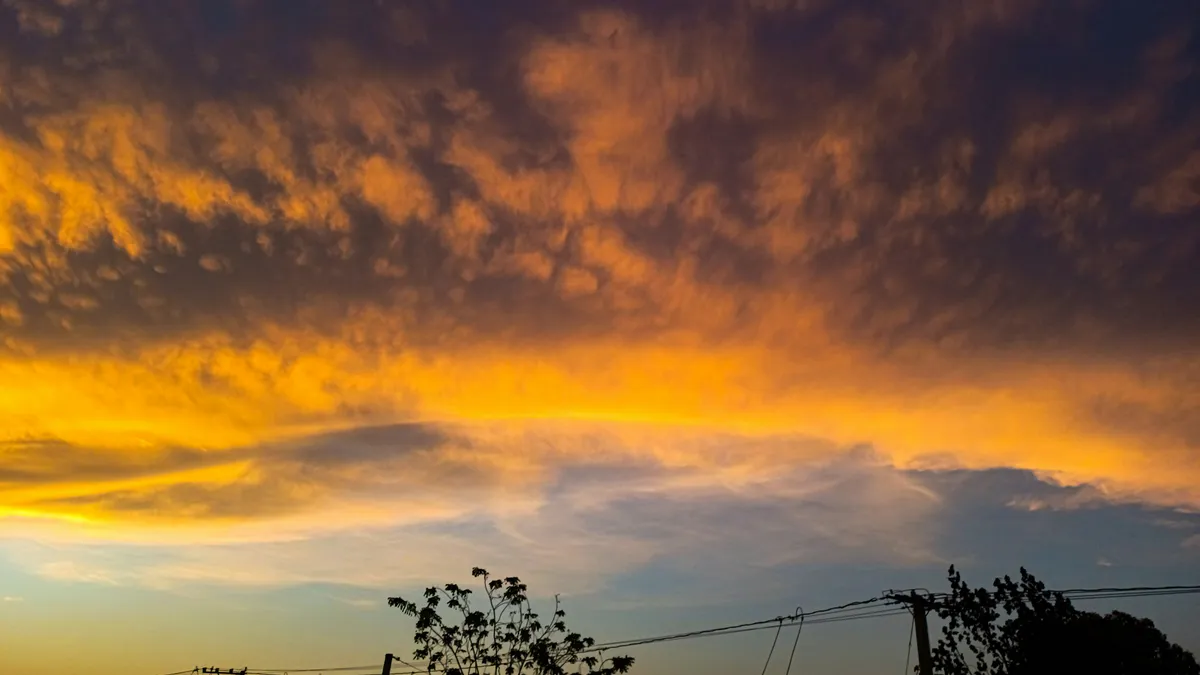
Nagua
Nagua is the working capital of Maria Trinidad Sanchez province, a rice, cacao, and coconut town on the coastal highway between Puerto Plata and the Samana Peninsula. It reads as a fuel-and-food waypoint rather than a resort base, which is exactly its usefulness on a north-coast road trip.
Explore destination →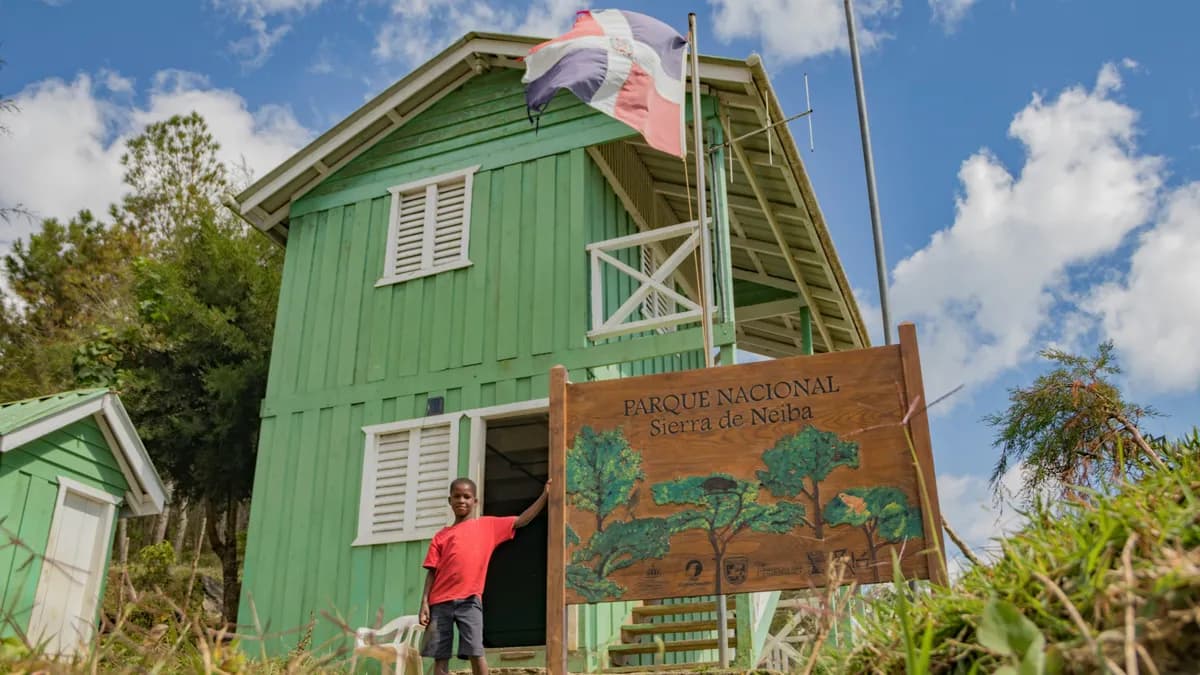
Neyba
Capital of Baoruco Province in the arid Enriquillo Valley, Neyba pairs a grape-growing region with two extreme landscapes: hypersaline Lago Enriquillo below sea level and the Hoyo de Pelempito, a deep depression viewed from a mountain rim.
Explore destination →Oviedo
Oviedo is a small town on Highway 44 in the far southwest of the Dominican Republic, the working gateway to Jaragua National Park: a saltwater flamingo lagoon on one side, the road toward Bahia de las Aguilas on the other.
Explore destination →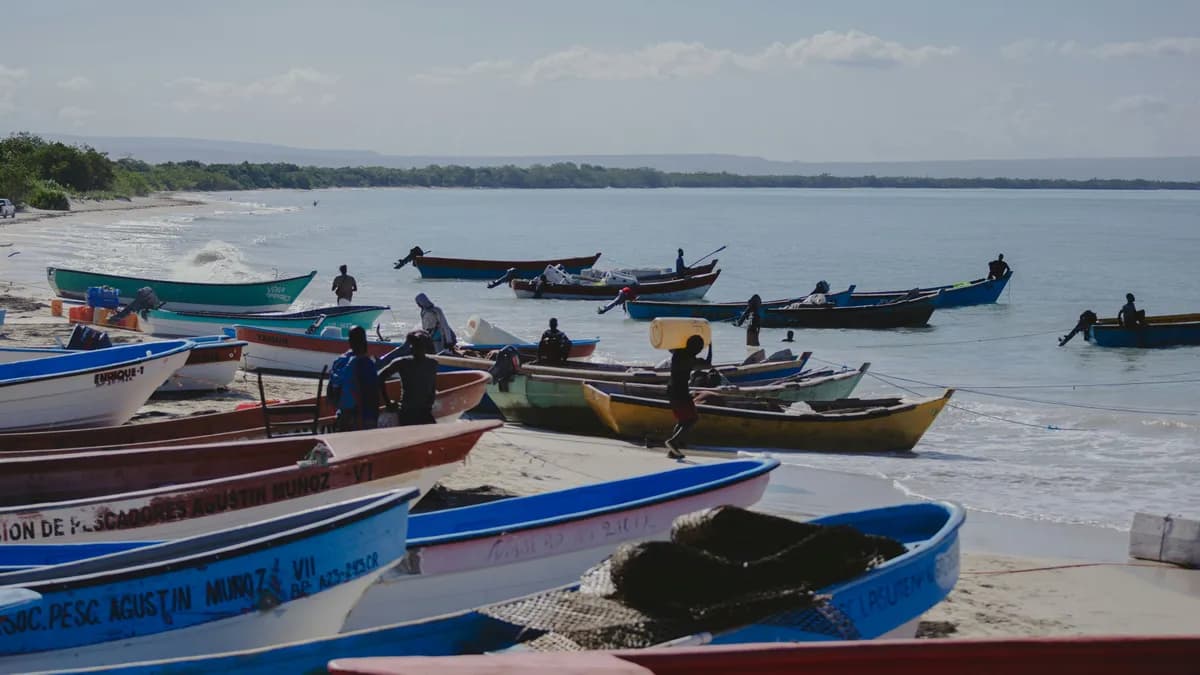
Pedernales
Pedernales is the Dominican Republic's remote southwestern tip, bordering Haiti, where dry forest, salt lagoons and the eight-kilometer Bahia de las Aguilas sit almost untouched inside Jaragua National Park.
Explore destination →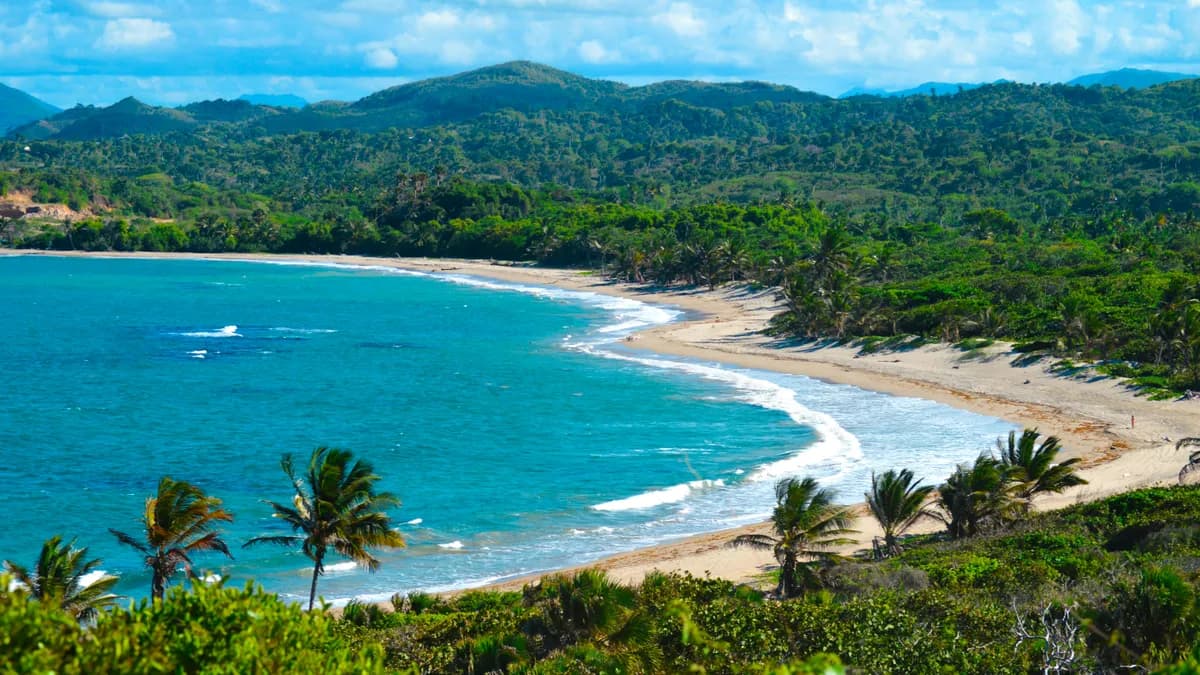
Puerto Plata
Adventure and watersports capital
Explore destination →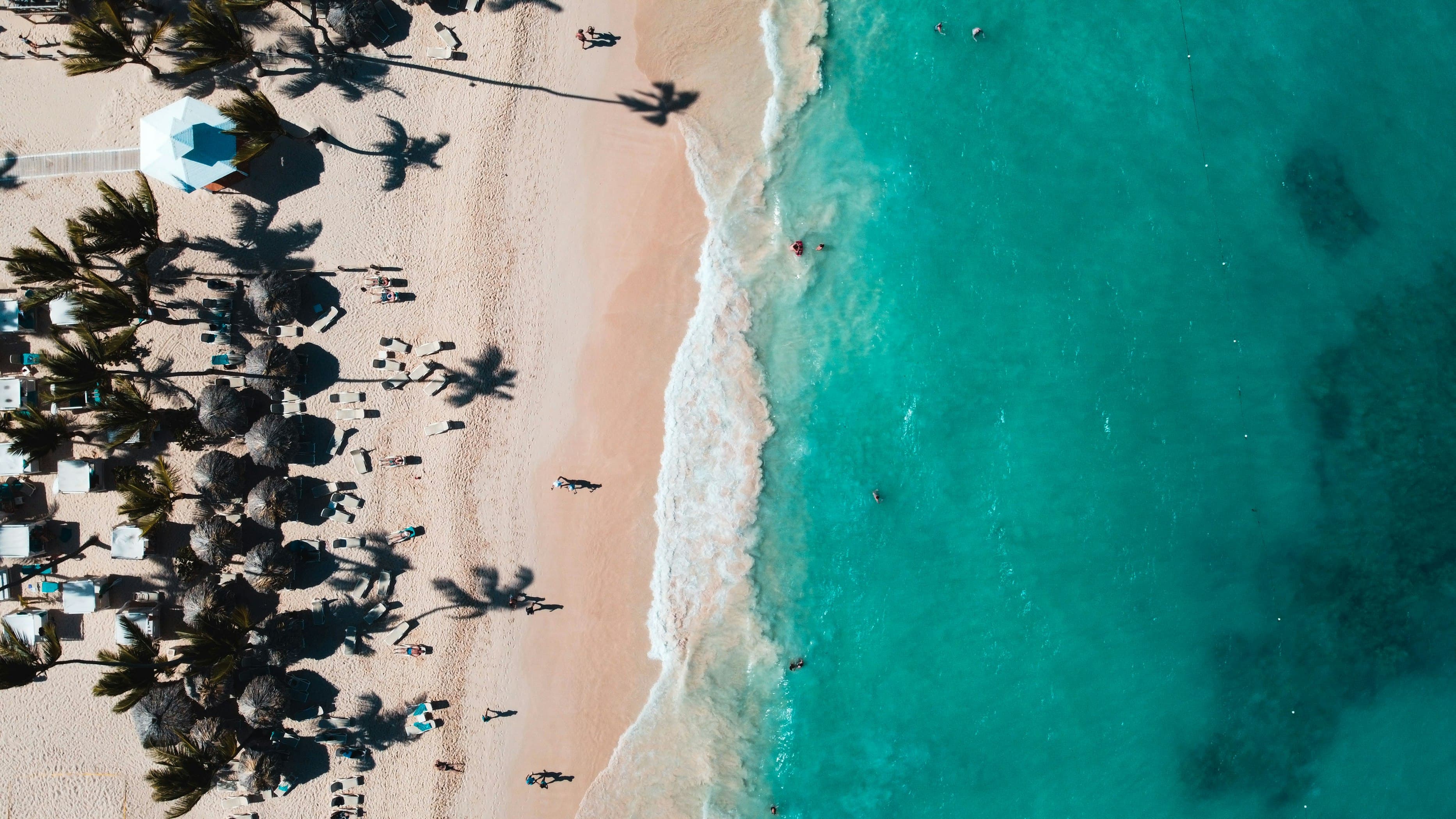
Punta Cana
World-class beaches and endless sunshine
Explore destination →Río San Juan
Río San Juan is a working fishing town on the Dominican Republic's north coast, built around Laguna Gri-Gri, a mangrove lagoon toured by boat and linked to the Atlantic, with the cliff-lined Playa Grande and calm cove of Playa Caletón just outside town.
Explore destination →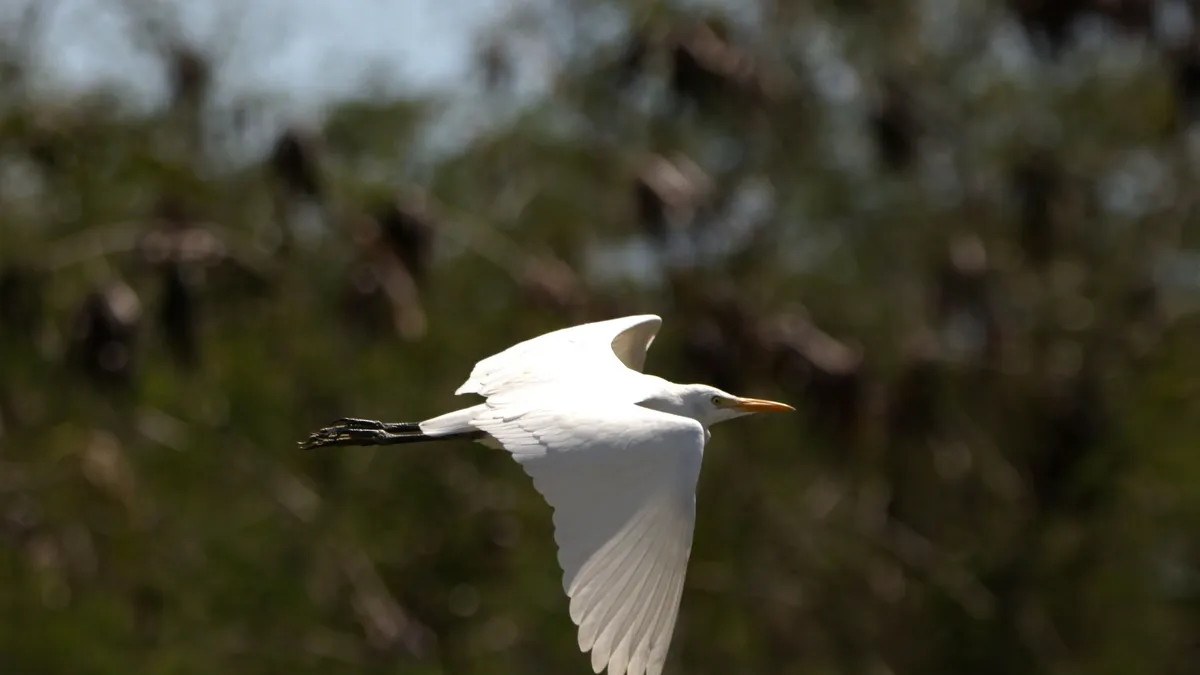
Sabana de la Mar
Sabana de la Mar is a working fishing town on Samana Bay's south shore, the main boat gateway to Los Haitises National Park: its limestone caves, Taino cave art, and mangrove channels. From January to March, humpback whales gather in the bay offshore.
Explore destination →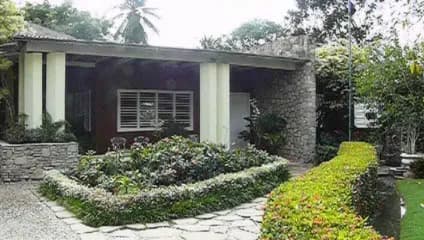
Salcedo
Salcedo is the Cibao Valley town where the Mirabal sisters grew up and organized against the Trujillo dictatorship. Their family home at San José de Conuco is now a solemn museum, and the date of their 1960 murder is marked worldwide against violence against women.
Explore destination →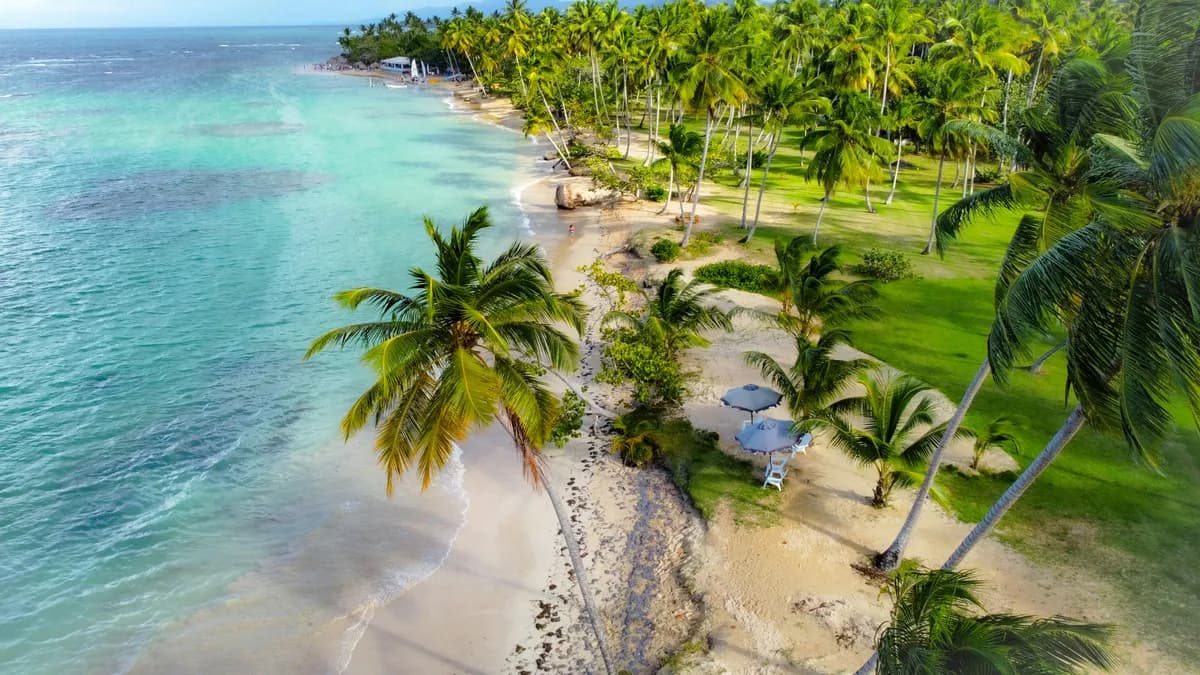
Samaná
A forested peninsula on the Dominican Republic's north coast where thousands of humpback whales gather each winter, karst rainforest meets mangrove bay, and beaches stay wilder than the country's resort strips.
Explore destination →San Cristóbal
San Cristóbal pairs the Caribbean's largest trove of Taíno rock art, in the Pomier caves, with the tangled legacy of Rafael Trujillo, the dictator born here in 1891, all roughly 30 km west of Santo Domingo on the DR-2.
Explore destination →San Francisco de Macorís
Dominican Republic's cacao capital in the Cibao Valley: working plantations with fermentation-to-bar tours, a Gothic-and-modern cathedral, winter-league baseball, and the Loma Quita Espuela cloud-forest reserve, all inland and rarely touristed.
Explore destination →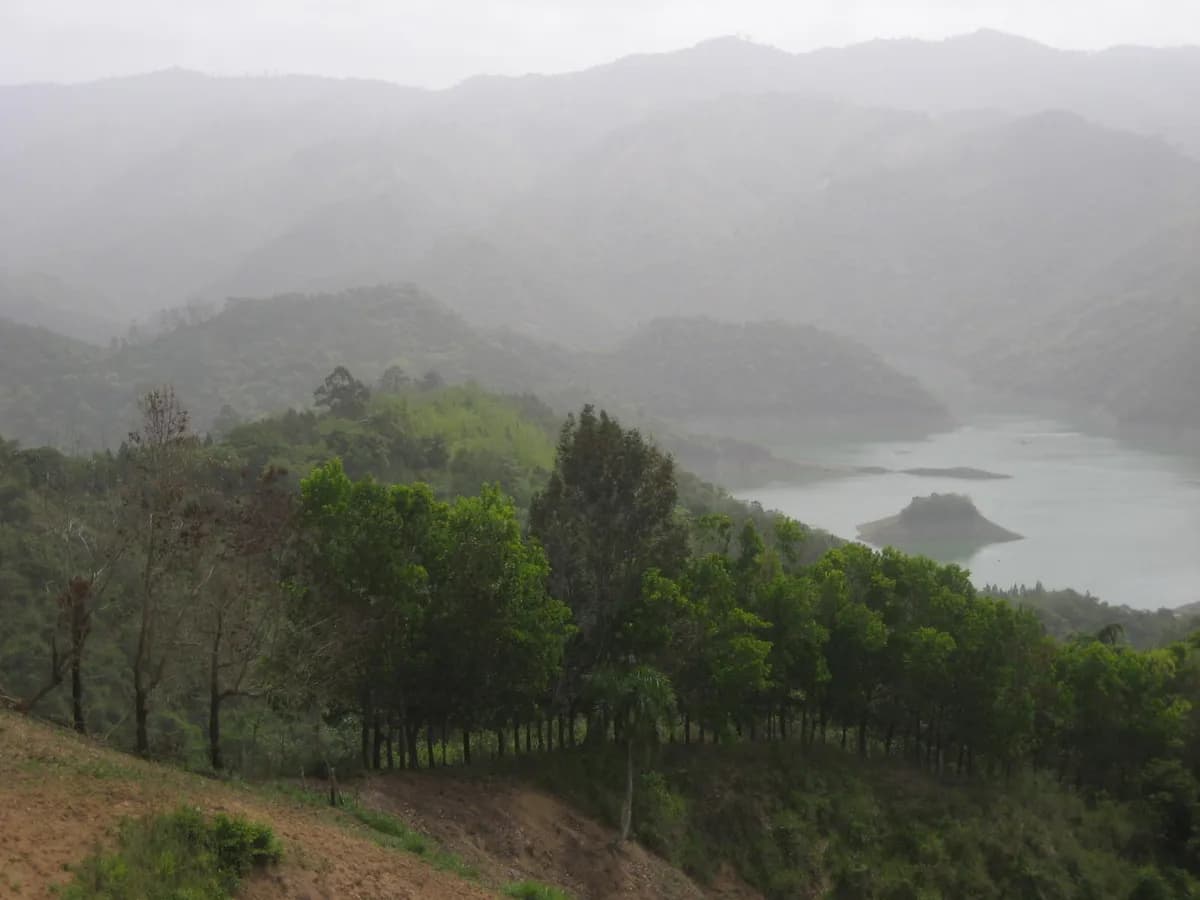
San José de Ocoa
A working mountain town in the southern Central Cordillera known for coffee farms, greenhouse flowers, and one of the roughest, coldest roads in the country, which climbs north toward Constanza through the Valle Nuevo reserve.
Explore destination →San Pedro de Macorís
San Pedro de Macoris has sent 99 players to Major League Baseball, more per capita than anywhere else on earth. East of Santo Domingo on the Higuamo River, it pairs a storied ballpark, sugar-era Victorian architecture, and the UNESCO-honored Guloya dancers.
Explore destination →Santiago De Los Caballeros
Santiago de los Caballeros is the Dominican Republic's second-largest city, the commercial capital of the Cibao Valley and the country's cigar-making heart, trading resort polish for history, museums, and everyday local life.
Explore destination →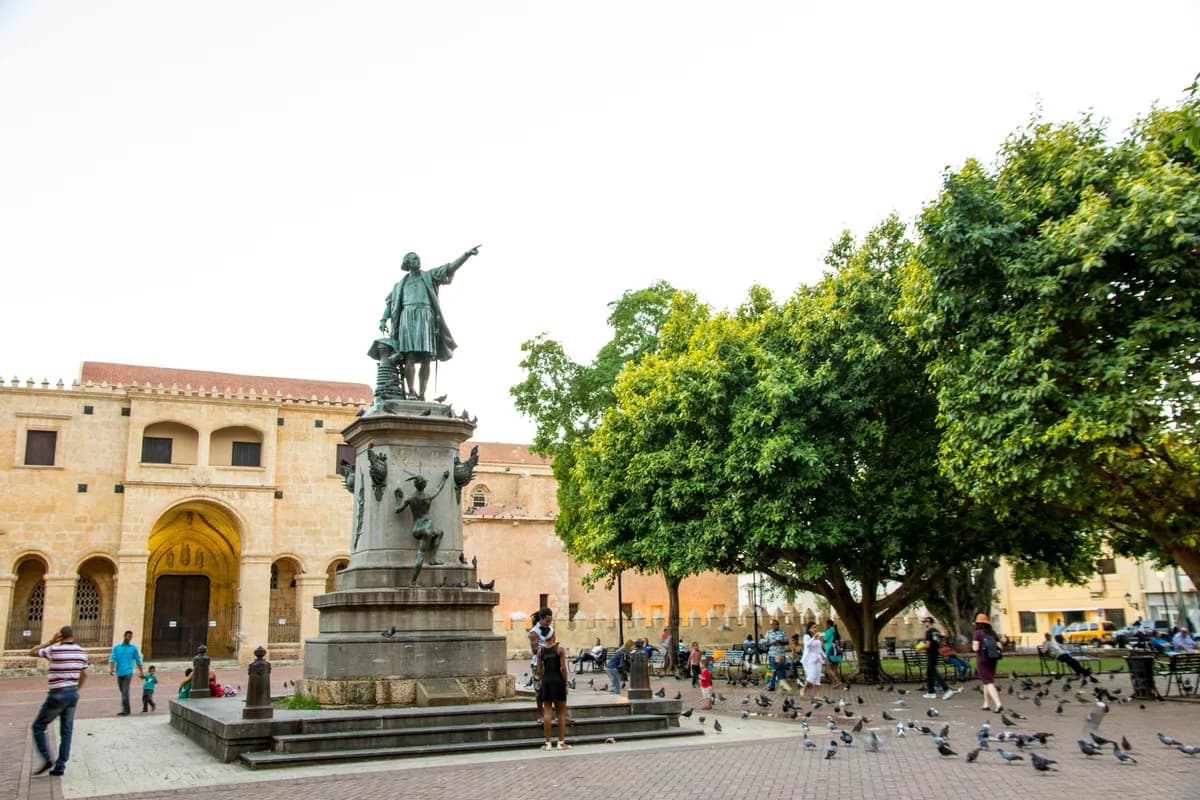
Santo Domingo
Where history meets Caribbean culture
Explore destination →Sosúa
A former United Fruit banana plantation that became a WWII refuge for Jewish families, Sosua now pairs a protected crescent bay built for diving with an airport at its own western edge and Cabarete's kite scene about 12 km up the coast.
Explore destination →Plan With Confidence
Travel Tips & Guides
Turn a region into a real itinerary
Pick the destination that fits your trip, then let our guides handle the rest: where to stay, when to go, and how to string the highlights together into one easy route.