Sabana de la Mar
Sabana de la Mar is a working fishing town on Samana Bay's south shore, the main boat gateway to Los Haitises National Park: its limestone caves, Taino cave art, and mangrove channels. From January to March, humpback whales gather in the bay offshore.
Sabana de la Mar
Sabana de la Mar is a working fishing town on Samana Bay's south shore, the main boat gateway to Los Haitises National Park: its limestone caves, Taino cave art, and mangrove channels. From January to March, humpback whales gather in the bay offshore.
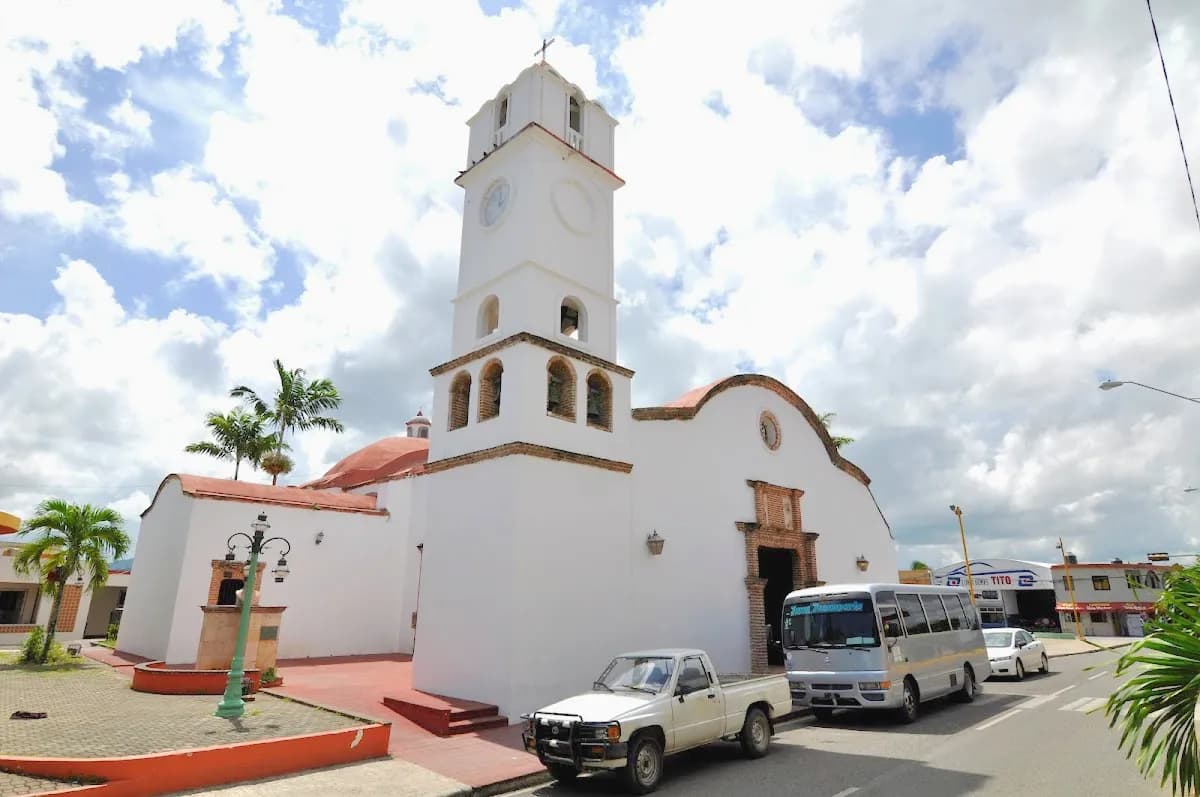
Sabana de la Mar sits on the southern shore of Samana Bay in Hato Mayor province, a fishing town of around 10,000 founded by Canary Island settlers in 1756. It has none of the resort infrastructure of the north coast: this working port, built on fishing and small-scale agriculture, functions mainly as the launch point for boat trips into Los Haitises National Park. Most visitors day-trip from Samana or Punta Cana, or make a deliberate detour to one of the country's least-commercialized protected areas.
Los Haitises, established in 1976, is a karst landscape of limestone hills, called mogotes, rising out of mangrove-lined water and riddled with caves that Taino and pre-Taino peoples decorated with pictographs long before Columbus arrived. Boats leave the town dock and reach the best-known caves, Cueva de la Linea and Cueva de la Arena, in roughly 15 to 30 minutes. Cueva de la Linea holds the largest collection of drawings, several hundred figures in charcoal and pigment; Cueva de la Arena is documented with 22 pictographs plus petroglyphs and bas-reliefs. The subjects range across marine creatures, birds, and human and ritual figures, all pre-Columbian, and Cueva de la Arena is a visitor site; Cueva de la Línea is temporarily closed.
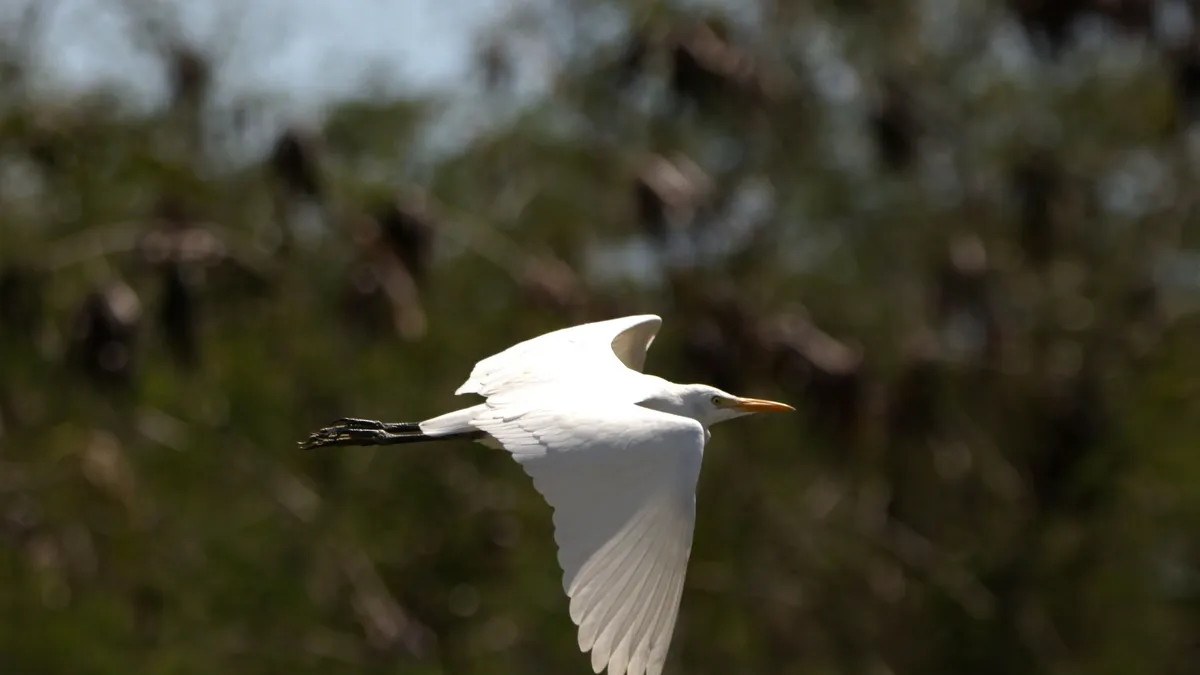
The channels around the caves hold extensive mangrove forests and make Los Haitises one of the region's serious birding sites, with endemic species such as the Ridgway's hawk and the Hispaniolan parrot. It is also where the January to March whale season becomes visible from land: humpbacks gathering in Samana Bay to calve can sometimes be seen from shore, though most visitors pair the boat trip with a dedicated whale-watching excursion for closer sightings. Inland, the province holds Salto de la Jalda, at roughly 120 meters the tallest waterfall in the Caribbean.
Getting here takes planning. By road it is about 44 km from Hato Mayor del Rey, and the drive from Santo Domingo runs close to three hours, so check conditions first. The simpler route from Samana or Las Terrenas is the passenger ferry across the bay, about an hour each way and running several times daily. The nearest airport with scheduled service is Samana El Catey International, roughly 44 km away. Most people treat the town as a half-day excursion rather than a base, pairing it with the north coast's beaches or a longer loop through the eastern destinations in our itineraries. A waterfront restaurant and a plate of fresh fish close out the trip.
Sabana de la Mar is the southern gateway to one of the Dominican Republic's greatest natural treasures — Parque Nacional Los Haitises. This quiet coastal town on the shores of Samaná Bay may lack the polish of tourist destinations across the water, but it offers something far more valuable: front-row access to a primordial landscape of limestone karst towers, mangrove forests, and caves painted with Taíno art that has survived for over five hundred years.
Los Haitises is unlike anything else in the Caribbean. Hundreds of dome-shaped mogotes — rounded limestone hills covered in dense tropical vegetation — rise from the bay like a scene from prehistoric Earth. Boat tours weave through mangrove channels into caverns where ancient petroglyphs and pictographs cover the walls, left by the Taíno people who inhabited the island long before European contact. The park's biodiversity is staggering, with more than 100 bird species, manatees in the coastal waters, and one of the largest mangrove ecosystems in the Caribbean.
Between January and March, Sabana de la Mar transforms into a whale-watching base. Humpback whales gather in Samaná Bay to breed, and boats from the town offer intimate viewing experiences that rival the more famous tours departing from Samaná town across the bay. The experience of watching a 40-ton whale breach against the backdrop of the Los Haitises karst landscape is one of the most powerful wildlife encounters in the Americas.
Weather by month
Warm all year. Each bar's height is that month's average daily high, so the chart rises toward the warm summer; teal marks the drier months with the most reliable beach weather. Temperatures show in °F by default; switch to °C with the toggle.
Best time to visit: Jan, Feb, Mar, Apr, Jun, Jul, Aug, Sep. These months bring the most sun and the fewest rainy days; May, Oct, Nov, Dec are the wettest.
Sample itineraries
Practical information
Photo gallery
Facts on this page were last compared with their sources on . Details may have changed since. How we check
Sabana de la Mar questions
When is whale watching season from Sabana de la Mar?
+
Humpback whale watching runs from mid-January through late March. Boats depart from Sabana de la Mar to the whale watching areas in the Bay of Samana. For the 2026 season, a whale-watching tour with an island stop was advertised at US$75 per adult from Sabana de la Mar; confirm current fares before booking. February is peak season with the highest likelihood of sightings. The whales come to breed and give birth in the warm, shallow waters of the bay.
How do I visit Los Haitises National Park from Sabana de la Mar?
+
Sabana de la Mar is the main departure point for Los Haitises boat tours. Tours leave from the town dock, usually around 9 AM, and last 4-5 hours. They include mangrove channels, Taino cave paintings, and dramatic karst formations. Expect to pay RD$2,500-4,000 (US$43-70) per person including park entry and boat. Book through a local operator or your hotel.
Can I take a ferry from Sabana de la Mar to Samana?
+
Yes, a passenger ferry connects Sabana de la Mar to Santa Barbara de Samana. The crossing takes about 45 minutes and costs around RD$200-400 (US$3.50-7). Ferries run several times daily, though schedules can vary. This is a scenic and practical alternative to driving around the bay, which takes over 2 hours.
Is there much to do in the town of Sabana de la Mar itself?
+
The town is small and serves mainly as a launching point for Los Haitises and the ferry. There are a few basic restaurants, a waterfront malecon, and friendly locals. You can visit the town in an hour. Most visitors come for a day trip and do not overnight, though simple accommodations are available if you want an early start to the park.
What should I bring on a Los Haitises tour?
+
Bring waterproof sunscreen, insect repellent (mosquitoes can be heavy in the mangroves), a hat, a rain jacket, water, and snacks. Wear shoes that can get wet, as you may wade during some stops. A waterproof bag for your phone and camera is essential. The boat ride can be bumpy, so take motion sickness medication if you are prone to it.
Keep exploring
Nearby Destinations
Explore more places near Sabana de la Mar