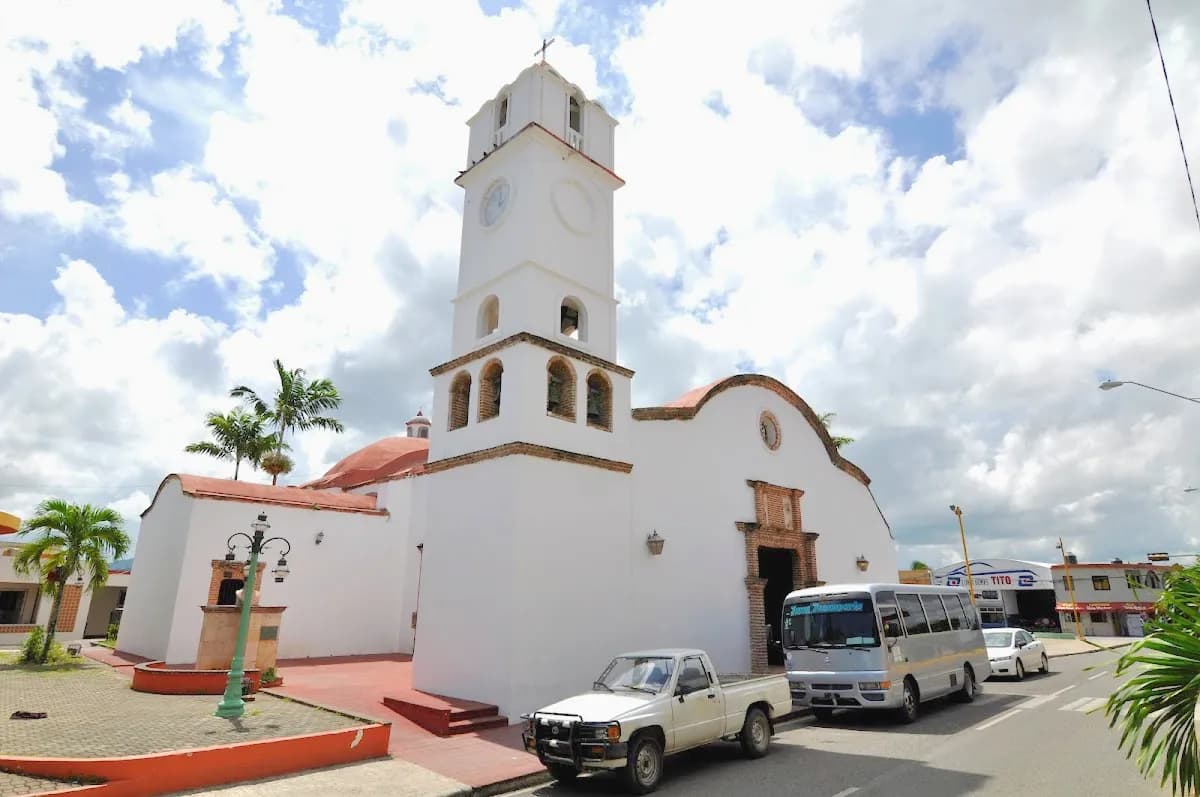
El Seibo
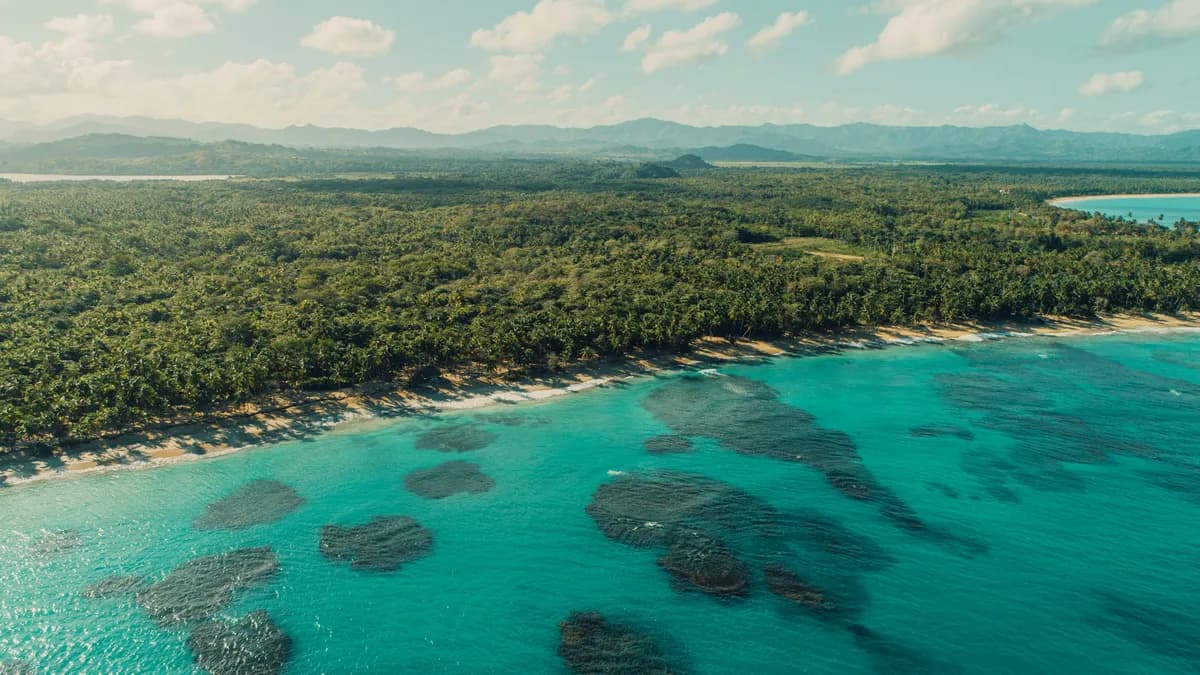
El Seibo pairs a colonial-era ranching town with the coastal boomtown of Miches, where the Cordillera Oriental meets cacao farms, cattle country, mangrove-lined caves, and a beach frontier that resort brands only started building on in earnest last decade.
El Seibo
El Seibo pairs a colonial-era ranching town with the coastal boomtown of Miches, where the Cordillera Oriental meets cacao farms, cattle country, mangrove-lined caves, and a beach frontier that resort brands only started building on in earnest last decade.
El Seibo is the eastern Dominican Republic's working interior, a province of roughly 1,788 square kilometers where the Cordillera Oriental meets the coastal plain. It splits in two: inland sits the provincial capital, Santa Cruz del Seibo, a cattle-and-cacao town on colonial rhythms; on the coast is Miches, a fishing village turned resort frontier only recently added to the map of Dominican destinations. Visitors come for landscape, agriculture, and beaches still framed by palm and mangrove as of 2026.
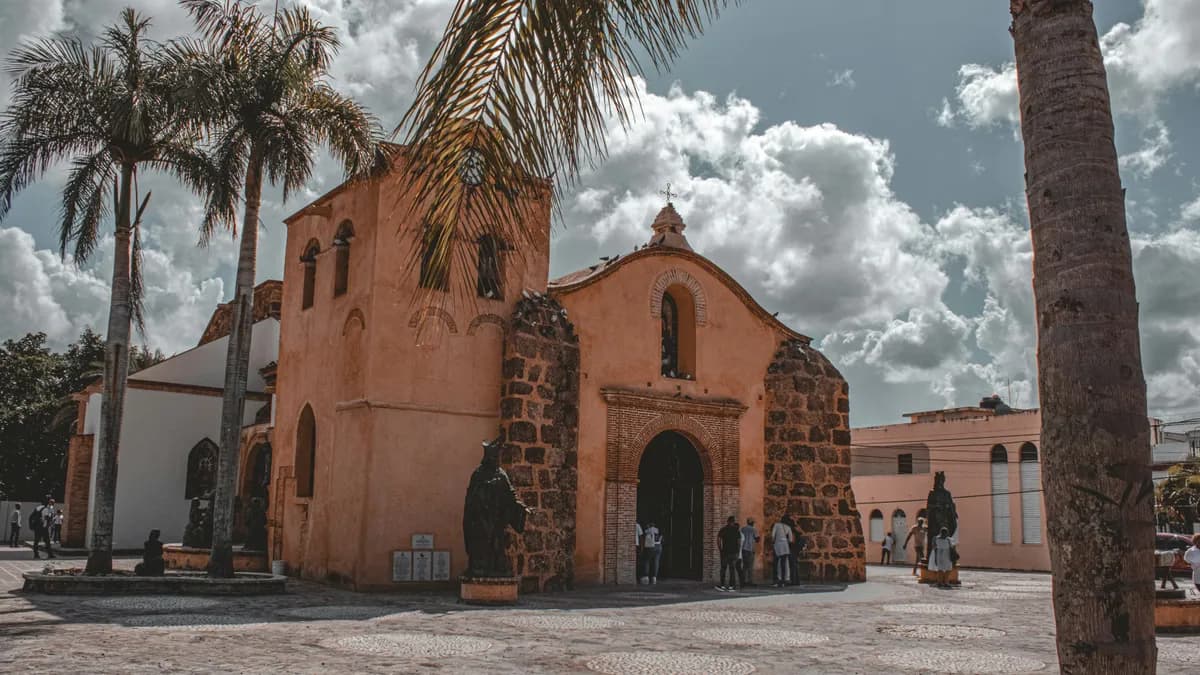
Santa Cruz del Seibo traces its founding to 1502, when conquistador Juan de Esquivel established it, making it one of the country's oldest towns; it became one of the nation's original provinces under the 1844 constitution. The center holds a historic church and the Asomante cross, and every May 1 to 10 the town hosts the Santa Cruz festival, with atabales drumming vigils and the bullfights El Seibo is known for. A century-old factory still produces mabi, a lightly fermented drink of Indian bejuco bark and cane sugar. El Seibo is also the country's second cacao-producing province, and the interior reads as ranching country: pasture, zebu cattle, roadside cacao driers.
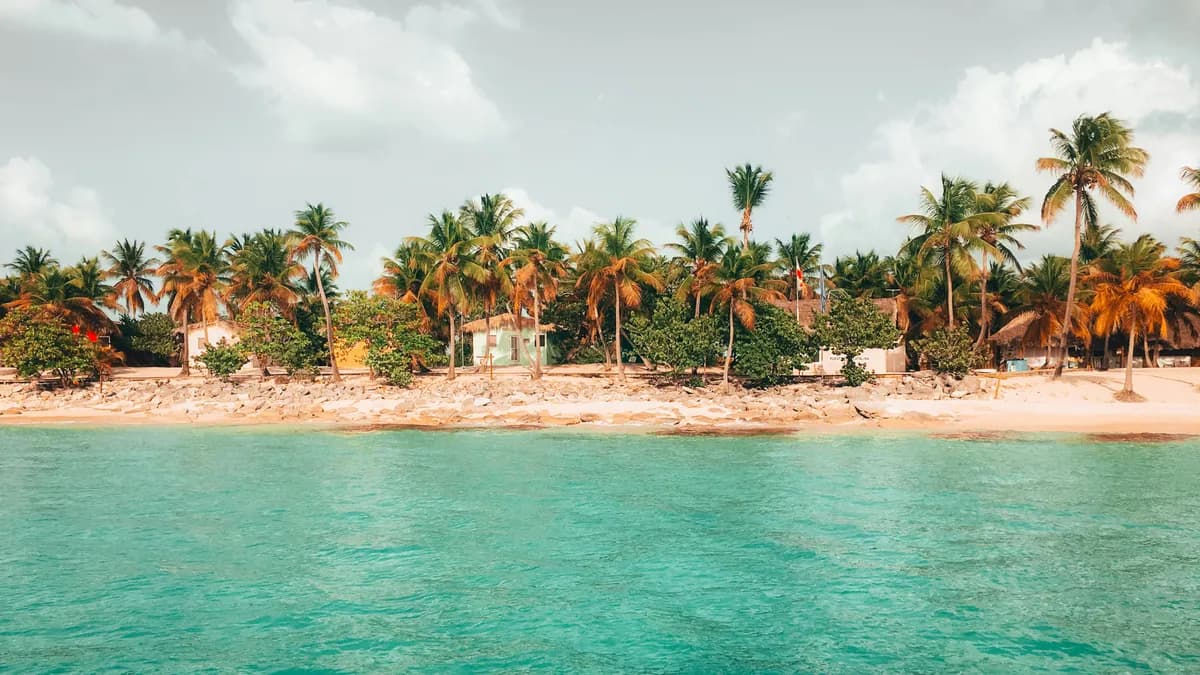
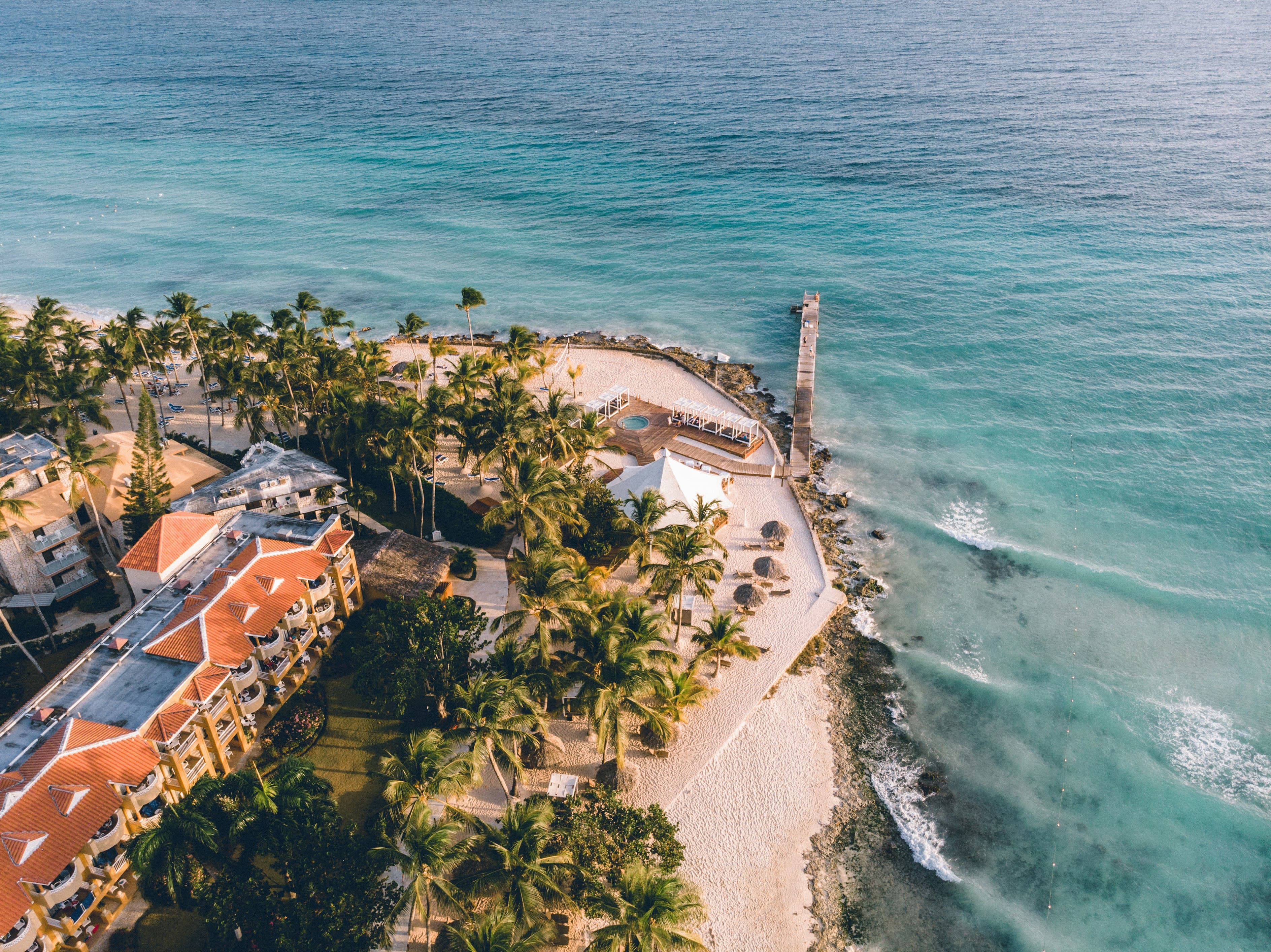
The coast tells a different story. Miches fronts Playa Esmeralda, also called Costa Esmeralda, between the Bahia de Samana and Punta Cana, where resort brands arrived late and fast. Club Med pioneered the beach in 2019, and a 2020s wave followed: Marriott Miches Beach, the brand's first all-inclusive in the Caribbean, opened in early 2025 as a conversion of the Sunrise Miches Beach resort, alongside Viva Miches by Wyndham and a Curio Collection by Hilton. Inland, Montana Redonda is the best-known viewpoint, a roughly 300-meter hill reached by 4x4 with summit swings over Laguna Redonda and the Samana peninsula. Los Haitises National Park, reached by boat through mangrove canals, adds limestone mogotes and pictograph sea caves.
Getting to El Seibo means driving. Miches is about 110 kilometers from Punta Cana International Airport (PUJ), about 90 minutes to two hours via the Coral highway and improved coastal roads. Santa Cruz del Seibo sits about 135 kilometers from Santo Domingo, and the province has no commercial airport. Most visitors base at a beach resort in Miches or Punta Cana and treat the interior as a day trip. For longer stays, see itineraries for sequencing and restaurants for where to eat.
El Seibo is the Dominican Republic stripped back to its rural essence — a quiet provincial capital nestled at the foot of the Cordillera Oriental where cattle ranches spread across rolling green hills, cave systems hide beneath limestone ridges, and waterfalls cascade through virgin tropical forest. This is not a destination on any resort itinerary, and that is precisely what makes it extraordinary.
The town itself is a traditional Dominican center of commerce and ranching culture, where cowboy hats outnumber baseball caps and the conversation at local comedores revolves around livestock prices and the sugarcane harvest. The surrounding countryside is breathtakingly beautiful — a landscape of deep river valleys, forested mountains, and hidden swimming holes that few outsiders ever see.
For adventurous travelers, El Seibo is a gateway to the unspoiled eastern interior. Cave systems with ancient Taíno petroglyphs, waterfalls reachable only by horseback or muddy trail, and vast stretches of undeveloped mountain terrain offer the kind of raw exploration that has largely vanished from the Caribbean. El Seibo also serves as the overland route to Miches, the emerging eco-tourism destination on the northeastern coast, making it a natural waypoint for travelers heading off the beaten path.
Weather by month
Warm all year. Each bar's height is that month's average daily high, so the chart rises toward the warm summer; teal marks the drier months with the most reliable beach weather. Temperatures show in °F by default; switch to °C with the toggle.
Best time to visit: Jan, Feb, Mar, Apr, Jun, Jul, Aug, Nov, Dec. These months bring the most sun and the fewest rainy days; May, Sep, Oct are the wettest.
Sample itineraries
Practical information
Photo gallery
Facts on this page were last compared with their sources on . Details may have changed since. How we check
El Seibo questions
What is there to do in El Seibo?
+
El Seibo is a quiet eastern interior town known for cattle ranching and sugar cane. Attractions include caves with Taino petroglyphs in the surrounding hills, the historic Santísima Cruz church, and the scenic countryside. It is a destination for travelers seeking authentic rural Dominican life rather than typical tourist attractions.
How do I get to El Seibo?
+
El Seibo is located on the highway between Hato Mayor and Higuey. From Santo Domingo, the drive takes about 2 hours via the Autopista del Este. Guaguas from Santo Domingo cost around RD$300 (US$5). From Punta Cana, it is about 1.5 hours west. There is no nearby airport; the closest are Punta Cana (PUJ) and Santo Domingo (SDQ).
Are the caves near El Seibo open to visitors?
+
Some caves with Taino rock art are accessible, though they are not formally developed tourist sites. Ask locally for a guide who can take you to the petroglyphs in the nearby hills. Expect to pay RD$500-1,000 (US$9-17) for a local guide. Bring sturdy shoes, a flashlight, and water. The caves are best visited in the dry season (December-April).
Is El Seibo safe for tourists?
+
El Seibo is a small, peaceful town where crime rates are low. Locals are welcoming but unaccustomed to tourists, so you may attract friendly curiosity. As with any rural Dominican town, basic precautions apply: avoid walking alone at night and keep valuables out of sight. There is limited tourist infrastructure, so plan accordingly.
How many days do I need in El Seibo?
+
One day is sufficient for most visitors. You can see the town, visit a cave site, and experience the local culture in a single day trip from Punta Cana or Hato Mayor. Only dedicated explorers of rural Dominican culture would need an overnight stay.
Keep exploring
Nearby Destinations
Explore more places near El Seibo