La Romana
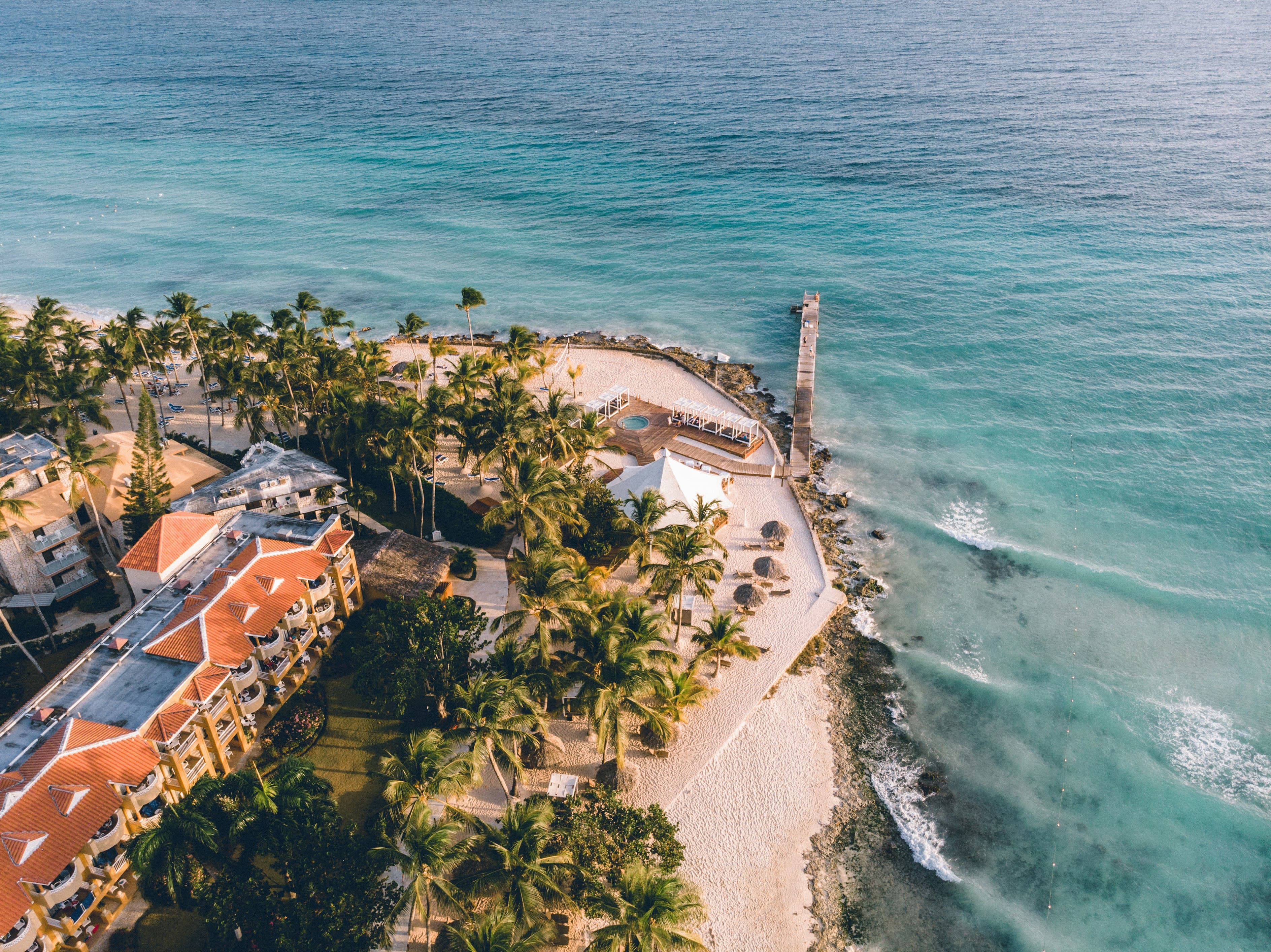
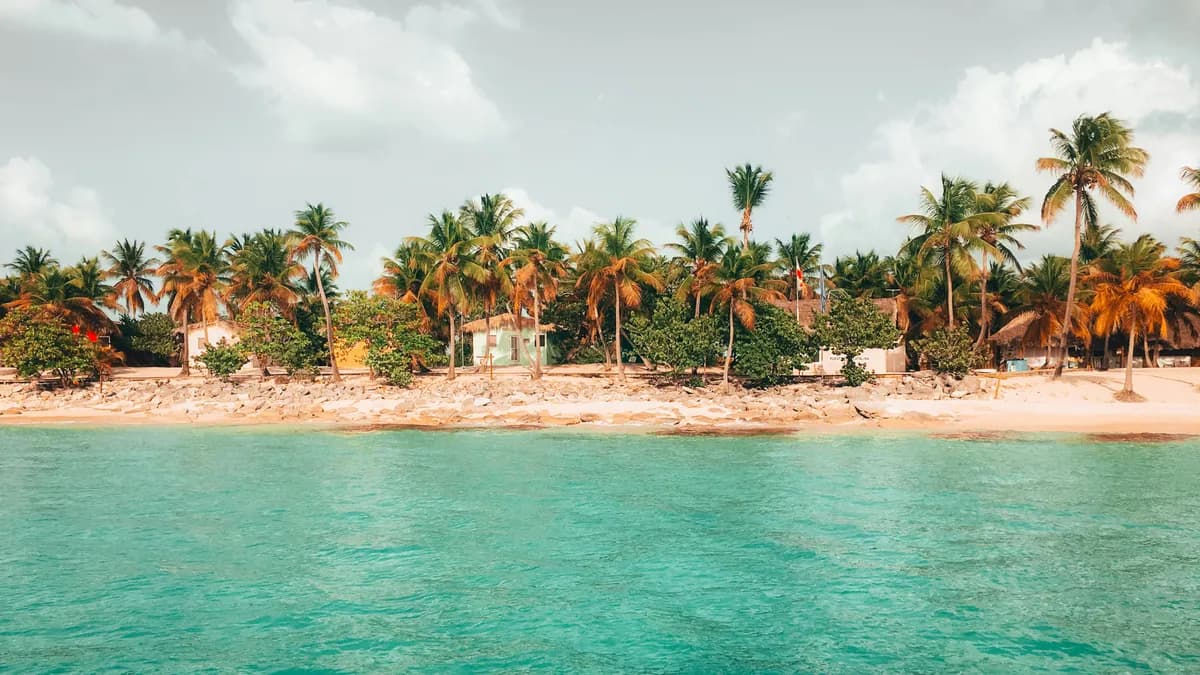
La Romana is a former sugar town turned resort gateway on the Dominican Republic southeast coast, home to Casa de Campo, the hilltop Altos de Chavon village and its Teeth of the Dog golf course, and the boat launches to Saona and Catalina islands.
La Romana
La Romana is a former sugar town turned resort gateway on the Dominican Republic southeast coast, home to Casa de Campo, the hilltop Altos de Chavon village and its Teeth of the Dog golf course, and the boat launches to Saona and Catalina islands.
La Romana sits on the Dominican Republic's southeast coast, roughly 110 km east of Santo Domingo, and wears two identities at once. It is a working sugar town built around the Central Romana mill, still the country's largest private employer, and it is a resort gateway drawing golfers, cruise passengers, and beachgoers to the coastline around it. The city itself is functional rather than scenic; the reason to come is what surrounds it, most of it within minutes of La Romana International Airport (LRM).
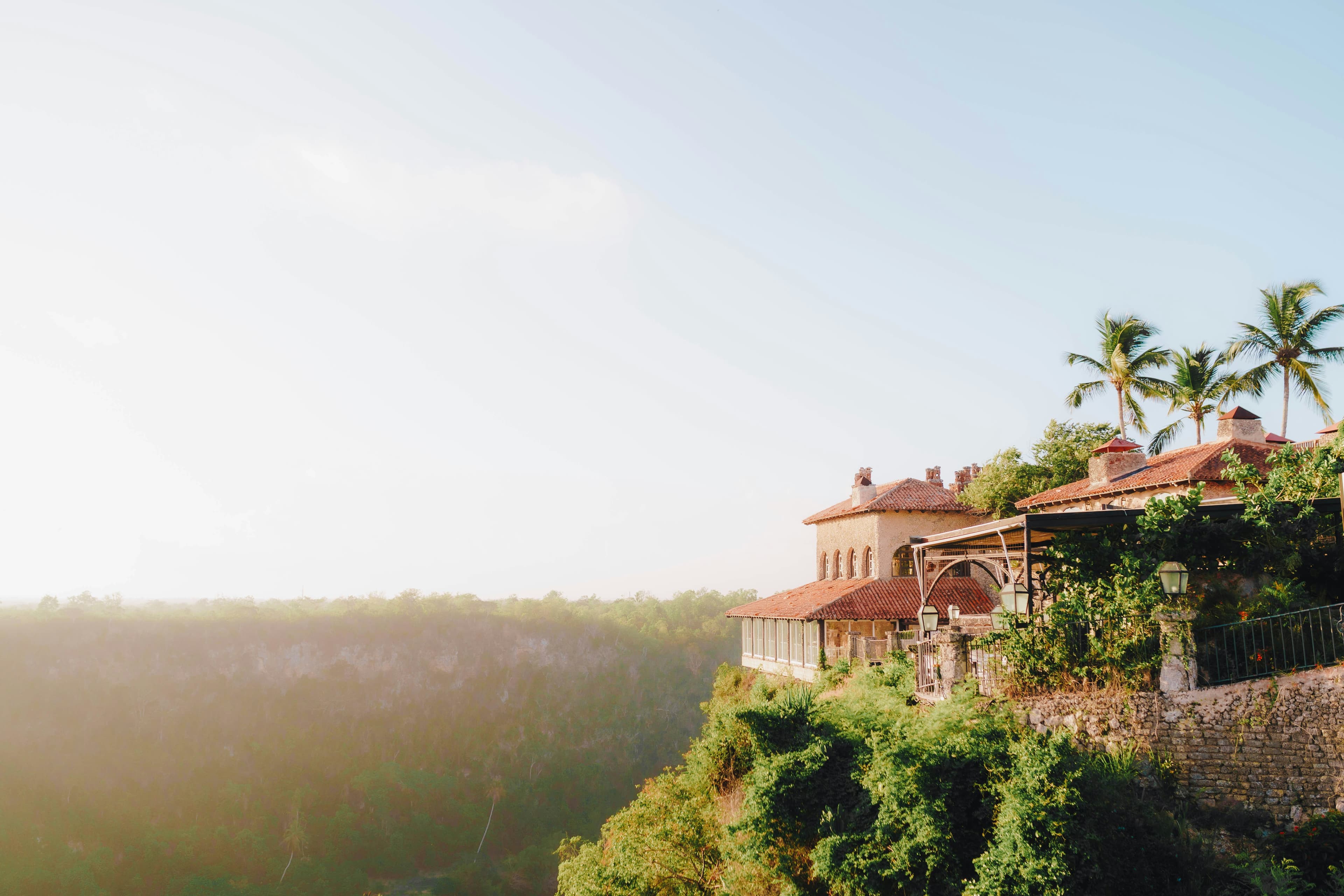
The best-known address is Casa de Campo, a 7,000-acre resort and residential community a short drive from the airport. Inside it, Altos de Chavon is a hillside village built in the late 1970s to resemble a 16th-century Mediterranean town, with cobblestone lanes, artisan workshops, and a 5,000-seat open-air amphitheater that Frank Sinatra inaugurated on August 20, 1982, and that still books touring acts. Golfers know the resort for Teeth of the Dog, Pete Dye's 1971 seaside design, which reopened in December 2025 after a $15 million restoration and ranks as the top course in the Caribbean.
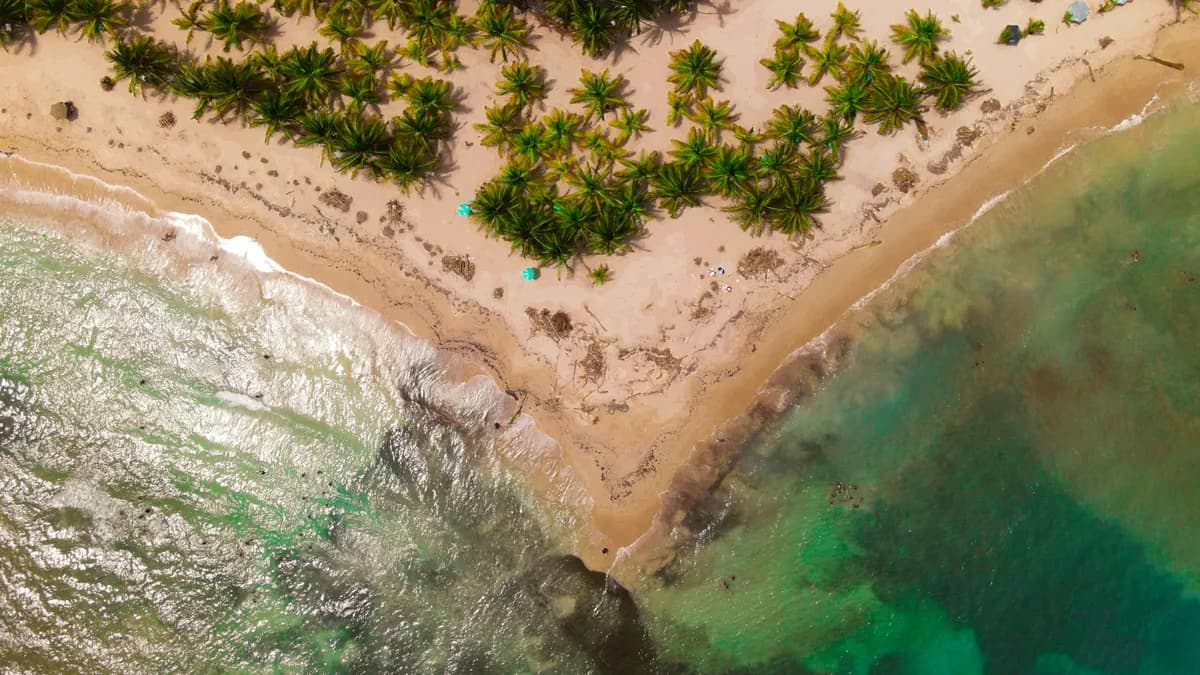
South of the resort, the fishing village of Bayahibe launches boats to Saona Island and Isla Catalina, national park waters known for shallow reefs and sandbar swimming. Bayahibe's beach and the neighboring Playa Dominicus both carry Blue Flag certification for water quality and management, and either works as a base on its own if the golf-and-villa scene at Casa de Campo is not the point.
La Romana suits travelers who want a mix rather than a single note: a morning on a course ranked among the world's best, an afternoon in an artist colony that still hosts working ceramicists and painters, and a day-long boat trip to a national park island. It pairs naturally with the region's beaches and the rest of the southeast coast.
La Romana International Airport handles seasonal direct flights from a handful of U.S. and Canadian cities; the drive from Punta Cana's airport runs about an hour to 90 minutes depending on traffic. For dinner after a beach day, Peperoni at Casa de Campo Marina and Onno's Bar in Bayahibe are worth planning around. Most visitors base themselves two to four nights, treating it as one stop on a broader southeast itinerary alongside other Dominican destinations.
La Romana is a city of contrasts — an industrial sugar cane town that also happens to host one of the most luxurious resort experiences in the Caribbean. The real draw is Casa de Campo, a 7,000-acre resort with world-class golf, a private beach, an equestrian center, and the stunning Altos de Chavón — a recreation of a 16th-century Mediterranean village perched above the Chavón River.
Beyond the resort walls, La Romana is a working Dominican city with authentic culture, vibrant markets, and a history deeply tied to the sugar industry. The Central Romana sugar mill, still operating, is one of the largest in the world.
La Romana also serves as a gateway to Bayahíbe, Isla Saona, and Isla Catalina — some of the best diving and beach destinations in the country.
Weather by month
Warm all year. Each bar's height is that month's average daily high, so the chart rises toward the warm summer; teal marks the drier months with the most reliable beach weather. Temperatures show in °F by default; switch to °C with the toggle.
Best time to visit: Jan, Feb, Mar, Apr, Jul, Nov, Dec. These months bring the most sun and the fewest rainy days; May, Jun, Aug, Sep, Oct are the wettest.
Sample itineraries
Practical information
Photo gallery
Top attractions
Activities & experiences
Where to stay
Casa de Campo Resort & Villas
★★★★★Iconic luxury resort featuring world-class golf courses, private beach, marina, and the Altos de Chavón cultural village.
Be Live Collection Canoa
★★★★All-inclusive beachfront resort with multiple restaurants, pools, and activities for all ages.
La Romana questions
Is La Romana city worth exploring?
+
Yes — the Mercado Municipal is vibrant and authentic, the Dominican restaurants serve excellent food at local prices, and the sugar cane heritage gives the city a unique character. It's a real Dominican working city, not a tourist construct.
What else is there to do besides golf?
+
Plenty — Altos de Chavón, the city market, deep-sea fishing from the marina, horseback riding, and easy day trips to Bayahíbe (30 min) for diving and Isla Saona. La Romana city itself has authentic Dominican culture and food.
How far is Bayahíbe from La Romana?
+
About 30 minutes east by car or taxi (US$20-25). Many visitors split their time between La Romana (culture, golf, Altos de Chavón) and Bayahíbe (diving, beaches, Isla Saona). They complement each other perfectly.
How much does it cost to play Teeth of the Dog?
+
Green fees are US$400 for hotel guests or US$550 for non-hotel registered guests per round, plus 18% tax; the mandatory caddie is paid separately in cash. Non-guests can play with advance reservations. It's expensive, but the seven oceanside holes make it one of the most spectacular courses in the world.
Do I need to be a Casa de Campo guest to visit Altos de Chavón?
+
No — Altos de Chavón is open to the public and free to visit. Drive in, park, and explore the Mediterranean village, artisan shops, and the amphitheater. The sunset views over the Chavón River are spectacular.
What is Altos de Chavón?
+
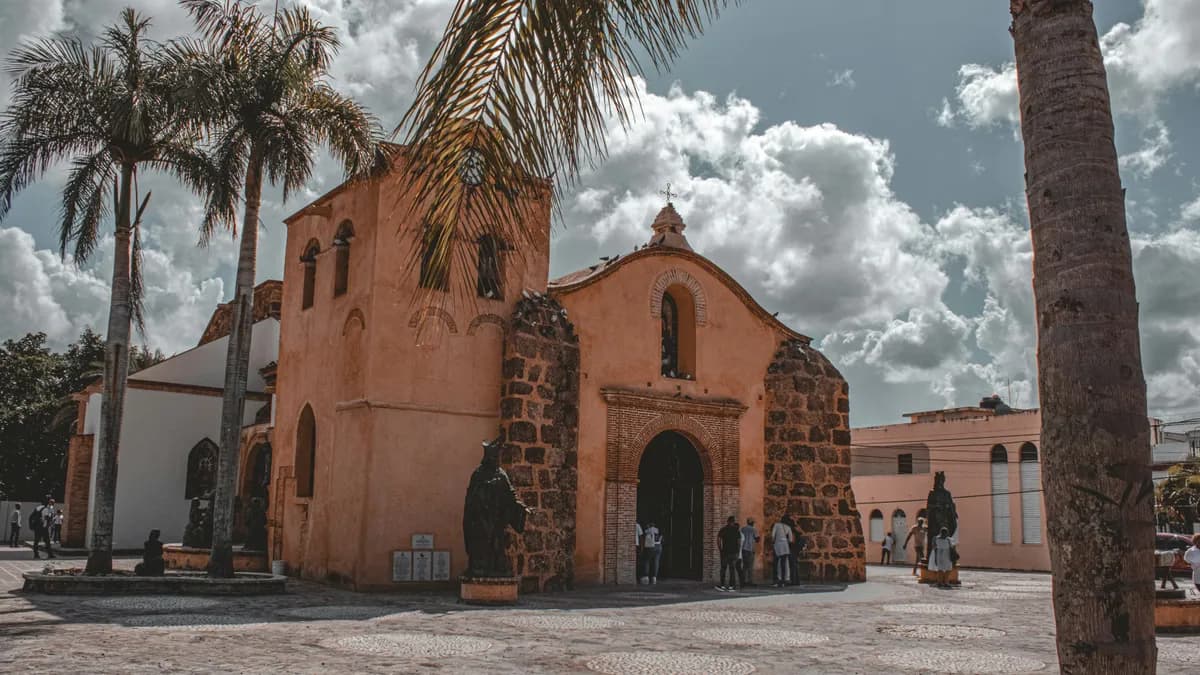
Altos de Chavón is a recreated 16th-century Mediterranean village built on the grounds of Casa de Campo resort. Constructed in the 1970s by Italian designer Roberto Coppa, it was designed to resemble a European artisan village made of coral stone. Today, it houses the Altos de Chavón School of Design affiliated with Parsons School of Design, art galleries, craft workshops, restaurants, and a 5,000-seat Grecian-style amphitheater that has hosted performers like Frank Sinatra, Elton John, and Sting. The village also contains the St. Stanislaus Church, a popular wedding venue, and offers panoramic views of the Chavón River and Caribbean Sea.
How do I visit Saona Island from La Romana?
+
Saona Island (Isla Saona) is a popular day trip from La Romana. Tours typically depart from Bayahibe beach (about 25 minutes from La Romana) and include a catamaran or speedboat ride to the island, which is part of Cotubanamá National Park (formerly East National Park). Travel time varies by boat; one operator schedules 1.5 hours for its catamaran crossing. Most excursions include time on the pristine beaches, a buffet lunch, and drinks. Some tours stop at the "natural pool," a sandbar in the middle of the sea where visitors can wade in waist-deep, crystal-clear water often filled with starfish. Book through your hotel or with reputable tour operators in La Romana or Bayahibe.
What is special about Casa de Campo resort?
+
Casa de Campo is one of the Caribbean's most exclusive resorts, spanning 7,000 acres along the La Romana coastline. It's known for its world-class golf courses, particularly the "Teeth of the Dog" designed by Pete Dye, consistently ranked among the top courses in the Caribbean. Beyond golf, the resort features a marina, an equestrian center, a shooting center, tennis courts, multiple restaurants, and a private beach at Minitas. If you're not staying at the resort, confirm your access arrangements with Casa de Campo before visiting Altos de Chavón or its restaurants. Many celebrities and wealthy individuals own private villas within the resort complex.
Keep reading
Travel Guides
Helpful guides for planning your trip to La Romana
 Luxury Romance
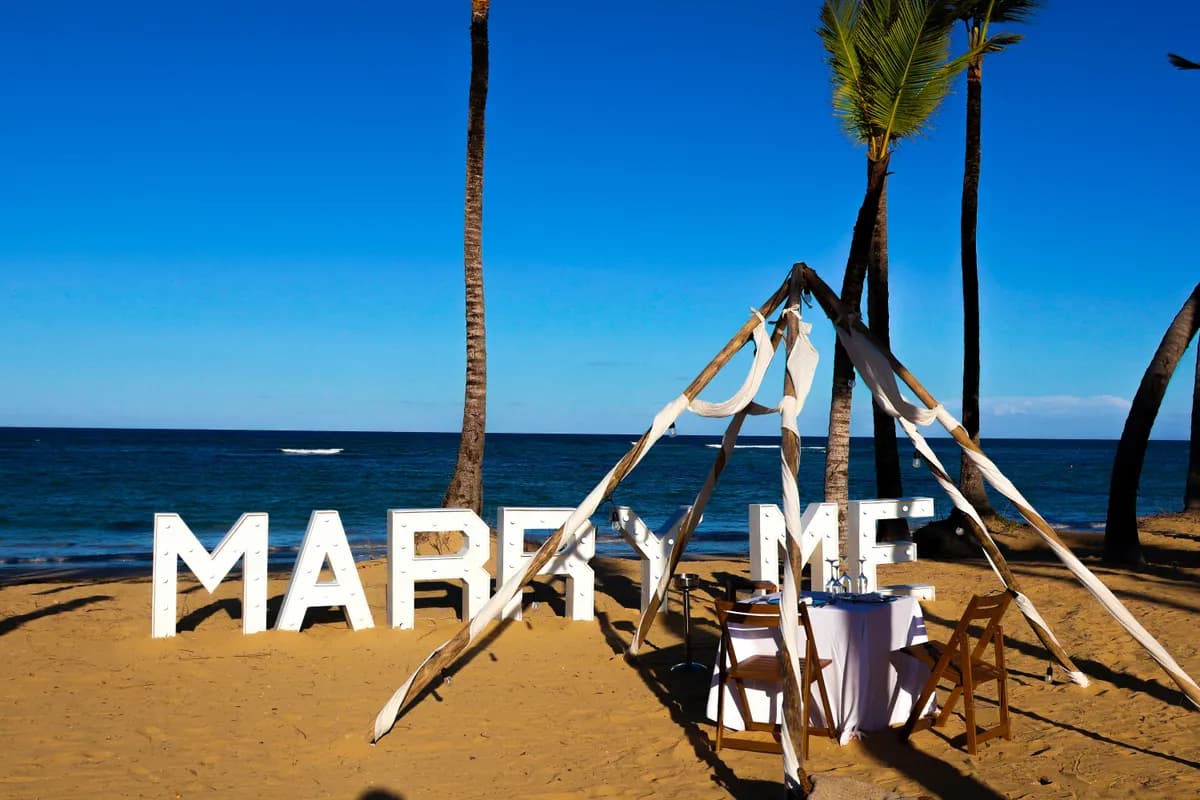
Dominican Republic Destination Wedding Guide
Dominican Republic destination wedding guide covering legal requirements, venue pricing, and a 12-month planning timeline from real vendors.
Best All-Inclusive Resorts in Dominican Republic 2026
Best all-inclusive resorts in the Dominican Republic for 2026, ranked across adults-only, family, luxury, and budget picks with real pricing.
La Romana & Bayahíbe Travel Guide
La Romana and Bayahibe travel guide to Casa de Campo, Altos de Chavon, Isla Saona boat trips, and scuba diving off Catalina island.
Best Golf Courses in the Dominican Republic Guide
Dominican Republic golf courses ranked with green fees, caddy tips, and Pete Dye designs like Teeth of the Dog in La Romana since 1971.
Cruise Port Guide: Santo Domingo, Amber Cove & More
Dominican Republic cruise port guide to Amber Cove, Taino Bay, Sans Souci in Santo Domingo, and La Romana, with excursion and time-management tips.
Saona Island Day Trip: Tours, Prices and Tips
Saona Island day trips run $60 to $180 per adult and take 8 to 13 hours. Compare Bayahibe versus Punta Cana departures, tour inclusions, and the park fee.
Keep exploring
Nearby Destinations
Explore more places near La Romana