Santiago De Los Caballeros
Santiago de los Caballeros is the Dominican Republic's second-largest city, the commercial capital of the Cibao Valley and the country's cigar-making heart, trading resort polish for history, museums, and everyday local life.
Santiago De Los Caballeros
Santiago de los Caballeros is the Dominican Republic's second-largest city, the commercial capital of the Cibao Valley and the country's cigar-making heart, trading resort polish for history, museums, and everyday local life.
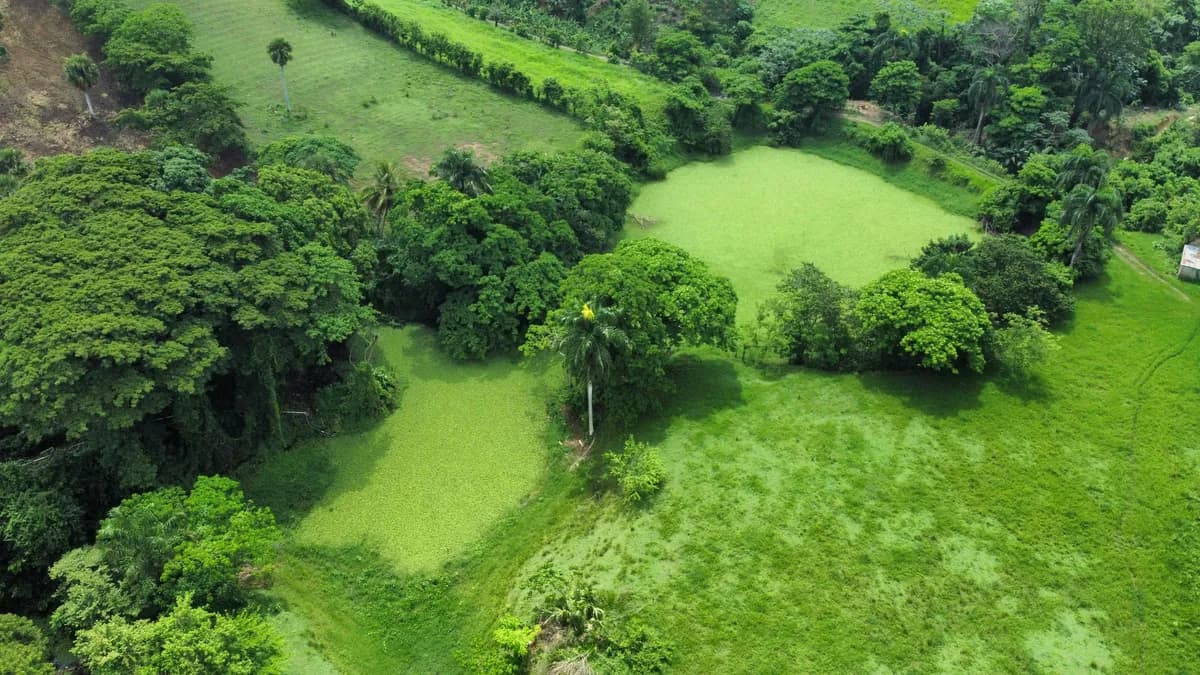
Santiago de los Caballeros sits in the middle of the Cibao Valley, the agricultural heartland of the Dominican Republic, about 155 kilometers (96 miles) northwest of Santo Domingo along the Yaque del Norte River. First established in 1495 during the earliest European settlement of the Americas, it was relocated more than once, reaching its present site after a devastating 1562 earthquake. With 771,748 residents in the municipality in the 2022 census, it is the country's second-largest city and the commercial center of the interior. This is not a beach town: it is where you go for cigars, history, and Dominican life apart from the tourist coast.
Tobacco is what put Santiago on the map. The surrounding valley grows some of the world's most sought-after cigar wrapper and filler leaf, and the city runs factory tours at makers like La Aurora, founded in 1903 and the country's oldest cigar brand. Every February the PROCIGAR Festival brings factory tours, tobacco-field visits, and cigar dinners; the 2026 edition runs February 15 to 20, opening in La Romana and closing in Santiago from the 17th onward. Rum and textiles fill out an economy built on making things, not hosting tourists.
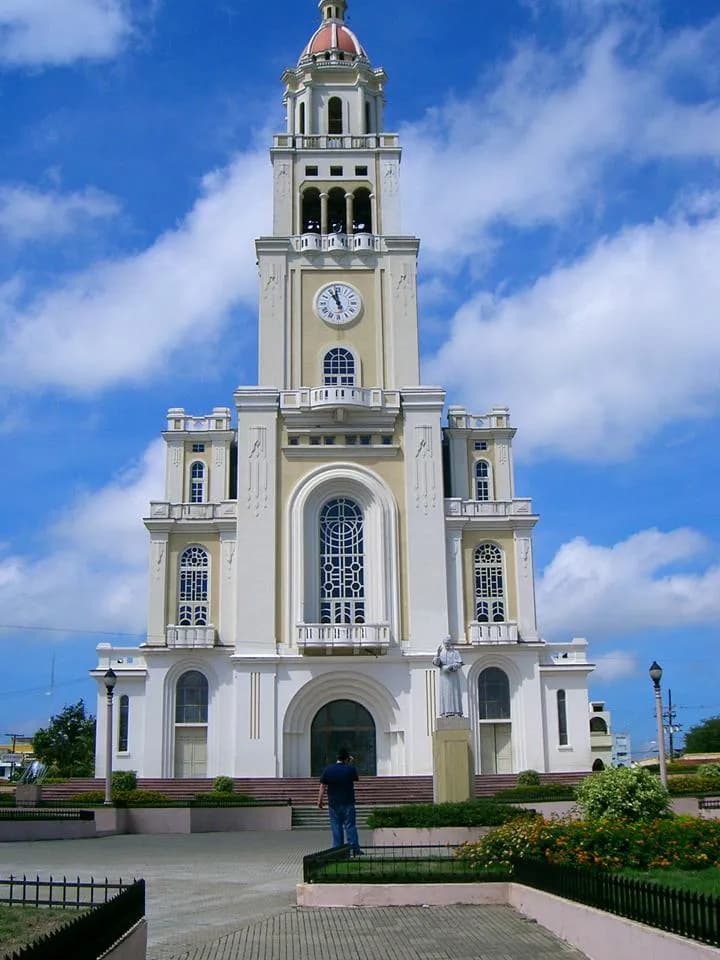
The Monumento a los Héroes de la Restauración, a 67-meter tower honoring the 19th-century war that restored Dominican independence from Spain, anchors the skyline and doubles as a museum with valley views. Centro León, endowed by the León family behind La Aurora, holds a strong collection of Taíno history, Dominican biodiversity, and 20th-century art, and ranks among the country's best museums. Fortaleza San Luis, first built in 1804 and rebuilt in stone by 1874, fought in the War of Restoration and is now a military and art museum. The historic Calle del Sol and the Los Pepines street art show the everyday city.
Santiago is served by Cibao International Airport (STI), the country's third-busiest by traffic, with JetBlue running up to twenty daily flights and a nonstop Air Europa link to Madrid; a new terminal is under construction, expected around 2027. Most visitors fly into STI or add Santiago as a day trip from the north coast, pairing the cigar and museum circuit with a meal at Camp David Ranch, Marisco Centro, or El Tablón Latino. It slots into wider itineraries through the Cibao and balances a trip built around beaches.
Santiago de los Caballeros is the Dominican Republic's second-largest city and the cultural capital of the Cibao region — the agricultural and commercial heartland of the nation. While it doesn't have beaches, Santiago offers something the coastal resort towns can't: an authentic, vibrant Dominican urban experience.
The city is known for its cigar industry (some of the world's finest cigars are rolled here), its Carnival celebrations (the "lechones" are iconic), and its thriving arts and music scene. The Monumento a los Héroes de la Restauración, a towering marble monument on a hilltop, provides panoramic views of the city and the surrounding Cibao valley.
Santiago is also a major commercial hub, meaning excellent shopping, diverse restaurants, and vibrant nightlife that caters to Dominicans rather than tourists — giving visitors a more genuine taste of modern Dominican culture.
Weather by month
Warm all year. Each bar's height is that month's average daily high, so the chart rises toward the warm summer; teal marks the drier months with the most reliable beach weather. Temperatures show in °F by default; switch to °C with the toggle.
Best time to visit: Jan, Feb, Mar, Apr, Jul, Nov, Dec. These months bring the most sun and the fewest rainy days; May, Jun, Aug, Sep, Oct are the wettest.
Sample itineraries
Practical information
Facts on this page were last compared with their sources on . Details may have changed since. How we check
Events & festivals
Where to eat
Santiago De Los Caballeros questions
Is Santiago worth visiting if I only want beaches?
+
Santiago doesn't have beaches, but it has the best cigars, the finest art museum (Centro León), excellent nightlife, and the most authentic Dominican urban experience. Plus, Puerto Plata's beaches are just 1 hour north. Many visitors combine both.
What is Centro León?
+
The finest contemporary art museum in the Caribbean, built by the León family (rum and tobacco magnates). It houses Dominican and Caribbean art, historical exhibits, and rotating international exhibitions. It's genuinely world-class and should not be missed.
Is Santiago safe for tourists?
+
Santiago is a real Dominican city — exercise the same precautions you would in any large Latin American city. Stick to well-lit commercial areas, use Uber rather than walking long distances, and don't flash expensive items. The monument area and upscale neighborhoods are generally safe.
What's the food scene like?
+
Excellent and diverse. Pez Dorado for Chinese-Dominican fusion, Kukaramakara for upscale Dominican, El Tablón Latino for grilled meats, and dozens of local comedores for authentic daily fare. The Cibao region produces the best agricultural products in the country.
Where can I buy authentic Dominican cigars?
+
The La Aurora factory store offers the best prices on premium cigars. Also visit the cigar shops along Calle del Sol. Avoid street vendors — quality is unreliable.
Keep exploring
Nearby Destinations
Explore more places near Santiago De Los Caballeros