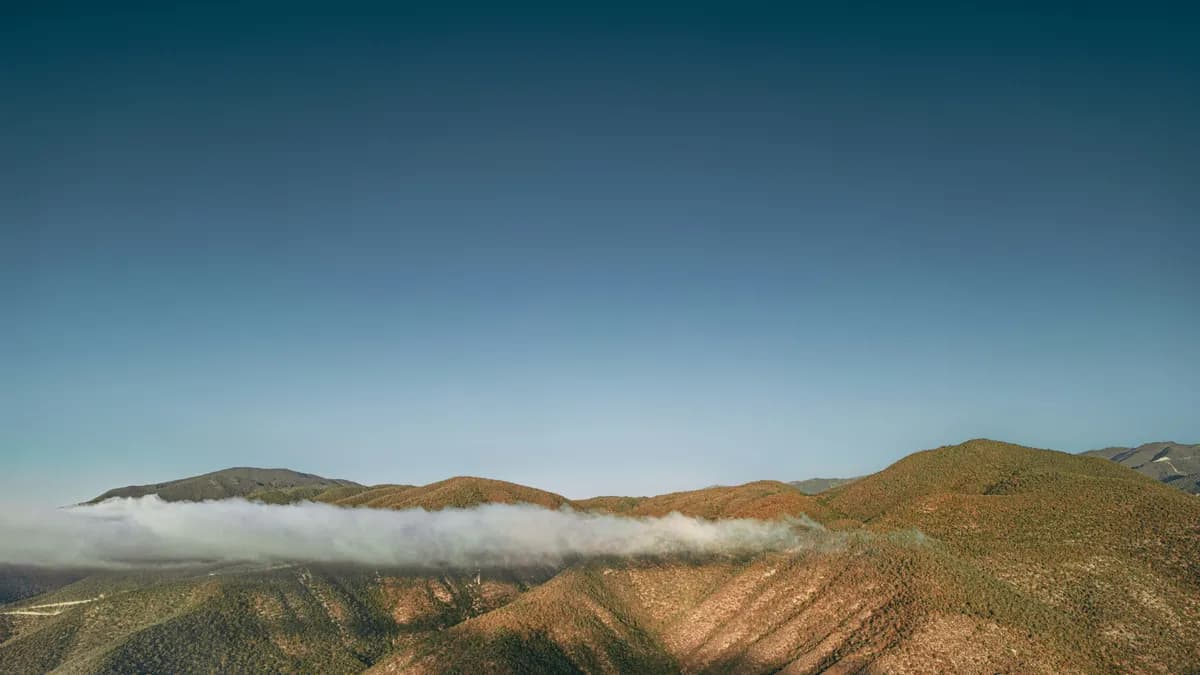
Enriquillo
A quiet fishing town on Barahona's cliffside coastal highway in the southwest Dominican Republic, backed by the Sierra de Bahoruco and fronting the Caribbean. Two little-visited beaches, a scenic drive in, and the road onward toward Pedernales make it an honest overnight stop, not a resort.
Enriquillo
A quiet fishing town on Barahona's cliffside coastal highway in the southwest Dominican Republic, backed by the Sierra de Bahoruco and fronting the Caribbean. Two little-visited beaches, a scenic drive in, and the road onward toward Pedernales make it an honest overnight stop, not a resort.
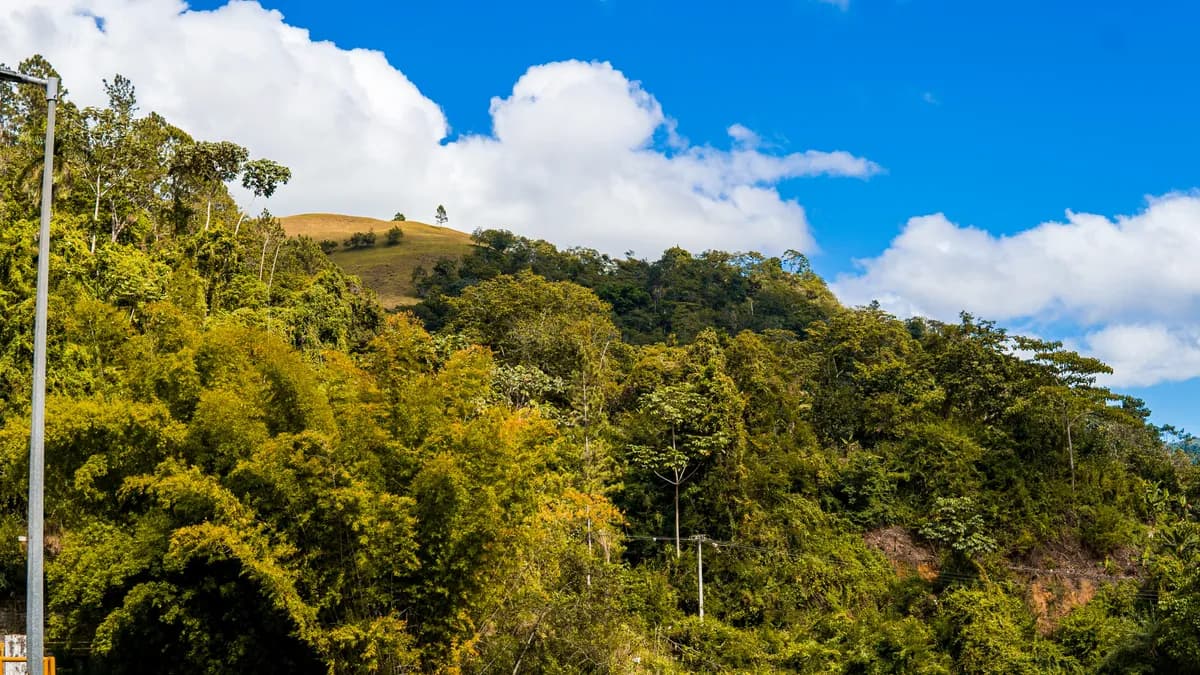
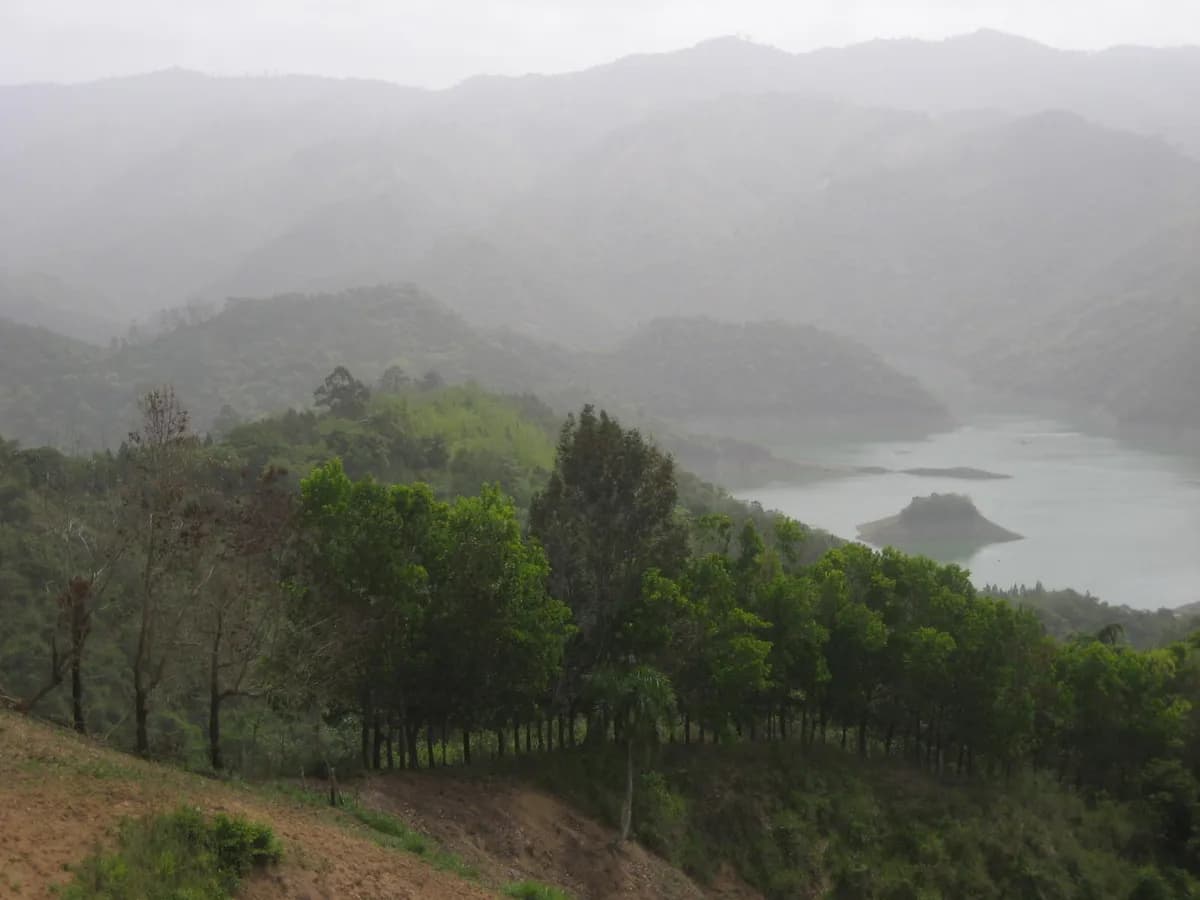
Enriquillo is a coastal municipality of 12,523 people in the 2022 census in Barahona province, on the southwest coast of the Dominican Republic. It sits on the Carretera Enriquillo, the cliffside highway that runs from Barahona city toward Pedernales, with the Sierra de Bahoruco rising directly behind the town and the Caribbean Sea in front of it. This is not a resort town. It is a working fishing community, and a sensible overnight stop for travelers heading down the southwest coast rather than a place to fly into on its own.
La Chorrera is a local bathing site, listed by Civil Defence as a pool. The municipality describes the Charco de Llena velas among its beaches bathed by the Caribbean Sea. Inland, the terrain climbs fast into the Sierra de Bahoruco, one of the country's most biodiverse mountain ranges.
One point worth clearing up: Enriquillo the town and Lake Enriquillo, the hypersaline lake often mentioned alongside it, share a name but not a location. Both are named for Enriquillo, the Taíno cacique who led a rebellion against Spanish colonizers in the early 16th century. The lake sits inland, well below sea level, on the far side of the Sierra de Bahoruco, and it is the largest lake in the Caribbean. Boat trips out to Isla Cabritos to see American crocodiles and, in season, flamingos leave from La Descubierta on the lake's north shore, not from the town, so seeing both in a day means a real drive around the mountains.
The drive in is part of the appeal. The coast road out of Barahona runs roughly 47 kilometers through Paraíso and San Rafael before reaching town, regularly cited as one of the more scenic drives in the country, with the mountains dropping straight into the sea. Playa Los Patos, where a short freshwater river meets the Caribbean, sits along this highway near Paraíso and is worth a stop either direction. Beyond Enriquillo, the road continues toward Pedernales and the Haitian border, roughly two hours total from Barahona.
Enriquillo works best as one stage of a longer southwest loop: a night or a meal here, time on its beaches, and a detour toward the Sierra de Bahoruco or across to Lake Enriquillo for wildlife, before continuing to Pedernales or back up the coast. It has few restaurant listings or curated itineraries built around it yet, which is itself the honest pitch: this is still a stop for travelers who want the southwest coast on its own terms.
Lago Enriquillo is a separate inland excursion from the coastal municipality of Enriquillo. This hypersaline lake sits 40 meters below sea level in a dramatic rift valley between the Sierra de Neiba and Sierra de Bahoruco mountains.
The lake is home to a population of American crocodiles, as well as rhinoceros iguanas and flamingos. Isla Cabritos, a national park island within the lake, offers the surreal experience of walking among wild iguanas in a cactus-studded landscape that feels more like the Galápagos than the Caribbean.
This is deep Dominican Republic — far from any tourist trail, fiercely hot, and absolutely unforgettable. If you want a nature experience that no other Caribbean island can match, Enriquillo delivers.
Weather by month
Warm all year. Each bar's height is that month's average daily high, so the chart rises toward the warm summer; teal marks the drier months with the most reliable beach weather. Temperatures show in °F by default; switch to °C with the toggle.
Best time to visit: Jan, Feb, Mar, Apr, Jul, Nov, Dec. These months bring the most sun and the fewest rainy days; May, Jun, Aug, Sep, Oct are the wettest.
Sample itineraries
Practical information
Photo gallery
Facts on this page were last compared with their sources on . Details may have changed since. How we check
Enriquillo questions
Can you swim in Lago Enriquillo?
+
No — the lake is hypersaline (saltier than the ocean) and home to a large population of American crocodiles. It's strictly an observation destination. Boat tours to Isla Cabritos keep a safe distance from wildlife.
How hot does it get?
+
Extremely hot — temperatures regularly exceed 40°C (104°F) in this low-elevation rift valley. Visit early morning (6-10am), bring copious water, wear a hat, and use strong sunscreen. This is one of the hottest inhabited places in the Caribbean.
What wildlife will I see?
+
American crocodiles (the lake has one of the largest populations in the world), rhinoceros iguanas (dozens on Isla Cabritos), flamingos, roseate spoonbills, and various waterbirds. The wildlife viewing is genuinely world-class.
Are there hotels near the lake?
+
Very limited. Basic hotels in Neiba offer simple rooms from US$15-30/night. Most visitors explore the lake as a day trip from Barahona (1.5 hours) or Santo Domingo (3.5 hours).
Do I need a guide?
+
Yes — boat access to Isla Cabritos requires a boatman from La Azufrada. They know the crocodile locations and safe landing spots. Confirm the current boat price before departure.
Keep exploring
Nearby Destinations
Explore more places near Enriquillo