La Vega
La Vega anchors the fertile Vega Real in the Cibao Valley, a founding-era Spanish settlement that grew rich on colonial gold and now draws visitors for what it calls the oldest carnival in the Americas and its gateway roads into the Cordillera Central.
La Vega
La Vega anchors the fertile Vega Real in the Cibao Valley, a founding-era Spanish settlement that grew rich on colonial gold and now draws visitors for what it calls the oldest carnival in the Americas and its gateway roads into the Cordillera Central.
La Vega is the capital of La Vega Province in the Cibao Valley, one of the oldest Spanish settlements in the Americas. Christopher Columbus built a fortress here in 1494 to guard the route to the interior gold fields, and the town his brother Bartholomew founded the following year grew into one of the wealthiest cities in the hemisphere on gold from the surrounding Vega Real. A December 1562 earthquake leveled that original settlement; survivors rebuilt a few kilometers away, on the banks of the Camú River, at the current site. La Vega suits travelers who want Dominican history and culture without a beach itinerary, and anyone using the central highlands as a base for the rest of a trip.
The city's identity is inseparable from the Vegano Carnival, widely billed as the oldest carnival tradition in the Americas, though historians still argue over whether its roots reach the early 1500s or a later revival. It runs every Sunday through February, with the biggest parade falling on or near Independence Day, February 27. The signature figure is the Diablo Cojuelo, a limping devil in a horned mask who works the crowd with a vejiga, an inflated cow bladder used as a whip. Family-run workshops build the costumes by hand year-round, and the Museo del Carnaval Vegano, opened in 2018 inside the late-19th-century Don Zoilo building downtown, displays masks and costumes off-season.
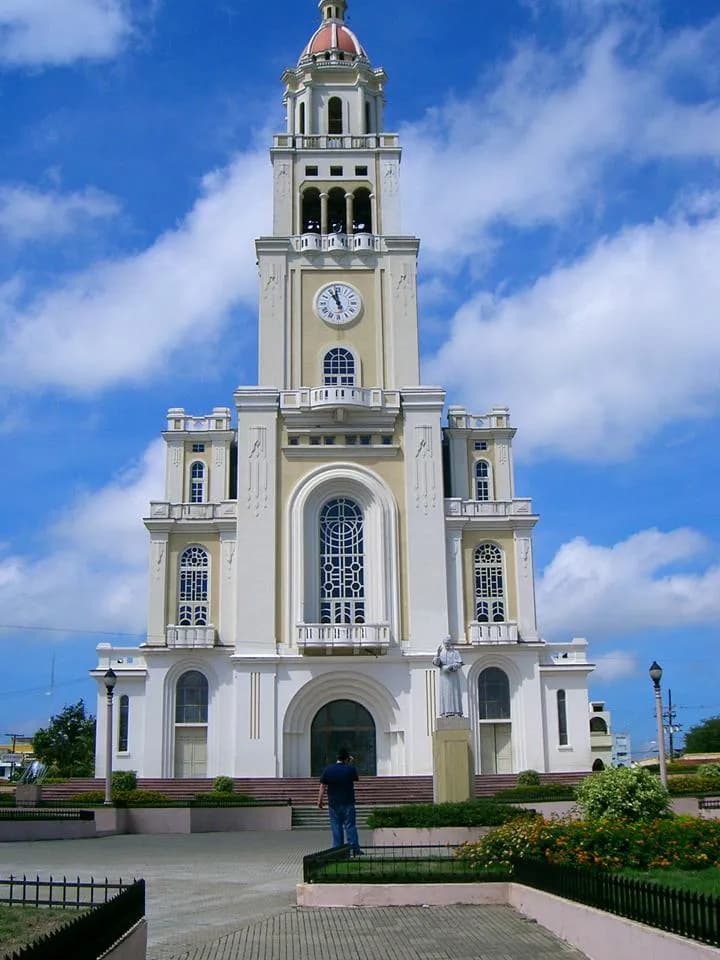
The other major draw is Santo Cerro, a hilltop sanctuary northwest of downtown where, by tradition, Columbus planted a cross during a 1495 battle with the Taíno. The white sanctuary church, built from the early 1880s over about 17 years, honors Nuestra Señora de las Mercedes, patron saint of the Dominican Republic, and draws a national pilgrimage every September 24. In town, the rebuilt Immaculate Conception Cathedral anchors the historic center, and the ruins of the first city sit preserved as an archaeological park at La Vega Vieja. Cacao, coffee, and tobacco farms still ring the city.
La Vega is the practical staging point for the mountain towns of Jarabacoa and Constanza, reached by paved roads climbing out of the valley into cooler air. It sits roughly 125 kilometers, about two hours by car, from Santo Domingo, and around 36 kilometers from Santiago de los Caballeros. There is no commercial airport in the city; travelers fly into Santiago or Santo Domingo and drive in. February is the obvious month for carnival, though the shrine, museum, and ruins run year-round and pair naturally with a highlands trip through the Dominican interior.
La Vega is the Carnival capital of the Dominican Republic. Every Sunday in February, the city erupts in a spectacle of elaborate costumes, papier-mâché devil masks, and pulsating merengue rhythms that rivals any celebration in the Caribbean.
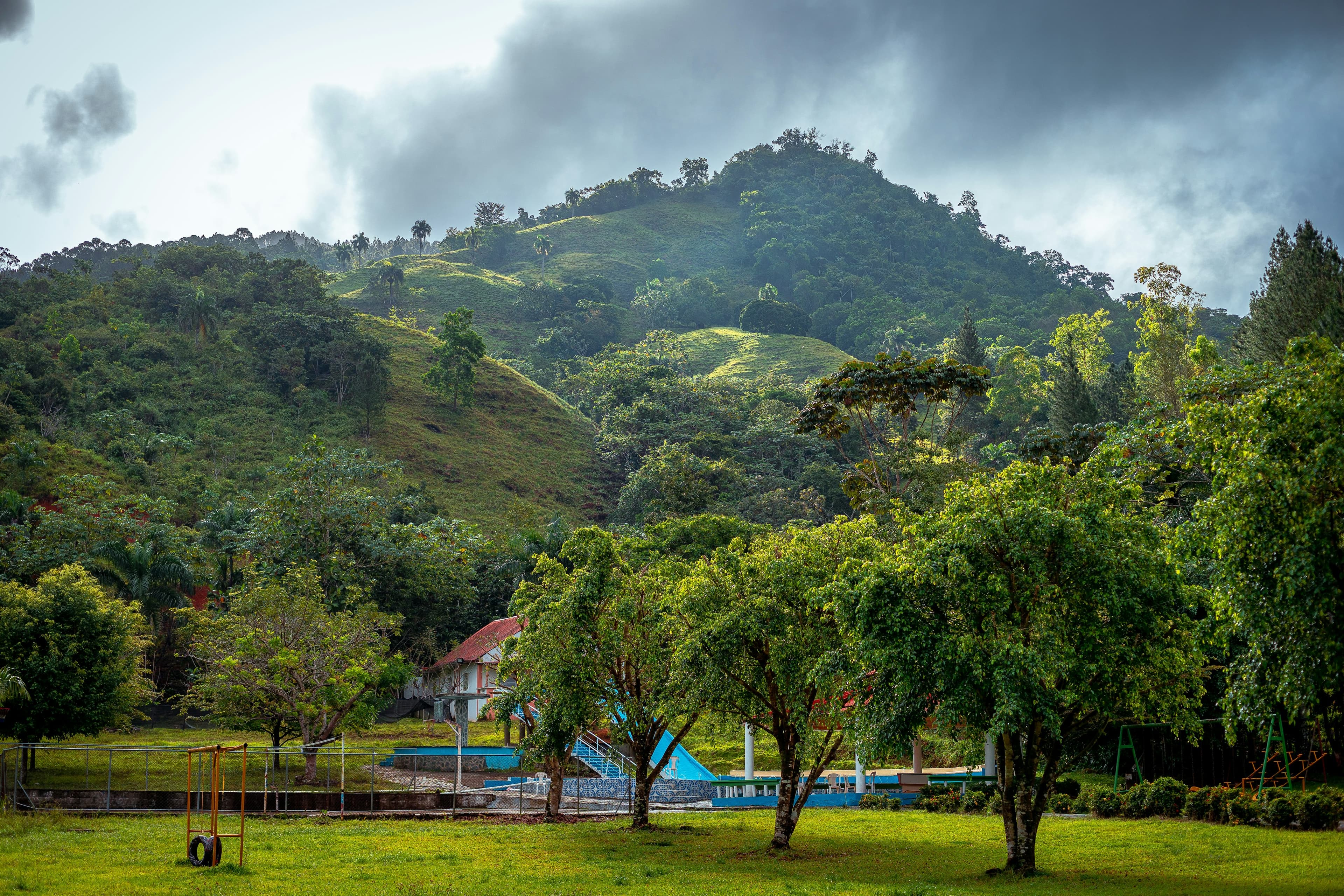
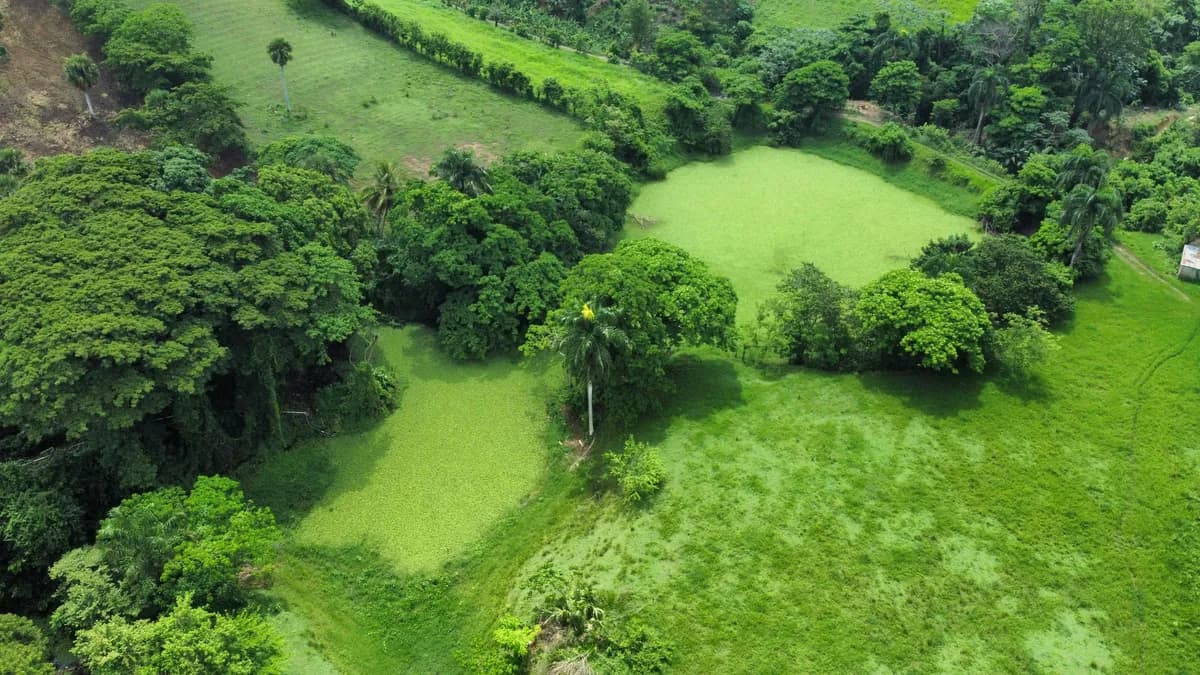
Outside of Carnival season, La Vega is a prosperous agricultural city in the heart of the Cibao valley — the breadbasket of the nation. The Santo Cerro pilgrimage site, the ruins of La Vega Vieja (a settlement founded by Columbus), and the lush countryside offer cultural depth that most visitors to the DR never discover.
La Vega is also the gateway to the mountain towns of Jarabacoa and Constanza, making it a natural stop on any circuit of the interior.
Weather by month
Warm all year. Each bar's height is that month's average daily high, so the chart rises toward the warm summer; teal marks the drier months with the most reliable beach weather. Temperatures show in °F by default; switch to °C with the toggle.
Best time to visit: Jan, Feb, Mar, Apr, Jul, Aug, Nov, Dec. These months bring the most sun and the fewest rainy days; May, Jun, Sep, Oct are the wettest.
Sample itineraries
Practical information
Photo gallery
Facts on this page were last compared with their sources on . Details may have changed since. How we check
La Vega questions
When is Carnival in La Vega?
+
Every Sunday in February. The festivities typically run from noon to evening. La Vega's Carnival is the largest and most elaborate in the DR, featuring the famous "diablos cojuelos" in spectacular horned masks.
What else is there to do besides Carnival?
+
Visit Santo Cerro (hilltop pilgrimage site with valley views), explore the ruins of La Vega Vieja (Columbus-era settlement), and tour the Cibao valley countryside. La Vega is also the gateway to Jarabacoa and Constanza for mountain adventures.
Can I visit La Vega as a day trip?
+
Absolutely. From Santo Domingo (1.5 hours) or Santiago (45 minutes), La Vega works perfectly as a day trip. During Carnival season, this is the most practical approach given limited hotel availability.
Where should I eat in La Vega?
+
Try the local dulce de leche (milk caramel sweets) sold at roadside stands — La Vega is famous for them. For a full meal, comedores in the city center serve excellent Dominican staples. The region's agricultural bounty means exceptionally fresh produce.
Is it safe to attend Carnival?
+
Yes, but expect to get "whipped" by the diablos — they use inflated bladders that sting. To avoid a hit, watch from the área de no vejiga. Wear long sleeves and pants for protection. Stay alert, protect your valuables, and embrace the chaos. It's all in good fun.
Keep exploring
Nearby Destinations
Explore more places near La Vega