San Francisco de Macorís
Dominican Republic's cacao capital in the Cibao Valley: working plantations with fermentation-to-bar tours, a Gothic-and-modern cathedral, winter-league baseball, and the Loma Quita Espuela cloud-forest reserve, all inland and rarely touristed.
San Francisco de Macorís
Dominican Republic's cacao capital in the Cibao Valley: working plantations with fermentation-to-bar tours, a Gothic-and-modern cathedral, winter-league baseball, and the Loma Quita Espuela cloud-forest reserve, all inland and rarely touristed.
San Francisco de Macorís is the working capital of Dominican cacao, a Cibao Valley city of roughly 200,000 people that grew rich on cocoa and rice and never dressed up for tourists. It sits inland, about 135 kilometers northeast of Santo Domingo via the Autopista Duarte and roughly an hour from Cibao International Airport in Santiago. This is no beach town on the beaches circuit; it is where much of the country's export-grade cacao is grown, fermented, and dried before it becomes chocolate.
Founded in 1778, the city earned its nickname Tierra del Cacao honestly, and the Dominican Republic ranks among the world's top ten cocoa producers. The clearest way to see that trade in motion is El Sendero del Cacao, a guided tour on the Hacienda La Esmeralda estate run by the Rizek family, who have worked cacao here for more than a century. Visitors walk the groves, handle beans through fermentation and drying, and taste the fruit-forward profile the farm is known for, a more grounded experience than a resort chocolate tasting.
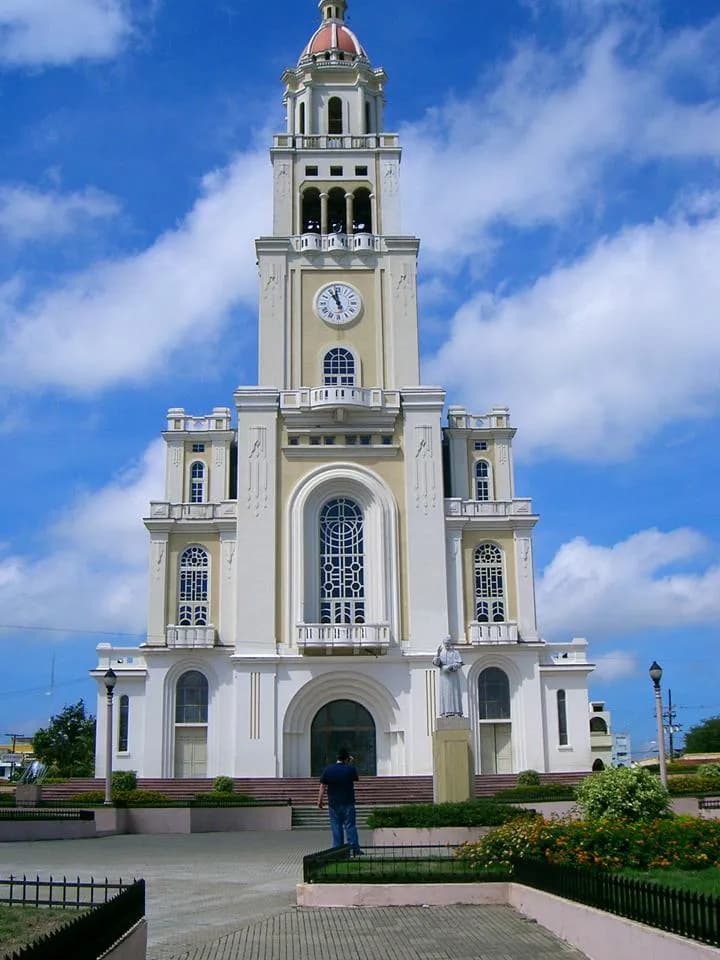
In town, the Santa Ana Cathedral mixes Gothic massing with a modern facade and anchors a compact core of merchant mansions built on cacao and rice money. Baseball matters here as much as chocolate: the Gigantes del Cibao play winter-league ball at the 12,000-seat Estadio Julián Javier, opened in 1975 and named for Julián Javier, a slick-fielding second baseman born here who won two World Series with the St. Louis Cardinals in the 1960s. A league game in season is one of the more honest nights out in the interior.
Just outside the city, the Loma Quita Espuela Scientific Reserve protects about 72.5 square kilometers of humid subtropical forest, rising to a 985-meter peak and known as the source of dozens of rivers. It is the clearest counterpoint to the plantations below: dense broadleaf forest, marked trails, and endemic Cibao birdlife, away from the busier national parks south.
Most visitors treat San Francisco de Macorís as a day trip or overnight stop rather than a base. Pair the cacao tour with the cathedral and historic center, then head to Loma Quita Espuela or on toward Samaná and the north coast. It works as an inland counterweight on a coastal itinerary, and the province's kitchens lean on the same rice and cacao economy, worth checking against the wider restaurants list. Compare it with the country's other interior destinations to see how differently the Cibao reads.
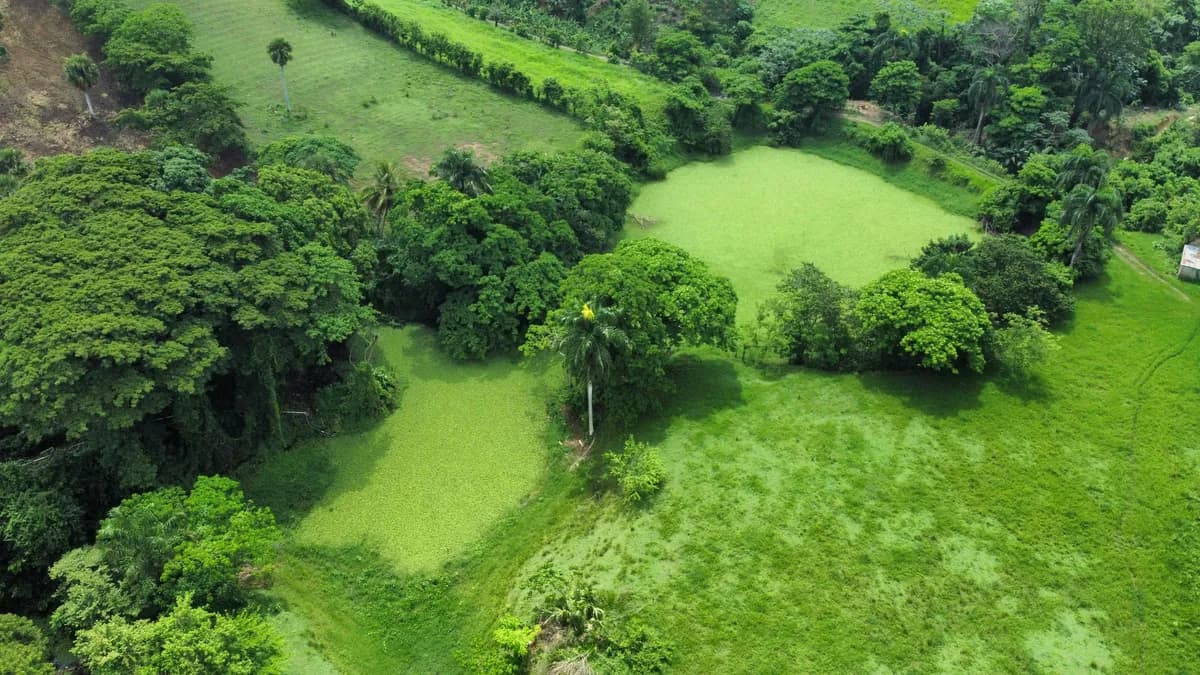
San Francisco de Macorís is the cacao capital of the Dominican Republic — the bustling commercial heart of a region that produces some of the finest cacao beans on earth. In the lush Cibao Oriental valley surrounding the city, thousands of hectares of cacao trees grow under the shade of towering tropical hardwoods, creating a landscape that is both agriculturally productive and strikingly beautiful.
The Dominican Republic is one of the world's top cacao exporters, and a significant portion of that output comes from the plantations around San Francisco de Macorís. Premium chocolate makers from Belgium, Switzerland, and the United States source their beans from this very region. Visiting here means going straight to the source — walking through working plantations, cracking open fresh cacao pods, and tasting artisan chocolate made from beans harvested that same week.
Beyond cacao, San Francisco de Macorís is a dynamic, prosperous city with a vibrant commercial center, excellent restaurants, and a lively nightlife scene that rivals much larger Dominican cities. It's a place where agricultural tradition meets modern urban energy — a combination that gives visitors a fascinating and nuanced portrait of Dominican life in the interior.
Weather by month
Warm all year. Each bar's height is that month's average daily high, so the chart rises toward the warm summer; teal marks the drier months with the most reliable beach weather. Temperatures show in °F by default; switch to °C with the toggle.
Best time to visit: Jan, Feb, Mar, Apr, Jul, Nov, Dec. These months bring the most sun and the fewest rainy days; May, Jun, Aug, Sep, Oct are the wettest.
Sample itineraries
Practical information
San Francisco de Macorís questions
Why is San Francisco de Macoris called the cacao capital?
+
San Francisco de Macoris and the surrounding Duarte province produce the majority of the Dominican Republic's cacao, which is among the finest in the world. The warm, humid climate and fertile soil of the Cibao Valley create ideal growing conditions. Dominican cacao is prized by artisan chocolate makers worldwide, and the city is the commercial hub of this industry.
How do I get to San Francisco de Macoris?
+
San Francisco de Macoris is about 135 km (2 hours) north of Santo Domingo via the Autopista Duarte and then northeast. Caribe Tours runs multiple daily buses for around RD$350-400 (US$6-7). From Santiago, the drive is about 1.5 hours east. The closest airport is Cibao International (STI) in Santiago, about 90 km west.
How many days should I spend here?
+
One to two days is sufficient. Spend a day on a cacao tour and exploring the city center. If you combine it with Salcedo (Mirabal Sisters Museum) or Moca, plan for two days in the area. The city has good hotels and restaurants that serve as a comfortable base for exploring the eastern Cibao.
What local food should I try?
+
Try the local cacao-based hot chocolate drink, which is rich and aromatic. The area is also known for excellent Dominican staples: sancocho (hearty stew), mangu (mashed plantains), and fresh river crayfish when in season. A good meal at a local restaurant costs RD$300-600 (US$5-10). Street vendors sell cacao fruit and fresh tropical juices.
Can I take a chocolate workshop or cacao tour?
+
Yes, several cacao farms and cooperatives in the San Francisco area offer tours that include walking through cacao groves, learning about fermentation and drying, and tasting raw cacao and finished chocolate. Some offer hands-on workshops where you make your own chocolate. Tours range from RD$500-2,000 (US$9-35). Contact El Sendero del Cacao or ask locally for current options.
What else is there to do in San Francisco de Macoris?
+
Beyond cacao, the city has a vibrant market, a pleasant central park, and a growing culinary scene. The surrounding countryside offers rice paddies, river swimming spots, and mountain foothills. Salto de La Jalda is an attraction associated with Miches; plan it as a separate trip.
Keep exploring
Nearby Destinations
Explore more places near San Francisco de Macorís