Moca
Moca, capital of Espaillat province in the Cibao Valley, is nicknamed "La Villa Heroica" for the Mocanos who shaped Dominican history, from the 1861 Grito de Moca to the fall of two dictators. Today it is a working farm town known for coffee, cacao, and a landmark 1946 church.
Moca
Moca, capital of Espaillat province in the Cibao Valley, is nicknamed "La Villa Heroica" for the Mocanos who shaped Dominican history, from the 1861 Grito de Moca to the fall of two dictators. Today it is a working farm town known for coffee, cacao, and a landmark 1946 church.
Moca is the capital of Espaillat province, in the Cibao Valley about 18 kilometers east of Santiago on the road toward Salcedo. At 183 meters elevation, it sits in one of the country's most productive farm belts, often called the agricultural capital of the Dominican Republic. At the edge of town the Monumento al Agricultor, opened in 1980 in honor of the rural farmer, is described locally as the only monument of its kind in the country. Moca is a working town, not a resort stop, for travelers who want the Cibao beyond the coast.
History gave Moca its nickname, La Villa Heroica, the Village of Heroes. On May 2, 1861, Mocanos led by Jose Contreras, Jose Maria Rodriguez, Jose Inocencio Reyes, and Cayetano Germosen launched the first armed uprising against the Spanish annexation of the republic, remembered as the Grito de Moca; Contreras and others were executed weeks later, and the revolt fed into the Restoration War two years on. Mocanos later joined the movements that toppled dictators Ulises Heureaux and Rafael Trujillo. That thread ties Moca to nearby Salcedo, home of the Museo Hermanas Mirabal in the preserved house of the three Mirabal sisters killed under Trujillo in 1960.
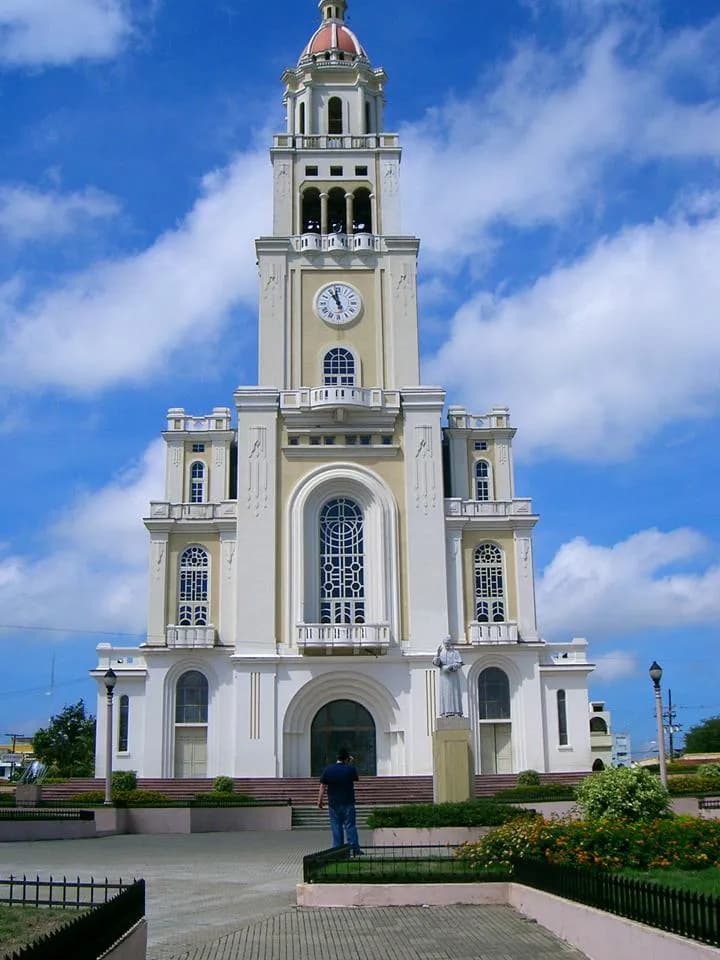
The town's visual anchor is the Iglesia Sagrado Corazon de Jesus, begun in 1946 to a design by architect Humberto Ruiz Castillo and inaugurated in 1956. Its bell tower rises about 60 meters , and the nave holds stained glass brought from Italy depicting scenes from the life of Christ. The state named it national monumental patrimony in 2006.
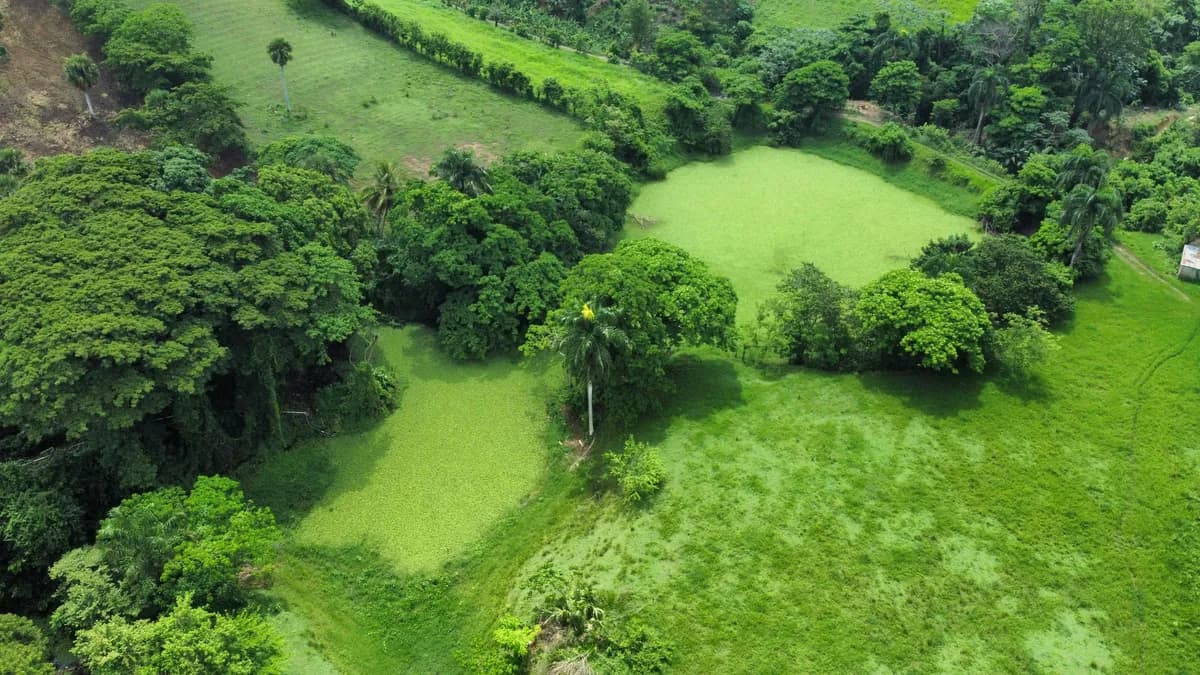
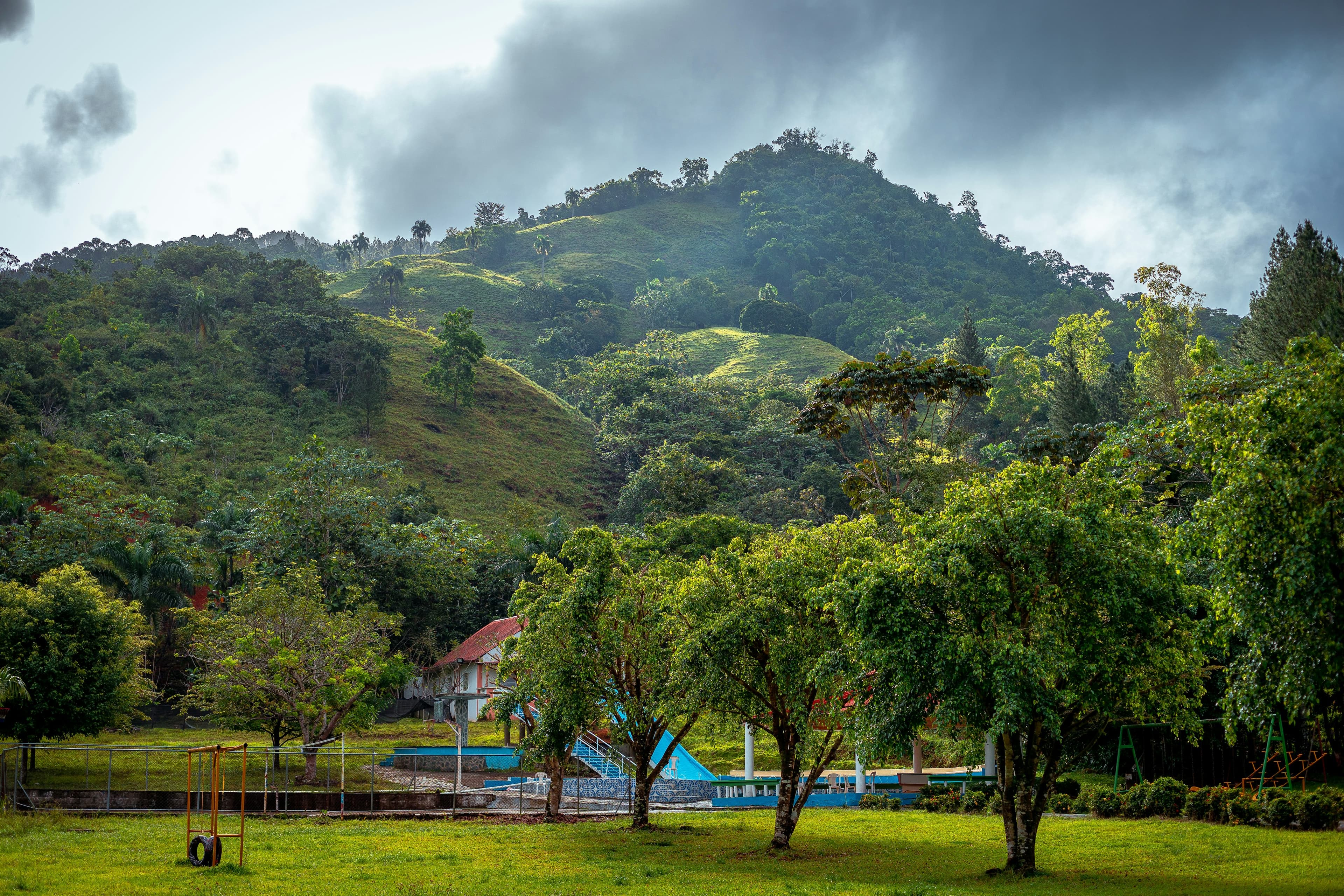
Agriculture is not a backdrop here, it is the point. The hills around Moca grow well-regarded coffee at an elevation suited to arabica, alongside cacao that feeds the country's chocolate trade and everyday plantain, cassava, and poultry farming. Small operators in town and outlying districts run coffee and cacao visits covering picking, drying, and roasting, a counterpart to the beaches most visitors see first.
Moca works as a detour rather than a base. Cibao International Airport (STI) near Santiago is closest, a short drive of under 20 kilometers, while Gregorio Luperon International Airport (POP) in Puerto Plata sits about 68 kilometers north. Most travelers arrive by car from Santiago, folding Moca into a loop with Salcedo. Pair a visit with a cup from a Cibao roaster, covered in our restaurants guide, among other inland destinations, and check our itineraries for sequencing valley towns with the coast.
Moca is the City of Heroes — a proud Cibao town that played a pivotal role in Dominican independence and carries that fierce spirit to this day. It was here that the tyrant Ulises Heureaux was assassinated in 1899, and the town's revolutionary heritage runs through every street and plaza.
Beyond its history, Moca is a working agricultural center at the heart of one of the most fertile regions in the Caribbean. The surrounding hillsides are blanketed with coffee plants and cacao trees, and the town serves as a hub for farmers bringing their harvests down from the Cordillera Septentrional. The local economy pulses with the rhythm of these crops — visit during harvest season and you'll smell roasting coffee drifting through the streets.
The crown jewel of Moca is the Iglesia Sagrado Corazón de Jesús, one of the most ornate and beautiful churches in the entire Dominican Republic. Its soaring bell tower and elaborate interior rival anything in Santo Domingo, yet it receives a fraction of the visitors. For travelers seeking authentic Cibao culture, agricultural heritage, and stunning neo-Gothic architecture far from the tourist trail, Moca delivers an experience that's impossible to manufacture.
Weather by month
Warm all year. Each bar's height is that month's average daily high, so the chart rises toward the warm summer; teal marks the drier months with the most reliable beach weather. Temperatures show in °F by default; switch to °C with the toggle.
Best time to visit: Jan, Feb, Mar, Apr, Jul, Nov, Dec. These months bring the most sun and the fewest rainy days; May, Jun, Aug, Sep, Oct are the wettest.
Sample itineraries
Practical information
Photo gallery
Facts on this page were last compared with their sources on . Details may have changed since. How we check
Moca questions
Why is Moca called the "City of Heroes"?
+
Moca earned the title "Ciudad de los Heroes" because it was the site of key events in Dominican independence and resistance. In 1899, president Ulises Heureaux (Lilis) was assassinated in Moca by conspirators who opposed his dictatorship. The city has a long tradition of civic courage and political activism. Several monuments and the local museum commemorate these events.
How do I get to Moca?
+
Moca is about 150 km (2 hours) northwest of Santo Domingo, located between Santiago and San Francisco de Macoris. Caribe Tours and other lines run buses from Santo Domingo for around RD$350 (US$6). From Santiago, the drive is only about 30 minutes east. The nearest major airport is Cibao International Airport (STI) in Santiago, near Moca.
Can I visit coffee or cacao farms near Moca?
+
Yes, the Moca area in the Cibao Valley is a major agricultural zone for coffee and cacao. Several cooperatives and private farms offer tours, especially during the harvest seasons (coffee: October-February; cacao: year-round with peaks in March-May). Ask at the local tourism office or your hotel for recommendations.
What is the Sagrado Corazon de Jesus church?
+
The Iglesia del Sagrado Corazon de Jesus is a striking church in central Moca, notable for its bell tower and neo-Gothic architecture. It is one of the most photographed buildings in the Cibao region. The interior features stained glass windows and ornate altars. Entry is free, and the church is open daily. It is located on Calle Sánchez and takes about 15-20 minutes to admire.
Is Moca worth a visit?
+
Moca is best appreciated by travelers interested in Dominican culture, history, and agriculture rather than beaches or resorts. A half-day visit can cover the church, the central plaza, and a farm tour. It combines well with a trip to Santiago, Salcedo, or San Francisco de Macoris as part of a Cibao Valley cultural circuit.
Keep exploring
Nearby Destinations
Explore more places near Moca