Barahona
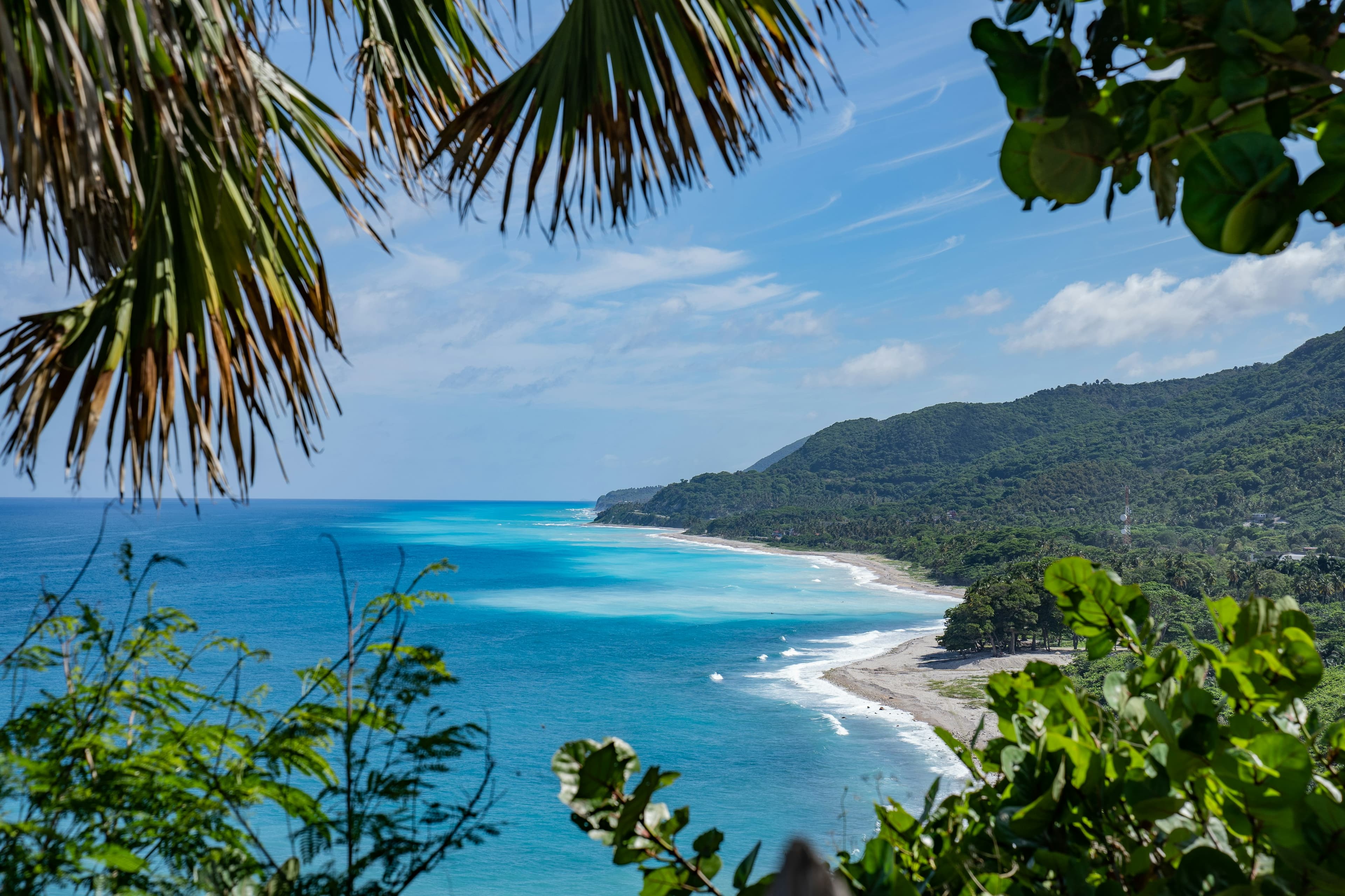
Barahona pairs a rugged Caribbean coastline with the Sierra de Bahoruco's cloud forests, Lake Enriquillo's crocodiles, and the world's only larimar mine. It is southwest Dominican Republic's answer to eco-tourism and slow, self-driven exploring.
Barahona
Barahona pairs a rugged Caribbean coastline with the Sierra de Bahoruco's cloud forests, Lake Enriquillo's crocodiles, and the world's only larimar mine. It is southwest Dominican Republic's answer to eco-tourism and slow, self-driven exploring.
Barahona is the provincial capital of the southwest, a working port and coffee town, the gateway to the Dominican Republic's most rugged coastline. Where the north and east coasts run on resort compounds and calm sand, Barahona runs on geography: mountains that fall almost straight into the Caribbean, and a coast road that curves along cliffs. It suits travelers who want to drive, hike, and explore, and who trade gravel roads and no all-inclusive infrastructure for landscapes that barely exist elsewhere on the island.
The defining number here is 46, as in 46 meters below sea level, the elevation of Lake Enriquillo, the lowest point in the Caribbean and the DR's largest lake. Hypersaline and fed by mountain rivers, it holds the Caribbean's largest population of American crocodiles alongside flamingos and iguanas. The lake anchors the Jaragua-Bahoruco-Enriquillo Biosphere Reserve, a UNESCO designation since 2002 covering Jaragua National Park, which at roughly 1,543 square kilometers including marine habitat is a protected area in the Caribbean and takes in the birdlife-rich Laguna de Oviedo.
The coastline is the other draw. Playa San Rafael, where a mountain river meets the sea in a natural pool, heads a run of lesser-known stretches south of the city: La Cienaga, El Quemaito, Saladilla, Paraiso, and Los Patos. Past Pedernales, Bahia de las Aguilas is a roughly 8-kilometer arc of undeveloped white sand inside Jaragua, reached by a gravel road off Route 44 or by boat from La Cueva. Barahona is also the only place on earth where larimar, a pale blue pectolite, is mined, at Los Chupaderos about 10 kilometers southwest of town.
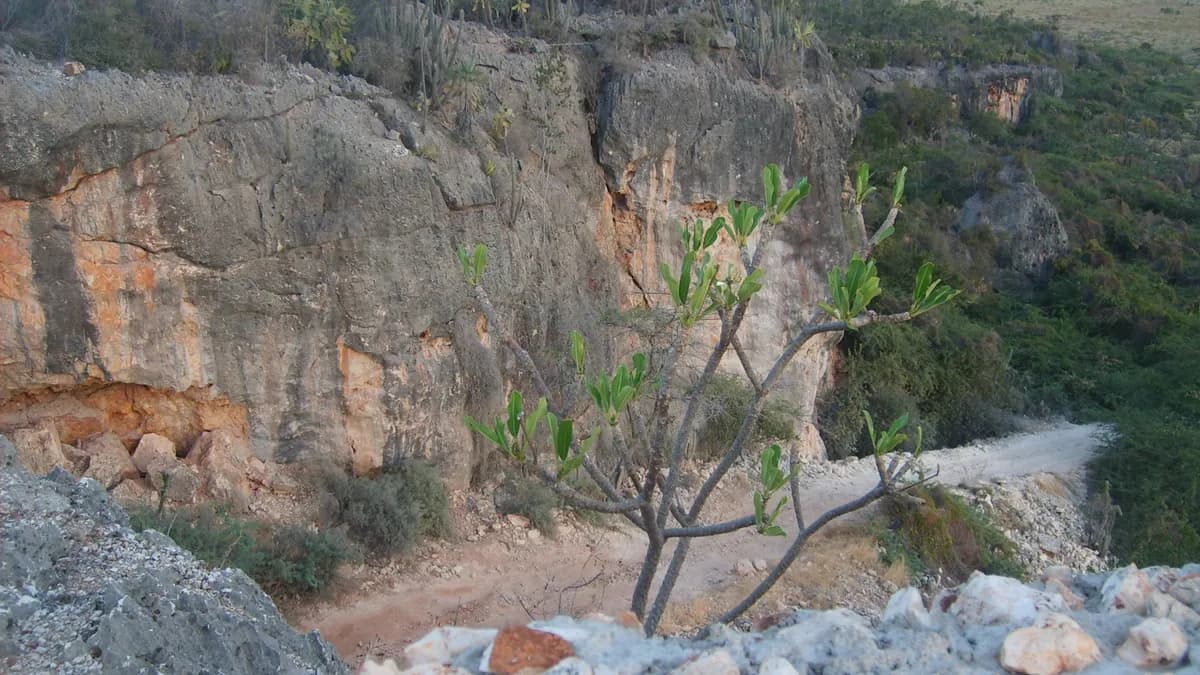
Inland, the Sierra de Bahoruco climbs into cloud forest and produces Barahona coffee, one of the DR's most respected origins. The contrast between coastal desert scrub, cactus-studded lowlands near Oviedo, and misty highland forest within an hour's drive is unusual for an area this size, and it is why naturalists and birders return.
Barahona city sits roughly 200 kilometers (about three hours by car) southwest of Santo Domingo and its airport. The local Maria Montez International airport runs no regular scheduled service, so plan on driving and allow extra time for the slow, curving coast road. Most visitors use the city as a multi-day base, pairing beaches with a Lake Enriquillo boat tour, a Jaragua hike, and a seafood meal at Restaurant El Quemaito or Brisas del Caribe. It fits a longer itinerary built around the south rather than a stop on a north-coast resort trip.
Barahona is the Dominican Republic's best-kept secret — a rugged, untouched corner of the southwest where the Sierra de Bahoruco plunges into the Caribbean Sea. Unlike the polished resort zones of Punta Cana, Barahona offers raw, dramatic landscapes that feel almost prehistoric.
The drive along the coastal highway from Barahona city south toward Pedernales is one of the most scenic in the Caribbean. Towering cliffs drop into turquoise waters, larimar mines dot the hillsides, and roadside fruit vendors sell the sweetest mangoes you'll ever taste.
This is where Dominicans themselves go on vacation — a place where ecotourism trumps mass tourism, where you can swim in a natural pool fed by a river cascading over boulders, and where the Bahía de las Águilas awaits as arguably the most beautiful beach in the entire Caribbean.
Weather by month
Warm all year. Each bar's height is that month's average daily high, so the chart rises toward the warm summer; teal marks the drier months with the most reliable beach weather. Temperatures show in °F by default; switch to °C with the toggle.
Best time to visit: Jan, Feb, Mar, Apr, Jul, Nov, Dec. These months bring the most sun and the fewest rainy days; May, Jun, Aug, Sep, Oct are the wettest.
Sample itineraries
Practical information
Photo gallery
Facts on this page were last compared with their sources on . Details may have changed since. How we check
Beaches here
Playa La Ciénaga
Playa La Ciénaga is a pebble beach in a quiet fishing village along the Barahona coastal highway. Surrounded by lush vegetation and backed by steep green mountains, it offers an authentic glimpse of Dominican coastal life far from the tourist trail.
Playa Paraíso
Living up to its name—"Paradise Beach"—Playa Paraíso features a pebble-and-sand shore lapped by crystalline turquoise water, set against the verdant backdrop of the Sierra de Bahoruco. It is a serene stop along the famous Barahona coastal highway.
Playa Quemaíto
Playa Quemaíto is a tranquil rocky beach just south of Barahona city, beloved by locals for its calm, crystal-clear water and relaxed atmosphere. Its rocky shoreline forms natural wading pools that are ideal for families and snorkelers.
Playa San Rafael
Playa San Rafael is a breathtaking natural wonder where a freshwater river tumbles over smooth rocks into the Caribbean Sea, forming a series of crystal-clear swimming pools. Located along the scenic Barahona coastal highway, it is one of the most photographed spots on the southwest coast.
Playa Los Patos
Often cited as the smallest beach in the Caribbean, Playa Los Patos sits at the mouth of the world's shortest river. Cold, crystal-clear freshwater rushes from the Sierra de Bahoruco and meets turquoise Caribbean waves, creating a striking contrast between the freshwater swimming pool and the ocean.
Playa Saladilla
Playa Saladilla is a long stretch of golden sand south of Barahona city, backed by the towering Sierra de Bahoruco mountains. Its dramatic mountain-meets-sea landscape and uncrowded shoreline make it a perfect introduction to the wild beauty of the southwest coast.
Activities & experiences
Parks & nature
Where to eat
Where to stay
Casa Bonita Tropical Lodge
★★★★Eco-luxury resort in the mountains with stunning ocean views, infinity pool, and organic restaurant.
Hotel Piratas del Caribe
★★★Charming beachfront hotel with panoramic ocean views and easy access to local attractions.
Barahona questions
Is Barahona safe for tourists?
+
Exercise standard precautions when visiting Barahona. The region sees few foreign visitors, and locals are welcoming. Exercise standard precautions — don't leave valuables visible in your car, and travel the coastal road during daylight hours.
When is the best time to visit Barahona?
+
December through April offers the driest weather and most comfortable temperatures. The rainy season (May-November) can make some roads challenging but brings lush green landscapes and fewer visitors.
Can I visit Bahía de las Águilas as a day trip?
+
Yes, from Barahona city it's about 2 hours to Cabo Rojo where boats depart. Plan a full day — leave early, spend 4-5 hours at the beach, and return by afternoon. Bring all supplies as there are no facilities at the beach.
What is larimar and where can I buy it?
+
Larimar is a rare blue gemstone found only in the Dominican Republic, specifically in the mountains near Barahona. You can buy it directly from miners at the Filipinas mines. The deeper the blue color, the more valuable the stone.
How many days should I spend in Barahona?
+
Plan at least 2-3 days. You need a full day for Bahía de las Águilas, plus time for the larimar mines, San Rafael natural pool, and the scenic coastal drive. One day feels rushed.
Do I need a rental car in Barahona?
+
A rental car is strongly recommended. Public transport exists but is unreliable south of Barahona city. You'll want the freedom to stop at viewpoints along the coastal road and reach remote beaches. A vehicle with good clearance is ideal.
What is Bahía de las Águilas?
+
Bahía de las Águilas (Eagles Bay) is considered one of the Caribbean's most pristine beaches, located within Jaragua National Park in the southwestern corner of the Dominican Republic. This 5-mile stretch of undeveloped white sand beach features crystal-clear turquoise waters and is part of the UNESCO Jaragua-Bahoruco-Enriquillo Biosphere Reserve. There are no facilities on the beach, preserving its natural state. Access is typically by boat from Cabo Rojo (about 20 minutes) or via a combination of 4x4 vehicles and a short boat ride. The remote location means fewer visitors, allowing for a secluded beach experience in an unspoiled natural setting.
What is larimar and where can I buy it in Barahona?
+
Larimar is a rare blue semi-precious stone found only in the Dominican Republic, specifically in the Barahona region. Its distinctive blue color resembles the Caribbean waters, and it's often set in silver jewelry. The mines are located in the mountains near Barahona, and you can visit the small mining village of Los Chupaderos. In Barahona city, you'll find shops selling larimar jewelry, but be sure to buy from reputable sources to ensure authenticity. The best place to purchase certified larimar is at the Larimar Museum in Santo Domingo if you're visiting the capital. This unique stone makes for a special souvenir that's truly Dominican.
What natural attractions can I visit around Barahona?
+
The Barahona region is renowned for its diverse natural attractions. Lake Enriquillo is the Caribbean's largest lake and lowest point, home to crocodiles and flamingos. Nearby Laguna Oviedo has high salinity waters supporting diverse bird species. The region features multiple microclimates, from desert landscapes to cloud forests in the Bahoruco Mountains, where you can visit coffee plantations. Unique beaches include San Rafael, where a river meets the sea creating a striking blue color, and Los Patos, which has the shortest river in the DR meeting the Caribbean. Jaragua National Park offers exceptional biodiversity and connects to Bahía de las Águilas. The area is ideal for eco-tourists and photographers seeking diverse landscapes.
Keep reading
Travel Guides
Helpful guides for planning your trip to Barahona
Best Photography Spots in the Dominican Republic
The 15 best photography spots in the Dominican Republic, with golden hour timing, IDAC drone rules, and gear tips for each location.
Eco-Tourism & Sustainable Travel in the Dominican Republic
Dominican Republic eco-tourism guide to protected areas covering roughly a quarter of the land, marine conservation projects, and community-based tourism.
 Regional Guides
Barahona & the Southwest: DR Off the Beaten Path
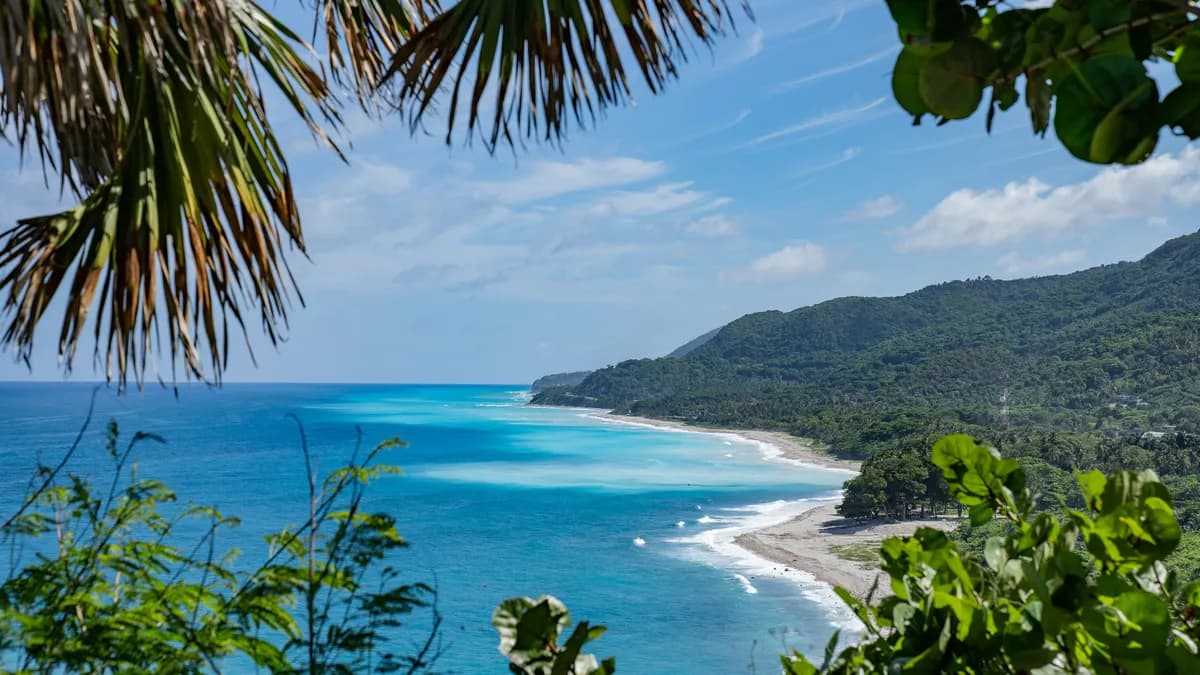
Barahona travel guide to the southwest Dominican Republic: Bahia de las Aguilas beach, Larimar mines, Lago Enriquillo, and coffee country road trips.
 Regional Guides
Pedernales & Bahía de las Águilas: Last Frontier
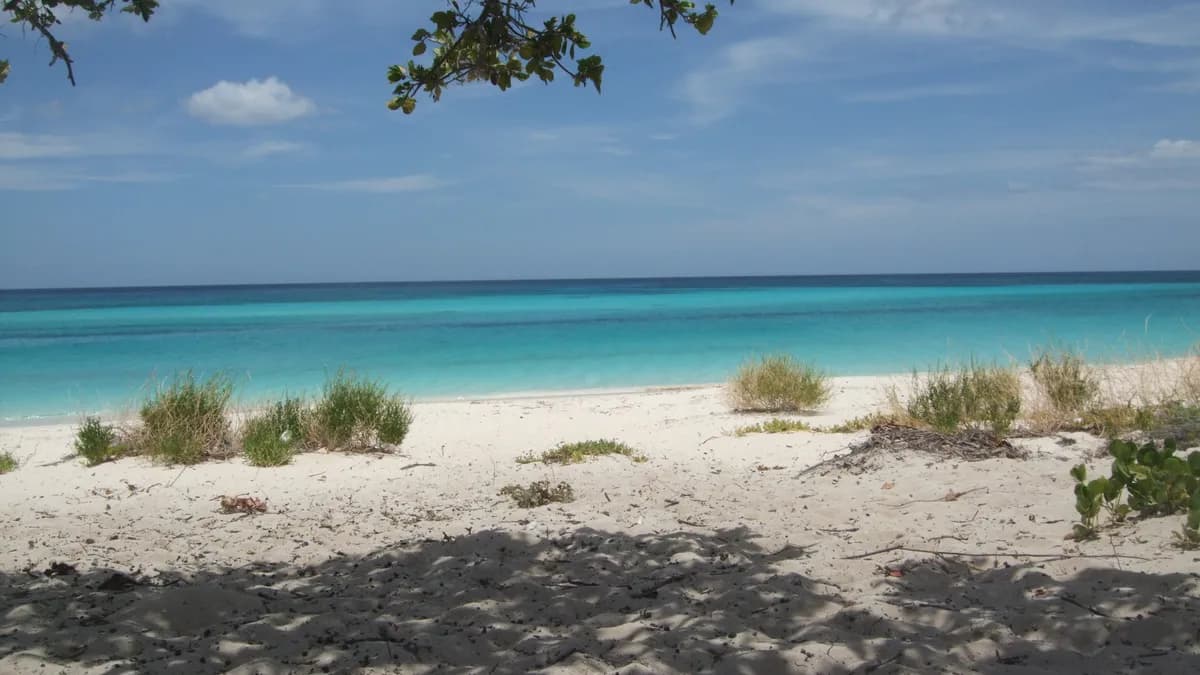
Pedernales and Bahia de las Aguilas guide to the 8-kilometer beach, Jaragua National Park flamingos, and the Hoyo de Pelempito canyon.
Keep exploring
Nearby Destinations
Explore more places near Barahona