Lake Enriquillo
The Caribbean's largest lake, home to crocodiles and flamingos
Overview
Lake Enriquillo is a place of superlatives — it's the largest lake in the Caribbean, the lowest point in the entire Antilles (44 meters below sea level), and one of the few places in the world where you can observe American crocodiles in their natural habitat. Located in the arid Enriquillo Basin in the southwestern Dominican Republic, this hypersaline lake is a remnant of an ancient sea channel that once connected the Bay of Neiba to Haiti's Gulf of Gonâve.
The lake and its surrounding area form the Lago Enriquillo National Park, part of the Jaragua-Bahoruco-Enriquillo Biosphere Reserve that's home to an extraordinary concentration of endemic wildlife, including rhinoceros iguanas, flamingos, and over 60 species of birds.
Wildlife & Natural Wonders
Lake Enriquillo offers some of the most unique wildlife viewing in the Caribbean:
- American Crocodiles: The lake has one of the largest populations of American crocodiles (Crocodylus acutus) in the world. They can be spotted sunning along the shoreline, especially in the morning.
- Rhinoceros Iguanas: The endemic Ricord's iguana and rhinoceros iguana thrive here, particularly on Isla Cabritos. These prehistoric-looking reptiles can grow over a meter long.
- Isla Cabritos: An island reported as 1493 hectares in 2025 in the center of the lake that serves as a major iguana habitat. Boat tours take you to the island to walk among the iguanas.
- Flamingos: American flamingos frequent the lake's shallow areas, creating stunning pink displays against the arid landscape.
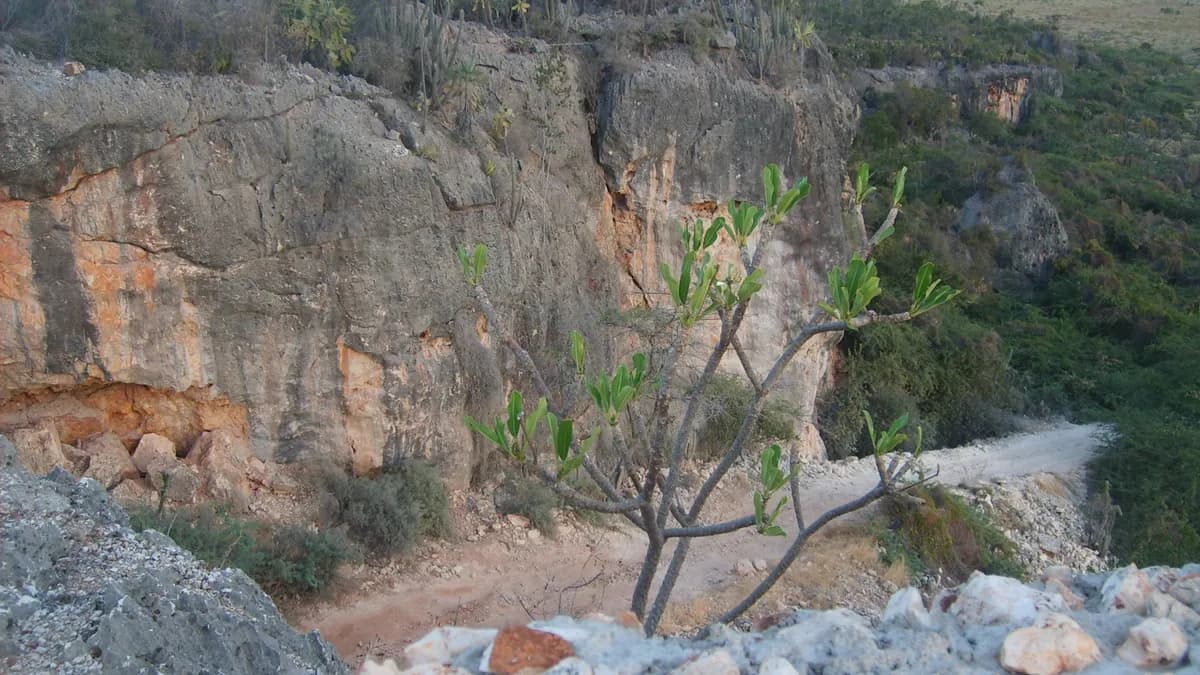
- Las Caritas: Pre-Columbian Taíno petroglyphs carved into cliff faces near the lake — faces that give the site its name ("little faces").
- Thermal springs: Natural hot springs near the lake offer a unique bathing experience.
Getting There
Lake Enriquillo is located in the far southwest of the Dominican Republic, near the Haitian border:
- From Santo Domingo: Approximately 3.5-4 hours west via Highway 2 through Azua and Barahona, then north to the lake
- From Barahona: About 1.5 hours north — the most common base for visiting the lake
- From Jimani (border town): Head east toward La Descubierta for the northern park entrance
- Boat to Isla Cabritos: Departs from La Azufrada on the north shore of the lake. Boats run in the morning (best before 10 AM)
Recommendation: Make this part of a multi-day southwestern Dominican Republic trip that includes Barahona, Bahía de las Águilas, and the Enriquillo Basin.
Cultural & Geological Significance
Lake Enriquillo is named after Enriquillo, a Taíno cacique (chief) who led a successful 14-year rebellion against Spanish colonizers from 1519 to 1533, using the rugged mountains around the lake as his base. His story is one of the most celebrated in Dominican history — he successfully negotiated peace with the Spanish crown.
Geologically, the lake occupies a graben (rift valley) formed by tectonic activity. The Enriquillo Basin was once a sea channel, and the lake's high salinity (higher than seawater) is evidence of its marine origins. The lake rose dramatically between 2004 and about 2013, flooding surrounding communities and farmland, and has receded since; its level swings with rainfall in the surrounding mountains.
Frequently asked questions
Is it safe to see crocodiles at Lake Enriquillo?
+
Yes, when visiting with a guide. The crocodiles are typically observed from a safe distance on boat tours. American crocodiles are generally less aggressive than their saltwater cousins, but always maintain a respectful distance and follow your guide's instructions.
How much does it cost to visit Isla Cabritos?
+
No current tariff is published. Park entry, the boat to Isla Cabritos, which is usually hired per group rather than per person, and a guide are charged separately. Confirm all three at the visitor centre near La Descubierta before setting out.
What is the best time to visit Lake Enriquillo?
+
Early morning (6-10 AM) is best for wildlife viewing, as crocodiles and iguanas are most active. The dry season (December-April) offers the most comfortable conditions, though the lake is accessible year-round.
Can I swim in Lake Enriquillo?
+
While technically possible, swimming is not recommended due to the lake's high salinity, the presence of crocodiles, and the general lack of swimming infrastructure. The experience is focused on wildlife observation and nature exploration.
Keep reading
Travel Guides
Helpful guides for planning your trip to Barahona
Best Photography Spots in the Dominican Republic
The 15 best photography spots in the Dominican Republic, with golden hour timing, IDAC drone rules, and gear tips for each location.
Eco-Tourism & Sustainable Travel in the Dominican Republic
Dominican Republic eco-tourism guide to protected areas covering roughly a quarter of the land, marine conservation projects, and community-based tourism.
 Regional Guides
Barahona & the Southwest: DR Off the Beaten Path
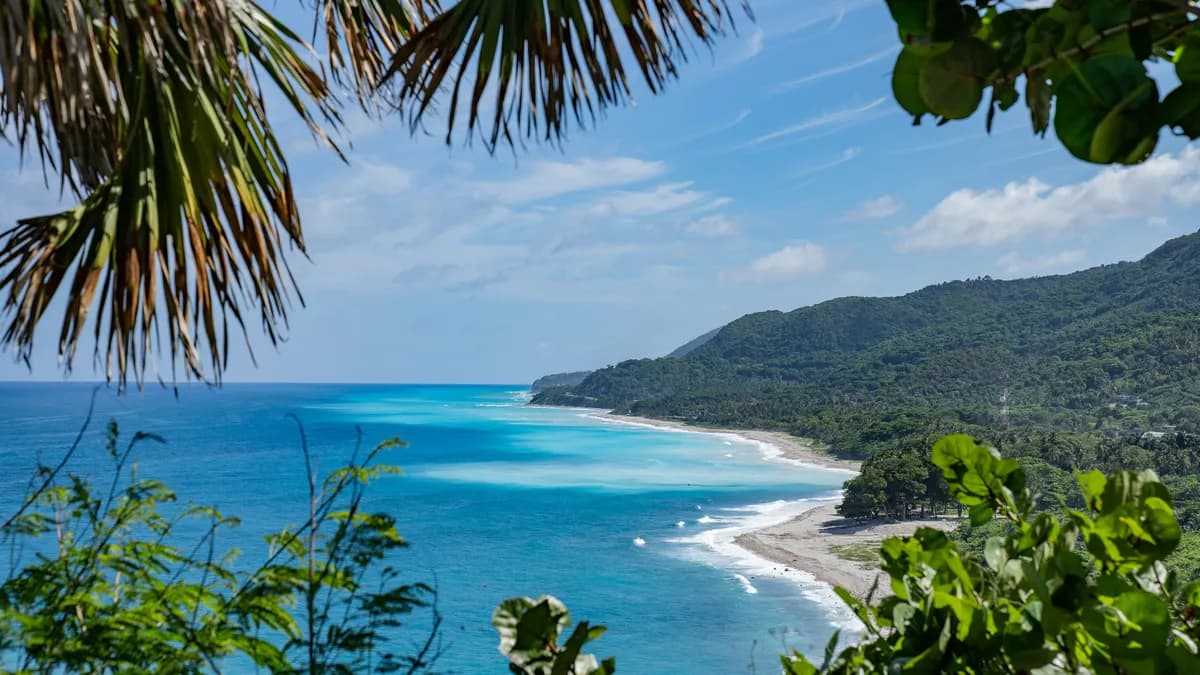
Barahona travel guide to the southwest Dominican Republic: Bahia de las Aguilas beach, Larimar mines, Lago Enriquillo, and coffee country road trips.
More to Explore in Barahona
Discover beaches, attractions, activities, and more in the same area
Similar attractions
Make the most of Lake Enriquillo
Pair this stop with our travel guides and insider tips to build the rest of your trip around it.