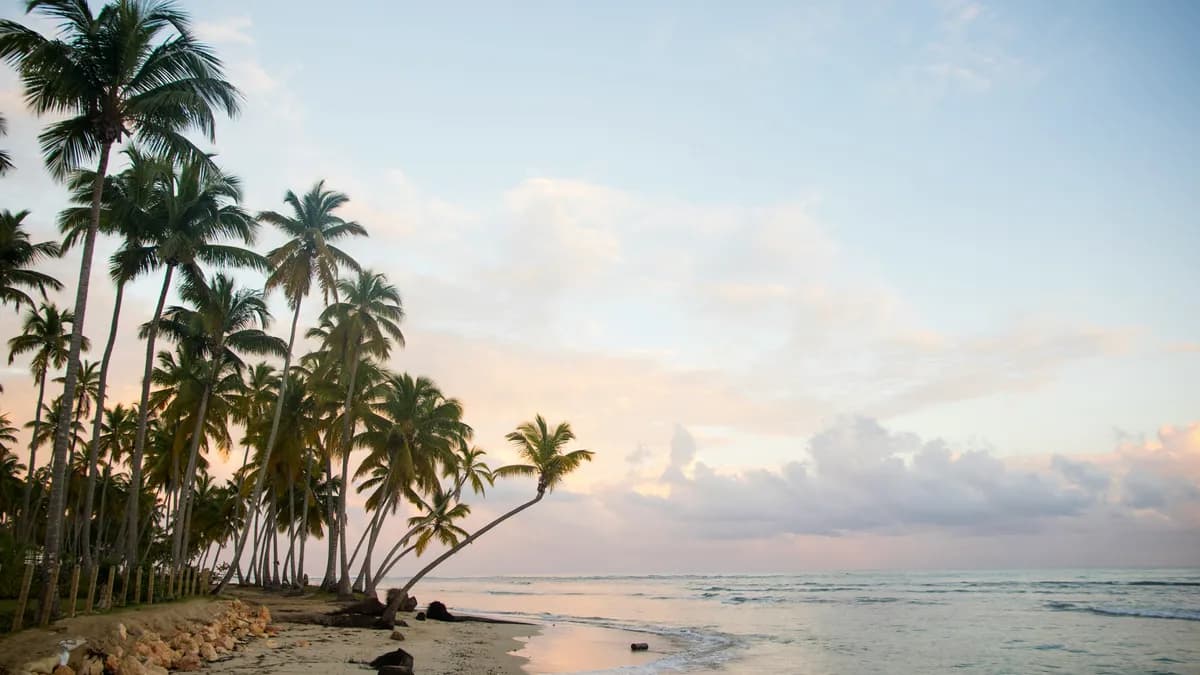
Best Beaches in the Dominican Republic by Region
Compare the Dominican Republic's best beaches by coast: Punta Cana's reef-calm water, Bayahibe's clarity, Samana's coves, and north-coast surf.
The best Dominican Republic beach for you depends on which coast you pick. The southeast around Bayahibe has the clearest, calmest water and the least seaweed. The East Coast around Punta Cana and Bavaro pairs warm, reef-protected water with the country's densest resort strip. Samana hides boat-access coves that stay empty most of the year. The north coast brings real Atlantic surf. The southwest, anchored by Bahia de las Aguilas, is the wildest, least developed sand in the country, and a couple of beaches near Santo Domingo let you swim the same afternoon you land.
This guide walks each region in turn, naming a handful of beaches per zone with an honest read on what each is good for, then adds a which-beach-for-what section, a straight answer on sargassum, and a season note. Named beaches link to their own page for photos and access details.
How the Coasts Differ
The country's beaches split into six distinct zones, shaped by which direction each faces and which current reaches it.
- East Coast (Punta Cana, Bavaro, Cap Cana): calm, reef-protected, most exposed to sargassum.
- Southeast (La Romana, Bayahibe, Dominicus): sheltered, clearest, most sargassum-free water.
- Samana Peninsula: rugged Atlantic north shore plus calmer bay south shore, most secluded.
- North / Amber Coast (Puerto Plata to Rio San Juan): fully Atlantic-facing, stronger surf, golden sand.
- Southwest (Barahona, Pedernales): remote and undeveloped, the wildest coast.
- Santo-Domingo-close (Boca Chica, Juan Dolio): calm, convenient, busiest with local weekend crowds.
Sargassum, the floating brown seaweed that periodically washes ashore across the Caribbean, arrives predominantly on currents from the east, so east-facing beaches, the Punta Cana and Bavaro corridor, north-facing Samana, and the north coast catch most of it, while west- and south-facing beaches, Bayahibe above all, are largely shielded. That pattern explains most of the water-clarity differences below.
East Coast: Punta Cana, Bavaro, Cap Cana
The East Coast is the country's tourism engine, warm and reef-protected almost everywhere.
Bavaro Beach
The named core runs about 3.2 km, though the same continuous sand extends several kilometers further north through Arena Gorda. Water sits around 27 to 29C (81 to 84F) year-round, a barrier reef about 800 m offshore keeps the sea calm, and the shallow, sandy floor stays knee-to-waist deep a long way out, fronted by an almost unbroken row of all-inclusive resorts, the default choice for a classic beach vacation.
Macao Beach
Macao has a genuinely different character: comparatively undeveloped, with a real, consistent beach break that draws surfers, bodyboarders, and beginner surf schools. It is not consistently ideal for casual swimming; winter, roughly December to March, brings the biggest swells. On March 1, 2015, four tourists drowned here in a rip current in an area off-limits to bathers, with local surf-camp instructors rescuing a fifth. Swim only in flagged or patrolled zones.
Playa Juanillo (Cap Cana)
Juanillo has shallow, calm, turquoise water often described as a natural-pool effect, one of the more reliably family-friendly beaches here. It sits inside gated Cap Cana: the sand is legally public, but visitors typically leave an ID at the checkpoint, and the beach club runs on a food-and-beverage voucher of roughly $20 to $25 per person. A local accommodation operator reports Uber arrivals into Cap Cana and Uber Select departures; confirm arrangements with your host before relying on a ride.
Uvero Alto Beach and Cabeza de Toro Beach
Uvero Alto sits roughly 25 miles (40 to 42 km) from the airport, a wide, quieter semicircle of sand, more golden than Bavaro. Cabeza de Toro, closer in, has calm water good for snorkeling, but can receive sargassum; several resort-fronted segments carry Blue Flag certification.
Southeast: La Romana, Bayahibe, Dominicus
If clear water is your priority, book this region. It faces west into the Caribbean rather than east into the Atlantic, shielding it from most of the sargassum that hits the East Coast and the north.
Bayahibe Beach and Dominicus Beach
Bayahibe is a former fishing village and the primary departure point for boat excursions to Saona Island and Isla Catalina. Bayahibe Beach itself, near the village center, is small, shaded by sea-grape trees, and gentle-waved. Dominicus is a separate, longer beach a few km away, fronted by the resort strip, with public entry points at each end. This coast is widely cited as having the clearest water in the country, and Bayahibe is one of the most reliably seaweed-free beaches around.
Isla Catalina and Saona Island
Isla Catalina is an uninhabited marine reserve about 1.5 miles (2.4 km) off the coast near La Romana, reachable only by boat, popular for diving at The Wall, a coral garden dropping past 100 feet, and the shallower Aquarium. Saona sits inside Parque Nacional Cotubanamá, accessible by boat or private helicopter excursion, with day tours combining a natural-pool sandbar stop, where starfish rest on the seabed, with a beach lunch. See the Saona Island day trip guide.
Samana Peninsula: Boat-Access Coves
The Samana Peninsula is the most secluded beach region, mixing a rugged north Atlantic shore with the calmer south shore along Samana Bay. Its best beaches reward a boat ride, a hike, or both.
Playa Rincon
Playa Rincon is consistently cited among the world's best beaches by travel publications, including a much-repeated Conde Nast Traveler ranking. It is an undeveloped, roughly 3 to 4 km stretch of white sand backed by coconut palms and cliffs, with no hotels and only a few beach restaurants. Reach it by a short boat ride from Las Galeras, about 20 minutes, or a rougher 4x4 or road drive; fares vary and are best confirmed on arrival.
Playa Fronton and Playa Madama
Playa Fronton sits at the base of a roughly 90-meter cliff, about 400 m of sand with no facilities and visibility exceeding 25 m. Playa Madama, a small cove nearby, has water made unusually calm by its cliffs. Both are reached by boat from Las Galeras, about 15 minutes and roughly $20 to $25 per person in a group of four or more, or a hike ranging 45 minutes to 2 hours; the boat is the practical default.
Playa Coson and Playa Bonita (Las Terrenas)
Las Terrenas is the social hub of the peninsula. Playa Coson lies about a 20-minute drive west, where the Coson River meets the sea, calm near the mouth with surfable waves further out in winter. Playa Bonita has calm water on one side and rideable surf on the other, more upscale and less crowded than central Las Terrenas.
Cayo Levantado
Nicknamed Bacardi Island after a 1970s rum ad filmed here, Cayo Levantado sits in Samana Bay roughly 5 to 7 km from Samana town, with a public beach with restaurants and bars, plus two beaches exclusively for hotel guests. Public boats cross in about 10 to 15 minutes for a round-trip fare of roughly $10 to $15 as of 2026.
North Coast: The Amber Coast
The north coast runs from Puerto Plata toward Rio San Juan, fully exposed to the Atlantic: stronger surf, more golden sand than the powder-white southeast, and a real split between swim beaches and surf beaches.
Playa Dorada and Playa Grande
Playa Dorada was the pioneer all-inclusive-resort beach of the country, developed in the late 1970s and 1980s, with golden sand beside an 18-hole golf course by Robert Trent Jones Sr. that opened in the mid-1970s. Playa Grande, near Rio San Juan, runs roughly 1.5 miles (2.4 km), backed in part by 20-meter cliffs, with genuinely strong surf that warrants caution for casual swimmers; it is often ranked among the world's most beautiful beaches.
Cabarete Beach and Kite Beach
Cabarete Beach is the lively core of Cabarete, lined with kite and surf schools, the easiest place on this coast to learn kitesurfing. Kite Beach sits about 1.5 miles (2.4 km) west, quieter, with a reef 200 m offshore creating flat water inside and waves outside, good for all levels. Further west, Playa Encuentro is the main surf break, with surfers taking the mornings before kiters move in.
Sosua Beach
Sosua Beach is a sheltered golden-sand cove with a healthy reef reachable from shore in shallow water, one of the country's most beginner-friendly shore-snorkel beaches, best December to April.
Southwest: Barahona and Pedernales
The southwest is the wildest and least developed coast in the country, Caribbean-facing but remote, and the region where a car matters most.
Bahia de las Aguilas
Bahia de las Aguilas is about 8 km of untouched beach and the pilgrimage destination of this region. Two access routes exist: a boat from La Cueva or Cabo Rojo, about 15 to 20 minutes, or a rough 4x4 track through Jaragua National Park, best in the dry season with a guide. There are zero facilities: no shade, food, water, restrooms, or lifeguards. A small national-park entrance fee, paid in pesos, applies alongside a separate, variable boat-charter fee; confirm both on arrival. The nearest town, Pedernales, is roughly 30 minutes by boat; driving from Santo Domingo takes 5 to 6 hours.
Playa San Rafael
Playa San Rafael is a pebble and stone beach, not sand, where the San Rafael River meets the Caribbean, creating natural freshwater pools beside the surf. Most families swim in the calmer river pools, and onsite vendors serve Dominican seafood, a lively local weekend spot. The rural roads here generally call for an SUV or 4x4, though the highway to Barahona itself is fine in any car. See the Pedernales and Bahia de las Aguilas guide for more.
Close to Santo Domingo: Boca Chica and Juan Dolio
These two beaches let you swim without leaving the capital region.
Boca Chica Beach and Juan Dolio Beach
Boca Chica is about 30 km (19 miles) east of Santo Domingo, close to the international airport, the most convenient beach day trip from the capital. A coral reef about 400 m offshore forms a mostly waist-deep natural pool, good for small children. Juan Dolio, about an hour away, is a popular weekend beach for Dominicans; Sundays draw large crowds, so it is quieter on weekdays, with white sand. See the Juan Dolio and Boca Chica beach guide.
Is Sargassum a Problem
Sargassum, floating brown seaweed carried on Atlantic currents, is a real and recurring seasonal issue on the east- and north-facing coasts. It peaks roughly spring through fall, worst in summer, clearing out most reliably in winter, though exact month boundaries shift year to year. 2025 was the worst year on record, with satellite monitoring recording roughly 37.5 to 38 million tonnes across the Atlantic-Caribbean belt, about 70% above the 2022 record, and the August 31, 2026 outlook forecasts further decreases across all regions until possibly November. Check a live tracker before committing to a beach day.
Sargassum does not affect the whole country evenly: it concentrates on the Punta Cana and Bavaro corridor, north-facing Samana, and the north coast, while the southeast around Bayahibe and the southwest are largely spared. Resorts on affected coasts run daily cleaning crews. If avoiding sargassum is your priority, Bayahibe and the southwest are the safest bets year-round.
Which Beach for What
| Priority | Best picks | Why |
|---|---|---|
| Calm swimming with kids | Bavaro, Playa Juanillo, Boca Chica, Cabeza de Toro | Shallow, reef-protected, low current |
| Real surf | Macao, Playa Grande, Playa Encuentro | Consistent breaks; Encuentro has a surf-first morning window |
| Kitesurfing | Cabarete Beach, Kite Beach | 250 to 300 kitable wind days a year, strongest June to August |
| Seclusion | Playa Rincon, Fronton, Madama, Bahia de las Aguilas, El Valle | Boat, hike, or 4x4 access keeps crowds away |
| Clearest water | Bayahibe, Dominicus, Isla Catalina, Sosua | Sheltered coast avoids most sargassum |
| Local food and atmosphere | Playa San Rafael, Juan Dolio, Cayo Levantado | Onsite vendors, weekend crowds |
Best Season by Coast
Rainfall patterns vary by region, so there is no single dry-season rule for beach weather countrywide. The wetter season runs May through November and overlaps hurricane season, officially June through November with the storm-risk peak in August through October; May and November are favorable shoulder months. Sea-surface temperature runs roughly 25 to 27C (77 to 81F) in winter, climbing to roughly 28 to 30C (82 to 86F) in summer, with sheltered bays like Samana Bay or Bayahibe running a degree or two warmer than exposed Atlantic beaches.
Two regions have their own access-driven seasonality. Bahia de las Aguilas is best visited December through April, since the 4x4 route through Jaragua National Park can become difficult when wet. For Samana's coves at Fronton and Madama, roughly February through June brings the calmest seas and best visibility. See the best time to visit guide for the full picture.
Frequently Asked Questions
Which beach has the clearest water in the Dominican Republic?
Bayahibe and the southeast Caribbean-facing coast, including Isla Catalina, are most consistently cited for clearest water, thanks to sheltered geography that avoids most sargassum. Visibility near Bayahibe is commonly described around 80 to 100 feet. Sosua's cove is a strong secondary pick for reef snorkeling.
What is the best beach near Punta Cana?
It depends what you want. Bavaro gives the classic resort experience with calm, reef-protected water. Playa Juanillo, inside gated Cap Cana, offers a quieter, family-friendly natural-pool effect. Macao delivers real waves and a wilder feel. All three share the East Coast's exposure to seasonal sargassum.
Is sargassum ruining the Dominican Republic's beaches?
Not evenly. It is a real and recently worsening seasonal problem, 2025 was a record year, concentrated on the east- and north-facing coasts roughly spring through fall with a summer peak. Resorts run active daily cleanup, and the southeast around Bayahibe plus the southwest are largely spared year-round.
Do you need a car to see the best beaches?
No single car is required for the famous resort beaches; Bavaro, Playa Dorada, and Boca Chica are all reachable by transfer or tour. A rental car, ideally an SUV, opens up Samana's coves and Bahia de las Aguilas. See the car rental guide before deciding.
Which beaches are free to visit?
Legally, all Dominican beaches are public, with a mandatory 60-meter access strip from the high-tide line under Law 305-68 and the Constitution. In practice, travelers hit friction at gated communities like Cap Cana, where Playa Juanillo is free but a facility voucher applies at the checkpoint, and at remote beaches like Bahia de las Aguilas or Saona, where a park fee and boat-charter fee apply. Those are transport fees, not a charge for the beach.
What is the best time of year for Dominican Republic beaches?
Rainfall patterns vary by region, so there is no single most reliable weather window countrywide. May and November are useful shoulder months with fewer crowds and lower rates. June through November overlaps Atlantic hurricane season, with the highest storm risk in August through October, so factor that into any wet-season trip.
Are Dominican Republic beaches safe for swimming?
Most resort-front, reef-protected beaches, Bavaro and Boca Chica among them, are calm and low-risk. Atlantic-facing beaches with real surf, including Macao and Playa Grande, carry a genuine rip-current risk, and many public beaches lack the flag-warning system resort beaches use. If caught in a rip current, swim parallel to shore until clear, then angle back in; swim only where lifeguards are present with children.
Can you visit Saona Island as part of a beach trip?
Yes, but treat it as its own day out. Saona sits inside Parque Nacional Cotubanamá and can be reached by boat from Bayahibe or Dominicus, with private helicopter excursions also available, combining a natural-pool stop with a beach lunch. See the dedicated Saona Island day trip guide, linked earlier in the southeast section, for pricing.
Facts on this page were last compared with their sources on . Details may have changed since. How we check
Table of Contents
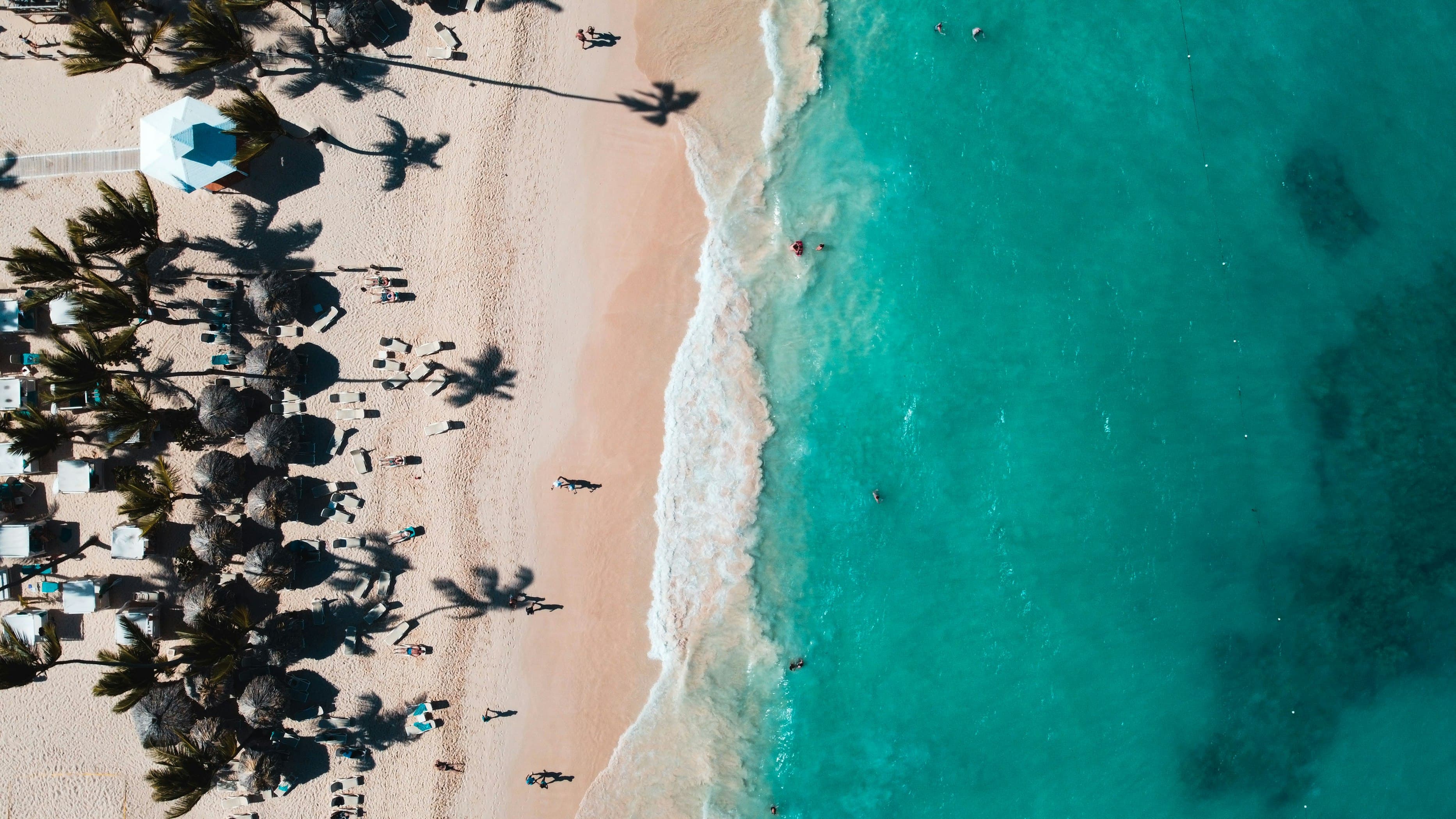
Punta Cana
This guide covers Punta Cana. Explore more about this destination.
View DestinationAbout the Author
Alex Borshch
Founder and editor of the Isla365 network. Spent six months living in the Dominican Republic over the 2013-14 winter, and has since wintered in Thailand, Vietnam and Turkey. Writes and edits the guides across the network.