Juan Dolio & Boca Chica: Santo Domingo's Beach Escapes
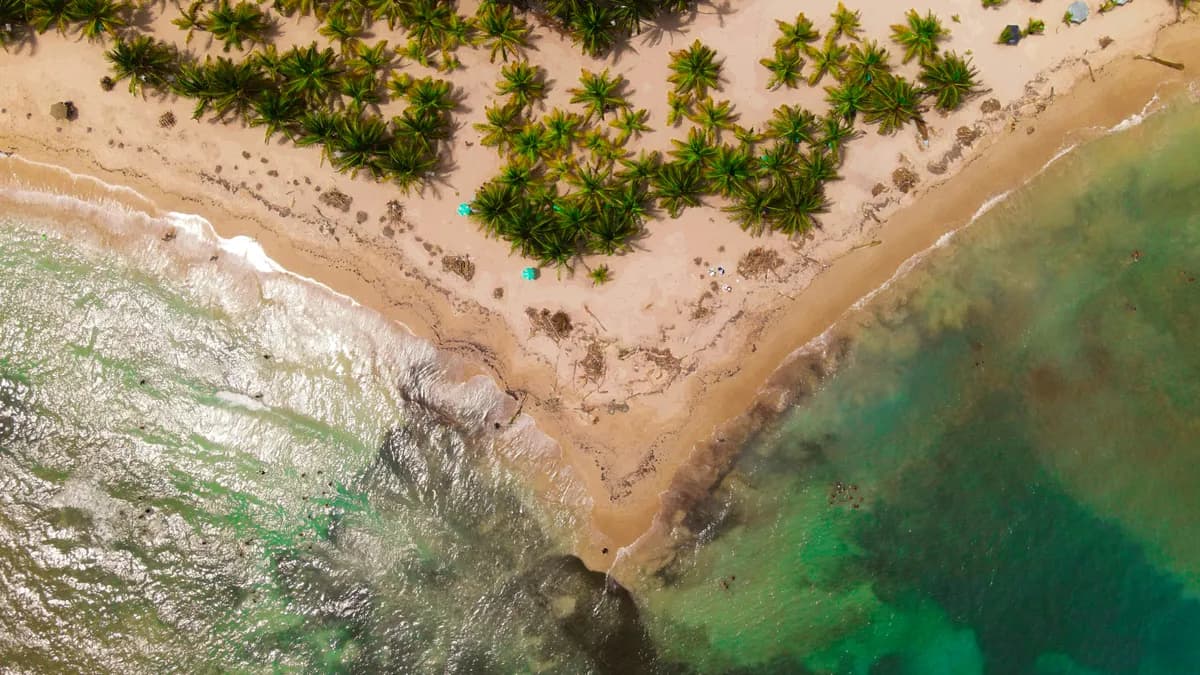
Juan Dolio and Boca Chica beach guide to Santo Domingo's weekend escapes, with the best beaches, fresh seafood, and weekday versus weekend advice.
Every city needs a beach, and Santo Domingo, a metropolis of 3 million people with no swimmable urban coastline, has two answers: Boca Chica and Juan Dolio. These small beach towns sit 30-45 minutes east of the capital along the Caribbean coast, and on weekends they absorb the collective yearning of every capitalino who spent the week sitting in traffic on the Malecón. The result is a beach culture that is authentic, chaotic, joyful, and completely different from anything you will find at a Punta Cana resort.
Neither Boca Chica nor Juan Dolio is a conventional tourist destination. They do not appear on "Best Beaches in the Caribbean" lists. They are not particularly photogenic in the Instagram sense. What they are is real, the places where Dominican families celebrate birthdays in the sand, where friends share a bottle of Brugal under a palm tree, where the seafood is plucked from the water that morning and fried in front of you, and where the soundtrack is whatever the nearest car stereo is playing at maximum volume. For travelers staying in Santo Domingo who want a beach day, or for those landing at SDQ airport who want sand before the city, Boca Chica and Juan Dolio are the obvious choices, and they are more interesting than you might expect.
Santo Domingo's Beach Backyard
Boca Chica and Juan Dolio occupy a strip of Caribbean coast between Santo Domingo's Las Américas International Airport (SDQ) and the town of San Pedro de Macorís. Boca Chica is closer to the capital (30 km east, about 30-40 minutes by car), while Juan Dolio sits another 20 km further east (about 45-60 minutes from Santo Domingo). Both towns front a shallow, reef-protected coast with calm, warm water, ideal for swimming, though not for surfing.
The two towns have distinct characters. Boca Chica is the louder, more popular, more chaotic option, the beach that every Dominican knows and has an opinion about. Juan Dolio is quieter, more spread out, and increasingly positioning itself as a more upscale weekend destination. Understanding the difference is key to choosing the right one for your visit.
Boca Chica, The Dominican Beach Party (Warts and All)
Boca Chica is the most famous public beach near Santo Domingo, and its reputation is complicated. On one hand, the beach itself is genuinely beautiful, a protected bay with shallow, calm, turquoise water that barely reaches your waist for 100 meters out, making it one of the safest swimming beaches in the country for children. A coral reef at the mouth of the bay blocks ocean swells, creating a natural swimming pool. The sand is white, the water is warm, and on a clear weekday morning, Boca Chica looks like a postcard.
On the other hand, Boca Chica on a weekend or holiday is an assault on the senses. The beach fills to capacity with Dominican families, groups of friends, and vendors selling everything from fried fish to sunglasses to hair braiding. Music from competing sound systems blasts reggaeton, bachata, and dembow. Vendors are persistent. The water fills with people. Plastic chairs and tables crowd the sand. The scene is loud, energetic, and authentically Dominican, but it is not relaxing in the spa-resort sense of the word.
Boca Chica also has a nightlife reputation that ranges from lively bars and restaurants to a more transactional scene after dark, particularly along Calle Duarte. Solo male travelers will find the town's after-dark dynamic unavoidable. Families and couples should stick to the main beach area and established restaurants.
Honest assessment: Boca Chica is worth experiencing once, specifically to see Dominican beach culture in its most uninhibited form. Go on a Saturday afternoon, eat fried fish, drink Presidente, and people-watch. But if you want a quiet beach day, go to Juan Dolio instead.
Juan Dolio, The Quieter Alternative
Juan Dolio is what Boca Chica is not: relatively quiet, increasingly upscale, and spread out along a 5 km stretch of coast. The town has undergone a slow transformation over the past decade, from a faded resort town with aging hotels to an emerging weekend destination for Santo Domingo's upper-middle class. New condo developments, beachfront restaurants, and improved infrastructure have given Juan Dolio a fresh identity without erasing its low-key character.
The beaches here are different from Boca Chica. Rather than a single bay, Juan Dolio has several distinct beaches separated by rocky points. The sand at Playa Juan Dolio is white, the water is calm but deeper than Boca Chica, and the crowds are much smaller. On weekdays, you can find stretches of beach with almost nobody on them. On weekends, the scene is social but manageable, Dominican families with coolers and music, not the wall-to-wall crowds of Boca Chica.
Juan Dolio also has a small but growing dining scene. Several beachfront restaurants serve fresh seafood and international cuisine, and the quality has improved significantly in recent years. The town is not going to win any awards for nightlife or culture, but it delivers exactly what it promises: a clean, quiet beach 45 minutes from the capital.
The town's real estate boom has brought a wave of modern condominiums, and with them a demographic shift. Young professionals from Santo Domingo are buying weekend apartments here, and a small community of foreign retirees, mostly Canadians and Americans, has settled along the eastern stretch of the coast. This new energy has improved the restaurant scene, brought better grocery stores (there is now a Nacional supermarket), and generally lifted the quality of services. Juan Dolio is still modest by Caribbean resort standards, but it has crossed the threshold from "faded" to "emerging," and the trajectory is upward.
One underrated feature of Juan Dolio is its proximity to interesting day trips beyond the beach. The city of San Pedro de Macorís, 20 minutes east, is the cradle of Dominican baseball, having produced more MLB players per capita than any city on Earth. The Zona Colonial in Santo Domingo is 45 minutes west. And the replica Mediterranean village of Altos de Chavón near La Romana are about 90 minutes east. Juan Dolio makes a surprisingly good base for exploring the southeast coast.
Best Beaches
Playa Boca Chica
The main event. A wide, reef-protected bay with shallow, calm, turquoise water. The western end (near the Hamaca Hotel) is more tourist-oriented with beach chair rentals (RD$200-300 / US$3.40-5) and organized food service. The eastern end toward the fishing village is more local and less commercial. Water temperature is bath-warm year-round. The reef creates a natural boundary, swimming is safe within the protected area. Best on weekday mornings for tranquility; best on Saturday afternoons for atmosphere.
Playa Guayacanes
The best beach in the Juan Dolio area and arguably the best beach between Santo Domingo and La Romana. Guayacanes is a wide, crescent-shaped beach with white sand, clear water, and a mellow Dominican vibe. Beach restaurants (paradas) line the shore, serving fried fish, tostones, and cold drinks directly on the sand. A full meal with a beer costs RD$400-600 (US$7-10). The water is calm and good for swimming. On weekends, Dominican families stake out spots early in the morning with beach chairs and coolers; on weekdays, the beach is quiet and almost empty. Located between Boca Chica and Juan Dolio proper, easy to reach by car or guagua.
Playa Caribe
A smaller, more intimate beach on the western end of Juan Dolio. Rocky outcrops on either side create a sense of enclosure. The waves attract surfers and boogie boarders, especially on weekends. Less crowded than Guayacanes, more local feel. A couple of small restaurants serve basic but fresh food. This is a good option for travelers who want a quiet afternoon without driving far from Juan Dolio's hotels.
Playa Embassy (Embassy Beach)
Playa Embassy is another name for Playa Caribe. The water is calm in the morning, with waves attracting surfers in the afternoon, the sand is golden, and several beachfront restaurants and bars cater to a mix of Dominican weekenders and foreign residents. Beach chair rental is typically RD$200 (US$3.40) with a food or drink purchase. This is one of the more developed beach areas in Juan Dolio, with better facilities (restrooms, showers) than the wilder beaches.
Where to Eat Seafood
Both Boca Chica and Juan Dolio are seafood towns. The catch comes in daily from local fishermen, and the cooking style is simple and delicious: fried whole fish, grilled shrimp, stewed conch, and lobster (in season). Here are the best options:
Boca Chica
- Restaurant Neptuno's: On the beachfront near the central part of Playa Boca Chica, Neptuno's has been a fixture for decades. Boca Chica-style whole fried fish with tostones is listed at RD$1,995 per pound. The location, tables in the sand, feet from the water, is the draw. Service can be slow on busy weekends.
- Piccola Roma: An Italian-Dominican restaurant on Calle Duarte with surprisingly good pizza and pasta alongside Dominican seafood. The linguine con mariscos (seafood linguine) is generous. A good option when you want something other than fried fish.
- Beach vendors: Along the main beach, Dominican women sell plates of fresh fried fish with tostones from plastic coolers for RD$300-400 (US$5-7). The fish was caught that morning and fried minutes ago. It is not fancy, but it might be the freshest fish you have ever eaten. Point at the size you want and negotiate the price before ordering.
Juan Dolio
- El Sueño: A beachfront restaurant on Playa Embassy with a menu spanning Dominican seafood, grilled meats, and international dishes. The grilled shrimp in garlic butter is excellent at RD$600 (US$10). The setting, open-air dining with ocean views, is pleasant, and the service is more polished than typical beach restaurants.
- Parada de Guayacanes: Any of the half-dozen paradas (food shacks) lining Playa Guayacanes will serve you excellent fried fish at local prices. The formula is universal: choose your fish (red snapper, sea bass, or whatever is freshest), they fry it whole, and serve it with tostones, salad, and lime. RD$350-600 (US$6-10) depending on size. Doña Juana's (look for the green-painted shack) is a perennial favorite.
- Restaurant El Mesón: In the town center, this Dominican restaurant serves excellent mofongo, sancocho (on weekends), and grilled lobster (in season). Plates run RD$350-700 (US$6-12). The chivo guisado (stewed goat) is a standout when available.
Weekend vs Weekday Experience
The single most important piece of advice for visiting Boca Chica or Juan Dolio is: the day of the week changes everything.
Weekday (Monday-Thursday)
Both towns are quiet, almost sleepy. Beaches are empty or lightly used. Restaurants are calm with immediate seating. Prices are standard. Traffic is light. Parking is easy. The water is clean and undisturbed. This is when to visit if you want a peaceful beach day. The downside: some restaurants and bars are closed or operating reduced hours, and the atmosphere can feel a bit dead, particularly in Boca Chica, which thrives on energy and crowds.
Weekend (Friday-Sunday)
Boca Chica transforms. Thousands of capitalinos descend on the beach by 10 AM. The main road into town becomes a parking lot. Music systems compete at maximum volume. Vendors multiply. The water fills with families, couples, and groups of friends. The atmosphere is festive, loud, and authentically Dominican, a giant outdoor party with the ocean as the backdrop. Juan Dolio sees similar crowds but less extreme, Playa Guayacanes fills up with families, but there is still room to breathe. Juan Dolio's restaurant scene also peaks on weekends, with better menus and live music at some venues.
Holidays & Long Weekends
Semana Santa (Easter Week), Christmas-New Year, and any puente (long weekend) bring maximum chaos. Boca Chica on Easter Saturday may have 10,000+ people on the beach. Traffic to and from Santo Domingo can add 2+ hours to the normally 30-minute drive. If you are not Dominican and not specifically seeking this experience, avoid Boca Chica on major holidays. Juan Dolio is busy but more manageable.
Getting There
From Santo Domingo
Both towns are east of Santo Domingo on the Autopista de las Américas (the highway to the airport and beyond).
- Boca Chica: 30 km east, approximately 30-40 minutes by car (45-60 minutes in weekend traffic). Guaguas (public minibuses) depart from Parque Enriquillo in Villa Francisca for RD$80-100 (US$1.40-1.70). Uber/InDriver from Santo Domingo costs approximately RD$600-900 (US$10-15).
- Juan Dolio: 50 km east, approximately 45-60 minutes by car. Guaguas pass through Boca Chica and continue to Juan Dolio for RD$100-150 (US$1.70-2.50). Uber/InDriver from Santo Domingo costs approximately RD$900-1,400 (US$15-24).
From SDQ Airport
Las Américas International Airport (SDQ) sits between Santo Domingo and Boca Chica, making both towns extremely convenient for travelers with early/late flights.
- Boca Chica: 5 km from the airport, approximately 10 minutes by taxi (reserved taxi: US$25 one way for 1-4 passengers). The closest beach to any international airport in the DR.
- Juan Dolio: 25 km from the airport, approximately 20-25 minutes by taxi (RD$1,200-1,500 / US$20-25). A common choice for travelers with overnight layovers.
Both towns are excellent options if you have a late-night arrival or early-morning departure from SDQ and want to spend your buffer time at the beach rather than in the city.
Where to Stay
Boca Chica
- Be Live Experience Hamaca: The largest hotel in Boca Chica, an all-inclusive resort on the western end of the beach. Rooms from US$80-130/night all-inclusive. The resort has pools, restaurants, a spa, and direct beach access. It is showing its age but offers reliable comfort and the convenience of all-inclusive pricing. Good for families.
- whala!bocachica: A smaller all-inclusive on the beachfront. Rooms from US$60-90/night. Basic but functional, with a pool and beach access. The price point is the attraction, this is one of the cheapest all-inclusive options in the DR.
- Budget hotels and apartments: Numerous small hotels on Calle Duarte and surrounding streets offer rooms for RD$1,000-2,500 (US$17-42) per night. Quality varies widely, check reviews and inspect before paying. Airbnb apartments are abundant and can be good value at US$30-50/night.
Juan Dolio
- Emotions by Hodelpa: A modern, family-friendly all-inclusive resort on Playa Juan Dolio, with adults-only rooms available. Rooms from US$100-160/night. The best hotel in the area, contemporary design, good food, attentive service, and a private beach section. Significantly better than anything in Boca Chica.
- Xeliter Costa del Sol: An apartment-hotel complex with condo-style units featuring kitchens, living areas, and balconies. Rates from US$60-100/night. A good option for families or longer stays who want to self-cater. The complex has pools and is walking distance to Playa Guayacanes.
- Condo rentals: Juan Dolio's recent condo boom means plenty of apartment rentals on Airbnb and Booking.com. Modern apartments with pools start at US$40-70/night. Many have ocean views. This is often the best value in the area.
Juan Dolio vs Boca Chica, Side by Side
| Factor | Boca Chica | Juan Dolio |
|---|---|---|
| Distance from SDQ | 10 minutes | 25 minutes |
| Beach quality | Beautiful bay, shallow water | Several good beaches, deeper water |
| Crowds | Very crowded weekends | Moderate weekends |
| Atmosphere | Loud, festive, Dominican party | Calmer, more relaxed |
| Food scene | Abundant, cheap, beach-focused | Smaller but improving |
| Nightlife | Active (and complicated) | Minimal |
| Hotels | Older, budget-oriented | Newer, mid-range |
| Best for | Cultural experience, budget | Quiet beach, families, airport layover |
Is It Worth Visiting?, An Honest Assessment
This depends entirely on what you are looking for:
YES, visit if:
- You are staying in Santo Domingo and want a beach day without driving 3+ hours to the north coast or Samaná
- You have a layover or buffer day near SDQ airport
- You want to experience Dominican weekend beach culture, the music, the food, the families, the chaos, in its most authentic form
- You are on a budget and want affordable beachside accommodation near the capital
- You enjoy people-watching and local immersion over pristine, empty beaches
NO, skip if:
- You want a postcard-perfect, uncrowded Caribbean beach, go to Playa Rincón, Bahía de las Águilas, or Punta Cana
- You are looking for high-end beach resorts, Juan Dolio's Emotions by Hodelpa is decent, but Punta Cana and Cap Cana are in a different league
- You dislike crowds, noise, or aggressive vendors, Boca Chica on weekends will not be enjoyable for you
- You have limited time in the DR and must choose between Boca Chica and a more iconic destination, the more iconic destination wins every time
The honest truth is that Boca Chica and Juan Dolio are not destination beaches, they are convenience beaches. They serve a vital function for the millions of Dominicans who live in Santo Domingo and need access to the ocean. For travelers, they are useful waypoints rather than primary attractions. But "useful" does not mean "uninteresting." A Saturday at Playa Guayacanes, eating fried fish under a palm tree with a Presidente in hand and bachata on the breeze, is one of the most genuinely Dominican experiences you can have, no resort wristband required.
Frequently Asked Questions
Is Boca Chica safe?
Boca Chica's beach area is safe during the day, even on crowded weekends. Standard precautions apply: do not leave valuables unattended on the sand, keep your phone in a waterproof pouch, and watch for pickpockets in crowded areas. The nightlife scene, particularly along Calle Duarte after dark, has a reputation for solicitation and can feel uncomfortable for families or solo travelers. Juan Dolio has fewer safety concerns overall.
Can I do a day trip from Santo Domingo?
Absolutely, this is how most Dominicans visit. Drive or take a guagua in the morning, spend the day on the beach, and return to Santo Domingo by evening. Budget 30-60 minutes each way by car (more on weekends). A day trip to Juan Dolio's Playa Guayacanes, including lunch, can cost as little as RD$1,500-2,500 (US$25-42) per person including transport, food, and drinks.
Which is better for families, Boca Chica or Juan Dolio?
Juan Dolio, specifically Playa Guayacanes. The beaches are calmer, cleaner, and less crowded than Boca Chica. The water at Boca Chica is shallower (which is great for toddlers), but the weekend crowds and vendor pressure make it less relaxing for families. On a quiet weekday, Boca Chica is actually excellent for families, it is the weekend madness that tips the balance toward Juan Dolio.
Are there ATMs and is card payment accepted?
Both towns have ATMs (Banco Popular, BanReservas) in their town centers. Beach vendors and small paradas are cash-only. Most hotels and larger restaurants accept credit cards. Carry RD$2,000-3,000 (US$34-50) in cash for a beach day to cover food, drinks, and chair rentals. ATMs occasionally run out of cash on busy holiday weekends, withdraw in advance.
Facts on this page were last compared with their sources on . Details may have changed since. How we check
Table of Contents
Santo Domingo
This guide covers Santo Domingo. Explore more about this destination.
View DestinationAbout the Author
Alex Borshch
Founder and editor of the Isla365 network. Spent six months living in the Dominican Republic over the 2013-14 winter, and has since wintered in Thailand, Vietnam and Turkey. Writes and edits the guides across the network.