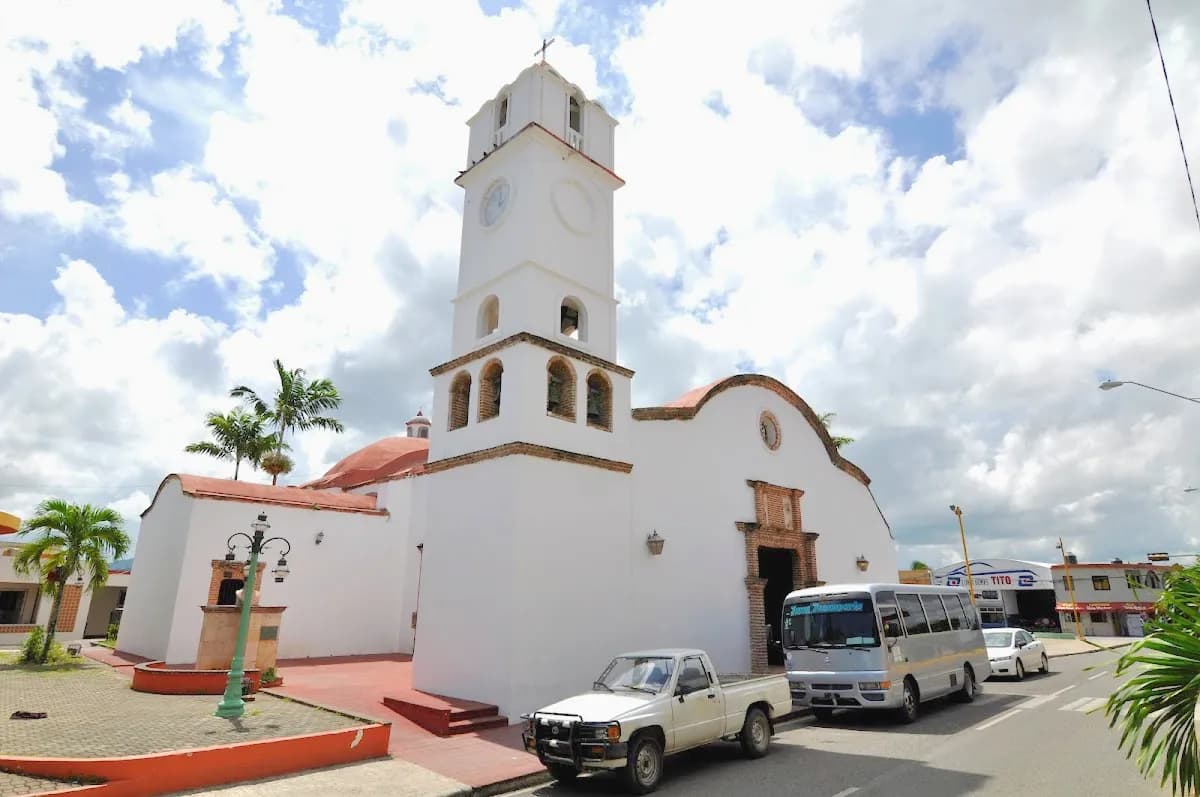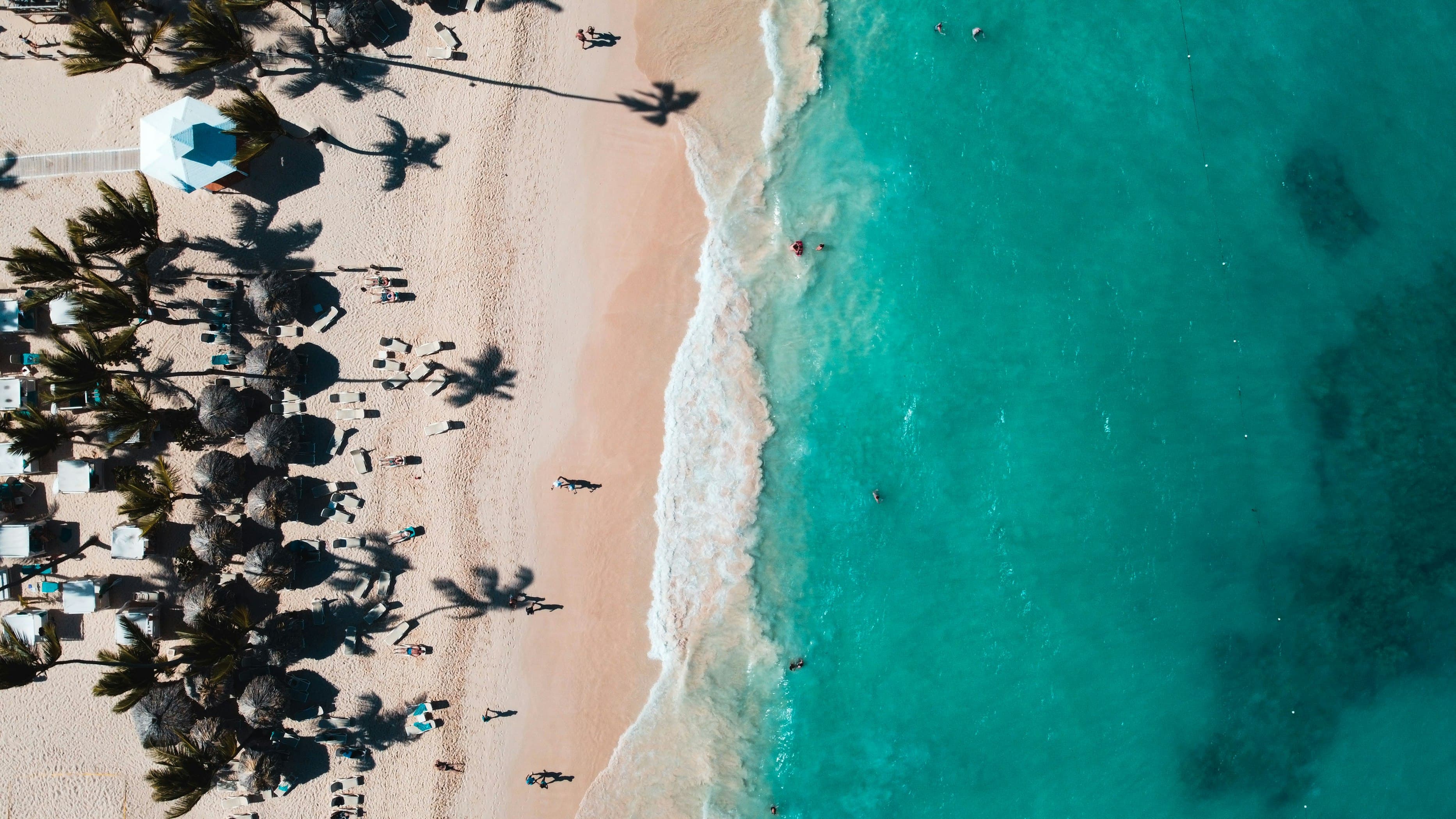
Punta Cana
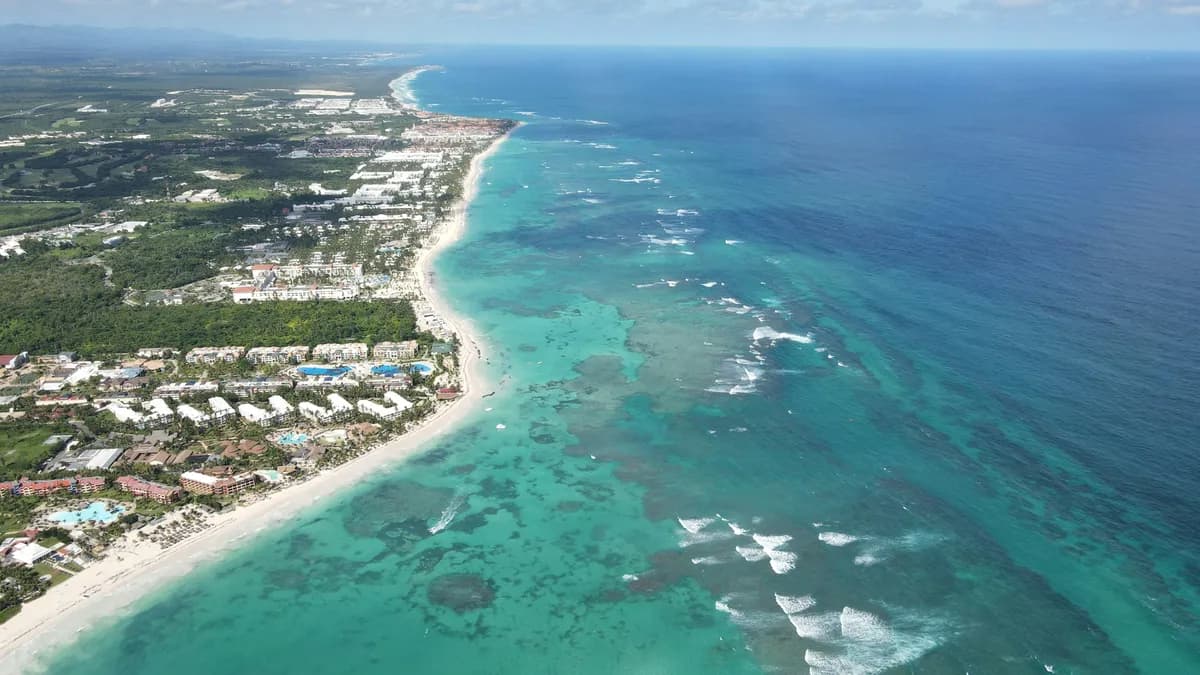
Punta Cana is the Dominican Republic's largest resort belt: roughly 60km of white sand on the country's easternmost tip, anchored by Bavaro Beach and Punta Cana International Airport, the nation's busiest gateway and one of the Caribbean's most-trafficked airports.
Punta Cana
Punta Cana is the Dominican Republic's largest resort belt: roughly 60km of white sand on the country's easternmost tip, anchored by Bavaro Beach and Punta Cana International Airport, the nation's busiest gateway and one of the Caribbean's most-trafficked airports.
Punta Cana occupies the easternmost point of the Dominican Republic, in La Altagracia province, where the Caribbean Sea meets the Atlantic. What began as a 58 million square meter stretch of jungle and beach, bought in 1969 by American investors led by Ted Kheel, with entrepreneur Frank R. Rainieri joining years later, is now the country's largest resort economy, named for the fan-shaped Cana palm that grows across the area. Hotel Puntacana opened in 1979, and in December 1983 the area got the world's first privately owned international airport.
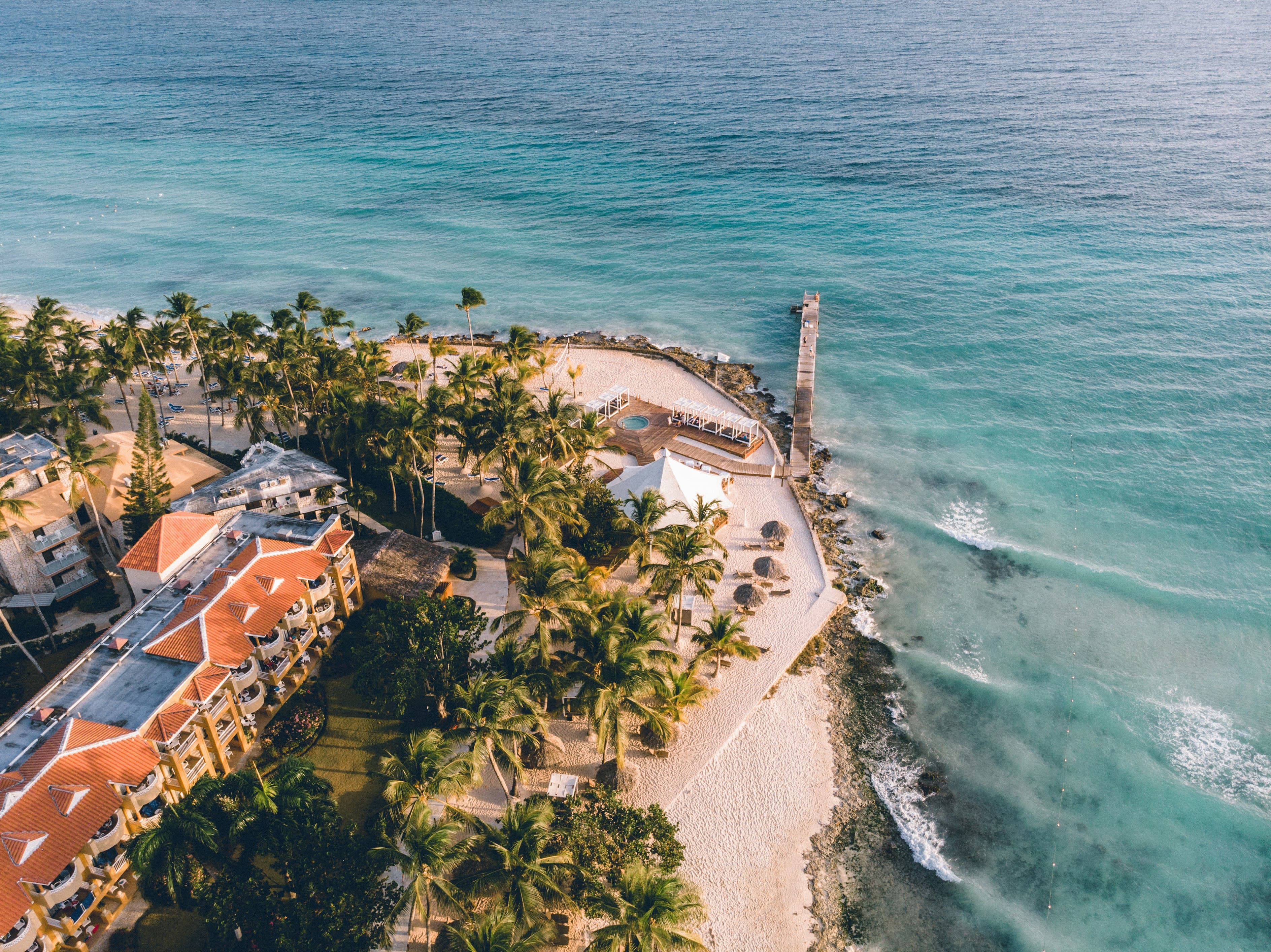
That airport, Punta Cana International Airport, closed 2025 with a record of more than 11 million passenger movements, arrivals and departures combined, making it the busiest in the Dominican Republic and one of the busiest in the Caribbean. It puts nearly every resort within a 20 to 45 minute transfer, which is a large part of why Punta Cana absorbs most of the country's tourism. The strip runs almost entirely all-inclusive, with beach access at Bavaro Beach, Macao Beach, Arena Gorda Beach and Uvero Alto Beach varying by hotel. Macao, further from the resort core, keeps a rougher Atlantic swell and draws surfers rather than swimmers.
Golf is a genuine draw here, not a footnote. Tom Fazio's Corales course at Puntacana Resort & Club has hosted the PGA Tour's Corales Puntacana Championship since 2018, and Jack Nicklaus's Punta Espada at Cap Cana is regularly ranked among the top courses in the Caribbean, both routing several holes along the coast. To the south, Cap Cana has built out its own marina, villa communities and Juanillo Beach, a calmer, less commercial stretch than central Bavaro.
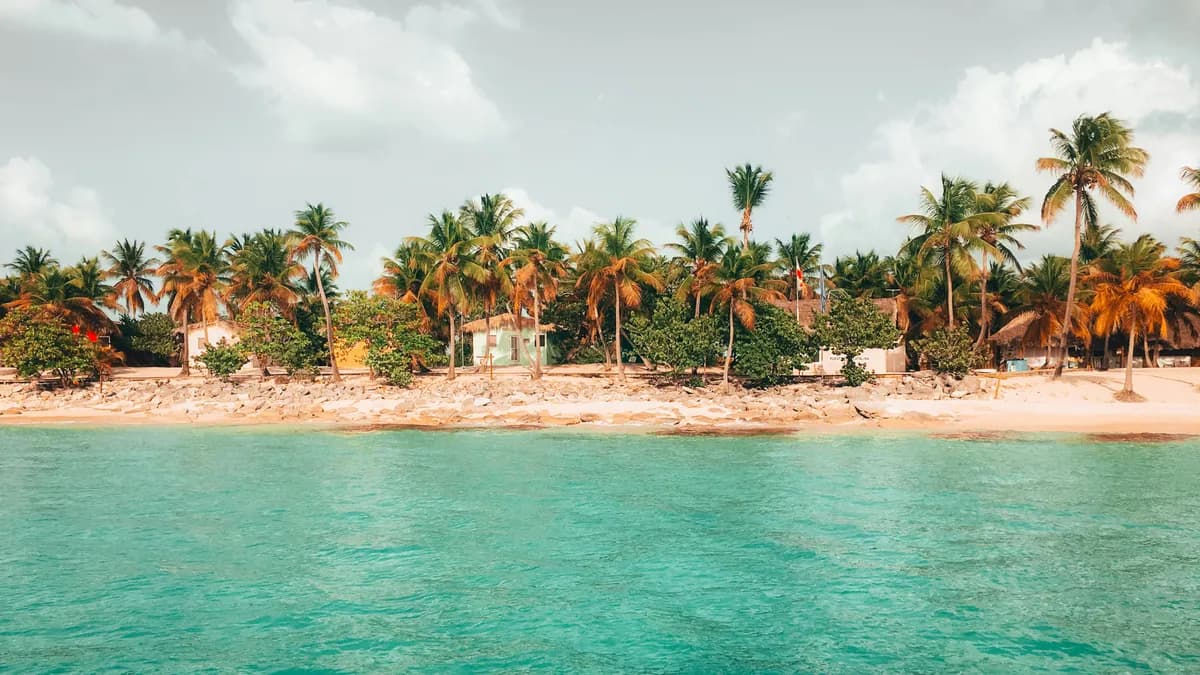
The signature day trip is Saona Island, inside Cotubanamá National Park (long known as Parque Nacional del Este), a roughly 810 square kilometer protected area at the country's southeastern tip. Saona itself covers about 110 square kilometers and is reached most directly from the fishing village of Bayahibe; excursions typically pair a catamaran or speedboat crossing with a stop at a sandbar for shallow-water swimming. It is the most-visited protected area in the Dominican Republic by a wide margin.
Plan around two realities. Atlantic-facing beaches from Uvero Alto through Bavaro see seasonal sargassum influxes, heaviest roughly May through August; resorts run daily cleanup crews, but conditions vary, so check current reports before a beach-specific stay. And Punta Cana is a resort base, not a touring hub, so day trips to Saona or a round at Corales are worth building into an itinerary. For dinner off the all-inclusive plan, the area has a real restaurant scene, including La Yola at the marina and Citrus Restaurant.
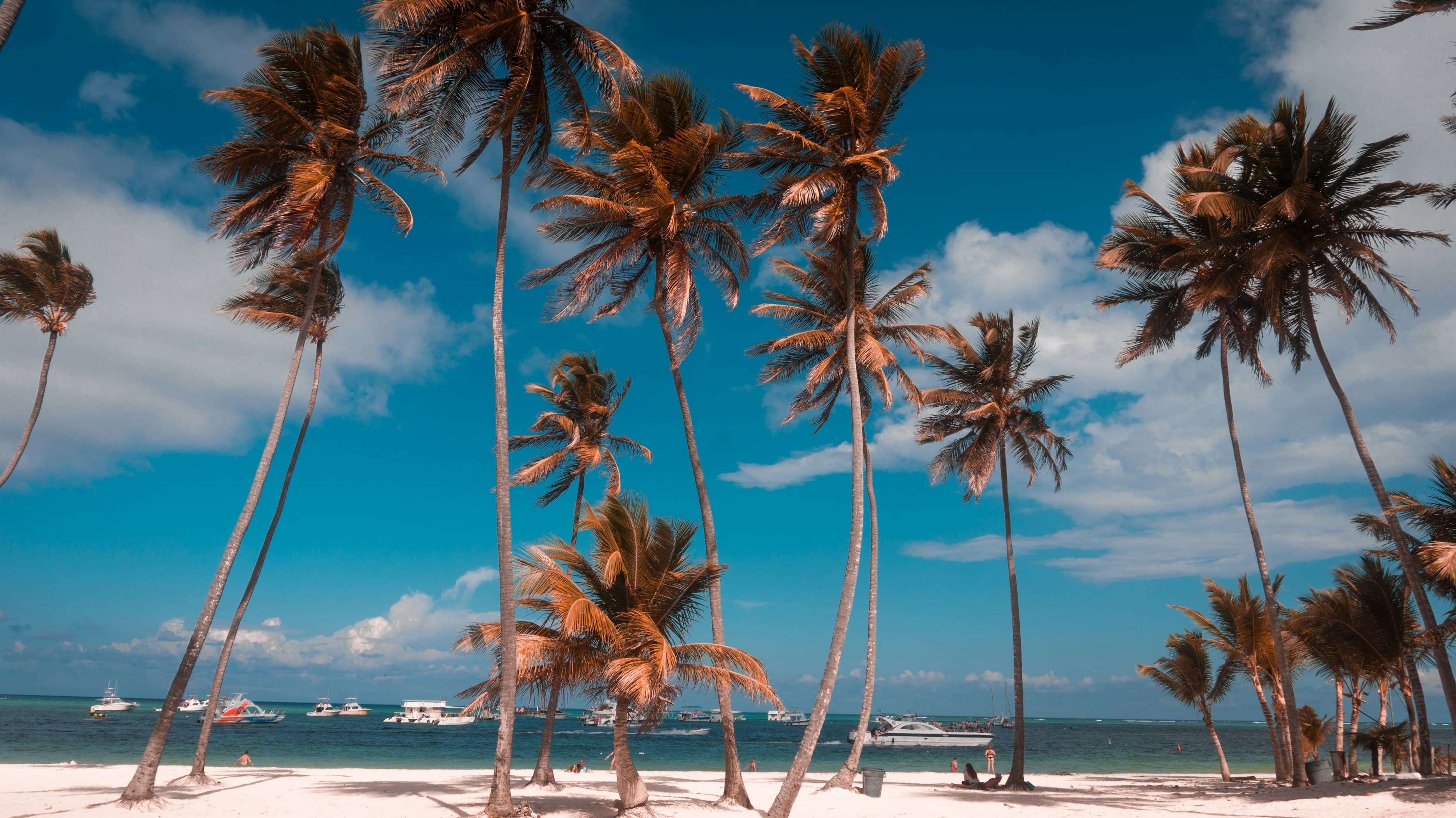
Punta Cana is the Dominican Republic's flagship destination and the most visited spot in the entire Caribbean — and the beach is the reason. The coastline here is almost surreal in its perfection: fine white sand, warm turquoise water, and coconut palms as far as the eye can see.
The area has evolved far beyond its original beach-and-resort formula. World-class golf courses (including Corales, host of a PGA Tour event), luxury marina communities at Cap Cana, adventure parks, cultural experiences, and a growing independent restaurant scene give visitors reasons to leave the lounger.
For all-inclusive vacations, Punta Cana has no equal in the Caribbean. The sheer variety of resorts — from budget-friendly family properties to ultra-luxury adults-only retreats — means there's a perfect match for every traveler and budget. And with the most connected airport in the Caribbean, getting here is effortless from almost anywhere.
Weather by month
Warm all year. Each bar's height is that month's average daily high, so the chart rises toward the warm summer; teal marks the drier months with the most reliable beach weather. Temperatures show in °F by default; switch to °C with the toggle.
Best time to visit: Jan, Feb, Mar, Apr, Jun, Jul, Aug, Nov, Dec. These months bring the most sun and the fewest rainy days; May, Sep, Oct are the wettest.
Sample itineraries
Practical information
Photo gallery
Beaches here
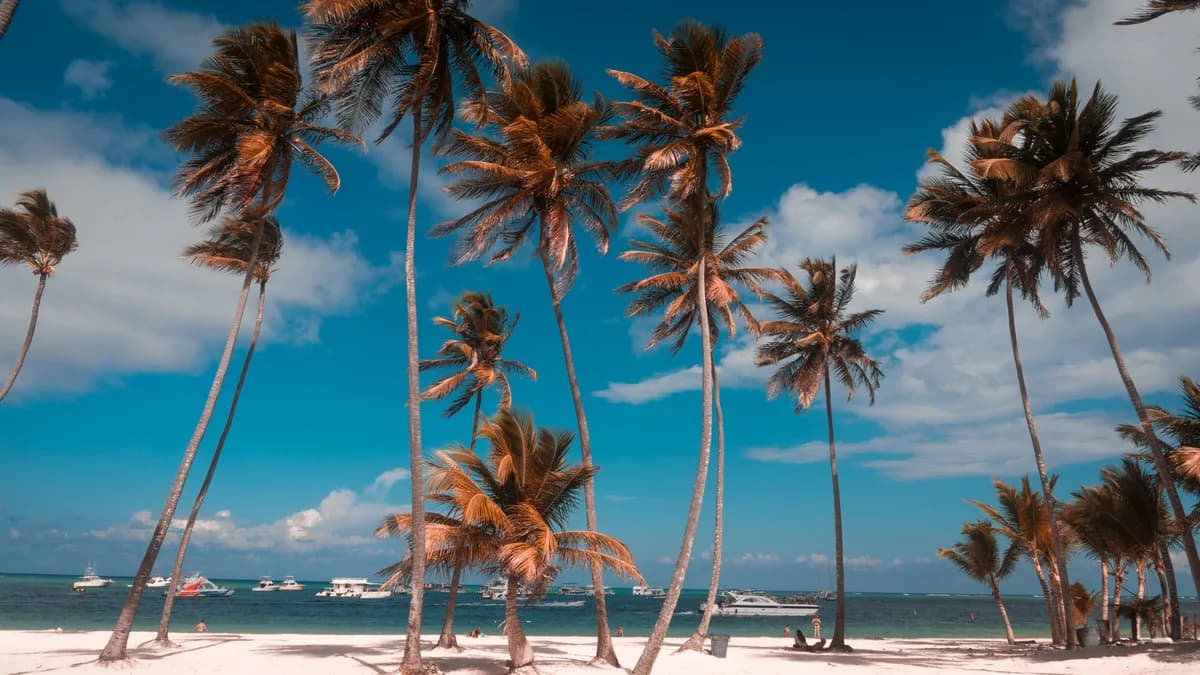
Bávaro Beach
Bávaro Beach is one of the most celebrated stretches of coastline in the Caribbean, renowned for its powdery white sand, swaying coconut palms, and warm turquoise waters. This iconic beach anchors the Punta Cana resort corridor and consistently ranks among the world's best.
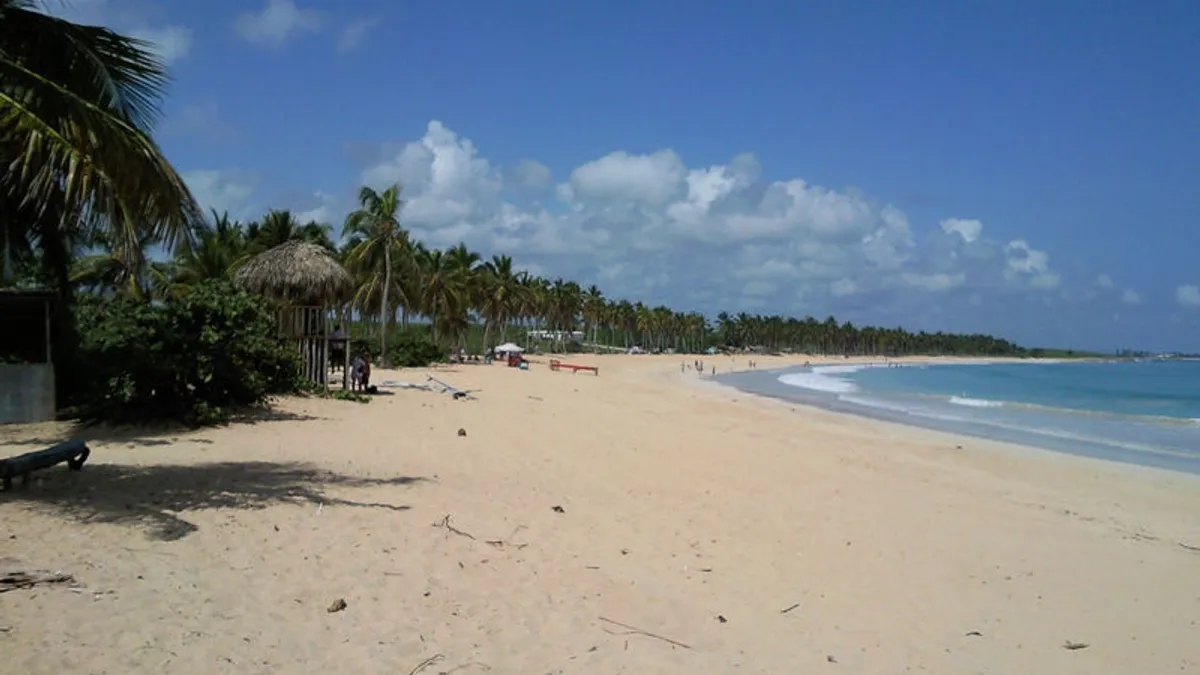
Macao Beach
Macao Beach is one of the last unspoiled public beaches in the Punta Cana area, beloved for its golden sand, powerful surf breaks, and laid-back atmosphere far removed from the all-inclusive corridor. It is a favorite of surfers, buggy-tour groups, and travelers seeking authenticity.
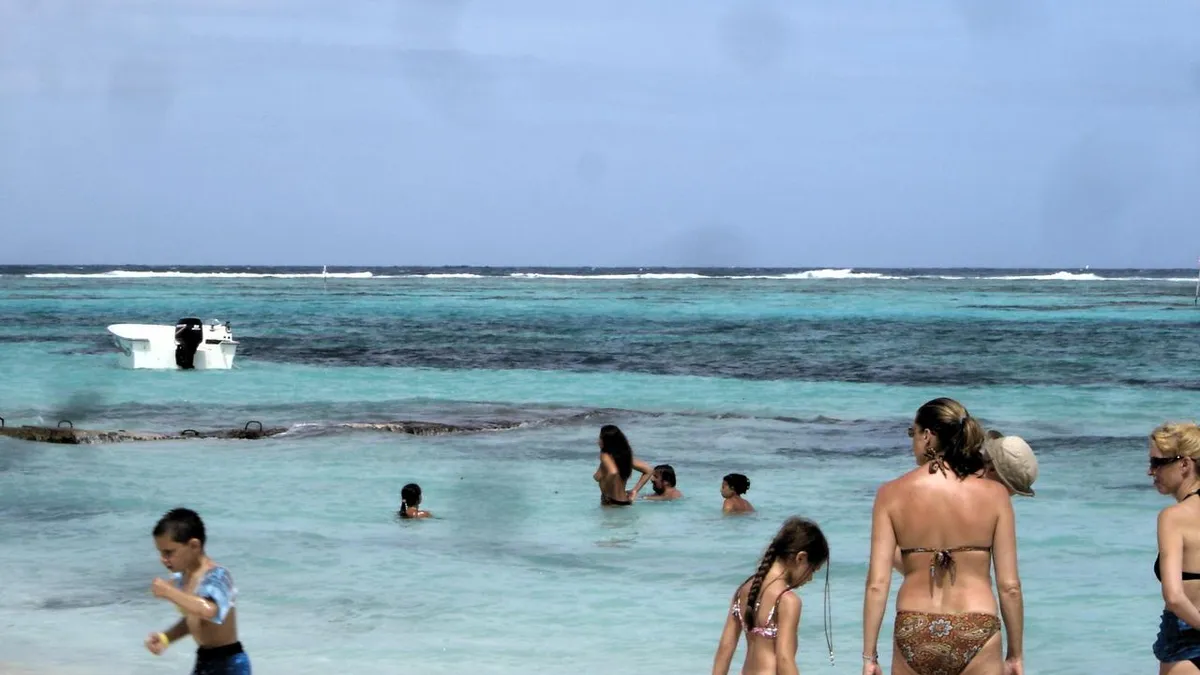
Playa Blanca (Punta Cana)
Playa Blanca is a secluded white-sand beach at the very southern tip of the Punta Cana coastline, offering a quieter alternative to the bustling resort strips further north. Its calm, shallow waters and intimate scale make it feel like a private Caribbean hideaway.
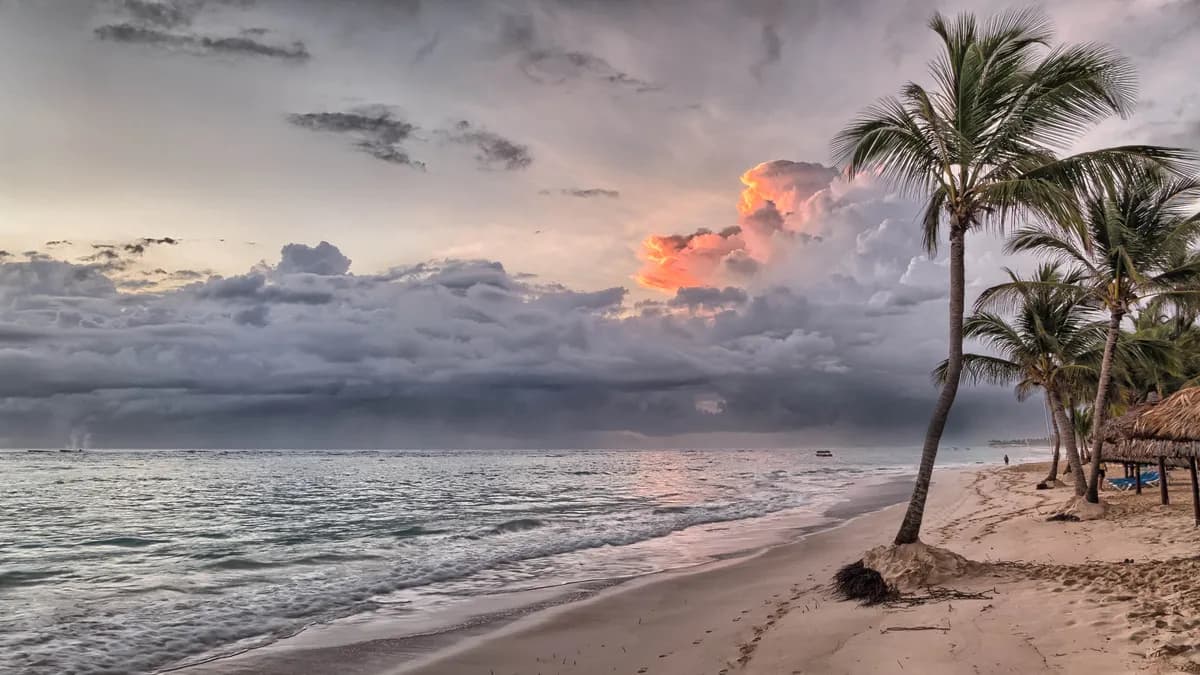
Arena Gorda Beach
Arena Gorda Beach is a wide, palm-shaded expanse of white sand stretching along the Punta Cana hotel zone. Its name means "thick sand" in Spanish, a nod to the generous breadth of shoreline that gives each resort guest plenty of room to spread out.
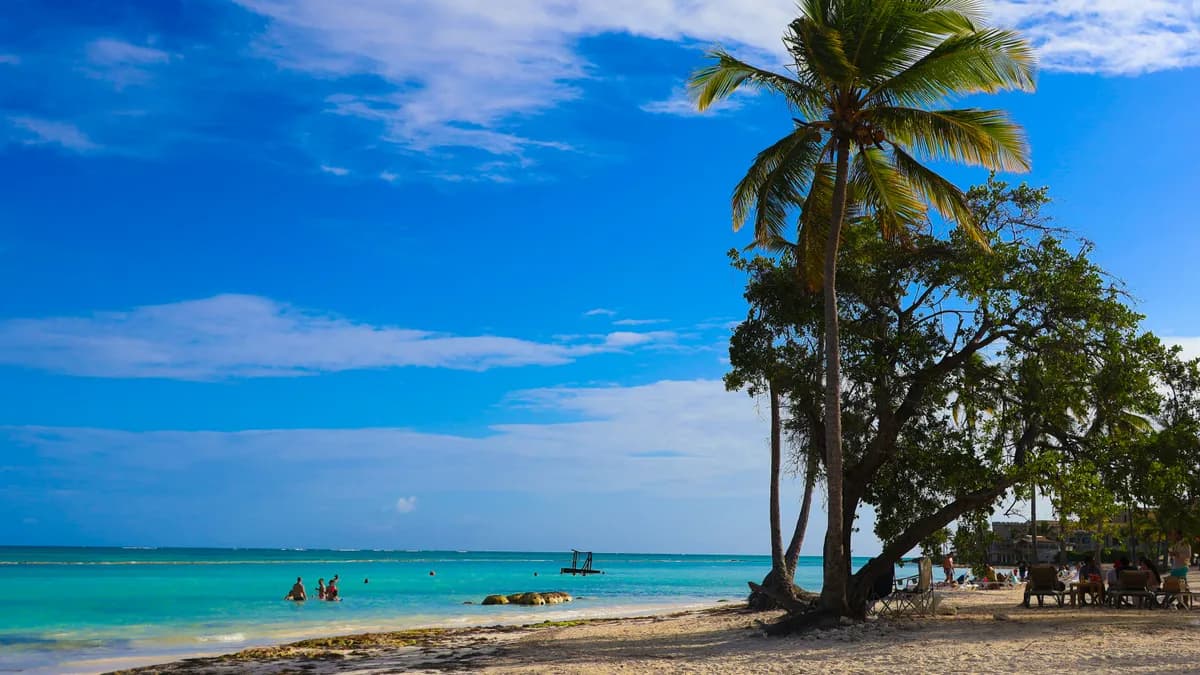
Juanillo Beach
Juanillo Beach is a pristine, palm-fringed crescent of white sand located inside the exclusive Cap Cana development. Often called one of the most beautiful beaches in the Dominican Republic, its calm turquoise lagoon and photogenic setting make it a top choice for destination weddings and luxury travelers.
Uvero Alto Beach
Uvero Alto Beach is a secluded stretch of golden coastline north of Punta Cana, lined with luxury resorts and tall coconut palms. Its peaceful setting and powerful waves offer a more exclusive, romantic escape from the busier resort zones to the south.
Activities & experiences
Where to eat
Where to stay
Excellence Punta Cana
★★★★★Adults-only, all-inclusive luxury resort on a secluded beach with world-class dining and spa services.
Hard Rock Hotel & Casino Punta Cana
★★★★★Luxurious all-inclusive resort with multiple pools, a casino, and a Jack Nicklaus-designed golf course.
Punta Cana questions
What currency should I bring?
+
US dollars are widely accepted at resorts and tourist areas, but you'll get better value with Dominican pesos. ATMs (Banco Popular, BHD León) offer competitive exchange rates. Avoid changing money at hotel front desks — the rates are unfavorable.
Is the seaweed a problem?
+
Sargassum seaweed can affect beaches March-August, though it varies greatly by year and location. All resorts clean their beach sections daily. Bávaro Beach is generally less affected. Swimming conditions vary; follow local warnings and instructions about sea conditions before entering the water.
Is it safe to leave the resort?
+
Yes — downtown Bávaro and the Boulevard Turístico are safe and designed for tourists. Exercise increased caution due to crime. The area outside the resort zone has authentic Dominican restaurants, shops, and nightlife at much better prices.
What's the best excursion from Punta Cana?
+
Isla Saona is the most popular and iconic. Scape Park with Hoyo Azul cenote offers the best adventure. For culture, the Santo Domingo day trip (2.5 hours each way) shows you the other side of the DR. For nature lovers, the Anamuya Mountains ATV tour is excellent.
Which area of Punta Cana is best?
+
Bávaro Beach for the classic all-inclusive experience with the best beach. Cap Cana for luxury and world-class golf. Uvero Alto for quieter, more secluded properties. Downtown Bávaro for independent travelers wanting to save money.
How do I save money in Punta Cana?
+
Book excursions through local operators (30-50% less than resort prices), eat at downtown Bávaro restaurants instead of resort buffets, use Uber instead of hotel taxis, and buy souvenirs/rum at local shops rather than resort gift stores.
What is the best time to visit Punta Cana?
+
The best time to visit Punta Cana is during the dry season from December to April. The weather is consistently sunny with temperatures around 80°F (27°C). This is high season, so expect more crowds and higher prices. May to November is the rainy season with higher humidity and occasional short tropical showers, but prices are lower and there are fewer tourists.
Are there any safety concerns in Punta Cana?
+
Punta Cana is generally considered one of the safest tourist destinations in the Caribbean. Most resorts have security, and the tourist areas are well-patrolled. As with any travel destination, use common sense: don't display expensive items, be aware of your surroundings, and stick to well-traveled areas, especially at night.
Do I need to exchange money before going to Punta Cana?
+
While the official currency is the Dominican Peso (DOP), U.S. dollars are widely accepted in tourist areas and resorts. Major credit cards are also accepted at most establishments. ATMs are available but may charge higher fees. It's a good idea to have some small denominations of local currency for tipping and shopping at local markets.
Keep reading
Travel Guides
Helpful guides for planning your trip to Punta Cana
 First Time Visitors
First-Time Visitor's Guide to the Dominican Republic
Everything you need to know before your first trip to the Dominican Republic, from visas and currency to cultural tips and must-see destinations.
 Regional Guides
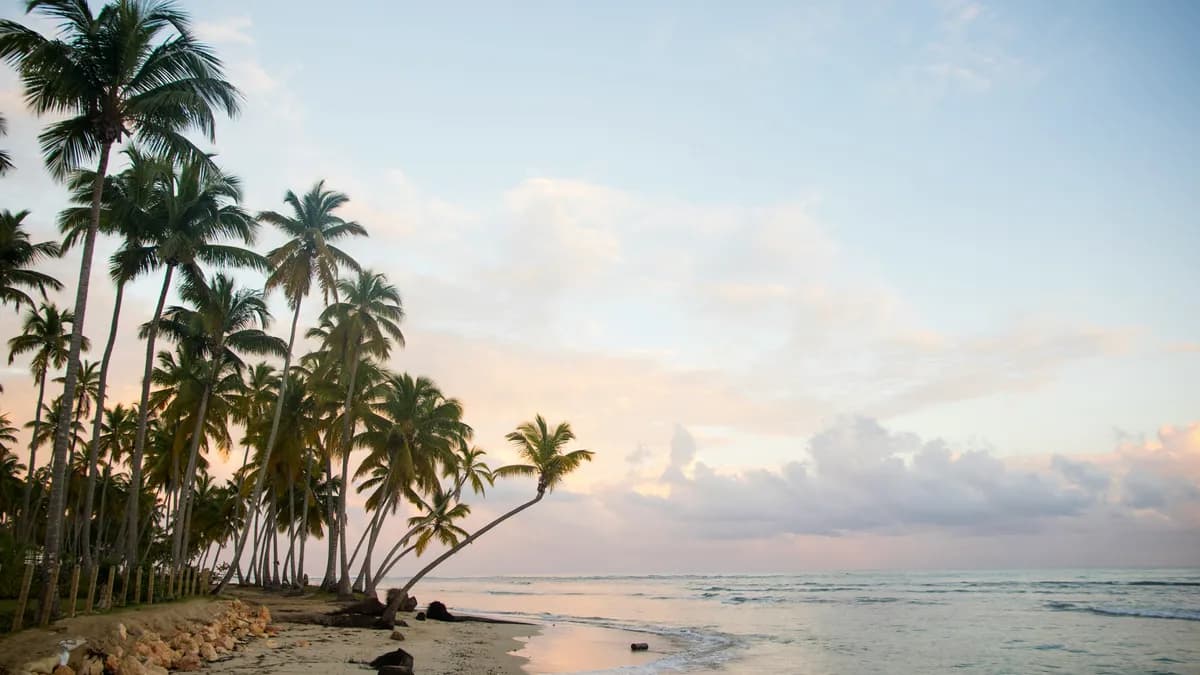
Complete Punta Cana Travel Guide (2026)
Everything you need for Punta Cana, from Bávaro Beach to Cap Cana, the best excursions beyond the resort, where to eat, and insider tips. Updated for 2026.
 Beach Guides
Best Beaches in the Dominican Republic by Region
Compare the Dominican Republic's best beaches by coast: Punta Cana's reef-calm water, Bayahibe's clarity, Samana's coves, and north-coast surf.
7-Day Dominican Republic Itinerary: Santo Domingo to Samaná
A tested day-by-day itinerary covering Santo Domingo, Samaná, and Punta Cana in one week. Transport logistics, hotel picks, daily budgets, and insider tips.
 Luxury Romance
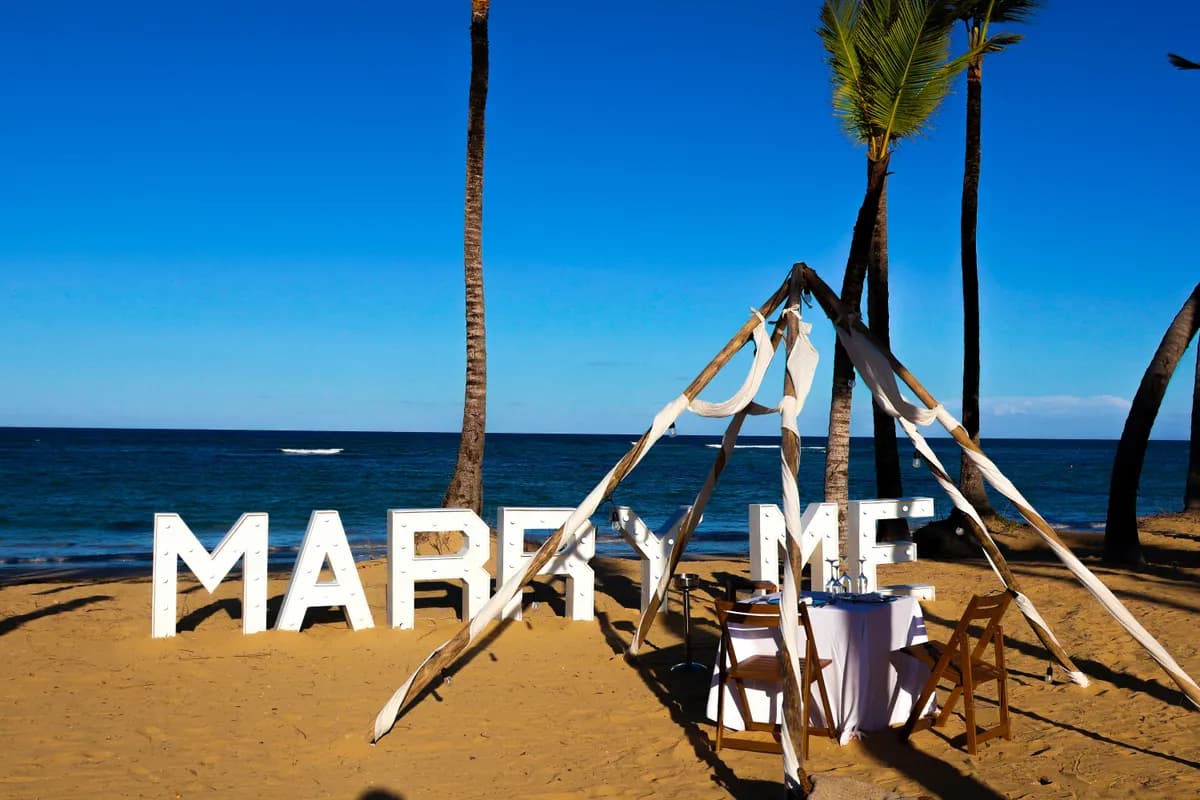
Dominican Republic Destination Wedding Guide
Dominican Republic destination wedding guide covering legal requirements, venue pricing, and a 12-month planning timeline from real vendors.
Is the Dominican Republic Safe? An Honest 2026 Safety Guide
Is the Dominican Republic safe to visit. An honest area-by-area breakdown with crime stats, CESTUR contacts, and resort versus independent travel risk.
Keep exploring
Nearby Destinations
Explore more places near Punta Cana