Complete Punta Cana Travel Guide (2026)
Everything you need for Punta Cana, from Bávaro Beach to Cap Cana, the best excursions beyond the resort, where to eat, and insider tips. Updated for 2026.
Over 4 million visitors a year land at Punta Cana International Airport (PUJ), making this the most popular destination in the Caribbean. Most head straight to an all-inclusive resort and never leave, which is a perfectly valid way to vacation. But Punta Cana rewards the curious. Beyond the resort gates, you'll find world-class beaches, cenotes, local restaurants serving food that puts hotel buffets to shame, and adventures that justify getting sand out of the buffet.
Punta Cana at a Glance
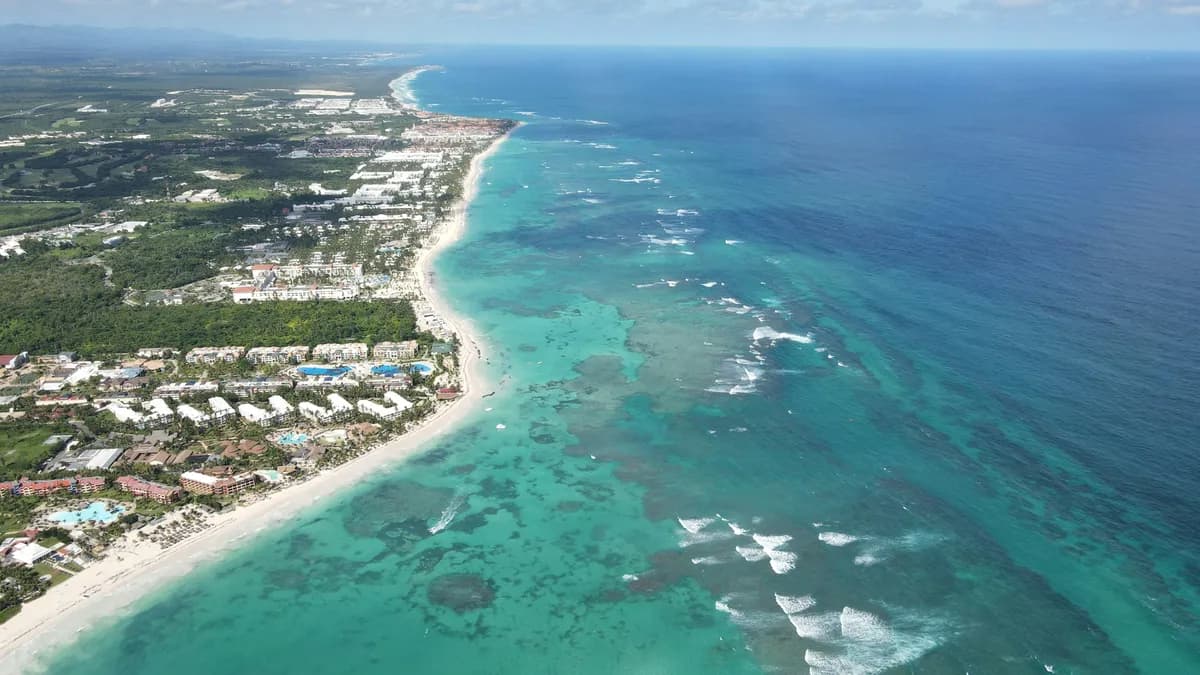
"Punta Cana" is actually a marketing umbrella covering a 50-kilometer stretch of coastline on the Dominican Republic's eastern tip. The area includes several distinct zones, each with its own personality. Understanding which area suits you is the single most important decision for your trip.
- Climate: Average temperature 27-31°C (80-88°F) year-round. The trade winds keep it comfortable.
- Getting there: PUJ airport is 15-30 minutes from most resorts. Direct flights from 100+ cities worldwide.
- When to go: Peak season December-April (dry, warm, busy). Shoulder season May-June and November offer better value.
- Budget: All-inclusive resorts run US$150-500/night. Independent travel is possible from US$80/day.
Understanding the Areas
Bávaro
The main tourist strip. This is where the majority of large all-inclusive resorts sit, shoulder to shoulder along Bávaro Beach. Walking the beach, you can visit resort after resort. The commercial area behind the hotels (along Avenida España and Boulevard Turístico del Este) has local restaurants, supermarkets, pharmacies, and shops. It feels like a town built to serve tourism, because it is.
Best for: First-time visitors, families, those wanting convenience and a wide range of resort options.
Punta Cana Village & Resort Area
The original Punta Cana development, centered around the Puntacana Resort & Club. More exclusive and less crowded than Bávaro. Home to the famous Tortuga Bay (designed by Oscar de la Renta), the La Cana and Corales golf courses, and the Ojos Indígenas Ecological Reserve. The beach here is beautiful, with more coconut palms and a "classic Caribbean" feel.
Best for: Couples, golfers, travelers who want upscale without mega-resort energy.
Cap Cana
The luxury end. A gated resort community with marina, Jack Nicklaus-designed golf course (Punta Espada), high-end restaurants, and Playa Juanillo, one of the most Instagram-worthy beaches in the DR. Cap Cana feels more like a luxury enclave than a traditional beach destination. The Scape Park adventure park is here, with ziplines, cenotes, and buggy tours.
Best for: Luxury travelers, honeymooners, golfers, and those willing to pay premium for exclusivity.
Uvero Alto
The quiet, northern end. Fewer resorts, a wider beach, and a more laid-back atmosphere. Resorts here tend to be premium adult-only or boutique properties (Excellence, Breathless, CHIC). The beach is less developed, waves can be stronger, and you're farther from restaurants and nightlife outside the resort.
Best for: Adults seeking tranquility, honeymooners, couples who prefer quiet over activity.
El Cortecito
A public beach section within Bávaro where locals and tourists mix. This is the most "real" feeling part of the Punta Cana area, beach vendors, local restaurants on the sand, Dominican families, and a fish market. It can be lively and a bit chaotic, but it's authentic. Restaurants here serve better Dominican food than most hotel restaurants.
Best for: Travelers seeking local flavor, budget eaters, and those who want a non-resort beach experience.
Best Beaches
Bávaro Beach
The crown jewel. Over 3 km of powdery white sand, calm turquoise water protected by offshore reefs, and every amenity imaginable. Bávaro is a top-10 Caribbean beach for good reason. Mornings before 10am are magical, golden light, few people, and mirror-calm water.
Playa Juanillo (Cap Cana)
A crescent of bright white sand curving around shallow turquoise water. Juanillo is calmer and less crowded than Bávaro. Public access is available despite being within Cap Cana. The water is ankle-deep for 50+ meters, making it perfect for small children.
Macao Beach
Real waves, real sand, real atmosphere. Macao is the anti-resort beach, surfers, bodyboarders, and Dominican families instead of lounge chairs and drink service. The northern section is rockier and less crowded. ATV tours arrive in the afternoon.
Arena Gorda
The continuation of Bávaro Beach to the north. Slightly less crowded, with the same quality sand and water.
Beyond the All-Inclusive
The number one question visitors ask: is it worth leaving the resort? Absolutely yes, at least once or twice during your stay.
Why Leave
- Dominican food at local restaurants is dramatically better than resort buffets
- Excursions offer experiences no resort can replicate (swimming in cenotes, snorkeling wild reefs, exploring national parks)
- You'll interact with Dominicans and get a sense of the real country
- Prices outside the resort are remarkably low, a meal for two at a local restaurant costs what a single cocktail does at a resort bar
Is It Safe?
Yes. Punta Cana is one of the safest areas in the DR. The tourist corridor is well-policed by POLITUR (tourist police). Book transport from a registered provider and check safety standards with organized excursion operators.
Top Excursions & Day Trips
Hoyo Azul (Blue Hole)
A stunning natural cenote at the base of a 75-meter cliff in Scape Park, Cap Cana. The water is a surreal shade of turquoise, swimming here feels like being inside a screensaver. Entry includes a guided walk through tropical gardens. US$129 for Scape Park's Full Admission; book directly for the best rate.
Saona Island
A full-day catamaran trip to Isla Saona, the quintessential Caribbean day trip. Shallow turquoise water, starfish sandbanks, palm-fringed beach, unlimited rum, grilled seafood lunch. It's touristy and it's worth it. Book through a reputable operator (approximately US$80-120/person) to avoid the cheapest, most crowded boats.
Indigenous Eyes Ecological Reserve
Within the Puntacana Resort complex, this private nature reserve has 12 freshwater lagoons connected by hiking trails through subtropical forest. You can swim in several lagoons. Peaceful, beautiful, and far less crowded than the beaches. Los Ojos Eco Journey is advertised at US$90 for external guests and US$40 for guests of The Westin Puntacana and Four Points by Sheraton Puntacana Village. Confirm the price before booking, as the resort's FAQ lists US$80 for external visitors.
Monkeyland & Plantation Tour
A rescue sanctuary for squirrel monkeys combined with a working plantation growing coffee, cacao, and tropical fruits. Interact with playful monkeys and taste fresh chocolate. Great for families. Approximately US$70-90/person.
Santo Domingo Day Trip
A 2-hour drive (or short domestic flight) takes you to the oldest European city in the Americas. Walk the Zona Colonial, visit the first cathedral in the New World, explore the Malecón, and eat at restaurants that demolish any resort buffet. Full-day tours run US$100-150/person including transport and a guide.
Catalina Island Snorkeling
Better snorkeling than Saona, with less crowds. Catalina Island has a reef wall teeming with tropical fish, sea turtles, and occasional rays. The shipwreck park at the site of Captain Kidd's Quedagh Merchant adds intrigue. Day trips from Punta Cana: approximately US$100-140.
Where to Eat Outside the Resort
Local Dominican Food
- Capitán Cook (El Cortecito): Beachfront seafood at local prices. The fish of the day (pescado del día) grilled whole with tostones is outstanding. Under US$15/person.
- Restaurante Bávaro: Authentic comedor-style Dominican food. La Bandera (rice, beans, meat) for under RD$300. The kind of place resort guests rarely find.
- Jellyfish Restaurant (Playa Bávaro): A step up from local comedores but still beach-casual. Excellent ceviches, seafood platters, and beachfront sunset views.
Upscale Dining
- La Yola (Puntacana Marina): Mediterranean seafood in a stunning over-water setting. The architecturally striking restaurant hovers over the marina. Main courses US$25-45.
- Playa Blanca (Puntacana Resort): Beachfront seafood, grilled meats, and cocktails. Open from 12:00 p.m. to 6:00 p.m.
- SBG (BlueMall Puntacana): A restaurant at the shopping mall. A sign that Punta Cana is growing beyond resorts.
Nightlife & Entertainment
Inside Resorts
Most large resorts have nightly entertainment, live shows, music, themed parties, and bars open until 2am+. Hard Rock Hotel's casino and nightclub are popular even with non-guests (day/night passes available).
Outside Resorts
- Coco Bongo: The mega-nightclub/show venue. Cirque du Soleil-style acrobatics, confetti cannons, and nonstop music until 02:00. The go-to spectacle. Approximately US$80-120 for open bar.
- ORO Nightclub (Hard Rock): High-energy nightclub with international DJs.
- Downtown Punta Cana: The developing commercial district with bars, restaurants, and a more local nightlife scene.
- Imagine Disco: A nightclub built inside a natural cave system. The unique setting makes it worth one visit.
Getting Around Punta Cana
Punta Cana is spread out along 50+ km of coastline with daily intercity bus connections. Here's how to move:
- Resort shuttle: Most resorts offer free shuttles to nearby shopping and dining areas.
- Uber: Operational in Punta Cana. A ride from Bávaro to Cap Cana costs approximately RD$500-800 (US$8-14). The most convenient option.
- Taxis: Available but negotiate the price first. Airport to Bávaro: approximately US$30-40 (fixed rate posted at taxi stands).
- Car rental: Useful if you plan to explore beyond Punta Cana (day trips to Santo Domingo, Samaná). Not necessary if staying within the resort area. Starting at US$35-50/day.
- Tour operator transport: Excursions include hotel pickup and drop-off. Easiest option for activities.
Practical Tips
- Airport to resort: Book your transfer in advance through your hotel or a service like Amstar or Nexus. Walk-up taxi rates are negotiable but often inflated.
- Power outlets: Same as U.S./Canada (Type A/B, 110V). No adapter needed for North American electronics.
- Water: Don't drink tap water. Resorts use filtered water for cooking and ice, but stick to bottled for drinking.
- SIM cards: Buy at Claro or Altice stores near the airport or in Bávaro (not from airport vendors who overcharge). A tourist SIM with 10GB data costs approximately RD$500 (US$8-9).
- Sunscreen: The UV index is extreme. Apply SPF 50+ every 2 hours. Reef-safe formulas protect the coral that makes the water so beautiful.
- Reef shoes: Useful for the rockier sections of beach, especially toward El Cortecito and Macao.
- Cash: Carry Dominican pesos for anything outside the resort. ATMs are in Palma Real Shopping Village and San Juan Plaza.
- Tipping: US$1-2/drink at resort bars, US$2-5/day for housekeeping. Budget US$100-150 in small bills for a week.
Frequently Asked Questions
Is Punta Cana worth visiting beyond the resort?
Absolutely. Local restaurants serve better food at a fraction of resort prices. Excursions to cenotes, national parks, and islands like Saona offer experiences impossible to replicate at a resort. Even one day trip enriches your entire vacation.
How many days do you need in Punta Cana?
5-7 days is ideal: 2-3 days of pure beach relaxation, 2-3 days of excursions and off-resort dining, and 1 day for exploring Downtown Punta Cana or a day trip to Santo Domingo. A long weekend (4 days) works for a beach-focused getaway.
What is the best area to stay in Punta Cana?
Bávaro for first-timers (most options, central location). Cap Cana for luxury seekers. Uvero Alto for couples wanting peace. Punta Cana Village for a more curated, less touristy experience.
Facts on this page were last compared with their sources on . Details may have changed since. How we check
Table of Contents
Punta Cana
This guide covers Punta Cana. Explore more about this destination.
View DestinationAbout the Author
Alex Borshch
Founder and editor of the Isla365 network. Spent six months living in the Dominican Republic over the 2013-14 winter, and has since wintered in Thailand, Vietnam and Turkey. Writes and edits the guides across the network.