Is the Dominican Republic Safe? An Honest 2026 Safety Guide
Is the Dominican Republic safe to visit. An honest area-by-area breakdown with crime stats, CESTUR contacts, and resort versus independent travel risk.
Let's cut through the noise. Every year, over 7 million tourists visit the Dominican Republic, and the overwhelming majority have incident-free vacations. But headlines about occasional incidents can make you nervous, and they should prompt you to be informed, not scared.
This guide gives you the unfiltered truth: what's genuinely risky, what's overblown, and exactly how to stay safe, from lounging at an all-inclusive resort to exploring Santo Domingo's backstreets at midnight.
The Honest Assessment
The Dominican Republic is about as safe as Mexico, Jamaica, or Colombia for tourists, which is to say, generally safe in tourist areas with some precautions needed in cities and off-the-beaten-path locations. It is significantly safer than many travelers assume.
The U.S. State Department rates the DR at Level 2 ("Exercise Increased Caution"), the same level as the United Kingdom, France, and Germany. That context matters. You are not traveling to a war zone, you're visiting a Caribbean nation with a robust tourism infrastructure that employs roughly 350,000 people and generates over $8 billion annually.
That said, the DR is not Disney World. Petty theft happens. Taxi drivers occasionally overcharge. Avoid motorcycle taxis. And certain neighborhoods in Santo Domingo and Santiago have crime rates that warrant avoidance, just like neighborhoods in Miami or Los Angeles.
Crime Statistics in Context
According to the Dominican National Police and the United Nations Office on Drugs and Crime, here's how the DR compares:
- Homicide rate: 8.7 per 100,000 residents in 2025, higher than the U.S. average (6.3) but lower than Jamaica (52.1), Trinidad (28.2), and Brazil (21.0). Crucially, tourist areas have rates far below the national average.
- Theft and pickpocketing: The most common crime affecting tourists. Concentrated in crowded markets, public beaches, and bus terminals in Santo Domingo and Santiago.
- Violent crime against tourists: Rare. CESTUR (Cuerpo Especializado de Seguridad Turística), the dedicated tourist police force, patrols all major tourist zones.
The overwhelming majority of violent crime in the DR is domestic or gang-related and occurs in specific urban neighborhoods that tourists have no reason to visit.
Safest Areas for Tourists
These areas have dedicated tourist police (CESTUR) presence, established tourism infrastructure, and low crime rates:
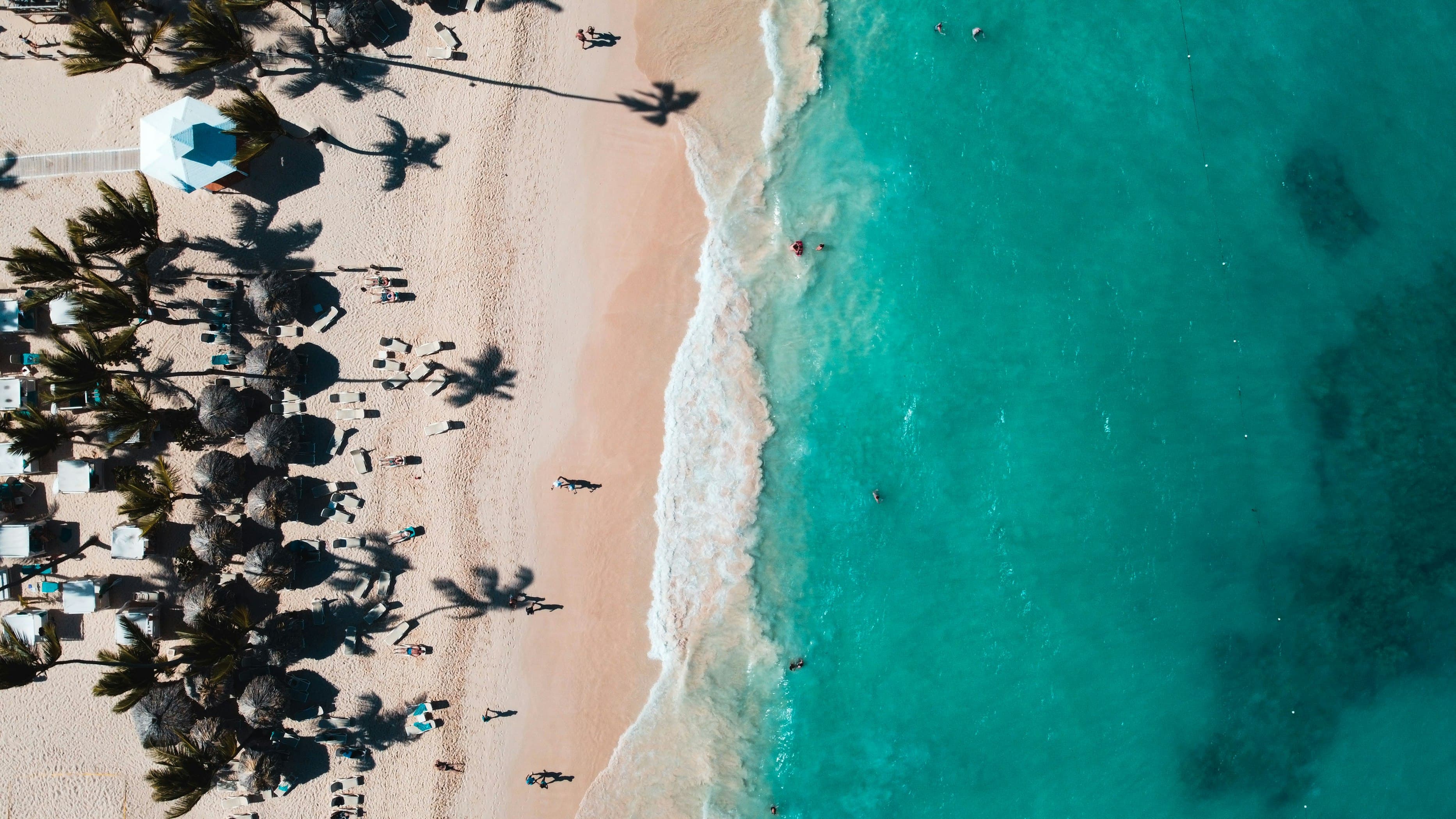
Punta Cana & Bávaro, Very Safe
The resort corridor from Cap Cana to Uvero Alto is one of the safest places in the Caribbean. Private security at resorts, gated communities, and constant CESTUR patrols create a controlled environment. Bávaro Beach and surrounding areas are well-patrolled day and night. Assault, rape and sexual aggression against foreigners have occurred, including at beach resorts.
Samaná Peninsula, Very Safe
Las Terrenas, Las Galeras, and the broader Samaná peninsula feel remarkably safe. The expat community (heavily French and Italian) has helped create a relaxed, walkable environment. Whale watching season (January–March) brings extra security presence. Avoid walking alone at night.
La Romana & Bayahíbe, Very Safe
The Casa de Campo resort complex and the fishing village of Bayahíbe are quiet, tourist-oriented, and heavily monitored. The gated community model at Casa de Campo is extremely secure.
Puerto Plata & Cabarete, Safe
Puerto Plata has improved dramatically in recent years with increased investment and CESTUR expansion. The Malecón (waterfront promenade) is well-lit and patrolled. Cabarete is a small, international beach town where everyone knows everyone, the vibe is open and welcoming. Sosúa requires slightly more awareness at night due to its nightlife scene.
Santo Domingo, Zona Colonial & Piantini, Safe
The Zona Colonial has undergone significant restoration and is now well-policed, especially along Calle El Conde, Parque Colón, and the Malecón. The upscale neighborhoods of Piantini, Naco, and Gazcue are modern, walkable, and comparable to any mid-range city neighborhood in the U.S. or Europe.
Areas Requiring Caution
Being honest about where to exercise extra care helps you plan smarter:
Santo Domingo, Certain Neighborhoods
Avoid Los Alcarrizos, Capotillo, Cristo Rey, Villa Juana, and Los Guandules, especially after dark. These are residential neighborhoods with higher crime rates. Tourists rarely have reason to visit these areas. If a taxi or guagua route takes you through them, keep windows up and valuables hidden.
Santiago de los Caballeros, At Night
The Dominican Republic's second-largest city is safe during the day, especially around the Monumento area and the city center. At night, stick to well-known restaurant and nightlife districts. The cimarrón neighborhoods on the city's outskirts should be avoided.
Border Areas
Security in border areas is highly unpredictable. Cross-border commerce can be chaotic, and pickpocketing is more common in crowded market areas.
Isolated Beaches After Dark
Any remote beach becomes riskier after sunset. This applies globally, not just in the DR. Popular beaches with infrastructure (restaurants, lights, security) are fine in the evening. Deserted stretches are not the place for a midnight stroll.
Resort vs Independent Travel Safety
All-Inclusive Resorts
Resorts in the DR are extremely safe. Gated compounds with 24/7 security, controlled access, surveillance cameras, and staff background checks are standard. Sexual assault and rape have occurred, including at major resorts and hotels. That said, exercise caution with in-room safes (use them) and don't leave valuables on your beach chair.
Independent Travel
Exploring the DR independently is absolutely doable and safe with basic street smarts. Millions of backpackers, digital nomads, and independent travelers do it every year. The key differences from resort travel:
- You're responsible for your own transportation choices, avoid motoconchos at night
- You'll interact more with locals (this is a positive, Dominicans are genuinely warm and helpful)
- You need to be more aware of your belongings in public spaces
- You'll want to research neighborhoods before booking accommodation
Common Scams & How to Avoid Them
Knowledge is your best defense. These are the most reported tourist scams:
The Taxi Overcharge
Dominican taxis don't use meters. Drivers at airports and tourist spots will quote inflated prices to foreigners. Fix: Ask your hotel for approximate taxi rates. Use Uber or InDriver in Santo Domingo, Santiago, and Punta Cana for transparent pricing. For airport transfers, book through your hotel or use a fixed-rate service.
The Friendly "Guide"
Unsolicited helpers who approach you in the Zona Colonial or at beaches, offer to show you around, and then demand payment. Fix: Politely decline with "No gracias, estoy bien" (No thanks, I'm fine). If you want a guide, book through your hotel or a licensed tour operator.
The Currency Confusion
Some vendors in tourist areas price items in pesos but accept payment as if quoted in dollars, a 60x difference. Fix: Always clarify "¿Pesos o dólares?" before agreeing to any price. Learn the current exchange rate (approximately RD$60 = US$1 as of early 2026).
The Rental Car Damage Scam
Rental agencies claiming pre-existing damage was caused by you. Fix: Photograph every scratch, dent, and scuff on the car before driving away. Use your phone's video mode to record a full walk-around with the rental agent present. Always buy full insurance coverage.
The SIM Card Overcharge
Airport vendors sell SIM cards at 3-5x the normal price. Fix: Buy your SIM card from a Claro, Altice, or Viva store in town. A prepaid SIM with 10GB data costs around RD$500 (US$8-9) at retail price.
Safety for Solo Travelers & Women
Solo Travel in General
The Dominican Republic is a good solo travel destination. The culture is social and welcoming, eating alone at a comedor will likely result in friendly conversation with the owner. Hostels in Cabarete, Las Terrenas, and Santo Domingo have active social scenes. Solo travelers should take the same precautions as anywhere: tell someone your plans, don't get intoxicated alone with strangers, and trust your instincts.
Solo Female Travel
Dominican culture includes a phenomenon called "piropos", street compliments directed at women. These range from harmless ("Hola, guapa") to persistent and annoying. They are almost never threatening, but they can be uncomfortable for women unaccustomed to them.
Practical tips for solo female travelers:
- Unwanted attention is best handled by walking confidently, wearing sunglasses, and not engaging. A firm "No, gracias" or simply ignoring works.
- Avoid walking alone in poorly lit areas after dark, this applies in any country
- Share your live location with a friend or family member using WhatsApp
- Cabarete, Las Terrenas, and the Zona Colonial have established solo female traveler communities, connect through Facebook groups and hostel common rooms
- Use ride-hailing apps (Uber, InDriver) rather than hailing taxis on the street at night
Health & Medical Safety
Water
Do not drink tap water. This is non-negotiable throughout the country, including at resorts (though resorts use filtered water for cooking and ice). Buy bottled water (widely available for RD$25-50). Brush your teeth with bottled water if you have a sensitive stomach.
Sun Exposure
The Caribbean sun is significantly stronger than most visitors expect. The UV index frequently exceeds 11 (extreme). Wear SPF 50+ sunscreen (reef-safe, please), reapply every 2 hours, and seek shade between 11am and 3pm. Travelers' diarrhea is the most common health problem for visitors, don't let it ruin your trip.
Mosquitoes & Dengue
Dengue fever is present in the DR, particularly during the rainy season (May-November). There is no vaccine commercially available for most travelers. Prevention is key: use DEET-based repellent, wear clothing that covers as much of your body as possible during the day, and stay in accommodations with screens or A/C. Cases are rare among tourists but not unheard of.
Medical Facilities
Private hospitals in Santo Domingo (Centro Médico UCE, Clínica Abreu) and Punta Cana (Hospiten Bávaro, IMG) provide excellent care. Many doctors speak English. Medical care is affordable by U.S. standards, a doctor's visit costs US$30-80. Travel insurance is strongly recommended; make sure it covers medical evacuation.
Emergency Contacts & Resources
Save these numbers in your phone before arrival:
- National Emergency: 911 (police, fire, ambulance)
- CESTUR (Tourist Police): 1-200-3500, bilingual operators, specifically trained to assist tourists
- POLITUR (Tourism Police): (809) 222-2026
- U.S. Embassy, Santo Domingo: 809-567-7775
- Canadian Embassy: 809-262-3100
- British Embassy: 809-472-7111
- Dominican Navy (general contact): (809) 593-5900
- Fire Department: 809-682-2000
CESTUR officers patrol all major tourist areas and are identifiable by their white uniforms. They can assist with everything from filing a police report to finding medical care. Don't hesitate to approach them, helping tourists is literally their job.
15 Practical Safety Tips
- Use hotel safes for passports, excess cash, and electronics you're not carrying.
- Follow your embassy's passport advice. U.S. citizens should carry their passports at all times.
- Don't flash expensive jewelry, watches, or electronics in markets, bus terminals, or crowded public areas.
- Use ride-hailing apps (Uber, InDriver) instead of hailing taxis, especially at night.
- Never ride a motoconcho at night: avoid motorcycle taxis.
- Withdraw cash from bank ATMs (Banreservas, Popular, BHD León) inside or attached to banks. Avoid standalone ATMs on dark streets.
- Learn basic Spanish phrases. "Ayuda" (help), "policía" (police), "hospital", even basic Spanish creates goodwill and gets faster assistance.
- Negotiate taxi fares before getting in. If the price seems too high, walk away, there's always another taxi.
- Avoid walking alone on deserted beaches after dark. Stick to populated, well-lit areas.
- Don't accept drinks from strangers at bars or clubs. This is universal travel advice.
- Keep your phone in a front pocket or crossbody bag, not in a back pocket or dangling loosely.
- Tell someone your plans. Whether it's the hotel front desk or a friend back home, someone should know where you're headed.
- Buy comprehensive travel insurance before departure. Make sure it covers medical evacuation.
- Respect the ocean. Rip currents are common, especially on north coast beaches. Swim where locals swim and heed red flag warnings.
- Trust your gut. If something feels wrong, leave. Your instincts are your best security system.
The Dominican Republic rewards the informed traveler. Come with awareness, leave the paranoia at home, and you'll discover one of the warmest, most welcoming countries in the Caribbean. Seven million tourists a year can't be wrong.
Table of Contents
Punta Cana
This guide covers Punta Cana. Explore more about this destination.
View DestinationAbout the Author
Alex Borshch
Founder and editor of the Isla365 network. Spent six months living in the Dominican Republic over the 2013-14 winter, and has since wintered in Thailand, Vietnam and Turkey. Writes and edits the guides across the network.