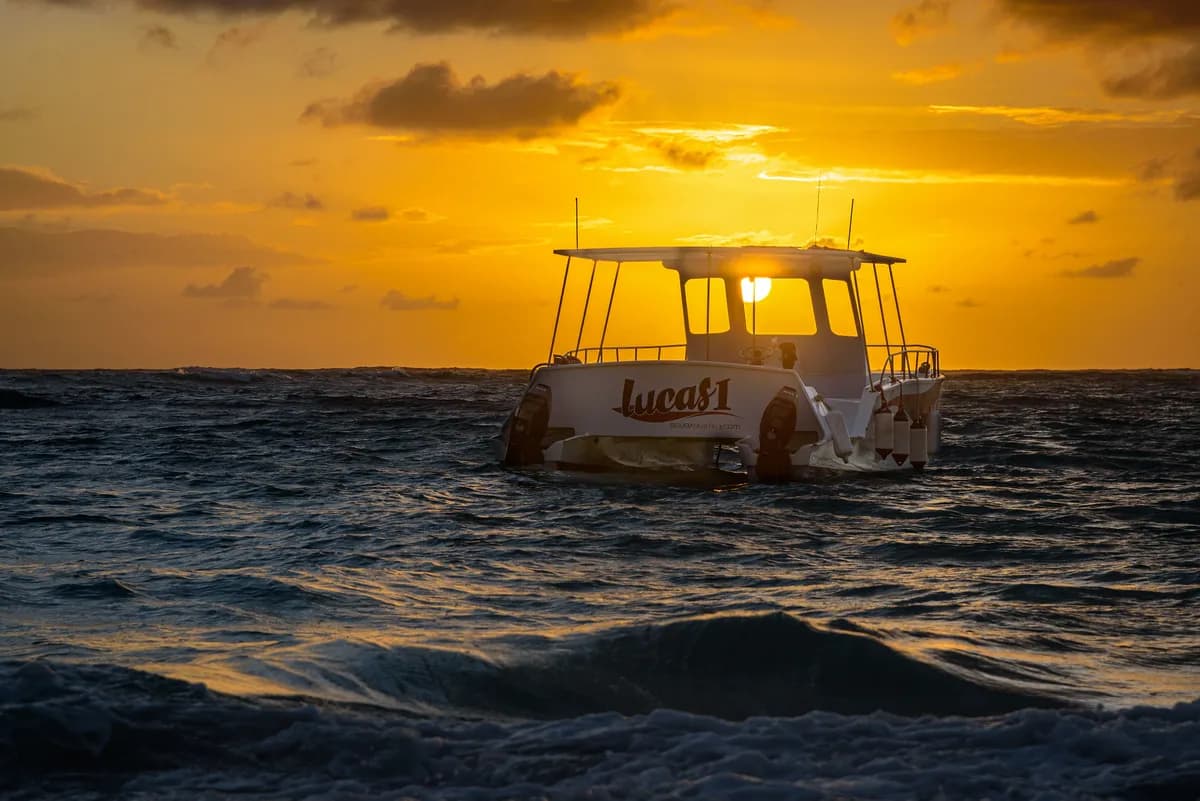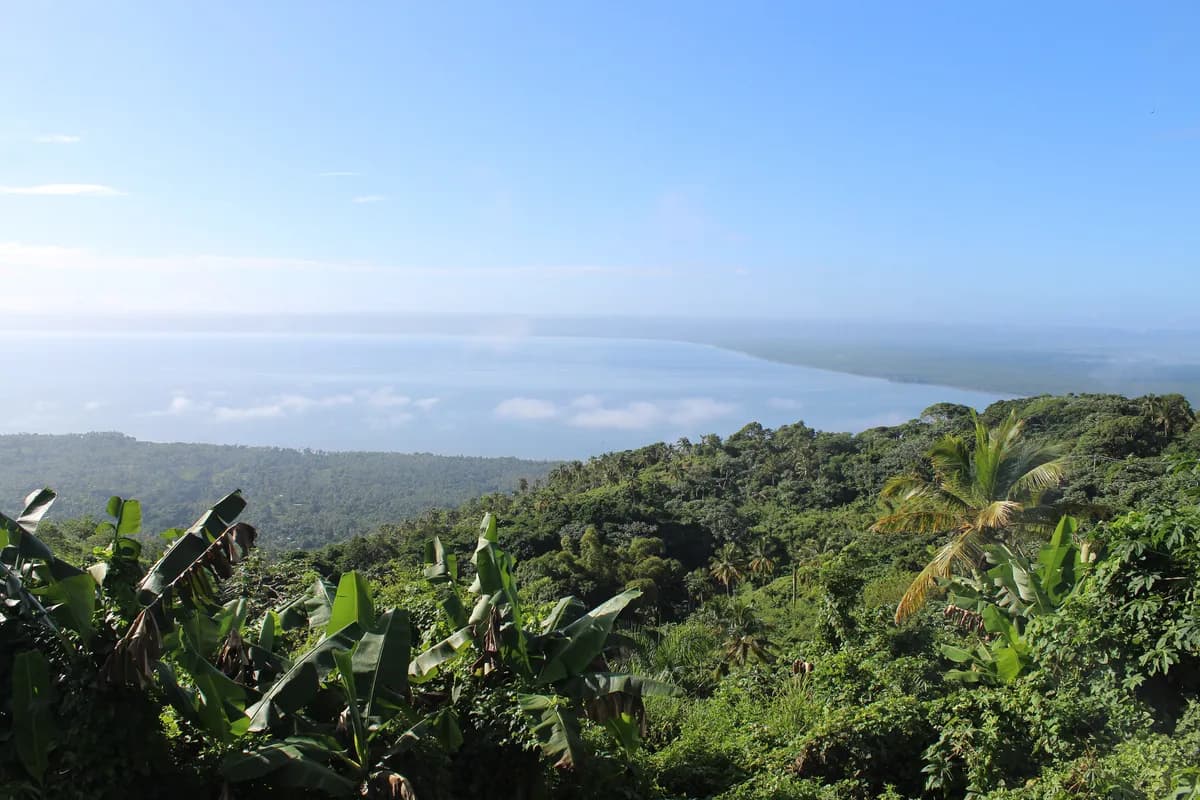
Whale Watching in Samana
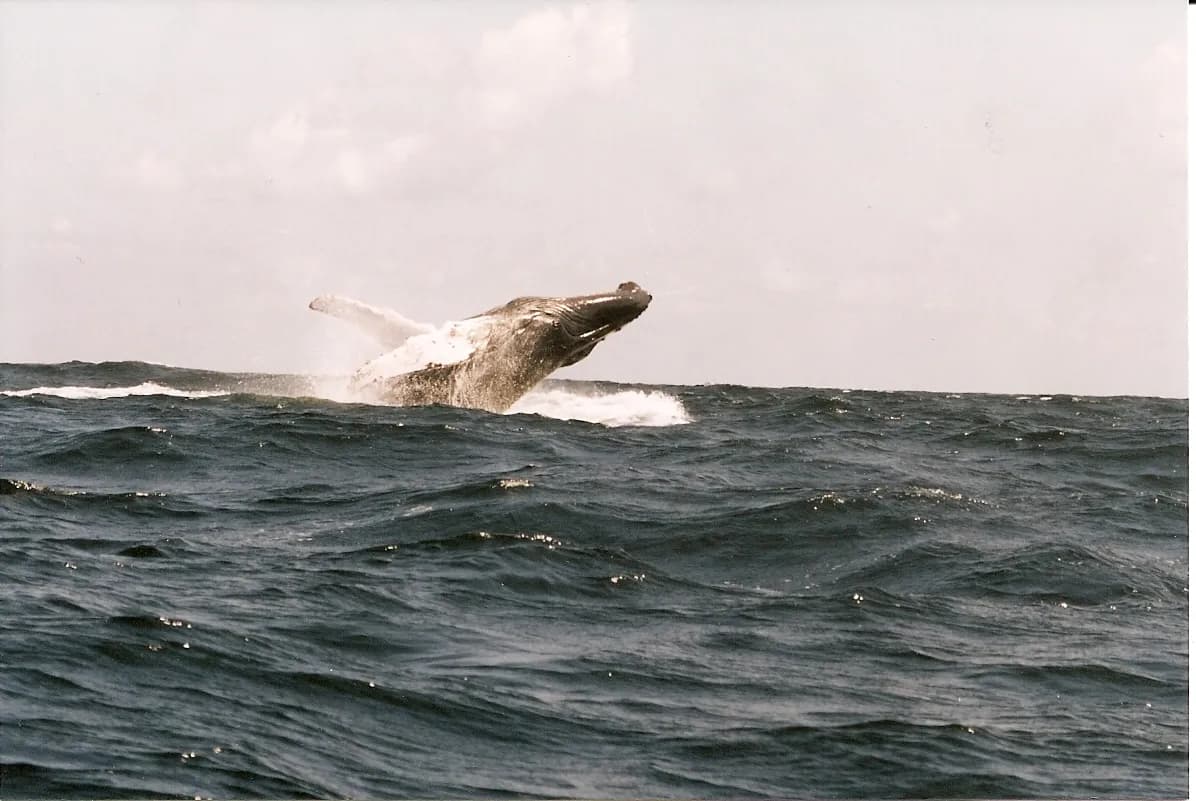
Watch humpback whales breach in warm Samana Bay
Whale Watching in Samana
Witness the awe-inspiring annual migration of North Atlantic humpback whales in the warm, protected waters of Samana Bay.
Samaná Bay is one of the premier whale-watching destinations in the world. Each year from mid-January through late March, approximately 1,500 to 2,000 North Atlantic humpback whales migrate from their cold-water feeding grounds near Iceland, Greenland, and New England to the warm, sheltered waters of Samaná Bay and the nearby Silver Bank to mate, give birth, and nurse their young.
Samaná Bay forms part of the Marine Mammal Sanctuary of the Dominican Republic, one of the most important protected areas for humpback whales in the North Atlantic. Strict regulations govern whale-watching boats to minimize disturbance, and trained marine naturalists accompany excursions to provide educational commentary on whale behavior and conservation.
Whale-watching excursions from Samaná are exciting and remarkably accessible:
- Sighting success: During peak season (February-March), whale sightings are virtually guaranteed — success rates exceed 95%
- Behaviors: Humpbacks are known for their dramatic acrobatics. You may witness breaching (launching out of the water), tail slapping, pectoral fin waving, spy hopping (poking their heads above the surface), and blowing
- Singing: Male humpbacks produce haunting, complex songs that can last up to 20 minutes. Some boats use hydrophones so passengers can listen in real-time
- Mother-calf pairs: From late February onward, you're likely to see mothers with newborn calves, often just days old. Calves are curious and sometimes approach boats
- Trip duration: Excursions last 3-4 hours, including about 30-45 minutes of travel time to the prime observation areas
Boats maintain a minimum distance of 50 meters from adult whales and 80 meters from groups with a calf as required by Dominican regulation, but whales frequently approach boats on their own, sometimes surfacing within arm's reach.
What to know before you go
Plan this experience
The essentials for booking Whale Watching in Samana and getting there.
Facts on this page were last compared with their sources on . Details may have changed since. How we check
Photo gallery
Frequently asked questions
Keep reading
Travel Guides
Helpful guides for planning your trip to Samaná
 Food Drink
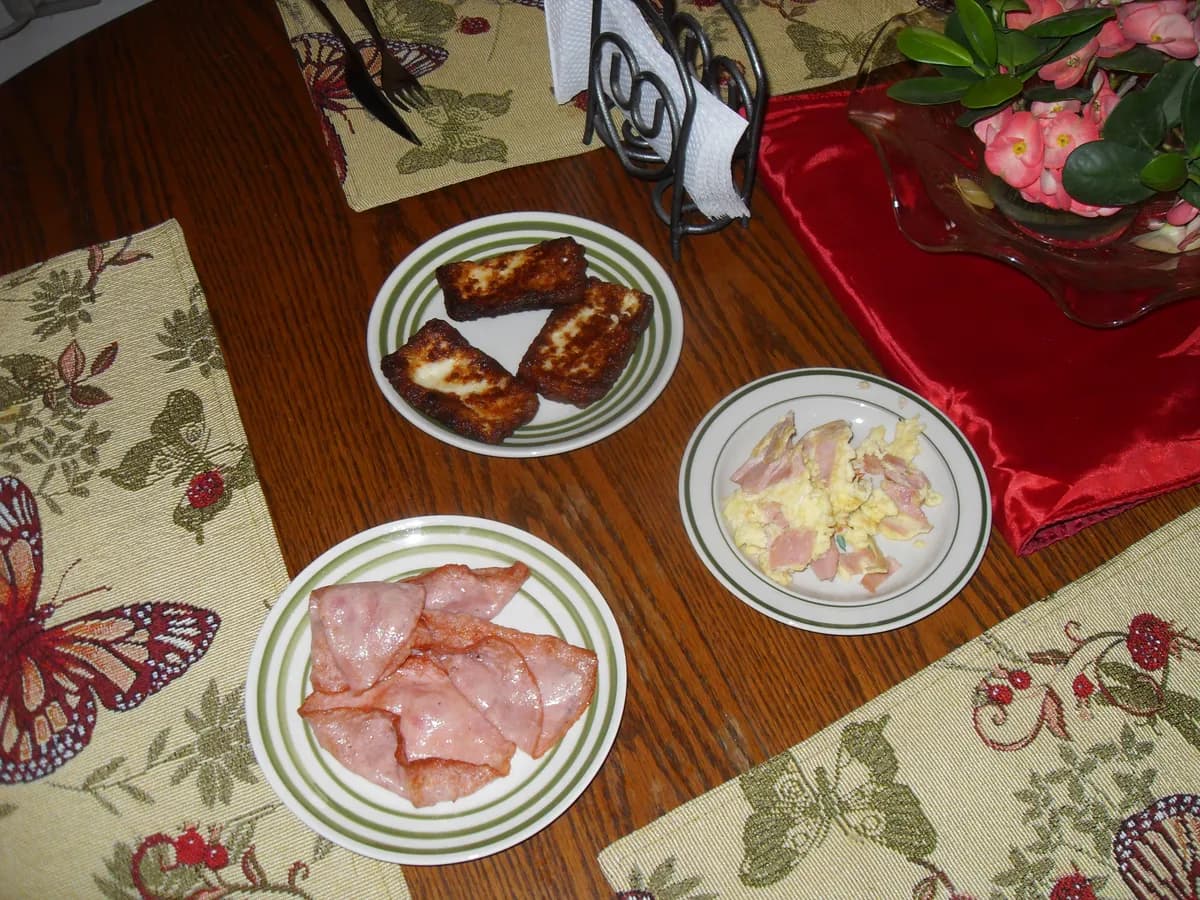
Dominican Food Guide: What and Where to Eat
What Dominicans actually eat: la bandera, mangu, sancocho, mofongo, street food, seafood by coast, and where to find the best plato del dia.
 Practical Tips
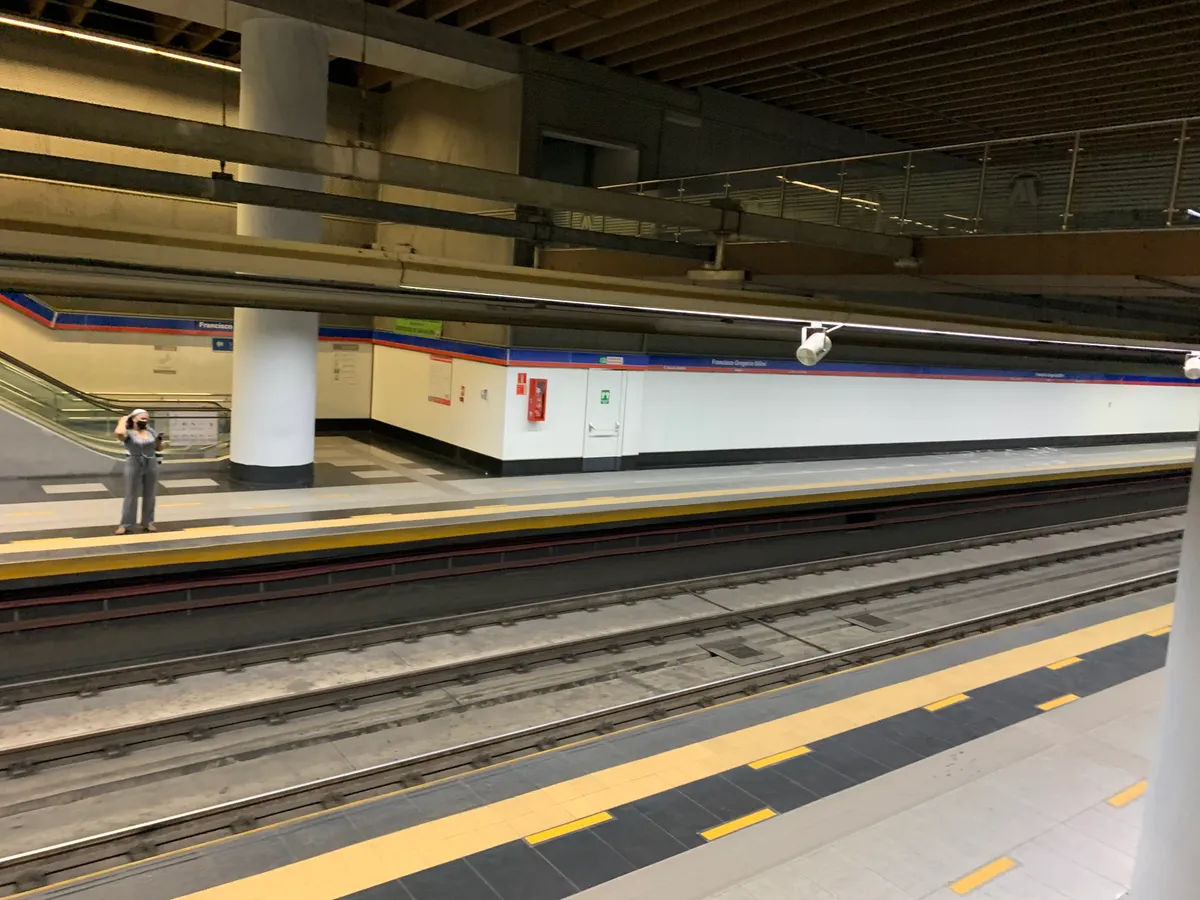
Getting Around the Dominican Republic: Transport
Compare intercity buses, guaguas, the Santo Domingo Metro, taxis, and Uber in the Dominican Republic, with verified 2026 fares, routes, and safety notes.
Related reading
From the blog
Blog posts about Whale Watching in Samana
More to Explore in Samaná
Discover beaches, attractions, activities, and more in the same area

Similar activities and experiences
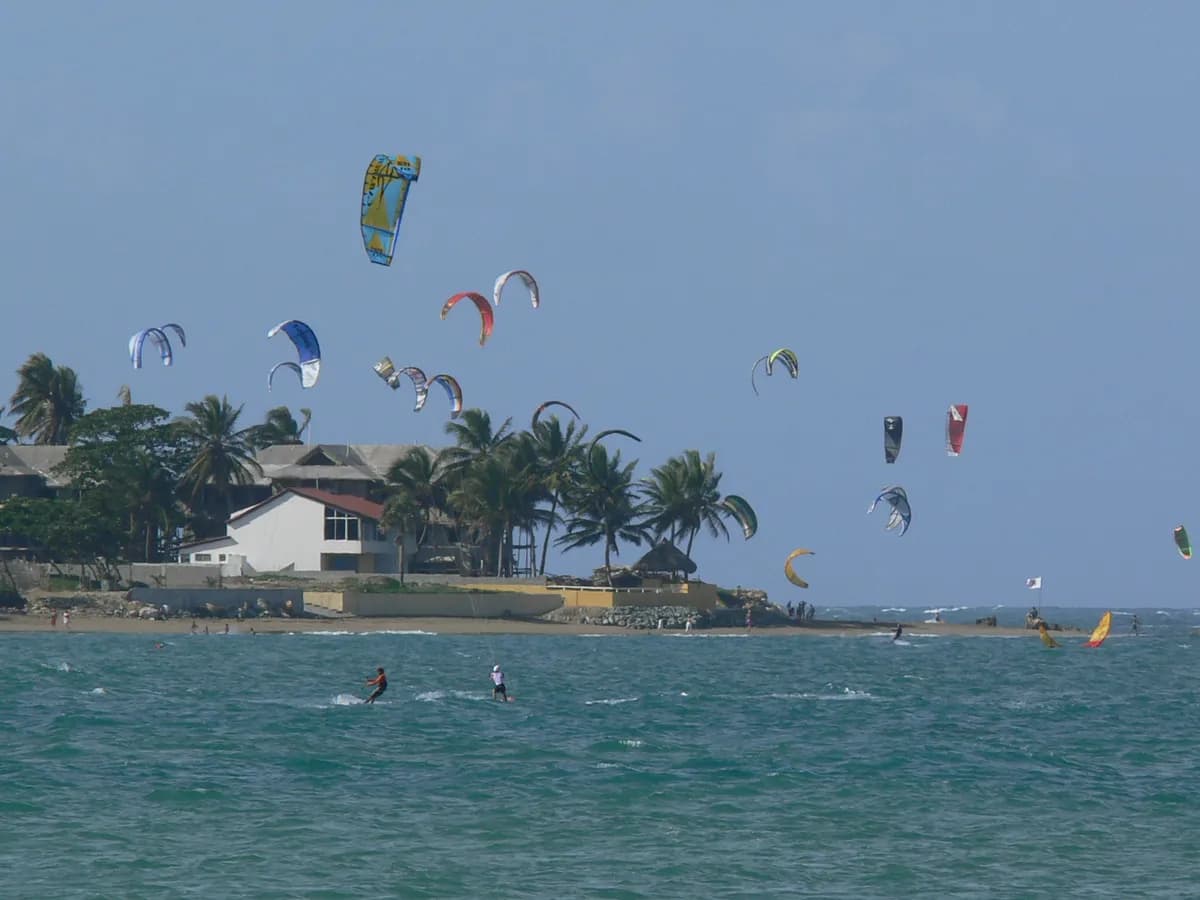
Kitesurfing in Cabarete
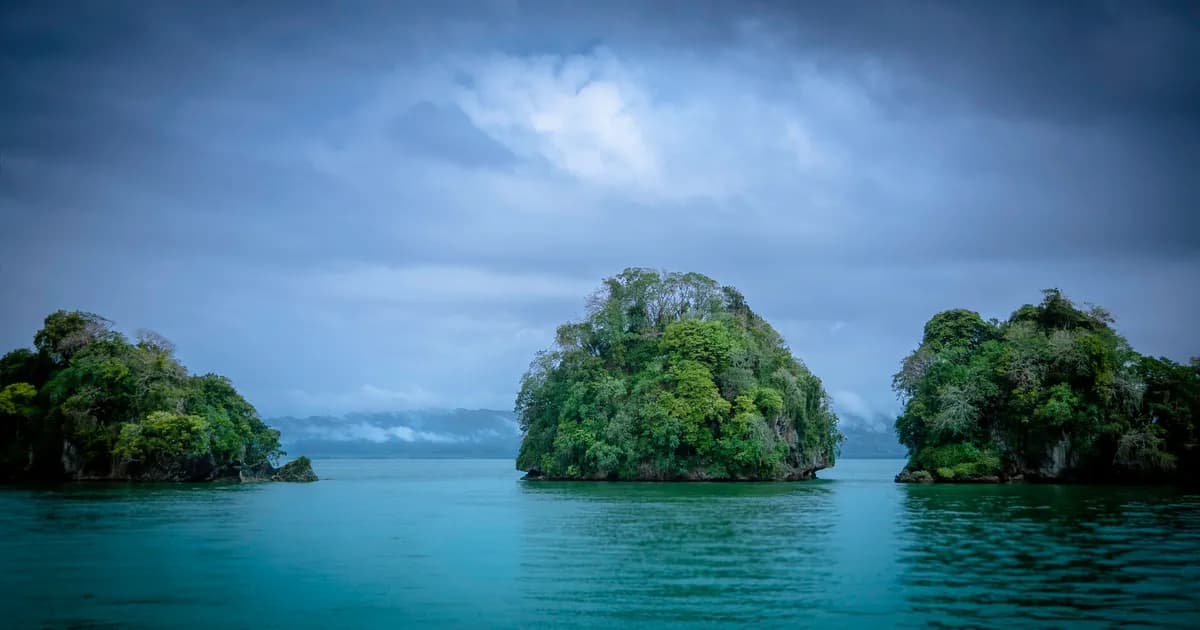
Los Haitises National Park Tour
Scuba Diving in Bayahibe
Snorkeling at Catalina Island
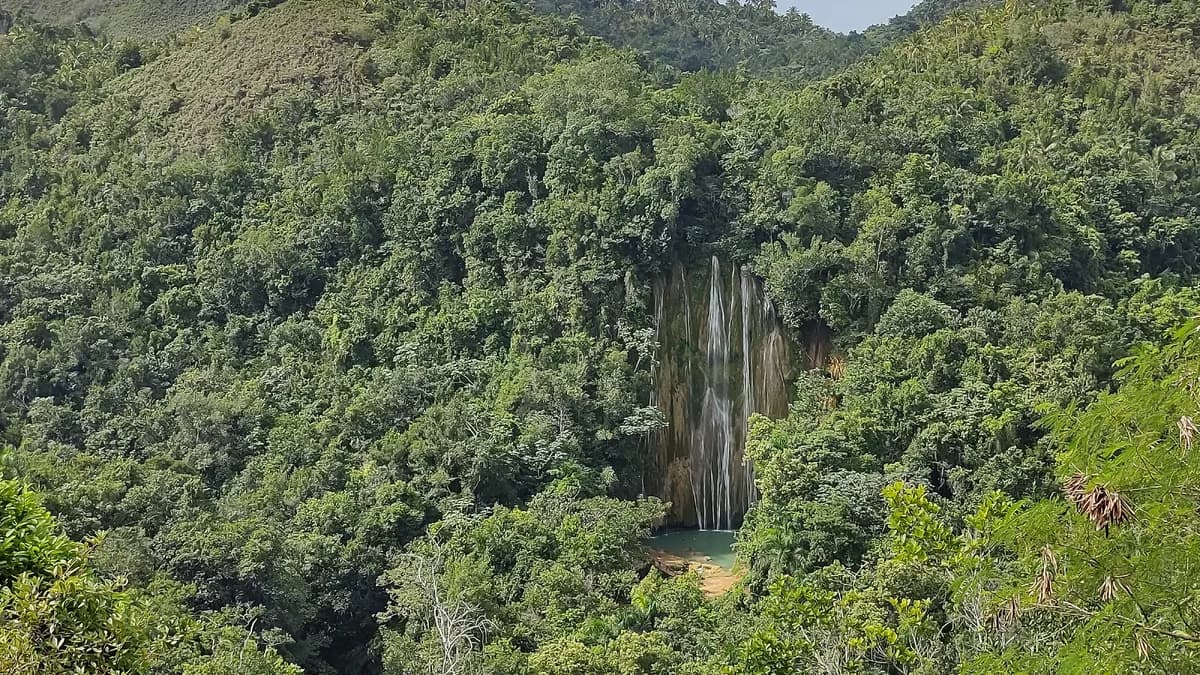
El Limon Waterfall Hike