Azua
One of the New World's first Spanish towns and site of the first Dominican victory in the 1844 war of independence, Azua sits inland where the humid capital region gives way to the dry, cactus-studded southwest.
Azua
One of the New World's first Spanish towns and site of the first Dominican victory in the 1844 war of independence, Azua sits inland where the humid capital region gives way to the dry, cactus-studded southwest.
Azua de Compostela sits roughly 110 kilometers west of Santo Domingo by road, where the humid capital region gives way to the driest landscape in the Dominican Republic. Founded in 1504 by Diego Velázquez under governor Nicolás de Ovando, it is one of the first Spanish towns in the Americas. Hernán Cortés lived here from 1504 to 1511, before he set eyes on Mexico, and by most accounts spent his leisure hours at what is now Monte Río beach. Through the 1500s and 1600s Azua ran on sugar, one of the earliest cane-growing centers in the New World.
The town people visit today is not the one Cortés knew. An earthquake on October 18, 1751 leveled the original coastal settlement, forcing survivors to rebuild about ten kilometers inland along the Río Vía. The abandoned site, known as Azua La Vieja or Pueblo Viejo, still holds the stone foundations of the colonial church, more archaeological fragment than tourist attraction.
Azua's other defining chapter is military. On March 19, 1844, Dominican forces under Pedro Santana and Antonio Duvergé, roughly 2,200 troops, held off a much larger Haitian army here in the first major battle of the Dominican War of Independence. Parque 19 de Marzo commemorates the fight, and the date remains a national patriotic anchor. Haitian forces occupied Azua in 1849 and were defeated at the nearby Battle of Las Carreras; retreating forces then burned the town. Few places outside the capital's Zona Colonial carry this much history.
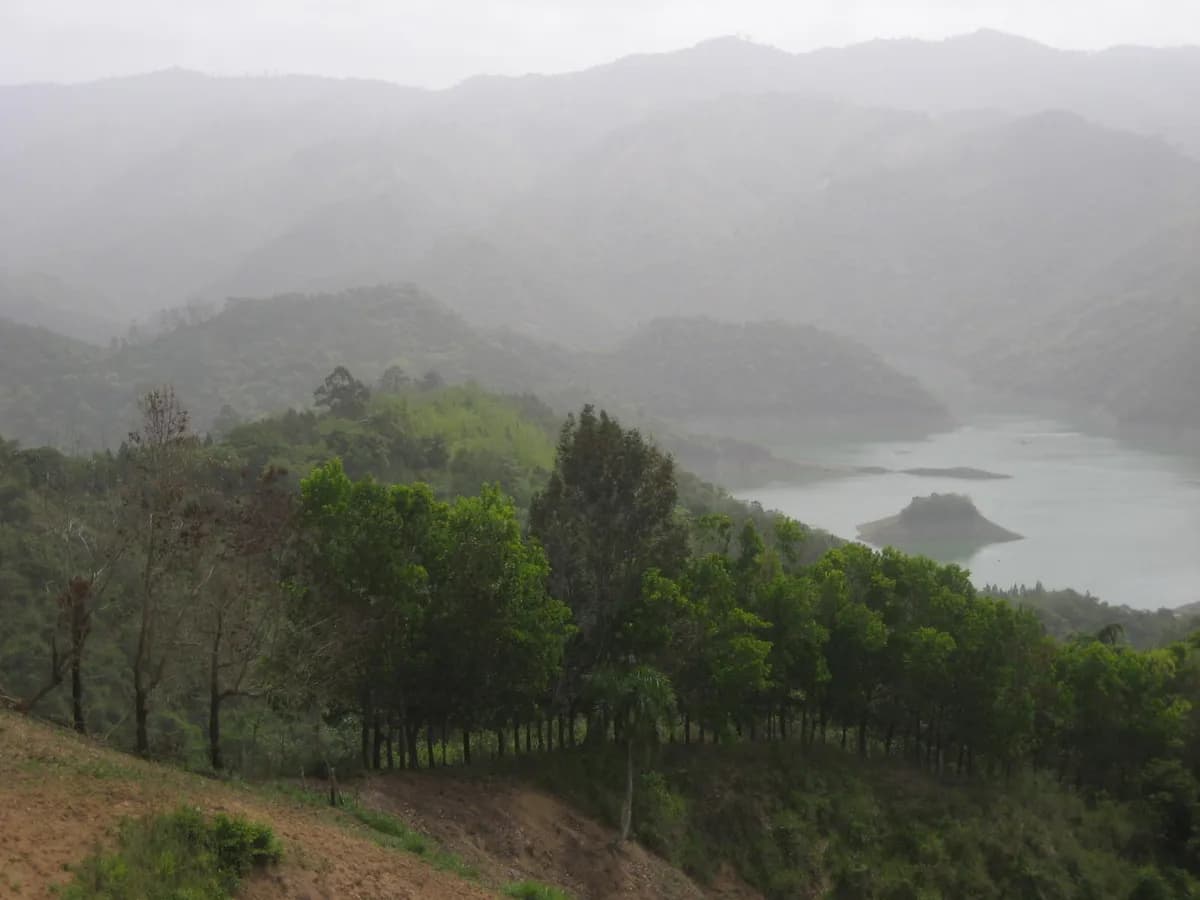
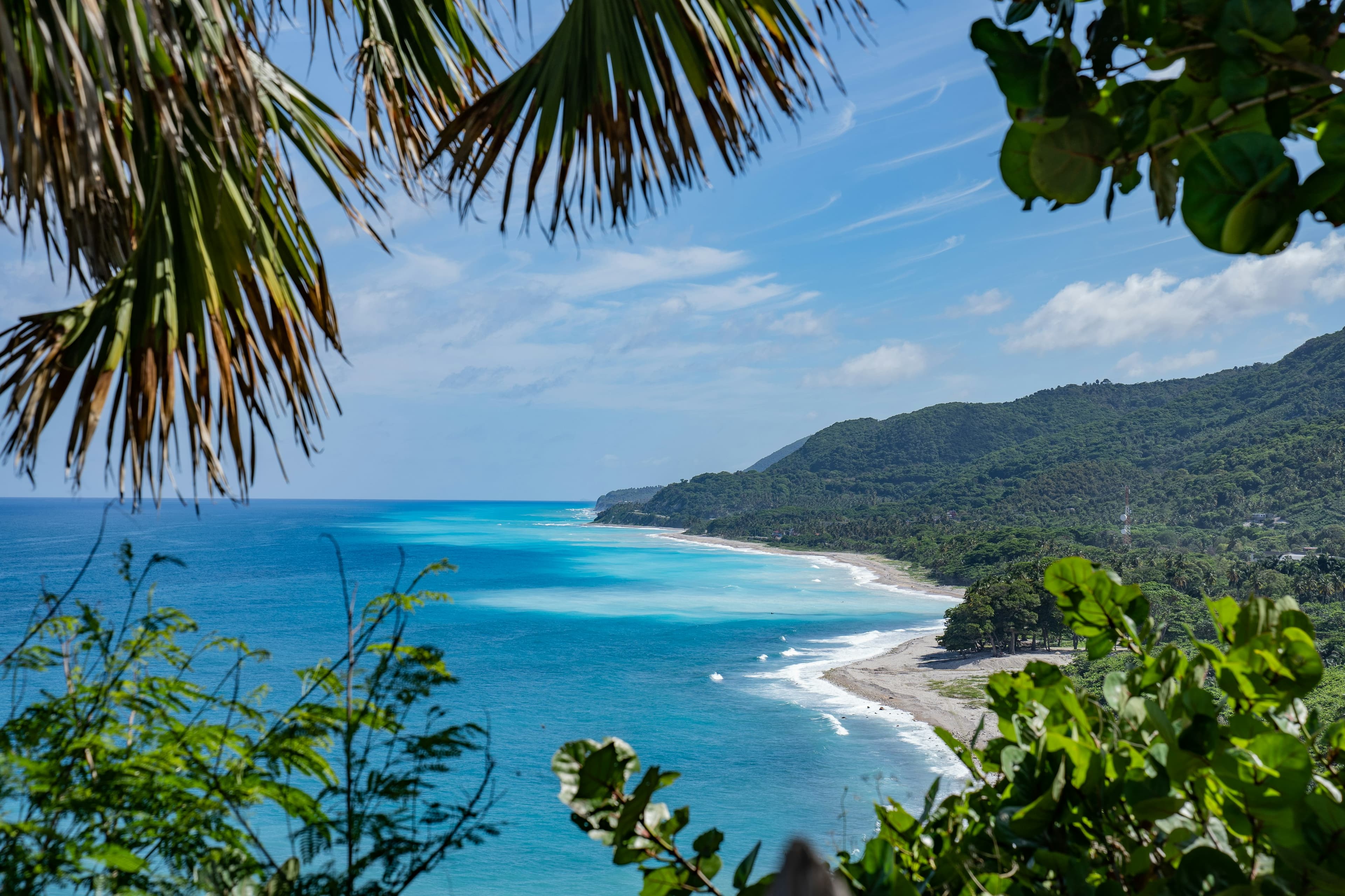
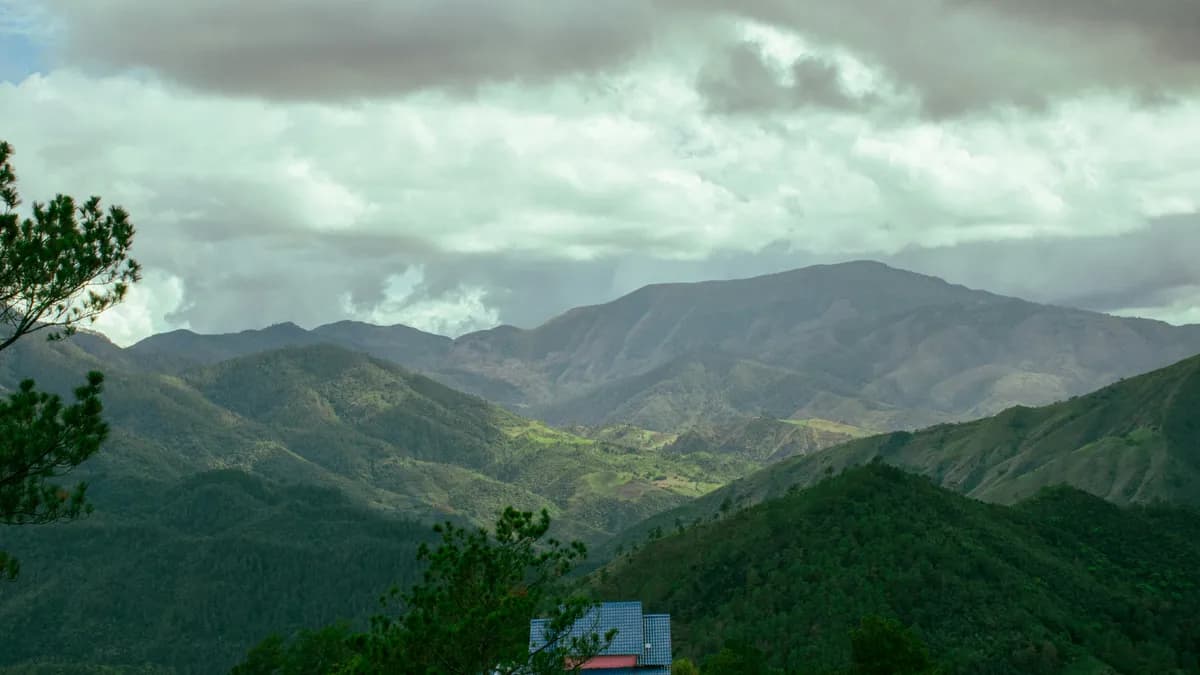
The province is the outlier of the south coast: a hot, semi-arid plain ringed by the Cordillera Central, with cactus and thorn scrub in place of the palm-and-hibiscus scenery most visitors expect. The town opens onto Ocoa Bay, and its coastline at Monte Río lies south of downtown on dark volcanic sand. As of 2026, the Tourism Ministry has an RD$265 million redevelopment underway there, adding a restaurant, lookout point, parking, and rebuilt drainage.
Most travelers pass through Azua on the way elsewhere, which is really its role: the hinge point where the highway forks toward Barahona, Lake Enriquillo, and the Sierra de Bahoruco. It rewards a deliberate stop rather than a base, best paired with a longer southwest loop on one of the region's itineraries. Those set on beaches with resort infrastructure should look to the far southwest or north coast; Azua's coast is for scenery and seafood. For restaurants, expect simple, seafood-forward cooking geared to day-trippers.
Azua de Compostela is one of the oldest European settlements in the Western Hemisphere — founded in 1504 by Diego Velázquez de Cuéllar, who would later go on to conquer Cuba. Walking through this sun-baked town in the Dominican Republic's deep south, you're standing on ground where the Spanish colonial project in the Americas truly took root. The original settlement at Pueblo Viejo, a few kilometers from the modern city, preserves ruins that predate almost every other colonial site in the hemisphere.
But Azua's most compelling draw is its landscape. This is a dry region of the Dominican Republic, a rain shadow zone where the terrain shifts dramatically from the lush tropics most visitors expect. Cactus forests stretch across arid hillsides, the earth turns rust-red and ochre, and the vegetation resembles the American Southwest more than the Caribbean. For travelers who think they know what the Dominican Republic looks like, Azua is a revelation — proof that this small island contains multitudes.
As a crossroads between Santo Domingo and the deep southwest, Azua serves as the gateway to the spectacular Barahona coast, the Lago Enriquillo region, and the remote Pedernales peninsula. Travelers heading to these extraordinary destinations pass through Azua, and those who stop to look around discover a resilient, hospitable town with a story stretching back more than five centuries.
Weather by month
Warm all year. Each bar's height is that month's average daily high, so the chart rises toward the warm summer; teal marks the drier months with the most reliable beach weather. Temperatures show in °F by default; switch to °C with the toggle.
Best time to visit: Jan, Feb, Mar, Apr, Jul, Nov, Dec. These months bring the most sun and the fewest rainy days; May, Jun, Aug, Sep, Oct are the wettest.
Sample itineraries
Practical information
Photo gallery
Facts on this page were last compared with their sources on . Details may have changed since. How we check
Azua questions
What is there to see in Azua?
+
Azua is one of the oldest colonial towns in the Americas, founded in 1504. Key sights include the ruins of Old Azua (Pueblo Viejo), the central park and cathedral, and the dramatic dry cactus landscapes to the west. The surrounding area has a distinctive arid beauty unlike most of the Dominican Republic. It is an off-the-beaten-path stop for history enthusiasts.
How do I get to Azua?
+
Azua is located about 150 km (2 hours) west of Santo Domingo on the main highway to Barahona and the southwest. Caribe Tours and other bus lines run regular services from Santo Domingo for around RD$300-400 (US$5-7). The highway is good quality. Azua is also a natural stop on the way to Barahona, San Juan, or the Haitian border.
Can I visit the ruins of Old Azua?
+
Yes, Pueblo Viejo de Azua is the site of the original 1504 settlement, about 10 km south of the modern town near the coast. The ruins are modest but historically significant as one of the first Spanish towns in the New World. There is no formal entrance or guide service, so you may need to ask locals for directions. The site is best visited with a knowledgeable guide arranged in town.
Is Azua worth stopping at on the way to Barahona?
+
If you have an interest in colonial history or want to see the unique cactus desert landscape, a 1-2 hour stop in Azua is worthwhile. The town itself is not a major tourist draw, but the dry scenery between Azua and Barahona is among the most unusual in the country. You can grab a quick lunch of chivo liniero (local goat stew) and continue on.
What is the climate like in Azua?
+
Azua is one of the hottest and driest places in the Dominican Republic, with temperatures often exceeding 35 C (95 F). The landscape is semi-arid with cacti, thorny shrubs, and sparse vegetation. Rain is scarce year-round, making it visitable any time. Bring plenty of water and sun protection. The dry landscape is a stark and beautiful contrast to the lush north coast.
Keep exploring
Nearby Destinations
Explore more places near Azua