Kitesurfing in Cabarete
Ride the trade winds at one of the world's top kite spots
Kitesurfing in Cabarete
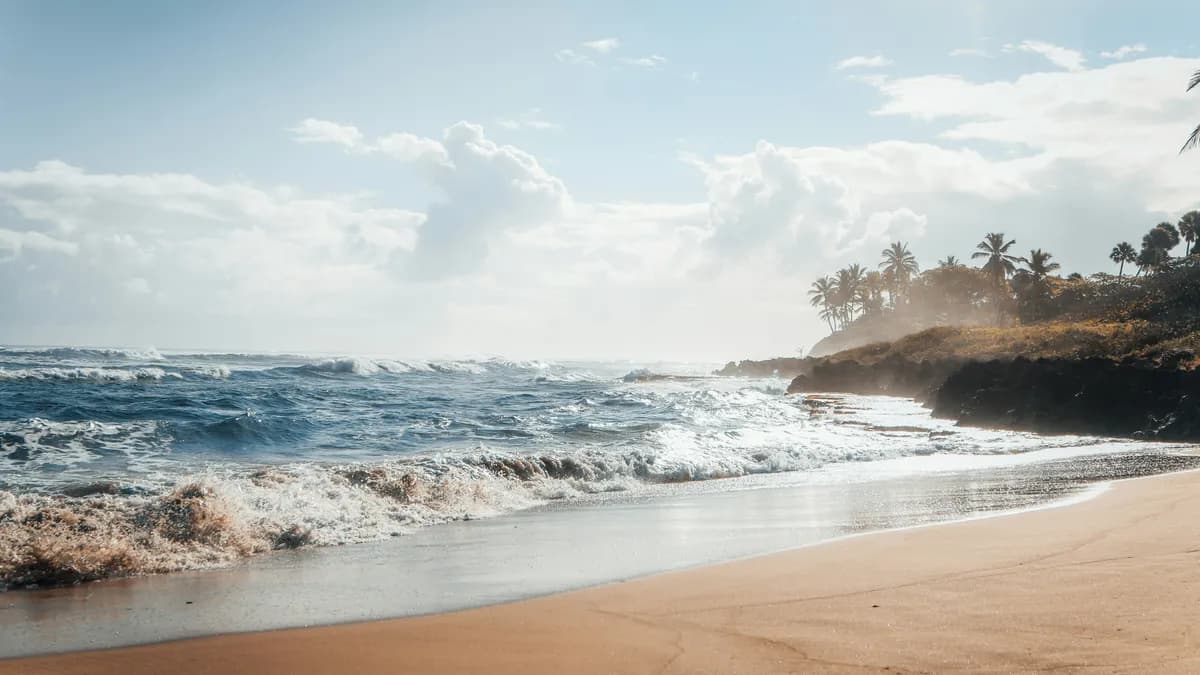
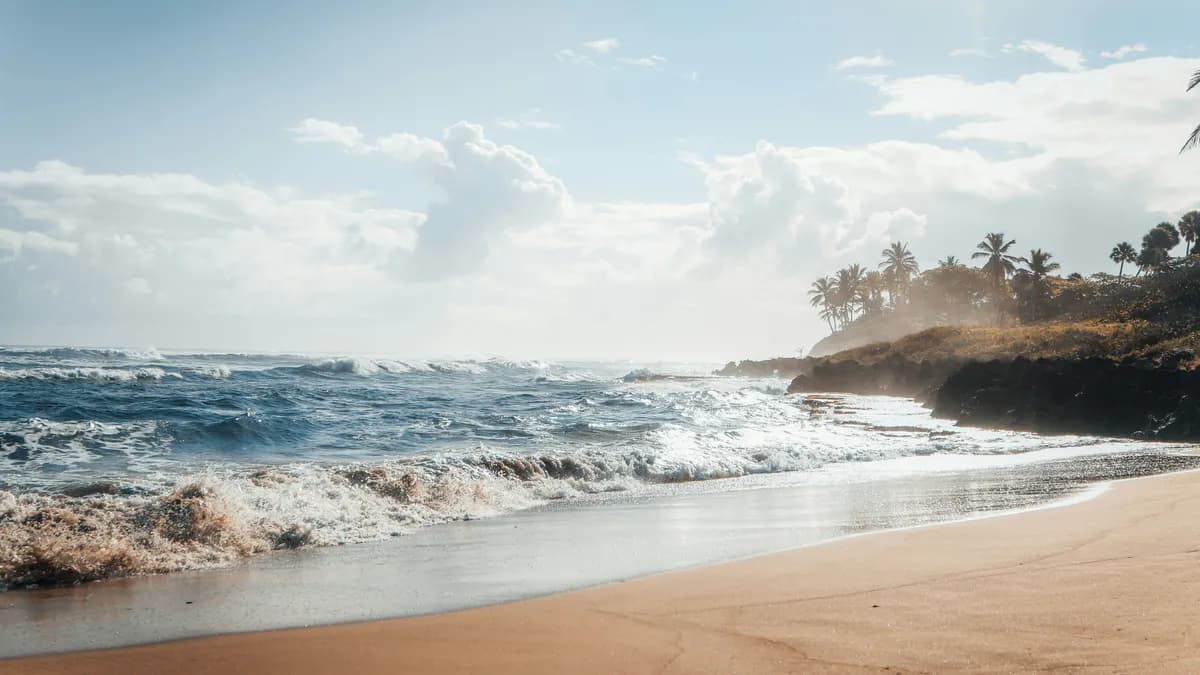
Ride the legendary trade winds at Kite Beach, one of the world's top kitesurfing destinations with consistent wind and warm turquoise water.
Cabarete, on the Dominican Republic's northern coast, is widely regarded as one of the top kitesurfing destinations in the world. Consistent trade winds blowing at 15-25 knots from the northeast, warm Atlantic water, and a long sandy beach create ideal conditions for riders of all levels from beginners to professionals.
Cabarete Beach hosted a GKA Kite World Tour event in 2018. The beach is lined with kite schools, board rental shops, and beachfront restaurants, creating a vibrant community of riders from around the globe. The season runs year-round, but the strongest and most consistent winds blow from May through September.
You don't need to bring your own gear to Cabarete — the beach is packed with rental shops and schools offering top-brand equipment. Most schools use current-model kites from brands like Duotone, Core, and Cabrinha.
- Kite sizes: Schools stock a range from 7m to 14m to match the daily wind conditions
- Boards: Twin-tips for most riders; directional boards and foils also available
- Harnesses: Waist and seat harnesses provided by schools; bring your own if you have a preference
- Wetsuits: Not needed — water temperatures hover around 26-28°C (79-82°F) year-round
- Rental costs: Full equipment rental runs approximately US$60-80 per day; multi-day rates are available
If you're a beginner, all reputable schools include equipment in their lesson packages, with prices varying by school; GoKite lists US$449 for 6 hours and US$649 for 9 hours.
What to know before you go
Plan this experience
The essentials for booking Kitesurfing in Cabarete and getting there.
Facts on this page were last compared with their sources on . Details may have changed since. How we check
Frequently asked questions
More to Explore in Cabarete
Discover beaches, attractions, activities, and more in the same area