Saona Island
A postcard Caribbean island, an easy boat ride from Bayahibe
Overview
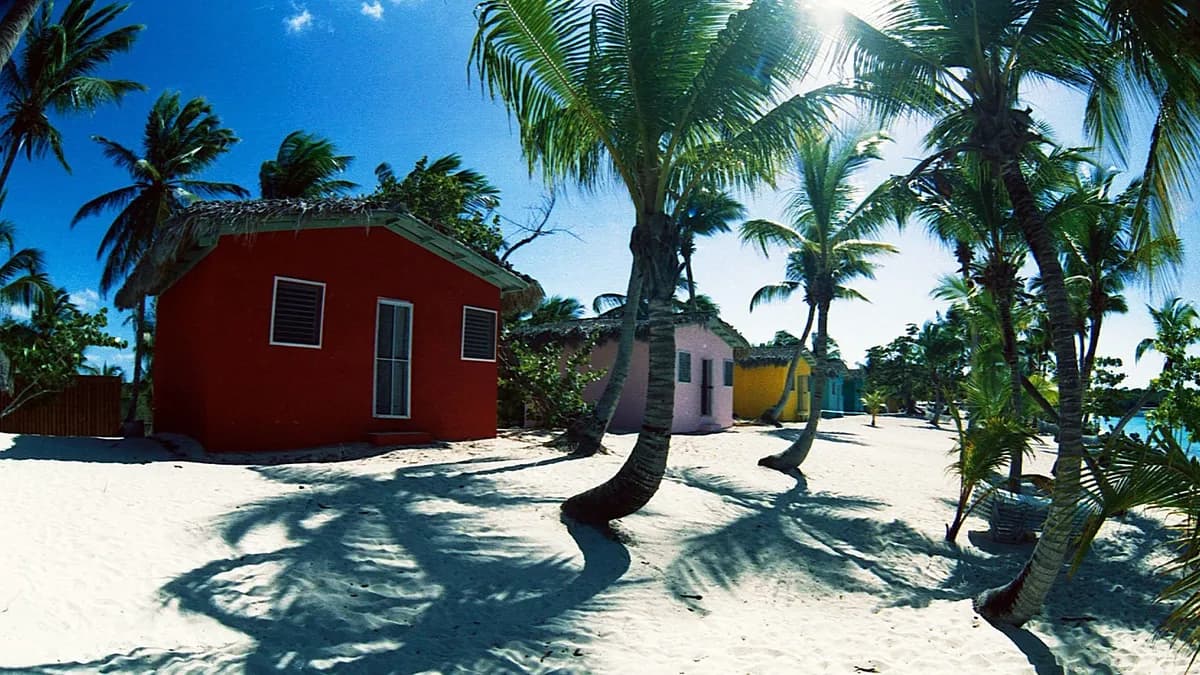
Saona Island (Isla Saona) is the crown jewel of the Dominican Republic's natural attractions and the country's most popular day trip. Part of the East National Park (Parque Nacional del Este), this 110-square-kilometer island is the postcard-perfect Caribbean paradise you've always imagined.
Think powdery white sand beaches stretching for kilometers, crystal-clear turquoise water so calm it looks like a swimming pool, gently swaying coconut palms, and a natural sandbar where you can stand in waist-deep water surrounded by starfish. Add a catamaran cruise with Dominican rum and bachata music, and you have an unforgettable day.
Facts on this page were last checked against their sources on . How we check
Frequently asked questions
How do you get to Saona Island?
+
Saona Island is reached by boat from Bayahibe or La Romana. Most tours include bus pickup from Punta Cana/Bavaro hotels, a boat ride, beach time, lunch, and a catamaran return.
Is Saona Island worth the trip?
+
Yes — it's consistently rated as one of the top experiences in the DR. The combination of the natural pool, pristine beaches, and catamaran party makes it a complete day of Caribbean bliss.
Can you stay overnight on Saona Island?
+
There are very limited accommodation options on Saona Island. Most visitors come on day trips. Nearby Catalina Island is also undeveloped and has no visitor lodging, so overnight stays are on the mainland around Bayahibe and La Romana.
Keep reading
Travel Guides
Helpful guides for planning your trip to La Romana
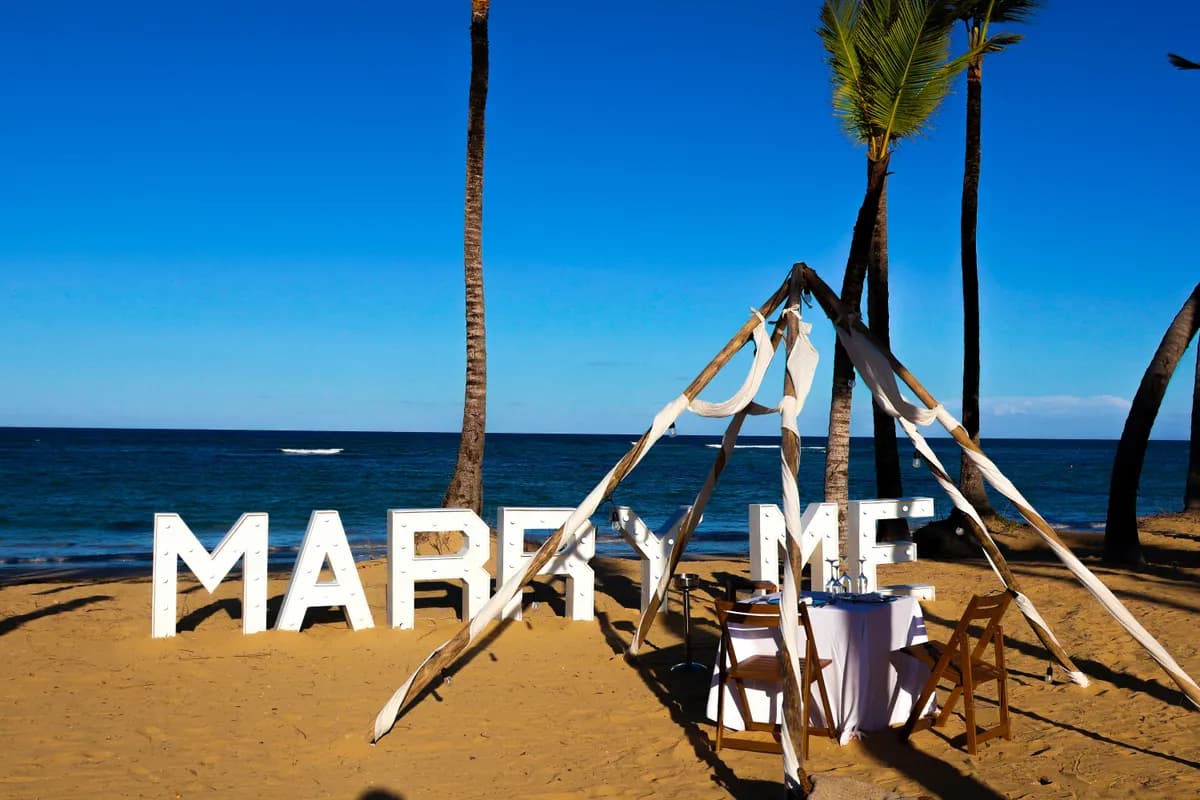 Luxury Romance
Dominican Republic Destination Wedding Guide
Dominican Republic destination wedding guide covering legal requirements, venue pricing, and a 12-month planning timeline from real vendors.
Best All-Inclusive Resorts in Dominican Republic 2026
Best all-inclusive resorts in the Dominican Republic for 2026, ranked across adults-only, family, luxury, and budget picks with real pricing.
Dominican Republic Honeymoon Guide 2026
Dominican Republic honeymoon guide for 2026 ranks romantic resorts by price, plus private beach dinners, catamaran cruises, and couples spa options.
More to Explore in La Romana
Discover beaches, attractions, activities, and more in the same area
Similar attractions
Make the most of Saona Island
Pair this stop with our travel guides to build the rest of your trip around it.