Parque Nacional Jaragua
The Dominican Republic's largest protected wilderness
Parque Nacional Jaragua
The largest protected area in the Dominican Republic, encompassing dry forests, coastal lagoons, pristine beaches, and important nesting grounds for sea turtles and flamingos.
Parque Nacional Jaragua is the largest protected area in the Dominican Republic, covering 1,374 square kilometers of land and sea at the southwestern tip of the Dominican Republic. Established in 1983, the park protects a remarkable mosaic of arid landscapes — subtropical dry forests, thorn scrub, coastal lagoons, limestone terraces, and some of the most pristine, undeveloped beaches in the entire Caribbean.
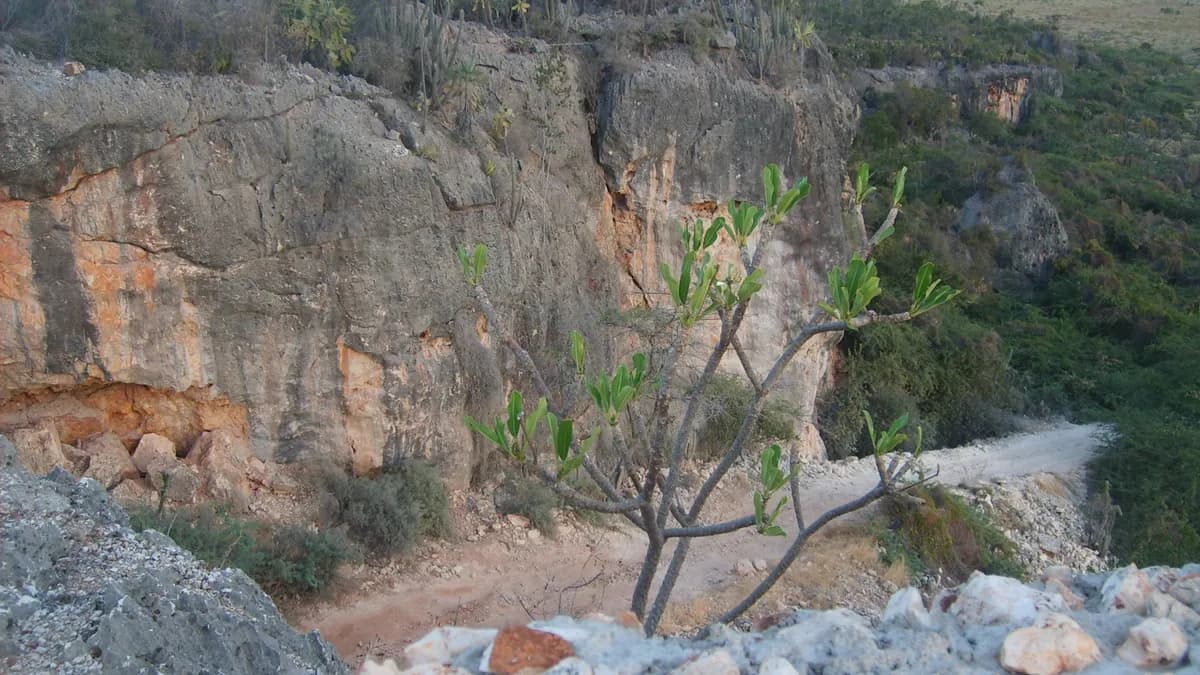
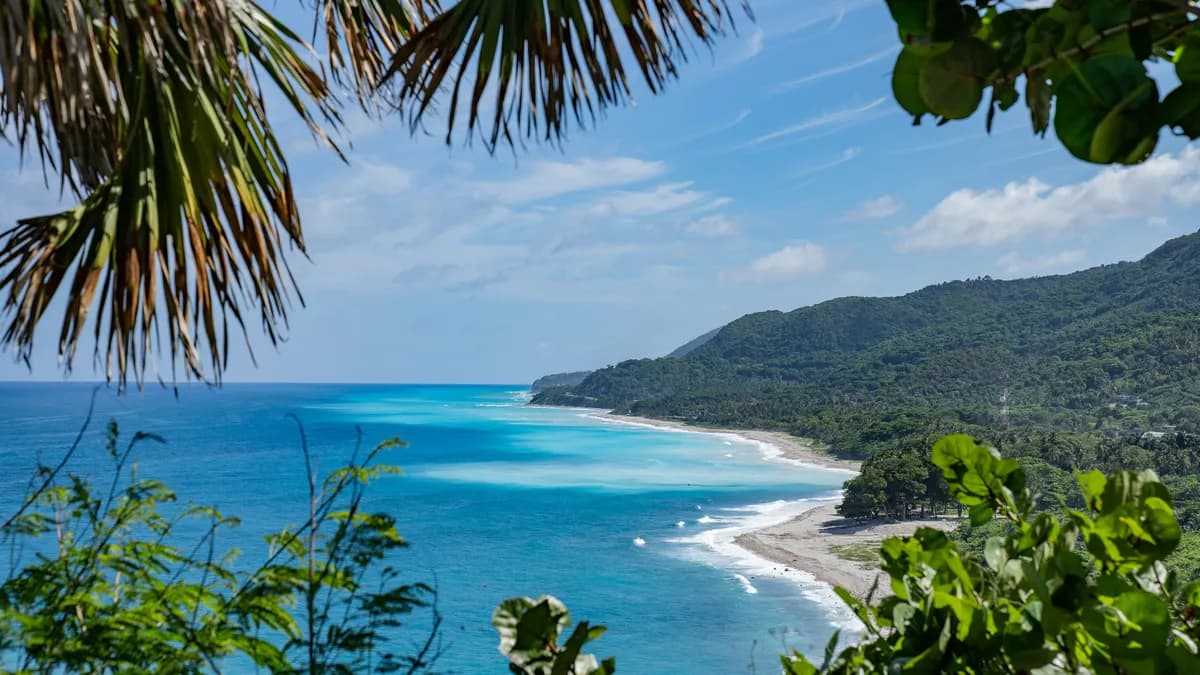
The park encompasses the southern end of the Barahona Peninsula and extends offshore to include the islands of Beata and Alto Velo, along with their surrounding coral reefs and marine habitats. The terrestrial landscape is strikingly different from the lush green image most people associate with the Dominican Republic — here, cacti stand sentinel over sun-baked limestone, thorn trees twist in the coastal wind, and the beaches glow white against turquoise water without a building in sight. This is wild, untouched Dominican Republic.
Jaragua is a critical habitat for several endangered species and a major conservation priority:
- Sea turtles: The park's remote beaches are vital nesting sites for hawksbill and leatherback sea turtles. Conservation programs monitor nesting activity and protect eggs from predation.
- Rhinoceros iguana: Large populations of this impressive endemic reptile (Cyclura cornuta) thrive in the park's dry forest and rocky coastal areas.
- Flamingos: American flamingos frequent Laguna de Oviedo inside the park, with flocks of up to several hundred birds.
- Birds: Over 130 species recorded, including the white-crowned pigeon, Hispaniolan lizard-cuckoo, burrowing owl, and numerous migratory shorebirds.
- Marine life: The offshore waters protect extensive coral reefs, seagrass beds, and populations of manatees, dolphins, and sea turtles.
The park faces threats from illegal fishing, charcoal production, and development pressure, but remains one of the most intact natural areas in the Caribbean thanks to its remote location and active management.
Park information
Facts on this page were last compared with their sources on . Details may have changed since. How we check
Photo gallery
Park questions
Keep reading
Travel Guides
Helpful guides for planning your trip to Barahona
Best Photography Spots in the Dominican Republic
The 15 best photography spots in the Dominican Republic, with golden hour timing, IDAC drone rules, and gear tips for each location.
Eco-Tourism & Sustainable Travel in the Dominican Republic
Dominican Republic eco-tourism guide to protected areas covering roughly a quarter of the land, marine conservation projects, and community-based tourism.
 Regional Guides
Barahona & the Southwest: DR Off the Beaten Path
Barahona travel guide to the southwest Dominican Republic: Bahia de las Aguilas beach, Larimar mines, Lago Enriquillo, and coffee country road trips.
More to Explore in Barahona
Discover beaches, attractions, activities, and more in the same area
Nearby national parks
This park is in Barahona
Base yourself nearby and pair the trails with the beaches, food, and attractions around Barahona.
Explore Barahona