Eco-Tourism & Sustainable Travel in the Dominican Republic
Dominican Republic eco-tourism guide to protected areas covering roughly a quarter of the land, marine conservation projects, and community-based tourism.
The Dominican Republic holds an extraordinary paradox: it contains some of the most biodiverse ecosystems in the Caribbean, from cloud forests at 2,400 meters to the deepest saltwater lake in the Caribbean, while simultaneously facing severe environmental pressures from mass tourism, deforestation, and plastic pollution. Over 7 million tourists visit annually, and the all-inclusive resort model generates enormous waste.
But there is a growing movement in the opposite direction. Community-based tourism projects in the southwest, marine conservation organizations rebuilding coral reefs, organic coffee cooperatives in the mountains, and a protected-area system covering roughly a quarter of the country's land area, these are not fringe efforts. They represent a genuine shift in how the DR approaches tourism, and travelers who seek them out get a fundamentally different experience than the resort bubble provides.
State of Eco-Tourism in the DR
The Dominican Republic has 29 national parks and 50+ protected areas managed by the Ministerio de Medio Ambiente (Ministry of Environment). Together they cover roughly 25% of the national territory, one of the highest percentages in the Caribbean. The system was formalized under Ley 202-04 (Sectoral Law on Protected Areas), which created strict protection categories.
What's Working
- Fundación Grupo Puntacana: The most visible private conservation effort. Their ecological reserve in Punta Cana protects 1,500 acres of subtropical forest and mangroves, runs a coral nursery growing staghorn and elkhorn coral for reef restoration, maintains a sea turtle conservation program, and operates an indigenous eyes ecological park with freshwater lagoons. They prove that resort tourism and conservation can coexist, though they are the exception, not the rule.
- Humpback whale protections: The Silver Bank Marine Sanctuary (established 1986) strictly limits the number of boats and divers that can access the whale breeding grounds. Only a handful of liveaboard operators hold permits, and regulations are enforced. The humpback whale population in the area has increased steadily.
- Community tourism growth: The Red Dominicana de Turismo Rural (Dominican Rural Tourism Network) connects travelers with community-run lodges, farms, and nature guides in areas that mass tourism bypasses entirely.
What's Not Working
- Plastic pollution: Single-use plastic is ubiquitous. Colmados sell water, juice, and soda in plastic bags. Beach cleanups find thousands of bottles and bags. Recycling infrastructure is minimal outside of Santo Domingo.
- Coral reef damage: Irresponsible snorkeling and diving (standing on coral, touching marine life, using non-reef-safe sunscreen) has degraded reefs near heavy tourist areas like Bayahíbe and Punta Cana.
- Deforestation: Although the national park system is extensive on paper, enforcement in buffer zones is inconsistent. Illegal logging and agricultural encroachment continue in some protected areas.
National Parks Worth Visiting
Los Haitises National Park
The crown jewel of the Dominican park system. Located on the south shore of Samaná Bay, Los Haitises features limestone karst formations (mogotes) rising from mangrove channels, Taíno cave paintings dating back centuries, and one of the most significant seabird nesting sites in the Caribbean. Access is by boat from Samaná or Sabana de la Mar.
Entrance fee: RD$100 (US$1.70). Boat tour: RD$2,500-4,000 (US$42-67) depending on group size and operator. Choose an operator that limits group sizes and follows park rules about noise and distance from bird nesting sites.
Jaragua National Park
A major protected area in the DR, covering 1,374 km2 of dry forest, coastal desert, and marine habitat in the far southwest near Pedernales. Home to Bahía de las Águilas (the most pristine beach in the DR), Lago Oviedo (a saltwater lake with flamingos and rhinoceros iguanas), and important sea turtle nesting beaches. This is remote, wild, and relatively unvisited, exactly what eco-tourism should feel like.
Reserva Científica Ébano Verde
A scientific reserve in the Cordillera Central protecting one of the last remaining stands of ébano verde (green ebony), a tree endemic to the island. The reserve sits at 800-1,565 meters elevation and features cloud forest, fern valleys, and mountain streams. Bird watching here is exceptional, Hispaniolan Trogon, La Selle Thrush, and Hispaniolan Emerald hummingbird. Access from Jarabacoa or Constanza.
Sierra de Bahoruco National Park
In the far southwest, this park contains the most biodiverse forest in the Caribbean. Over 180 bird species including 32 Hispaniola endemics. The transition from dry forest at lower elevations to pine and cloud forest above 1,800 meters creates extraordinary ecological variety within a single park. Reach the Rabo de Gato trail through Duvergé and Puerto Escondido.
Marine Conservation Projects
Fundación Grupo Puntacana Coral Nursery
The most accessible marine conservation project for tourists. Their coral nursery in the Punta Cana reef system grows fragments of staghorn (Acropora cervicornis) and elkhorn (Acropora palmata) coral on underwater "trees," then transplants mature fragments onto degraded reef areas. Visitors can tour the Marine Innovation Center (US$15 for non-resident visitors) to learn about coral restoration. Some programs allow visitors to participate in coral fragment planting, genuinely meaningful conservation tourism.
FUNDEMAR (Fundación Dominicana de Estudios Marinos)
Based in Bayahíbe, FUNDEMAR conducts marine research, reef monitoring, and manatee conservation in the Parque Nacional del Este. They offer educational snorkeling tours that combine reef exploration with explanation of conservation challenges. Their manatee research program tracks the small population of Antillean manatees in Dominican waters, one of the most endangered marine mammals in the Caribbean.
Whale Watching as Conservation
The Dominican Republic's strict whale watching regulations in Samaná Bay, maximum approach distance, time limits with each whale group, engine protocols, serve as a model for other Caribbean nations. When you book a whale watching tour from Samaná, a portion of your fee goes to the Santuario de Mamíferos Marinos (Marine Mammal Sanctuary) fund. Choose operators like Whale Samaná (Kim Beddall) that follow ethical whale watching guidelines rather than the cheapest boat that chases whales aggressively.
Community-Based Tourism
Community-based tourism (turismo comunitario) puts money directly into rural communities rather than international hotel chains. The DR has several established community tourism initiatives:
Tubagua Ecovillage (Puerto Plata)
A hillside eco-village in Tubagua on the Puerto Plata–Santiago panoramic road, run by a Dominican-Canadian family. Solar-powered cabins, organic garden, and community development projects. Stays include meals prepared from the on-site garden and interaction with the surrounding farming community. Rates: US$95-150/night for double occupancy, including taxes and surcharges; meals are optional extras. The views from 550 meters above sea level across the north coast are extraordinary.
Paraíso Caño Hondo (Los Haitises)
An eco-lodge built literally into the landscape at the edge of Los Haitises National Park. Natural swimming pools fed by freshwater springs, minimal environmental footprint, and locally hired staff from surrounding communities. Day visitors can access the pools and waterfalls (RD$500/US$8.50), or stay overnight (US$80-140/night). This is one of the most unique accommodations in the Caribbean, swimming in a natural freshwater pool while looking out at Los Haitises mangroves.
Cachote Cloud Forest Community (Barahona)
At 1,200 meters in the Sierra de Bahoruco above Barahona, the small community of Cachote operates homestays and guided hikes through cloud forest. Coffee production, bird watching, and genuine immersion in rural mountain life. Accommodations are basic (shared facilities) but the experience is unmatched for authenticity. Contact through the Red de Turismo Rural Comunitario or local guides in Paraíso.
Eco-Lodges & Sustainable Accommodations
- Tubagua Ecovillage (Puerto Plata): Solar power, organic garden, community focus. US$95-150/night for double occupancy, including taxes and surcharges; meals are optional extras.
- Paraíso Caño Hondo (Los Haitises): Natural pools, rainforest setting, minimal footprint. US$80-140/night.
- Rancho Baiguate (Jarabacoa): Adventure eco-lodge in the Jarabacoa valley offering rafting, canyoning, horseback riding, and hiking with an emphasis on environmental education. Lodging only for groups booking at least 10 double-occupancy rooms or 20 guests; request a quote.
- Casa Bonita Tropical Lodge (Barahona): Cliffside lodge above the Caribbean with sustainability initiatives including water conservation, local sourcing, and community employment. US$120-250/night. One of the most beautiful hotel settings in the DR.
- Sublime Samaná (Las Terrenas): A boutique hotel with genuine sustainability credentials, solar heating, rainwater collection, organic toiletries, and a farm-to-table restaurant sourcing from local growers. US$150-300/night.
Organic Farms & Coffee Tours
Coffee in Jarabacoa & the Cordillera Central
The Dominican Republic produces excellent arabica coffee, and the mountain regions around Jarabacoa, Constanza, and the Cordillera Central are the heartland. Several farms offer tours:
- Café Monte Alto (Jarabacoa): Coffee factory offering tours minutes from downtown Jarabacoa. Tour includes the full seed-to-cup process: picking, washing, drying, roasting, and tasting. RD$800-1,200 (US$13-20) per person. The coffee is shade-grown under native tree canopy, a practice that preserves bird habitat.
- Finca Don José (near Constanza): Small-scale organic farm growing coffee alongside vegetables, herbs, and tropical fruits. Half-day visits with lunch included. Arrange through Jarabacoa tour operators.
Cacao & Chocolate
The DR is the world's largest producer of organic cacao. Cacao tours are available near Samaná and in the northeast:
- Sendero del Cacao (Hacienda La Esmeralda, near San Francisco de Macorís): A 2-hour tour through working cacao plantations covering the full chocolate-making process from pod to bar. RD$1,500 (US$25) per person including tastings. The fermenting and drying facilities show the artisanal process that earns Dominican cacao its fine-flavor classification.
- Chocal Cooperative (Altamira, Puerto Plata): A women-led cacao cooperative producing organic chocolate. Tour their facilities and buy directly, supporting women's economic empowerment in rural communities. Products at RD$200-500 per bar.
Coral Reef Protection: Responsible Diving & Snorkeling
Caribbean coral reefs have declined by 50-80% since the 1970s. Every snorkeler and diver impacts the reef, for better or worse. Here is how to be part of the solution:
- Use reef-safe sunscreen only. Sunscreens containing oxybenzone and octinoxate cause coral bleaching. Look for zinc oxide or titanium dioxide-based products labeled "reef safe." Apply at least 20 minutes before entering the water so it absorbs into your skin. Better yet: wear a UV rash guard and minimize sunscreen on exposed areas.
- Never touch coral. Even gentle contact can kill coral polyps that took decades to grow. Maintain neutral buoyancy (divers) or float face-down without standing (snorkelers). Do not stand on the reef, even in shallow water.
- Do not feed fish. It disrupts natural feeding patterns and attracts aggressive species. Some tour operators offer "fish feeding" as an attraction, decline and tell them why.
- Choose responsible operators. Good operators brief you on reef etiquette, limit group sizes to 8-12 people, provide life vests so non-swimmers don't panic and grab coral, and avoid anchoring on the reef (they use mooring buoys).
- Skip the souvenir coral and shells. Purchasing coral, conch shells, or dried starfish from vendors drives continued harvesting from living reefs. It is also illegal to export most marine specimens from the DR.
Plastic Reduction Tips
The Dominican Republic has a serious plastic problem, particularly visible on beaches and in waterways. Here is how to minimize your contribution:
- Bring a reusable water bottle with a filter. Refill it from your hotel's purified water dispenser, or use a purifier bottle rated to remove viruses (many basic filter bottles, such as the LifeStraw Go, do not). This eliminates 3-5 plastic bottles per person per day. Fill up at your hotel before heading out.
- Carry a reusable bag. Colmados and shops default to plastic bags for everything. Having your own bag is a small but visible act that sometimes sparks conversation with locals.
- Say no to straws. "Sin sorbete, por favor" (Without a straw, please). Most Dominican drinks don't need straws anyway, the Presidente comes in a bottle, the coconut water comes in the coconut.
- Participate in a beach cleanup. Organizations like Parley for the Oceans and local NGOs run regular beach cleanups. Even 30 minutes of picking up trash at a public beach makes a measurable difference and sets an example.
Sustainable Tour Operators
- Iguana Mama (Cabarete): The original adventure tour operator in the DR, running since 1993. Mountain biking, canyoning, hiking, and cultural tours with a strong environmental and community ethic. They train local guides, minimize group sizes, and contribute to trail maintenance.
- Whale Samaná (Kim Beddall): The most ethical whale watching operator in Samaná Bay. A 55-foot vessel with two decks, strict distance protocols, educational narration. Operating since 1983.
- Ecotour Barahona: Community-based tours in the southwest covering Bahía de las Águilas, Lago Oviedo, Cachote cloud forest, and the Larimar mines. Locally owned and operated, employing guides from the communities you visit.
- Rancho Baiguate (Jarabacoa): Rafting, canyoning, and nature tours in the central mountains with environmental education components and local employment focus.
Volunteering Opportunities
Short-term volunteering (1-4 weeks) can be meaningful if you choose the right organization. Be wary of "voluntourism" operations that charge high fees and deliver minimal community benefit. Legitimate opportunities:
- FUNDEMAR marine research assistants (Bayahíbe): Internships are unavailable until June 2027; contact the organization for future requirements and opportunities.
- Sea turtle monitoring (Jaragua National Park): During nesting season (April-November), volunteers assist with nest identification, egg counting, and hatchling protection. Coordinate through Grupo Jaragua, the local conservation NGO.
- Fundación Grupo Puntacana: Coral nursery maintenance, environmental education in local schools, and beach cleanup coordination. Contact through their website for volunteer availability.
Avoid any volunteer program that involves caring for children in orphanages or institutions, this model has been widely criticized by child welfare organizations and can cause harm even when well-intentioned.
Practical packing for eco-travel: Bring a reusable water bottle with a built-in filter (for tap water, choose a purifier rated for viruses, not just a basic filter), reef-safe mineral sunscreen (zinc oxide or titanium dioxide-based, not chemical filters containing oxybenzone), a lightweight dry bag for boat excursions to keep electronics and documents safe, and biodegradable soap and shampoo for eco-lodges that use septic systems or grey-water irrigation. Skip single-use toiletry bottles entirely, most eco-accommodations provide locally made soap and shampoo. A headlamp is essential for early morning birdwatching excursions and nighttime turtle monitoring. Pack light, moisture-wicking clothing that dries quickly in the humid climate, and waterproof hiking sandals (Keen or Chaco style) that handle both trail and water equally well.
Carbon offsetting your flight: A round-trip flight from New York to Punta Cana generates approximately 0.5-0.8 metric tons of CO2 per passenger. Several credible offset programs operate directly in the Dominican Republic and Caribbean, the Jarabacoa reforestation programs managed by local cooperatives are among the most transparent. Budget RD$1,500-3,000 (US$25-50) per person for offsetting your flight emissions through verified programs. While carbon offsetting alone cannot solve aviation emissions, combining it with sustainable travel practices on the ground creates a meaningfully lower-impact trip.
Frequently Asked Questions
Can I visit national parks independently or do I need a guide?
It depends on the park. Los Haitises also has land access through Los Limones, where a local guide is necessary. Jaragua National Park can be visited independently for beach access at Bahía de las Águilas (arrange a boat from La Cueva), but Lago Oviedo requires a park-authorized guide. Valle Nuevo has trails you can walk independently, and Reserva Científica Ébano Verde requires prior authorization from the reserve before you enter its trails; in both, a guide is strongly recommended for safety and navigation, trail markers are minimal. For Sierra de Bahoruco birding, a local guide is essential (the best birding spots are on unmarked trails). Park entrance fees are low and vary by park (for example RD$150 at Valle Nuevo; check current rates), but guide fees range from RD$1,000-3,000 (US$17-50) depending on duration and complexity.
Is eco-tourism more expensive than regular tourism in the DR?
Not necessarily. Eco-lodges in Jarabacoa and Barahona run US$60-150/night, comparable to or cheaper than mid-range resort rooms. Community homestays in Cachote or rural areas cost US$20-40/night including meals. National park entrance fees are low, typically a few hundred pesos at most. What costs more is the transportation, eco-destinations in the southwest (Barahona, Pedernales) and central mountains require either a rental car or private transport, adding US$40-80/day. The flip side: you spend less on resort markups for food, drinks, and activities. A 10-day eco-itinerary through Jarabacoa, Samaná, and Barahona can cost less than a week at a Punta Cana all-inclusive.
What is the biggest environmental issue facing Dominican Republic tourism?
Plastic pollution and coral reef degradation. The all-inclusive resort model generates enormous plastic waste, single-use cups, straws, food packaging, and water bottles for millions of guests annually. Municipal waste management infrastructure outside Santo Domingo is inadequate, and plastic routinely ends up in rivers and eventually the ocean. The most impactful thing an individual tourist can do is use a reusable water bottle (eliminating 3-5 plastic bottles daily), choose reef-safe sunscreen, and support operators and accommodations that demonstrate genuine environmental practices rather than greenwashed marketing.
Facts on this page were last compared with their sources on . Details may have changed since. How we check
Table of Contents
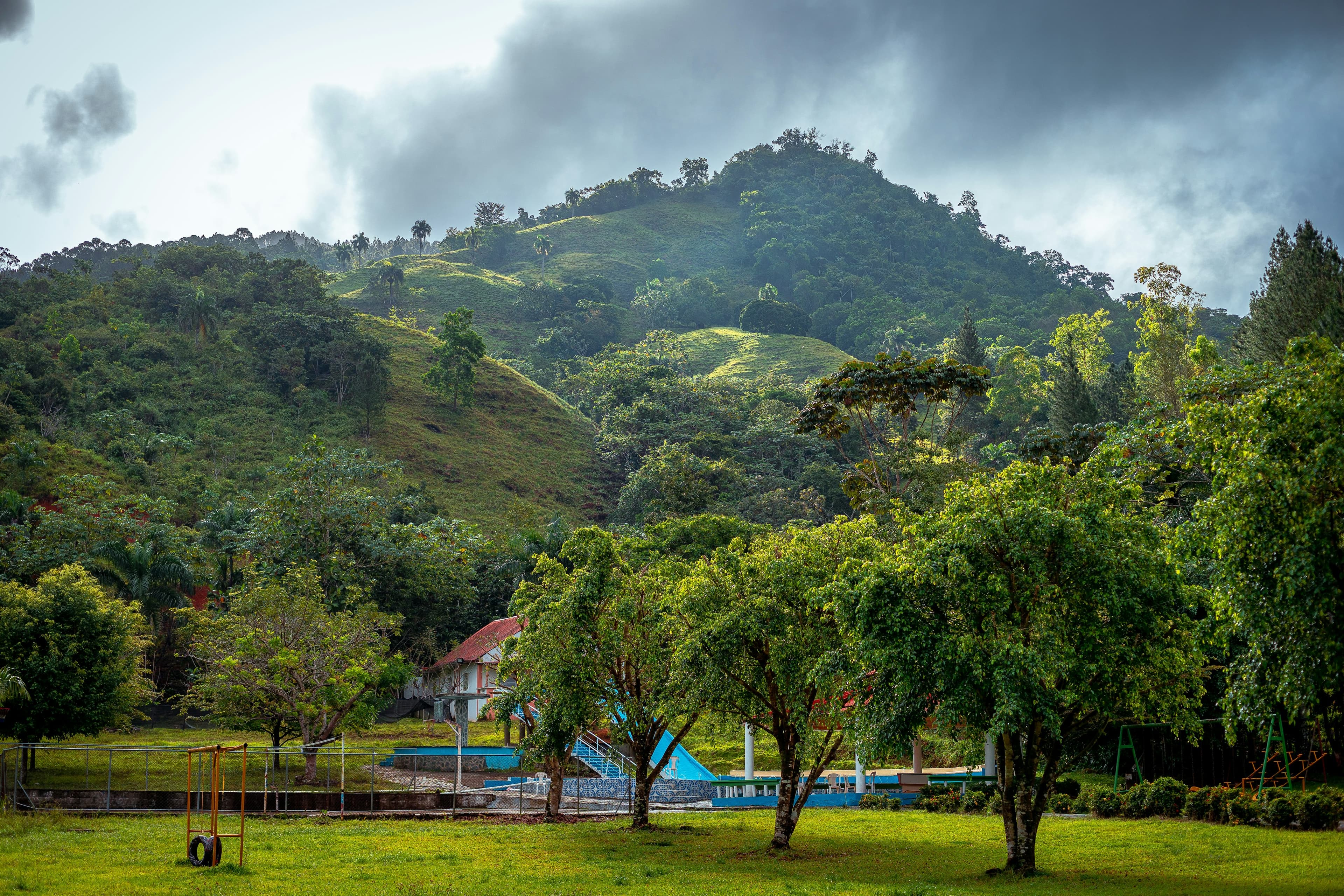
Jarabacoa
This guide covers Jarabacoa. Explore more about this destination.
View DestinationAbout the Author
Alex Borshch
Founder and editor of the Isla365 network. Spent six months living in the Dominican Republic over the 2013-14 winter, and has since wintered in Thailand, Vietnam and Turkey. Writes and edits the guides across the network.