Zona Colonial
The oldest European city in the Americas, a UNESCO-listed colonial gem
Overview
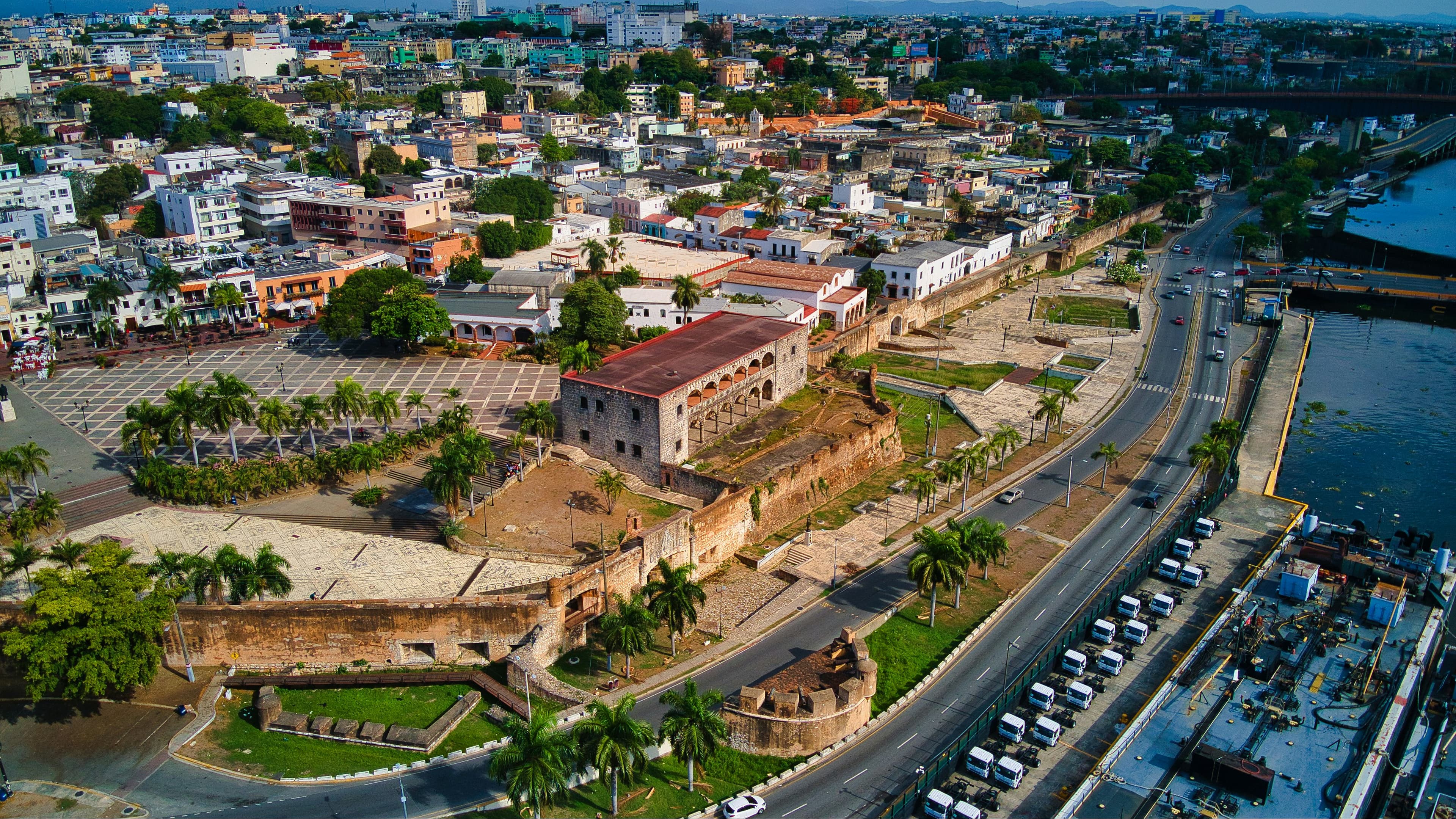
The Zona Colonial (Colonial Zone) in Santo Domingo is the historic heart of the Dominican Republic and the oldest permanent European settlement in the Americas. Founded by Bartholomew Columbus in 1498, this UNESCO World Heritage Site of 116 blocks and 32 streets is a living museum of New World history.
Walking through its cobblestone streets feels like stepping back five centuries. The area contains the first cathedral, first hospital, first university, and first customs house built by Europeans in the Western Hemisphere. Yet it's far from a frozen-in-time museum — the Zona Colonial buzzes with cafes, art galleries, restaurants, and a vibrant nightlife scene.
Must-See Highlights
The Colonial Zone packs an extraordinary density of historical sites into a walkable area:
- Catedral Primada de América: The first cathedral of the Americas, completed in 1540, blending Gothic and Renaissance styles
- Alcázar de Colón: The palace of Diego Columbus (Christopher's son), now a museum with period furnishings
- Fortaleza Ozama: The oldest military construction in the Americas, offering panoramic views
- Calle Las Damas: The first paved street in the New World, lined with beautiful colonial buildings
- Parque Colón: The central plaza, perfect for people-watching under ancient trees
- Panteón Nacional: A former Jesuit church converted into a national mausoleum
- Museo de las Casas Reales: Royal Houses Museum showcasing colonial-era governance
Cultural Significance
The Zona Colonial is not just a historical district — it's the birthplace of European civilization in the Americas. Designated a UNESCO World Heritage Site in 1990, it contains the foundations of everything that European colonization would bring to the New World, for better and worse.
Today, the area represents a unique blend of Dominican, Caribbean, and international cultures. Local artists display their work in restored colonial buildings, musicians play merengue and bachata in the plazas, and a new generation of chefs reimagine Dominican cuisine in century-old kitchens.
Tips & Advice
Getting around:
- The Colonial Zone is best explored on foot — it's compact and walkable
- The Chu Chu Colonial tourist train offers a narrated loop if you prefer riding
- Taxis can drop you at Parque Colón as a central starting point
Safety:
- The area is well-policed and generally safe during daytime
- Stick to main streets at night, especially north of Calle El Conde
- Keep valuables secure and be aware of your surroundings as in any city
Budget tips:
- Many historical exteriors and plazas are free to enjoy
- Student and senior discounts available at most museums
- Eat at local comedores (small restaurants) for authentic, affordable meals
Facts on this page were last compared with their sources on . Details may have changed since. How we check
Frequently asked questions
Is the Zona Colonial safe for tourists?
+
Yes, the Zona Colonial is one of the safest areas in Santo Domingo. It has a dedicated tourist police force (POLITUR) and is well-lit at night. Standard city precautions apply.
How much time do you need for the Zona Colonial?
+
A minimum of 4-6 hours covers the main highlights. A full day allows you to explore museums, enjoy lunch, and soak in the atmosphere. Serious history buffs could easily spend two days.
Is the Zona Colonial free to visit?
+
Walking around the Colonial Zone is free. Individual museums charge modest fees (RD$100-200, about $2-4 USD). Many churches and plazas are free to enter.
What is the best time to visit the Zona Colonial?
+
Morning (before 10 AM) for comfortable walking and fewer crowds. Late afternoon for golden light photography. Evenings (especially Friday-Saturday) for dining and nightlife.
Keep reading
Travel Guides
Helpful guides for planning your trip to Santo Domingo
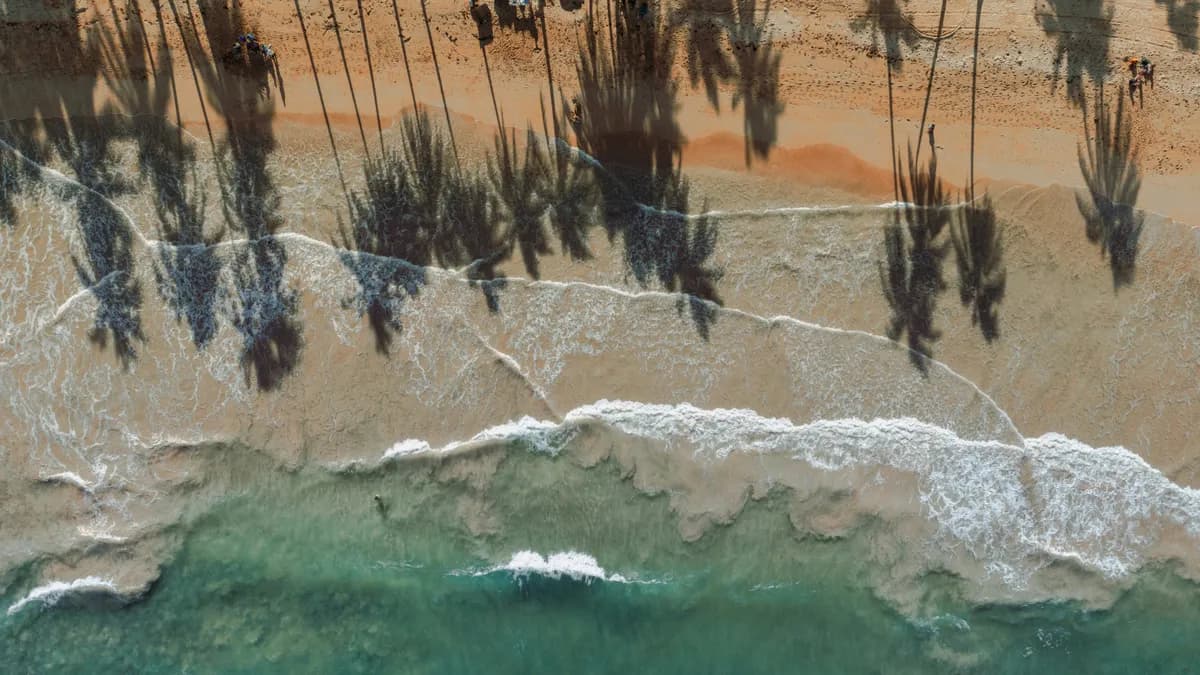 First Time Visitors
First-Time Visitor's Guide to the Dominican Republic
Everything you need to know before your first trip to the Dominican Republic, from visas and currency to cultural tips and must-see destinations.
7-Day Dominican Republic Itinerary: Santo Domingo to Samaná
A tested day-by-day itinerary covering Santo Domingo, Samaná, and Punta Cana in one week. Transport logistics, hotel picks, daily budgets, and insider tips.
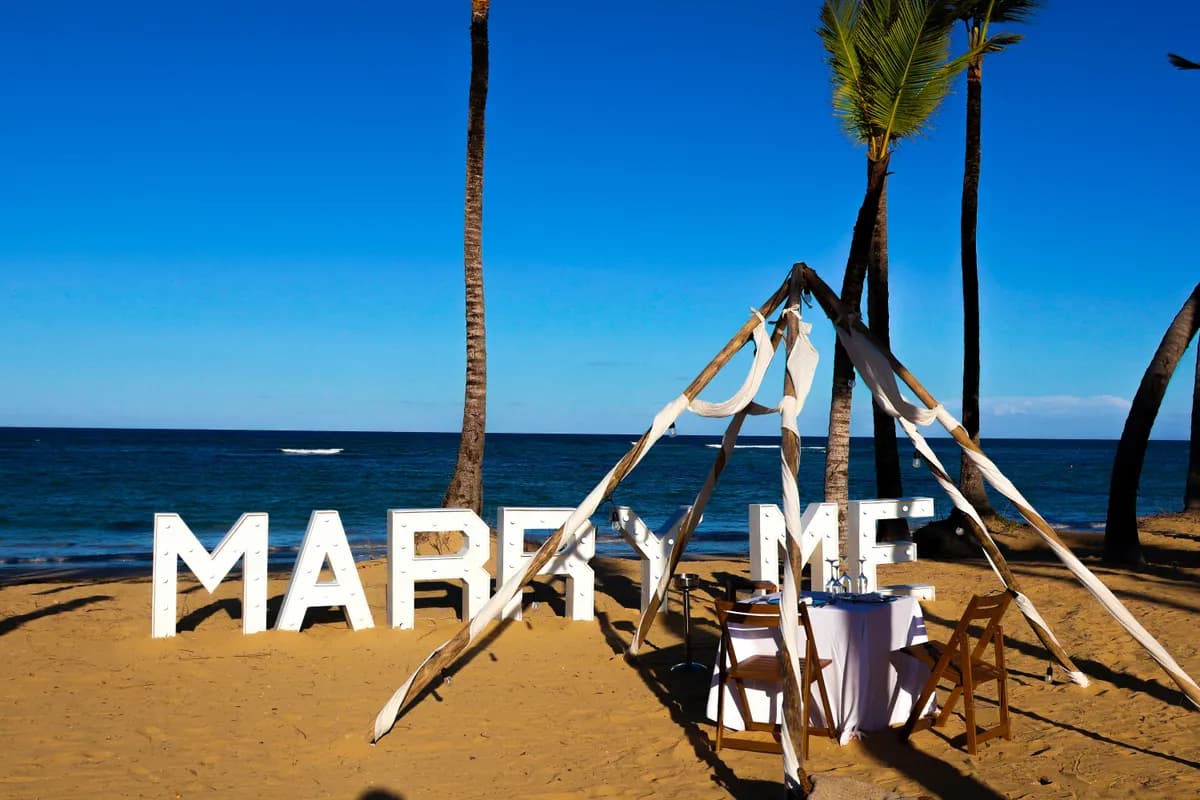 Luxury Romance
Dominican Republic Destination Wedding Guide
Dominican Republic destination wedding guide covering legal requirements, venue pricing, and a 12-month planning timeline from real vendors.
More to Explore in Santo Domingo
Discover beaches, attractions, activities, and more in the same area
Make the most of Zona Colonial
Pair this stop with our travel guides to build the rest of your trip around it.