First-Time Visitor's Guide to the Dominican Republic
Everything you need to know before your first trip to the Dominican Republic, from visas and currency to cultural tips and must-see destinations.
Entry Requirements & Visas
The Dominican Republic is one of the easiest Caribbean destinations to visit. Citizens of the United States, Canada, the United Kingdom, and most European Union countries do not need a visa for stays of up to 30 days. You will need:
- A valid passport (through December 31, 2026, tourists from the United States of America, Canada, United Kingdom and European Union need passport validity only through their stay and departure)
- A return or onward ticket
- Completed E-Ticket form (digital entry/exit form at eticket.migracion.gob.do), this replaces the old paper immigration card
The E-Ticket combines your customs declaration, immigration form, and health declaration into one digital form. Fill it out once you have your flight details, before arriving at the airline counter at the airport. You'll receive a QR code that immigration officers scan on arrival.
A tourist card (US$10) is now included in your airline ticket price, so you won't need to pay separately at the airport. Extensions beyond 30 days can be obtained at the immigration office in Santo Domingo.
Best Time to Visit
The Dominican Republic enjoys warm weather year-round, but the ideal window depends on what you're looking for:
Peak Season (December–April)
This is the dry season and the most popular time to visit. Temperatures hover around 27-30°C (80-86°F), humidity is lower, and rain is rare. It's perfect for beach days, whale watching in Samaná (January, March), and outdoor adventures. Expect higher prices and fuller hotels.
Shoulder Season (May, June, November)
Excellent value with fewer crowds. Weather is still warm and sunny most days, with occasional afternoon showers. Hotels offer significant discounts, often 30-50% off peak rates.
Hurricane Season (June–November)
The wettest months, with September and October carrying the highest hurricane risk. However, many travelers visit without issues. Prices are at their lowest, and if a storm does approach, modern forecasting gives ample warning.
Where to Go
The Dominican Republic is far more diverse than most visitors expect. Here are the key regions:
Punta Cana & the East Coast
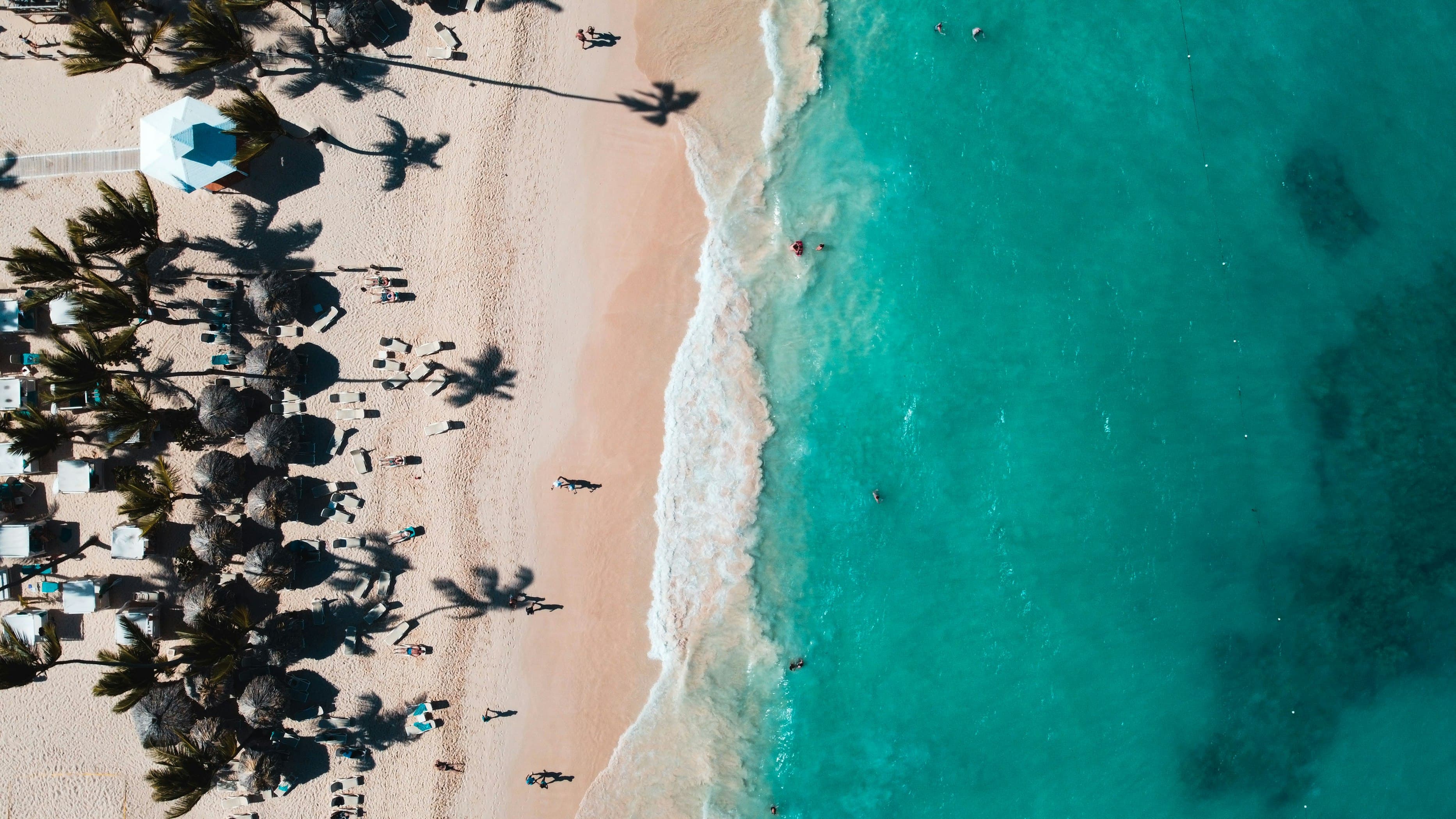
The most popular destination for resort vacations. Home to Bávaro Beach, Macao Beach, and dozens of all-inclusive resorts. Perfect for beach lovers and families who want a hassle-free vacation.
Santo Domingo
The capital city and oldest continuously inhabited European settlement in the Americas. The Zona Colonial is a UNESCO World Heritage Site with 500-year-old architecture, late-night bars and clubs, and world-class restaurants.
Samaná Peninsula
The eco-tourism hub. Dramatic cliffs, hidden beaches, the famous Salto El Limón waterfall, and humpback whale watching (January, March). Las Terrenas offers a cosmopolitan beach-town vibe with French-Caribbean flair.
Puerto Plata & the North Coast
The Dominican Republic's original tourist destination. Home to historic Fort San Felipe, the amber museum, and the famous 27 Charcos de Damajagua (27 Waterfalls). Great for adventure travelers.
Barahona & the Southwest
Off the beaten path. Dramatic coastal cliffs, larimar mines, and Bahía de las Águilas: arguably the most beautiful beach in the Caribbean. This is where Dominicans go on vacation.
Getting Around
Transportation in the DR ranges from ultra-modern to charmingly chaotic:
Rental Cars
The best way to explore beyond resort areas. International companies (Avis, Hertz, Budget) operate at all airports. Expect to pay US$30-60/day. Roads between major cities are generally good, though rural roads can be rough. Drive defensively, Dominican driving culture is... spirited.
Uber & Ride-Hailing
Uber and InDriver work in Santo Domingo, Santiago, and Punta Cana. They're safe, affordable, though inDrive lets riders and drivers negotiate fares directly.
Guaguas (Minibuses)
The most authentic way to travel. These minibuses run fixed routes between cities and towns for incredibly low prices (RD$50-200). They leave when full, not on a schedule. Cramped but efficient.
Caribe Tours & Metro
Air-conditioned long-distance buses connecting major cities. Comfortable and reliable, with online booking available. Santo Domingo to Puerto Plata takes about 4 hours and costs around RD$500 (US$9).
Money & Currency
The Dominican Peso (DOP or RD$) is the official currency. As of 2026, the exchange rate hovers around US$1 = RD$57-60.
Key Tips
- US dollars are widely accepted in tourist areas, but you'll get better value paying in pesos
- ATMs are everywhere and dispense pesos. Withdraw from bank ATMs (Banreservas, Popular, BHD) to avoid extra fees
- Credit cards are accepted at hotels, restaurants, and larger shops. Visa and Mastercard are most common
- Always carry some cash for markets, street food, small shops, and tips
- Don't exchange money at the airport, rates are terrible. Use ATMs or local exchange houses (casas de cambio) instead
Tipping Culture
A 10% service charge (propina legal) is added to restaurant bills, plus 18% tax (ITBIS). It's customary to leave an additional 5-10% for good service. Tip hotel staff, tour guides, and drivers RD$50-200 depending on the service.
Safety Tips
The Dominican Republic is generally safe for tourists, but common-sense precautions apply:
- Don't flash expensive jewelry or electronics in public areas
- Use hotel safes for passports, large amounts of cash, and valuables
- Stick to well-lit, populated areas at night, especially in cities
- Avoid motorcycle taxis
- Drink bottled water, tap water is not safe to drink
- Use sunscreen religiously. The Caribbean sun is stronger than you think, especially between 10am and 3pm
- Negotiate taxi fares before getting in, or use Uber/InDriver for transparent pricing
Cultural Etiquette
Dominicans are among the warmest, most welcoming people in the Caribbean. A few cultural notes:
- Greetings matter. Always say "buenos días" (morning), "buenas tardes" (afternoon), or "buenas noches" (evening) when entering a shop or meeting someone
- Personal space is smaller than in North America or Northern Europe. Expect close conversation and friendly physical contact
- Time is flexible. "Dominican time" means things start later than announced. Relax and go with the flow
- Learn basic Spanish. Even a few phrases will be deeply appreciated and open doors. "Gracias," "por favor," and "con permiso" go a long way
- Dress codes: Beach attire is fine at the beach, but cover up when visiting churches, the Zona Colonial, or dining at upscale restaurants
What to Pack
Pack light and practical:
- Reef-safe sunscreen (SPF 50+)
- Insect repellent (mosquitoes are present year-round)
- A light rain jacket or compact umbrella (for afternoon showers)
- Comfortable walking shoes for cobblestone streets in colonial zones
- Water shoes for rocky beaches and river pools
- A universal power adapter (DR uses US-style 110V outlets, Type A/B)
- A waterproof phone case for boat trips and water activities
- Light, breathable clothing, cotton and linen are ideal
Table of Contents
Punta Cana
This guide covers Punta Cana. Explore more about this destination.
View DestinationAbout the Author
Alex Borshch
Founder and editor of the Isla365 network. Spent six months living in the Dominican Republic over the 2013-14 winter, and has since wintered in Thailand, Vietnam and Turkey. Writes and edits the guides across the network.