Punta Cana vs Puerto Plata: Resorts or Half the Price
Punta Cana wins on all-inclusives, direct flights and calm beaches. Puerto Plata runs $40-150 a day against $100-300, with better adventure and local life.
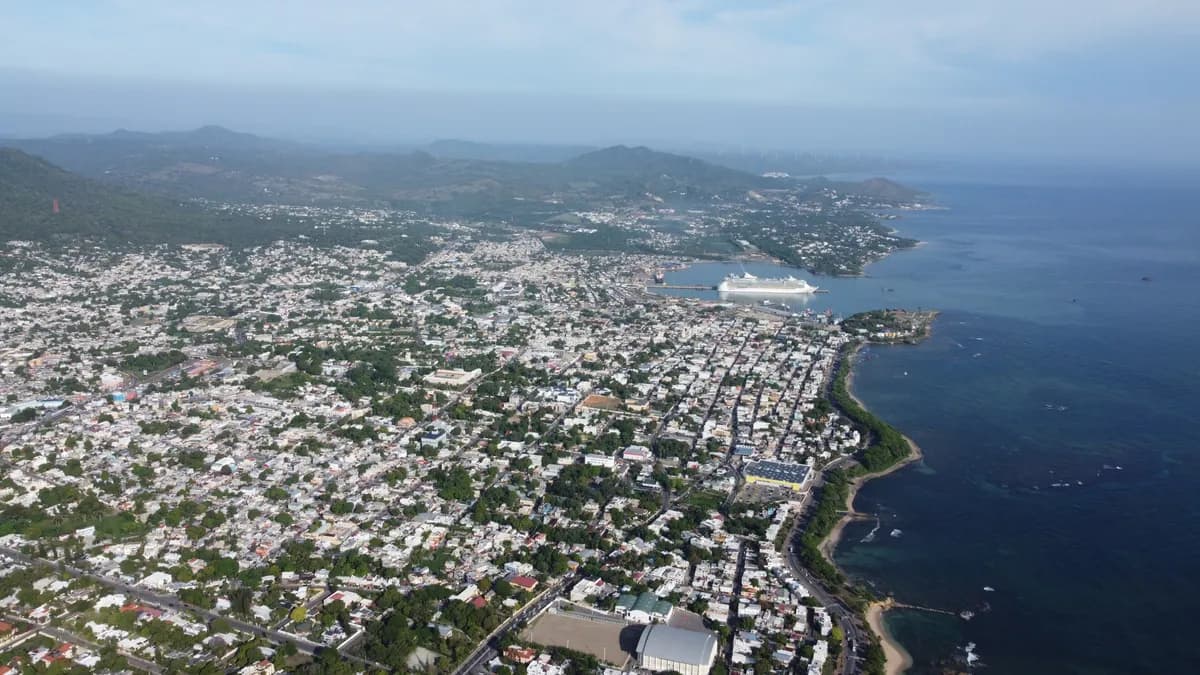
The Dominican Republic draws millions of visitors every year, and most face the same question: Punta Cana vs Puerto Plata, which one should I pick? Both destinations sit on spectacular coastlines, offer warm weather year-round, and deliver the Caribbean vacation you are dreaming of. But they are very different experiences.
Punta Cana on the east coast is the Dominican Republic's resort capital, famous for all-inclusive packages and powdery white sand. Puerto Plata on the north coast is the adventure and culture hub, with lower prices and more local character. This guide breaks down every category so you can choose the right fit for your travel style, budget, and priorities.
Quick Comparison Table
| Category | Punta Cana | Puerto Plata |
|---|---|---|
| Beaches | ★★★★★ | ★★★★ |
| All-Inclusive Resorts | ★★★★★ | ★★★ |
| Nightlife | ★★★★ | ★★★ |
| Activities & Adventure | ★★★ | ★★★★★ |
| Budget-Friendliness | ★★ | ★★★★★ |
| Family-Friendliness | ★★★★★ | ★★★★ |
| Local Culture | ★★ | ★★★★★ |
| Airport Access | PUJ (major hub) | POP (smaller, fewer flights) |
| Daily Budget | $100-300+ | $40-150 |
Punta Cana: The All-Inclusive Capital
Punta Cana is what most people picture when they think of a Dominican Republic vacation. The east coast destination is home to over 50 km of white-sand beaches, anchored by the famous Bavaro Beach. Resort corridors line the coast, offering packages where food, drinks, pools, entertainment, and water sports are bundled into one price.
The Punta Cana International Airport (PUJ) is the second busiest airport in the Caribbean, with direct flights from most major North American and European cities. That accessibility, combined with calm turquoise waters protected by offshore coral reefs, makes Punta Cana the default choice for first-time Caribbean travelers and families who want a hassle-free vacation.
Best beaches in Punta Cana
- Bavaro Beach — the flagship, over 3 km of powdery white sand with reef-protected calm water
- Macao Beach — a wilder, public beach popular for surfing and ATV tours
- Juanillo Beach — the photogenic Cap Cana beach with shallow turquoise water
- Cabeza de Toro Beach — a mangrove-lined cove, exceptionally calm for small children
Puerto Plata: The Adventure and Culture Hub
Puerto Plata offers a completely different flavor. The north coast destination blends beach time with mountain scenery, adventure tourism, and genuine Dominican culture. Instead of a uniform resort strip, you get a string of distinct beach towns, each with its own personality: the resort area of Playa Dorada, the snorkeling haven of Sosua, and the world-class water sports scene in Cabarete.
Puerto Plata costs significantly less than Punta Cana. Budget travelers can spend $40-70 per day, compared to $100-150+ on the east coast. The tradeoff is a smaller airport (POP) with fewer direct flights, and slightly more rain on the north coast. But for travelers who want more than a beach chair and a buffet, Puerto Plata delivers.
Best beaches near Puerto Plata
- Playa Dorada — golden-sand resort beach with all-inclusive options and a golf course
- Sosua Beach — a protected horseshoe bay with crystal-clear snorkeling
- Playa Encuentro — premier surf breaks near Cabarete, consistently ranked among the Caribbean's best
- Playa Cofresi — a calm fishing-village bay, ideal for families with young children
Beaches: Head to Head
Punta Cana wins on sheer volume. The east coast has more beaches, more sand, and calmer water thanks to protective coral reefs. If your priority is long, uninterrupted stretches of white sand with gentle waves, Punta Cana is the clear choice. Bavaro Beach alone could keep you busy for a week.
Puerto Plata wins on variety. Within a 30-minute drive you can go from a calm resort beach (Playa Dorada) to a world-class surf break (Playa Encuentro) to a snorkeling cove (Sosua). The north coast also has golden sand instead of the east coast's white sand, giving the beaches a different, warmer appearance.
Activities and Things to Do
This is where Puerto Plata pulls ahead. The north coast is home to the 27 Waterfalls of Damajagua, one of the top-rated adventure attractions in the entire Caribbean. You climb, jump, and slide through a series of jungle waterfalls. Add Brugal rum distillery tours, the historic Fortaleza San Felipe, and world-class kitesurfing in Cabarete, and Puerto Plata gives you a packed itinerary beyond the beach.
Punta Cana's activities lean toward water-based fun: catamaran cruises to the Natural Pool sandbar, deep-sea fishing for marlin and mahi-mahi, parasailing, snorkeling trips, and ATV tours through the countryside to Macao Beach. There are also zip-line parks and buggy tours. But overall, the options feel more resort-curated than Puerto Plata's organic adventure scene.
Resorts and Accommodations
Punta Cana is the undisputed king of all-inclusive resorts. The east coast has dozens of large-scale properties (Barcelo, Iberostar, Hard Rock, Secrets, Dreams) where everything from meals to entertainment is included. For travelers who want to pay once and forget about logistics, this is ideal.
Puerto Plata has all-inclusive options too (Costa Dorada has Iberostar Waves Costa Dorada (closed for refurbishment from 08/30/2026 to 10/26/2026) and Hotel Marien), but the selection is smaller. Where the north coast shines is in mid-range and boutique accommodations. Independent hotels, guesthouses, and Airbnbs in Sosua and Cabarete offer better value and more local character. If you prefer exploring local restaurants and setting your own schedule, Puerto Plata's mixed accommodation scene works better.
Budget Comparison
Puerto Plata is cheaper in most categories in this comparison:
| Expense | Punta Cana | Puerto Plata |
|---|---|---|
| Budget per day | $100-150 | $40-70 |
| Mid-range per day | $180-300 | $80-150 |
| Luxury per day | $350-600+ | $200-400 |
| Uber ride | $3-8 | $5-15 |
| Local meal | $8-15 | $4-10 |
The biggest savings come from accommodations. Punta Cana's economy is built around all-inclusive packages that start at $100/night for budget options. In Puerto Plata, Sosua, or Cabarete, you can find clean, comfortable rooms for $30-50/night and eat at local comedores for $4-6 per meal.
Getting There: Airport Access
Punta Cana International Airport (PUJ) is the busiest airport in the Dominican Republic and second busiest airport in the Caribbean. Direct flights arrive from New York, Miami, Toronto, London, Madrid, and dozens of other cities. Most airport transfers to hotels take 15-30 minutes.
Gregorio Luperon International Airport (POP) in Puerto Plata is smaller, with fewer direct routes. You may need a connection through Miami, New York, or Santo Domingo. However, flight prices to POP are often lower than PUJ. Taxi transfers to Playa Dorada take about 20 minutes; Sosua is 25 minutes; Cabarete is 35 minutes.
Family-Friendliness
Both destinations work well for families, but in different ways. Punta Cana's all-inclusive resorts often include kids' clubs, water parks, supervised activities, and shallow beach areas. The calm, reef-protected water at Bavaro Beach and Cabeza de Toro makes it easy to relax while children play in the shallows. For families who want zero planning, Punta Cana is the safer bet.
Puerto Plata offers families more variety. Playa Cofresi has exceptionally calm water for young children, and the adjacent Ocean World Adventure Park adds a day of interactive marine experiences. Older kids and teenagers will love the 27 Waterfalls adventure, and introduction to water sports in Cabarete. Families who want a mix of beach days and active experiences will prefer the north coast.
Nightlife
Punta Cana has the bigger nightlife scene. Resort-based entertainment runs every night (shows, casino floors, pool parties), and the Bavaro area has standalone clubs and bars like Coco Bongo and Imagine nightclub (set inside a cave). During spring break season, the party scene ramps up considerably.
Puerto Plata's nightlife is more laid-back. Cabarete has a social beach-bar scene with live music, while Sosua has a strip of bars and clubs. The vibe is more backpacker-meets-digital-nomad than bottle-service party. If you prefer a cold Presidente beer at a beachfront bar over a loud mega-club, you will feel more at home on the north coast.
Which Destination Should You Choose?
The right choice depends on what kind of trip you are planning:
Choose Punta Cana if you want...
- An all-inclusive resort where everything is taken care of
- World-class white-sand beaches with calm, shallow water
- Easy airport access with direct flights from most cities
- A family vacation with kids' clubs and resort amenities
- Nightlife options within walking distance of your hotel
Choose Puerto Plata if you want...
- A more affordable vacation (40-60% lower costs)
- Adventure beyond the beach: waterfalls, mountains, surfing
- An authentic Dominican experience with local culture
- Diverse beach options from calm bays to world-class surf
- A mix of relaxation and exploration on your own terms
Consider both
If you have 10+ days, you can split your trip between both coasts. Fly into PUJ, spend 4-5 days in a Punta Cana all-inclusive, then rent a car or take a bus to the north coast for 4-5 days of adventure in Puerto Plata and Cabarete. Traveling overland between the Punta Cana and Puerto Plata airports can take up to seven hours. Check the best time to visit Dominican Republic guide to plan your timing.
Punta Cana vs Puerto Plata FAQ
Is Punta Cana or Puerto Plata better for first-time visitors?
Punta Cana is easier for first-time visitors. The all-inclusive resort system handles meals, drinks, activities, and transportation, so there is very little planning required. Puerto Plata rewards travelers who are comfortable navigating on their own.
Which destination has better beaches?
Punta Cana has more famous beaches with whiter sand and calmer water. Puerto Plata has more diverse beaches, from snorkeling coves to surf breaks. Both coastlines are beautiful.
Can I visit both Punta Cana and Puerto Plata in one trip?
Yes. Traveling overland between the Punta Cana and Puerto Plata airports can take up to seven hours. Many travelers split a 10-day trip between the two coasts. You can also fly domestically or travel by bus, for example with Expreso Bávaro to Santo Domingo, then Caribe Tours to Puerto Plata.
Which destination is safer?
Both destinations are considered safe for tourists. Standard precautions apply everywhere: use official taxis or Uber, avoid isolated areas at night, and keep valuables in your hotel safe. Resort areas in both destinations have good security.
Is Puerto Plata worth visiting in 2026?
Absolutely. Puerto Plata has invested in infrastructure upgrades, including the renovated Malecon waterfront, improved roads, and growing flight options. The north coast offers some of the best value in the Caribbean with world-class adventure tourism that Punta Cana cannot match.
Facts on this page were last compared with their sources on . Details may have changed since. How we check
About the author
Alex Borshch
Keep reading
Related articles
Practical updates, new guides, and trip-planning notes
Join the launch list for practical Dominican Republic travel updates, new guides, and trip-planning notes. No mail app required.