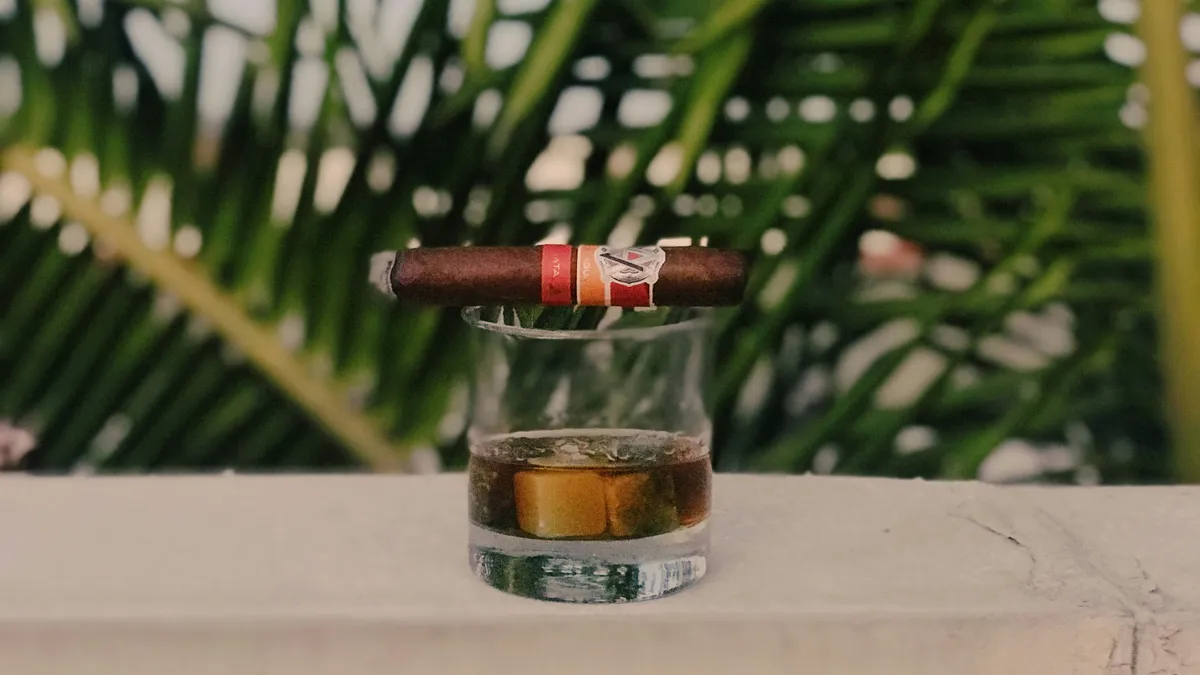
Dominican Rum & Cigar Tour Guide
Dominican Republic rum and cigar tour guide to Brugal, Barcelo, and Bermudez distilleries, plus Santiago cigar factories and mamajuana recipes.
The Dominican Republic produces two things better than almost anywhere else in the world: rum and cigars. The rum tradition stretches back centuries to the sugar plantations that defined the island's economy, and the cigar industry, centered in the lush Cibao Valley around Santiago, has made the DR the largest cigar exporter on the planet, surpassing even Cuba in volume. Together, they form a cultural pairing as fundamental to Dominican identity as merengue and baseball.
This guide takes you behind the scenes, into the distilleries where molasses becomes golden rum, into the fabricas (factories) where skilled torcedores (rollers) hand-craft cigars leaf by leaf, and into the colmados and terrazas where Dominicans enjoy both with friends, loud music, and zero pretension.
Dominican Rum Culture
Rum is not a drink in the Dominican Republic, it is a social ritual. A bottle of Brugal on the table means friends are gathering. A glass of Barcelo Imperial means someone is celebrating. Ron (rum) is present at every Dominican gathering: baptisms, funerals, domino games, beach days, random Tuesday evenings. The phrase "vamos a pegarnos unos palos" (let's hit some drinks) is the unofficial national invitation.
Most Dominican rum is made from sugarcane molasses, though Barceló says its rum is distilled from 100% fresh sugarcane juice. It is typically aged in American white oak bourbon barrels, resulting in a smooth, slightly sweet profile that is more accessible than Jamaican funk or Guyanese heaviness. The best Dominican rums emphasize balance: oak, vanilla, caramel, and a dry finish that invites another sip.
The standard Dominican way to drink rum: with Coca-Cola and ice (a "Cuba Libre," though Dominicans just call it "ron con Coca"). Premium aged rums are sipped neat or with a single ice cube. The tourist cocktail is the mojito or pina colada, but if you want to drink like a local, order a "servicio", a bottle of rum served with a bucket of ice, Coca-Cola, and glasses for the table. A servicio of Brugal Extra Viejo at a colmado costs RD$800-1,200 (US$14-20). At a nightclub, the same bottle is RD$2,500-4,000 (US$42-68).
The Big Three: Brugal, Barcelo, Bermudez
Brugal
Founded in 1888 in Puerto Plata by Andres Brugal Montaner, a Spanish immigrant from Sitges who had lived in Cuba. Brugal is the best-selling rum in the DR and the most recognized internationally. The range runs from Brugal Blanco (white, for mixing, RD$300/US$5) through Brugal Extra Viejo (aged 3-8 years, the colmado standard, RD$600/US$10) to Brugal 1888 (double-aged in sherry and bourbon casks, excellent for sipping, RD$2,000/US$34) and Brugal Papa Andres (limited edition, ultra-premium). Brugal's style leans drier than Barcelo, less sweet, more oak-forward.
Ron Barcelo
Founded in 1930 in Santo Domingo and now based in Santo Domingo. Barcelo is Brugal's eternal rival, and the debate over which is better divides Dominican households as sharply as Licey vs. Aguilas. Barcelo's style is slightly sweeter and smoother than Brugal. The range: Barcelo Dorado (gold, for mixing, RD$280/US$4.75), Barcelo Anejo (the everyday sipper, RD$500/US$8.50), Barcelo Imperial (aged 10 years, a superb sipping rum, RD$1,200/US$20), and Barcelo Imperial Premium Blend (a special blend of aged Imperial reserves released to celebrate thirty years since Ron Barceló Imperial's launch, gift-worthy, RD$4,500/US$76).
Bermudez
The oldest rum producer in the DR, founded in 1852 in Santiago. Bermudez is less internationally known than Brugal or Barcelo but is deeply respected domestically. Their Bermudez Don Armando Anejo is a smooth, well-balanced sipper at a modest price (RD$700/US$12). Bermudez also produces mamajuana pre-mixed bottles that are popular tourist souvenirs.
Distillery Tours
Brugal Factory Tour (Puerto Plata)
The most popular rum tour in the DR. Located on the main road into Puerto Plata, the Brugal visitor center offers a 30-45 minute guided tour through the bottling facility (not the full distillation process, which happens at a separate plant). You learn the history, see the production line, and finish with a tasting of 3-4 Brugal expressions. The tour has historically been free or very cheap (recent visitors report a small fee), and the gift shop sells bottles at competitive prices. Tours usually run on weekdays in morning and afternoon slots with a lunch break; confirm current hours, fees and whether you need to book before you go.
Barcelo Rum Experience (San Pedro de Macorís)
Ron Barcelo runs its visitor tours at its production site on the Carretera Ingenio Quisqueya, km 6.5, in San Pedro de Macorís, about an hour east of Santo Domingo. Barcelo offers three tour tiers: the Añejo Experience (US$20), the Añejo Plus (US$30, adding Imperial and Imperial Onyx tastings) and the Imperial Experience (US$40, with a visit to the aging cellars), plus an optional 30-minute Bartender Experience cocktail class for US$15 (prices as listed in September 2026; confirm when booking). It is more polished and educational than the Brugal tour. Book through their website or your hotel concierge.
Bermudez Distillery (Santiago)
The Bermudez facility in Santiago offers tours by appointment. Contact them directly through their website or by calling ahead. The tour includes the aging warehouse (rows of oak barrels in the warm Dominican air) and a tasting. Less tourist-oriented than Brugal or Barcelo, which means a more authentic, less rehearsed experience.
The Dominican Cigar Industry
The Dominican Republic is the one of the world's leading exporters of premium hand-rolled cigars, producing over 400 million cigars annually. The industry is centered in the Cibao Valley, particularly around Santiago and the town of Tamboril (15 minutes north of Santiago), where the rich red soil and humid climate create ideal conditions for growing cigar tobacco.
Dominican cigar tobacco has a distinct profile: medium-bodied, smooth, with notes of cedar, cream, nuts, and a natural sweetness that makes Dominican cigars more approachable than the powerful Nicaraguan or intense Cuban styles. The best Dominican cigars use a blend of Dominican filler tobacco wrapped in Connecticut shade, Ecuadorian Habano, or Cameroon wrappers, combinations that produce complexity without harshness.
The industry employs over 100,000 Dominicans, from the vegueros (tobacco farmers) in the fields to the torcedores (rollers) in the factories to the packers, quality inspectors, and shipping coordinators. A skilled torcedor can roll 200-300 cigars per day, each one shaped, pressed, and wrapped by hand, a craft that takes 2-3 years to master.
Cigar Factory Tours
La Aurora Cigar Factory (Santiago)
Founded in 1903, La Aurora is the oldest cigar factory in the Dominican Republic and a national institution. Their factory in Santiago offers guided tours (listed as free on the Dominican site and $20 per person on the US site; confirm the fee when booking, Monday-Friday, by appointment) that walk you through every step: fermentation rooms where tobacco leaves age for 12-18 months, the rolling floor where 300+ torcedores work in rows, the quality control room, and the aging vault. The tour ends in the company store, where you can buy factory-fresh cigars at prices 20-40% below retail. The La Aurora Preferidos and La Aurora 107 are their flagship lines.
Tabacalera de Garcia (La Romana)
The largest cigar factory in the world. Part of Grupo Tabacalera, this facility near La Romana produces brands including Montecristo, Romeo y Julieta, H. Upmann, and other famous names. The tour booking operator currently lists factory tours as temporarily unavailable; confirm reopening before planning a visit. The scale is staggering: around 2,000 employees producing millions of cigars annually.
Tamboril Factory District
The small town of Tamboril, 15 minutes north of Santiago, is the epicenter of Dominican cigar manufacturing. Dozens of small and medium factories operate here, including La Flor Dominicana and numerous boutique operations. Some offer informal tours if you show up and ask politely, the culture is entrepreneurial and welcoming. A half-day in Tamboril, hopping between small factories, is one of the most authentic experiences in Dominican cigar culture.
Top Dominican Cigar Brands
- Arturo Fuente: The most famous Dominican cigar brand worldwide. The Fuente Fuente OpusX is considered one of the finest cigars ever made, a full-bodied powerhouse wrapped entirely in Dominican tobacco. The Fuente factory is in Santiago but generally not open for public tours.
- La Aurora: The oldest brand. Their 107 and Preferidos lines are excellent. Factory tour available.
- La Flor Dominicana: Known for bold, full-bodied cigars. The Andalusian Bull and La Nox are crowd favorites. Factory in Tamboril.
- Davidoff: Swiss-owned, Dominican-made. Premium to ultra-premium. Their Dominican-grown tobaccos are among the best in the world. The Davidoff Winston Churchill line is excellent.
- E.P. Carrillo: Founded by Ernesto Perez-Carrillo, a master blender. Multiple Cigar of the Year awards. The Encore and La Historia are outstanding.
Mamajuana: The Dominican Elixir
Mamajuana is the Dominican Republic's unofficial national drink, a potent blend of rum, red wine, and honey infused with tree bark and herbs. It is sold at every tourist shop, but the real thing is homemade, sitting in glass bottles behind the counter of colmados and family kitchens across the island. Dominicans claim it cures everything from the common cold to low libido (the "Dominican Viagra" marketing is not subtle).
The base is a bottle filled with dried bark and herbs (you can buy the dry mix for RD$200-400/US$3.40-6.80). You add rum, red wine, and honey, let it steep for a week, and drink in small glasses. Each family has their own recipe and their own claims about its powers. The taste is herbal, sweet, and strong, somewhere between a spiced rum and an amaro. Most tourists either love it or grimace through a polite sip.
For tourists, the easiest way to try mamajuana is to order it at any bar or restaurant (RD$150-300/US$2.50-5 per glass). To bring it home, buy a pre-made bottle (RD$500-1,500/US$8.50-25 at tourist shops) or buy the dry bark mix and add your own rum and wine at home, the dry mix is often allowed, but plant material must be declared at customs and entry depends on the ingredients and the inspector, so check US (APHIS) or EU rules before you pack it.
How to Buy & Bring Home Cigars & Rum
Cigars
- Where to buy: Factory stores (best prices), specialty cigar shops in Santiago and Santo Domingo, hotel gift shops (highest markup). Avoid buying cigars from beach vendors or street sellers, counterfeits are common.
- Prices: A box of 20 premium Dominican cigars (La Aurora, Arturo Fuente, La Flor Dominicana) costs RD$3,000-15,000 (US$50-250) at factory prices. Individual sticks range from RD$100-800 (US$1.70-13.50) depending on brand and line.
- US duty-free allowance: US citizens returning from the DR can bring back up to 100 cigars duty-free for personal use (not for resale). Above 100, you owe US customs duty.
- Storage for travel: Keep cigars in a sealed plastic bag with a small Boveda humidity pack (62% or 69%) for the flight home. Do not put them in checked luggage if the cargo hold is not temperature-controlled. Carry-on is fine.
Rum
- Where to buy: Colmados and supermarkets (cheapest), airport duty-free shops (convenient, tax-free), hotel shops (most expensive).
- Prices: Brugal 1888: RD$2,000 (US$34) at a colmado, RD$2,200-2,800 at duty-free. Barcelo Imperial: RD$1,200 (US$20) locally. Bottles at duty-free are sometimes cheaper than US retail.
- US duty-free allowance: Returning US residents aged 21 or older arriving directly from the Dominican Republic may include 2 liters of alcohol duty-free within their personal exemption, provided at least 1 liter was produced in a qualifying beneficiary country. Additional bottles are subject to modest duties (usually a few dollars per bottle). Practically: most travelers bring 2-3 bottles without issue.
- Packing for travel: Wrap bottles in clothing in checked luggage, or buy at the airport duty-free to avoid breakage risk. Rum is not allowed in carry-on past security (unless purchased at the duty-free shop after the security checkpoint).
Tasting Guide for Beginners
Rum Tasting
Start with lighter, younger rums and work up to aged expressions:
- Brugal Extra Viejo: the entry point. Light oak, clean, dry finish. Mix with Coke or sip neat.
- Barcelo Anejo: slightly sweeter, smoother. The comparison point for Brugal.
- Brugal 1888: double-aged (American oak then Spanish sherry casks). Dried fruit, vanilla, complexity. Sip neat.
- Barcelo Imperial: 10-year aged. Rich, smooth, with caramel and tobacco notes. Sip neat or with one ice cube.
Cigar Tasting
If you are new to cigars, start mild and work up:
- La Aurora Preferidos Sapphire (Connecticut): Mild-medium, creamy, 30-40 minute smoke. Perfect for beginners.
- Arturo Fuente Hemingway Short Story: Medium body, rich flavors, 45 minutes. The classic Dominican cigar experience.
- La Flor Dominicana Double Ligero: Full-bodied, bold. For experienced smokers who want intensity.
Pairing tip: A Barcelo Imperial with a La Aurora Preferidos Connecticut is an outstanding combination, the rum's sweetness balances the cigar's creaminess. Add a Dominican coffee (cafe de la loma) and you have the holy trinity of Dominican indulgence.
Frequently Asked Questions
Can I visit rum distilleries and cigar factories on the same trip?
Yes. The most efficient route combines the Brugal distillery in Puerto Plata (north coast) with cigar factories in Santiago (1.5 hours south of Puerto Plata). Do Brugal in the morning, drive to Santiago for lunch and a La Aurora factory tour in the afternoon. Alternatively, base yourself in Santiago for 2-3 days to cover Bermudez distillery, La Aurora, and the Tamboril factory district without rushing. Add San Pedro de Macorís, an easy day trip from Santo Domingo, for the Barcelo experience.
Are Dominican cigars as good as Cuban cigars?
This is the debate that will never end. Objectively: Dominican cigars have won more blind-tasting awards in the last decade than Cuban cigars. The quality of Dominican tobacco, the craftsmanship of the torcedores, and the consistency of production are all world-class. Cuban cigars have historical mystique and a unique flavor profile from Cuban soil, but quality control issues and supply inconsistencies have hurt their reputation among serious cigar smokers. Many experts argue that Dominican brands like Arturo Fuente, La Flor Dominicana, and Davidoff now surpass their Cuban counterparts. Try both and decide for yourself.
What is mamajuana, and should I try it?
Mamajuana is a traditional Dominican drink made by infusing rum and red wine with tree bark, herbs, and honey. It tastes like a sweet, herbal, potent digestif, something between an Italian amaro and a spiced rum. Dominicans attribute near-magical health and romantic properties to it. You should absolutely try it at least once, order a glass at any bar for RD$150-300 (US$2.50-5). Whether it lives up to its legendary reputation is a question best answered after your second glass.
Table of Contents
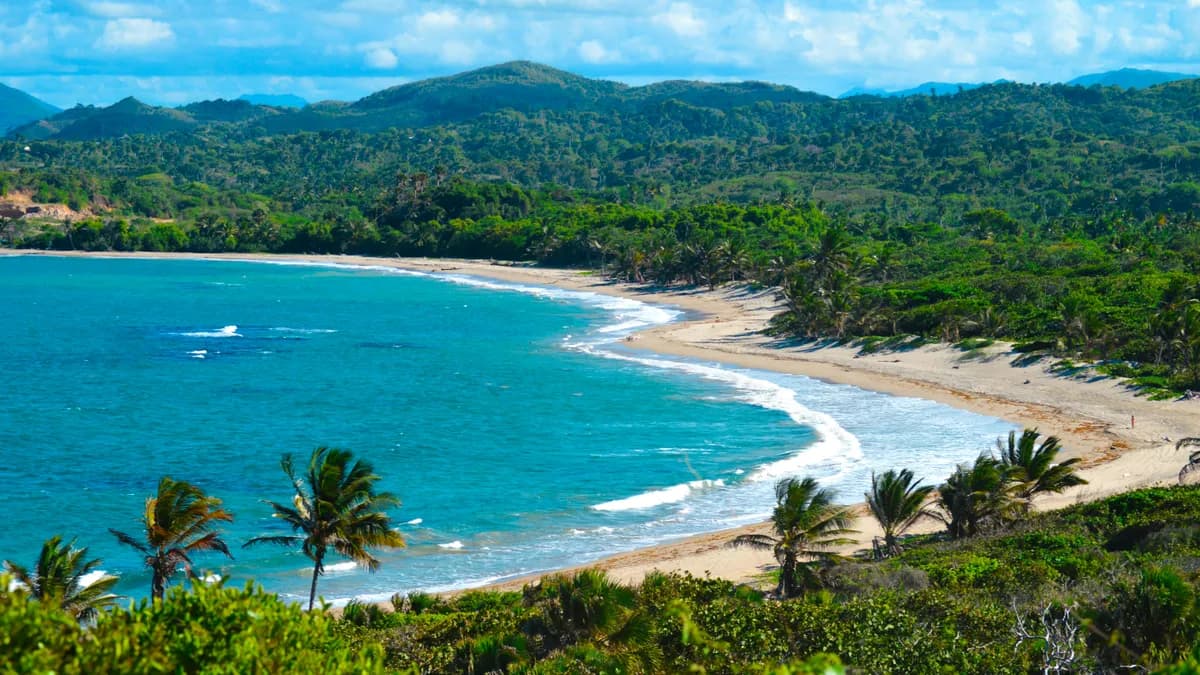
Puerto Plata
This guide covers Puerto Plata. Explore more about this destination.
View DestinationAbout the Author
Alex Borshch
Founder and editor of the Isla365 network. Spent six months living in the Dominican Republic over the 2013-14 winter, and has since wintered in Thailand, Vietnam and Turkey. Writes and edits the guides across the network.