LGBTQ+ Travel Guide to the Dominican Republic
LGBTQ+ travel guide to the Dominican Republic covering legal status, Santo Domingo's nightlife scene, resort acceptance, and regional differences.
Let us be direct: the Dominican Republic is not Amsterdam, Berlin, or San Francisco. It is a socially conservative, predominantly Catholic and evangelical Christian country where homosexuality is legal but not widely accepted, where same-sex marriage is not recognized, and where public displays of affection between same-sex couples can draw unwanted attention outside of specific safe spaces. That is the honest starting point.
But here is the equally honest other side: the Dominican Republic has a growing LGBTQ+ community, particularly in Santo Domingo, with bars, clubs, pride events, and a cultural shift, slow but real, toward greater acceptance. Thousands of LGBTQ+ travelers visit the DR annually, stay at welcoming resorts, enjoy the beaches and culture, and have positive experiences. The key is knowing where you will be comfortable, understanding the cultural context, and making informed choices about how and where to express yourself.
This guide provides that information honestly, no whitewashing, no fearmongering, just the practical reality of traveling in the Dominican Republic as an LGBTQ+ person in 2026.
Legal Status & Cultural Reality
The Legal Framework
Homosexuality has been legal in the Dominican Republic since 1822: there are no laws criminalizing same-sex sexual activity between consenting adults. The age of consent is the same regardless of sexual orientation (18 years). However:
- Same-sex marriage is not recognized. The 2010 constitution explicitly defines marriage as between a man and a woman.
- Civil unions are not available for same-sex couples.
- Anti-discrimination protections: National youth law prohibits discrimination against Dominican young people based on sexual orientation within its scope.
- Transgender rights: Legal gender recognition for transgender people is not available. Trans individuals face significant social barriers.
The Cultural Reality
Dominican society is deeply influenced by Catholic and evangelical Christian values, and both institutions publicly oppose homosexuality. Polls consistently show that a majority of Dominicans hold negative views of homosexuality, though acceptance is growing among younger, urban, and educated populations.
That said, the Dominican Republic is a country of contradictions. Machismo culture coexists with a thriving underground (and increasingly above-ground) queer culture. Dominican drag culture is alive and celebrated in specific venues. Music genres like dembow feature openly queer artists. In Santo Domingo's middle and upper-class neighborhoods, being openly gay or lesbian is increasingly unremarkable among younger generations. The gap between official conservatism and lived reality is wide.
The concept of "no preguntes, no digas" (don't ask, don't tell) broadly describes the Dominican approach. Many Dominicans have gay family members and friends and accept them privately while maintaining public social conservatism. This duality means that while you may not face hostility, you may also not find overt acceptance outside of designated safe spaces.
Safe Areas for LGBTQ+ Travelers
Santo Domingo, The Most Open City
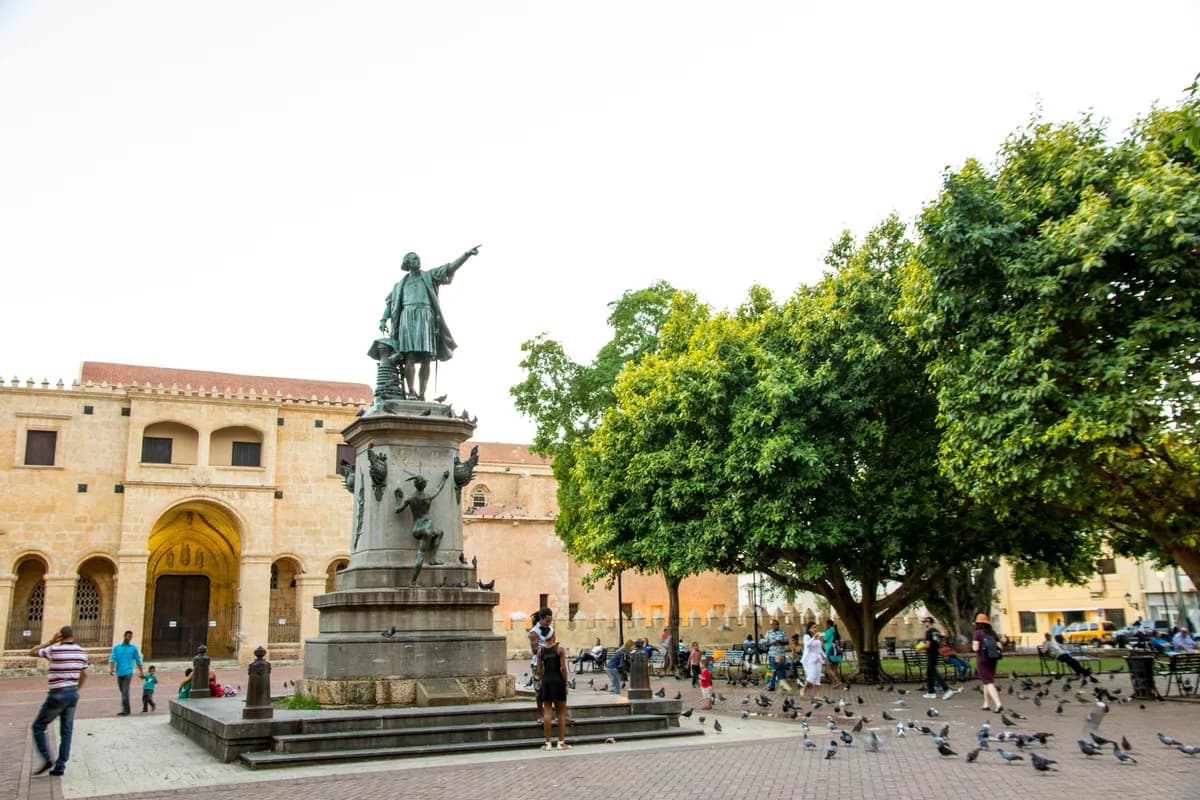
Santo Domingo is by far the most LGBTQ+-friendly destination in the DR. The Zona Colonial and Piantini/Naco neighborhoods have the highest concentration of LGBTQ+ venues, progressive attitudes, and international visitors. Walking around these neighborhoods as a visibly queer person is generally safe during the day and evening. Public hand-holding between same-sex couples occurs in certain Zona Colonial streets without incident, though it may still attract looks.
Punta Cana, Resort Bubble Safety
The all-inclusive resort zone of Punta Cana operates in its own world. International resort chains (Hyatt, Marriott, Hilton, Secrets, Excellence) maintain corporate inclusion policies and welcome LGBTQ+ guests without discrimination. Within the resort walls, same-sex couples receive the same service as any other guests. Outside the resorts, in the town of Bavaro or El Cortecito, attitudes are more conservative.
Las Terrenas
The cosmopolitan, European-influenced beach town of Las Terrenas on the Samana Peninsula has a relatively progressive atmosphere due to its large French, Italian, and international expat community. While not specifically LGBTQ+-oriented, the town's live-and-let-live attitude makes it comfortable for queer travelers who do not require a dedicated scene.
Santo Domingo LGBTQ+ Scene
Santo Domingo has a small but lively LGBTQ+ nightlife scene, concentrated in the Zona Colonial and nearby neighborhoods:
- Esedeku Disco Club (Zona Colonial): The most established gay dance club in Santo Domingo. Open Thursday through Sunday nights, with drag shows on weekends. Cover: RD$300-500 (US$5-8.50). Mixed crowd of locals and visitors. The energy peaks after midnight.
- Lux Cafe Bar (Zona Colonial): A more relaxed, bar-style venue popular with the local LGBTQ+ community. Cocktails, conversation, and occasional live performances. Good for an earlier evening out before hitting the clubs.
- Parada 77 (Zona Colonial): A culturally progressive bar and event space that hosts queer-friendly events, art shows, and performances. Not exclusively LGBTQ+ but part of the progressive Zona Colonial scene.
- Sunday at the Malecon: The Santo Domingo waterfront becomes a social gathering spot on Sunday evenings, and the LGBTQ+ community has a visible presence. Groups of friends, couples, and individuals enjoy the sunset, music, and socializing in a public setting.
The scene is small compared to San Juan (Puerto Rico), Mexico City, or Bogota, but it is real, growing, and welcoming to visitors. Arrive after 11 PM for the best energy, and be prepared for Dominican nightlife norms, things start late and end very late.
Resort-Level Acceptance
International all-inclusive resorts in the Dominican Republic generally provide a welcoming environment for LGBTQ+ guests. Specific properties with strong reputations for inclusivity:
- Secrets (multiple properties, Punta Cana/Cap Cana): Adults-only resorts with a reputation for welcoming LGBTQ+ couples. King beds for same-sex couples are standard and not questioned.
- Excellence Punta Cana: Another adults-only option with consistent positive reviews from LGBTQ+ travelers.
- Hyatt Zilara (Cap Cana): Hyatt corporate policy explicitly includes LGBTQ+ inclusion. Staff training reflects this.
- Casa de Campo (La Romana): The luxury resort community caters to a high-end international clientele and maintains professional, inclusive service.
- Boutique hotels in Zona Colonial: Small hotels like Casas del XVI and Hotel & Boutique La Residence are run by cosmopolitan owners and welcome all guests without judgment.
Booking tip: When booking at any property, there is no need to "disclose" anything about your identity. Book a room with the bed configuration you want (king bed for couples) and expect to be treated like any other guest. If a specific property gives you any indication of discomfort during the booking process, take your business elsewhere, there are plenty of welcoming options.
Regional Differences
Acceptance varies significantly across the Dominican Republic:
- Santo Domingo: Most progressive. Visible LGBTQ+ community, dedicated venues, and growing acceptance among younger residents. You can be yourself in designated spaces and progressive neighborhoods.
- Punta Cana resort zone: Insulated. Resort staff are professional and non-discriminatory. Outside the resorts, conservative small-town attitudes prevail.
- Santiago: Conservative. The country's second city has hosted public Pride caravans. Public discretion is strongly advised.
- North coast (Puerto Plata, Cabarete): Mixed. Cabarete's international surf community is generally accepting. Puerto Plata city is more conservative. Sosua has complexities related to its sex tourism industry.
- Small towns and rural areas: Very conservative. Public displays of same-sex affection will draw attention and potentially hostility. Discretion is essential.
The general principle: the larger and more touristy the city, the more comfortable you will be. Rural and small-town Dominican Republic remains deeply conservative on LGBTQ+ issues.
Tips for LGBTQ+ Couples
- Resorts and hotel rooms: Request a king bed when booking. At international chains, this is standard and unquestioned. At smaller local hotels, you may occasionally encounter confusion or awkwardness, this is uncommon at tourist-oriented properties but possible in budget accommodations. If it happens, calmly confirm your booking and expect professional service.
- Public affection: Holding hands is generally fine in tourist zones, the Zona Colonial, and resort areas. Kissing or more intimate public displays of affection will attract attention in most settings outside of specifically LGBTQ+ venues. This is partly cultural, even heterosexual Dominican couples are not typically demonstrative in public beyond hand-holding.
- Beaches: Public beaches in tourist areas (Bavaro, Cabarete, Las Terrenas) are shared spaces where LGBTQ+ couples can relax without issue. Two people sunbathing together will not raise eyebrows. Intimate physical contact on the beach may draw stares outside of resort property.
- Photography: You can take couple photos at any tourist attraction, beach, or scenic spot without concern. The Dominican Republic has no laws against same-sex couples existing in public spaces.
- Wedding and honeymoon travel: Same-sex weddings cannot be legally performed in the DR. However, many resorts offer "commitment ceremonies" or "vow renewal" packages that function as a celebration even without legal status. Symbolic ceremonies on the beach are available at several properties.
Pride Events & Community
Santo Domingo Pride (June): The Dominican capital has held pride marches since the early 2000s. The event has grown from a small protest march to a more visible celebration, though it remains modest compared to pride events in San Juan, Bogota, or Mexico City. The march typically takes place in the Zona Colonial or along the Malecon, with after-parties at LGBTQ+ venues. Attendance has grown steadily, with both Dominican and international participants.
LGBTQ+ organizations: Several Dominican NGOs advocate for LGBTQ+ rights, including Diversidad Dominicana, TRANSSA (focused on trans rights), and Amigos Siempre Amigos (ASA) (community health and advocacy). These organizations host events, provide resources, and can connect visitors with the local community.
The pride movement in the DR is growing but faces real opposition from religious groups and conservative politicians. Attending a pride event is safe but be aware that counter-protests can occur. The LGBTQ+ community is resilient, organized, and warmly welcoming to international visitors who show solidarity.
Online Communities & Apps
- Grindr: Active in Santo Domingo, Punta Cana, and Santiago. Exercise the same caution you would anywhere, verify identities, meet in public first, and share your location with a trusted contact.
- Scruff: Active, particularly among the international and expat community.
- Facebook groups: "LGBTQ+ Travel Dominican Republic" and "Gay Santo Domingo" are active groups for advice, meetups, and event listings.
- Instagram: Follow Santo Domingo LGBTQ+ venues for event announcements and community updates.
Safety note on apps: As with any country where LGBTQ+ acceptance is partial, exercise caution with dating apps. Catfishing, scams, and occasional hostile intent exist. Always meet in public, let someone know where you are going, and trust your instincts.
Safety Advice
- Calibrate your openness to your environment. In the Zona Colonial at a known LGBTQ+ venue, be yourself fully. Walking through a conservative residential neighborhood in Santiago, exercise more discretion. This is not about shame, it is about safety.
- Verbal harassment is possible but physical violence is rare. Homophobic comments may occur, especially from men in public spaces. The most effective response is to ignore and walk away. Escalation is almost always verbal, not physical.
- Use Uber/InDriver for transportation after dark. This applies to all travelers, but LGBTQ+ travelers should avoid situations where they are alone with a potentially hostile stranger (e.g., unvetted taxis late at night).
- Travel with a buddy when possible. Particularly in nightlife situations and in areas outside Santo Domingo.
- Keep CESTUR's number (809-200-3500) saved in your phone. The tourist police are trained to assist tourists regardless of sexual orientation.
- Know that Dominican law is on your side. Homosexuality is legal. You have committed no crime by being who you are. In the unlikely event of a confrontation with police or security, you have the same rights as any other person in the DR.
Positive Changes & Progress
While the Dominican Republic has significant distance to travel on LGBTQ+ rights, positive change is happening:
- Growing visibility: LGBTQ+ Dominican influencers, artists, and public figures are increasingly visible on social media and in Dominican culture. Drag culture, in particular, has a growing mainstream presence.
- Youth attitudes: Dominican millennials and Gen Z are measurably more accepting than older generations. University campuses in Santo Domingo have active LGBTQ+ student groups.
- Tourism industry: The Dominican tourism sector recognizes the economic value of LGBTQ+ travel and is increasingly marketing to this demographic. Several tourism operators offer LGBTQ+-specific travel packages.
- Cultural productions: Dominican film, theater, and music are increasingly incorporating LGBTQ+ stories and characters, reflecting a cultural shift even if the legal framework has not caught up.
- International influence: The large Dominican diaspora in New York, Miami, and other progressive US cities brings changing attitudes back to the island. Family connections across borders are slowly shifting Dominican views on LGBTQ+ acceptance.
Progress is not linear, and setbacks occur (particularly when religious groups mobilize politically). But the trajectory is positive, and the Dominican Republic of 2026 is meaningfully more accepting than the Dominican Republic of 2016.
Frequently Asked Questions
Is the Dominican Republic safe for LGBTQ+ travelers?
Yes, with awareness and planning. Santo Domingo has a visible LGBTQ+ community with dedicated venues, and international resorts in Punta Cana maintain inclusive policies. Violent hate crimes against LGBTQ+ tourists are extremely rare. The main challenges are social conservatism, occasional verbal harassment, and the absence of legal protections. LGBTQ+ travelers who stay in progressive urban areas, international resorts, and expat-heavy beach towns consistently report positive experiences. Rural areas and conservative cities require more discretion.
Can same-sex couples share a hotel room?
Yes. There is no law preventing same-sex couples from sharing a hotel room. International chain hotels and tourist-oriented properties will book a king bed for any two adults without question. At smaller, locally-owned properties, there may occasionally be surprise or awkwardness, but refusal to accommodate is uncommon in tourist areas. If a property does refuse, it is both their loss and a clear signal to take your business to one of the many welcoming alternatives. Booking.com and Hotels.com reviews from LGBTQ+ travelers are useful for identifying inclusive properties.
Should I be open about my identity while traveling in the DR?
This is a deeply personal decision, and there is no single right answer. In Santo Domingo's LGBTQ+ venues and progressive neighborhoods, in international resorts, and in cosmopolitan beach towns like Las Terrenas, many LGBTQ+ travelers are open and comfortable. In conservative areas, rural towns, and religious settings, discretion reduces friction. The practical approach most LGBTQ+ travelers adopt is a spectrum, fully open in safe spaces, more reserved in unknown environments. This is not about hiding who you are. It is about choosing when and where to share yourself based on realistic assessments of your surroundings.
Table of Contents
Santo Domingo
This guide covers Santo Domingo. Explore more about this destination.
View DestinationAbout the Author
Alex Borshch
Founder and editor of the Isla365 network. Spent six months living in the Dominican Republic over the 2013-14 winter, and has since wintered in Thailand, Vietnam and Turkey. Writes and edits the guides across the network.