Dominican Republic in April: Semana Santa & Gagá
Dominican Republic in April brings Semana Santa traditions, Gaga drum celebrations, Habichuelas con Dulce dessert season, and shoulder season pricing.
April in the Dominican Republic is the month most travelers overlook, and the month that locals love the most. While January and February belong to the tourists, April belongs to the Dominicans. Semana Santa (Holy Week) transforms the entire country into a moving, eating, celebrating, praying, beach-going phenomenon. The ancient Afro-Dominican Gagá tradition fills the sugar cane regions with drums, dance, and spiritual fire. And in every home, restaurant, and colmado across the island, Habichuelas con Dulce: a sweet bean dessert found nowhere else on Earth, becomes the national obsession.
April is also the month when prices begin to soften. April is still high season in some beach destinations, spring break can still be underway, and shoulder season rates make the DR significantly more affordable. The weather? Still good, with a few more afternoon clouds and the occasional rain shower that only makes the landscape greener.
April Weather Overview
April marks the transition from dry season to the first hints of the rainy season. It is not a dramatic shift, think of it as going from "perfect" to "very good with occasional clouds."
Temperature
Daytime highs of 30-33°C (86-91°F): April is warmer than the winter months, and you will notice it. Nights are pleasant at 23-25°C (73-77°F). Water temperature reaches 27-28°C (81-82°F), as warm as it gets before summer. Mountain areas (Jarabacoa, Constanza) remain cooler but increasingly comfortable even at altitude.
Rainfall
April is wetter than the winter months on the south and east coasts, but still modest. Rain typically arrives as short afternoon showers lasting 20-40 minutes, often followed by sunshine and a dramatic rainbow. The north coast is wetter still. Samaná, with its microclimate, can be wetter. None of this should dissuade you, April rain is not cold, gray misery. It is warm, theatrical, and brief.
Humidity
Humidity climbs to 70-80%, noticeably stickier than February. Air conditioning becomes less of a luxury and more of a necessity for comfortable sleep. UV index remains at 11-12 (extreme).
Semana Santa, The Dominican Experience
Semana Santa is the most important cultural event in Dominican daily life. Its dates move with Easter, so check the year before you book: Holy Week ran 29 March to 5 April in 2026, but falls entirely in March in 2027 (21 to 28 March). The entire country essentially shuts down from Jueves Santo (Holy Thursday) through Domingo de Pascua (Easter Sunday). Understanding how Dominicans celebrate Semana Santa is key to enjoying April in the DR.
What Happens
On Wednesday and Thursday before Easter, millions of Dominicans leave the cities. Every highway leading to a beach town becomes gridlocked. Families load trucks, guaguas, and cars with coolers, speakers, plastic chairs, and enough food to feed an army. They set up camp on beaches for 3-4 days of nonstop celebration, music, dominoes, rum, dancing, and elaborate shared meals.
Churches hold solemn processions on Good Friday. In Santo Domingo's Zona Colonial, the Via Crucis (Way of the Cross) procession winds through the oldest streets of the Americas, with actors in Roman centurion costumes, incense, and chanting. It is deeply moving regardless of your faith. On Easter Sunday, the mood shifts to celebration, church bells, family gatherings, and the ceremonial breaking of Lenten fasts.
Impact on Travelers
- Beaches will be packed: not with international tourists, but with Dominican families. Boca Chica, Guayacanes, Juan Dolio, and Cabarete fill wall-to-wall. It is festive, loud, and incredibly authentic
- Banks, government offices, and many shops close from Thursday through Sunday
- All-inclusive resorts operate normally, though April occupancy has been running high in recent years, so book ahead
- Road travel is chaotic: the autopistas (highways) experience massive traffic. Plan accordingly or stay put during the holiday travel period, including Easter Sunday
- Alcohol sales are restricted on Good Friday by law. Most bars and liquor stores close. How resorts handle the day varies, so ask your hotel in advance
Recommendation
If you want to experience the real Dominican Republic, not the resort version, Semana Santa is extraordinary. Rent a car, drive to a north coast beach town, buy Habichuelas con Dulce from a roadside vendor, and let the party absorb you. If you want quiet and solitude, stay at your all-inclusive resort, but do not count on having it to yourself: the tourism ministry reported occupancy around 90% nationwide going into Holy Week 2026.
Gagá, Afro-Dominican Sacred Tradition
During Semana Santa, the sugar cane bateyes (plantation communities) come alive with Gagá, an Afro-Dominican spiritual and musical tradition with roots in Haitian Vodou and Taíno ceremony. Gagá troupes march through the countryside with drums (palos), bamboo horns (fututos), and dancers in elaborate costumes performing rituals that blend Catholic and African spiritual practices.
Gagá is not a performance staged for tourists, it is a living spiritual practice. The troupes process from one batey to the next, stopping at crossroads for rituals, blessing homes, and inviting the community to dance. The rhythms are hypnotic, the energy is electric, and the cultural significance is profound.
To witness Gagá, head to the sugar cane regions east of Santo Domingo, San Pedro de Macorís, La Romana, and the surrounding bateyes. The processions are most active on Good Friday and Holy Saturday. Respectful observation is welcome; photographing rituals should only be done with permission.
Gagá is one of the Caribbean's most significant Afro-diasporic traditions, and its survival in the Dominican Republic, despite centuries of marginalization, is a testament to the resilience of the communities that maintain it. Ethnomusicologists and cultural anthropologists consider Dominican Gagá a living link to West African spiritual practices filtered through the Caribbean experience. For travelers interested in cultural depth beyond beaches, witnessing Gagá is one of the most profound experiences available in the DR.
Habichuelas con Dulce, The Seasonal Dessert
No discussion of April in the DR is complete without Habichuelas con Dulce: a sweet, creamy dessert made from red kidney beans, coconut milk, evaporated milk, sugar, cinnamon, raisins, and sweet potato. It is served cold, often with small galletas (cookies) on top. The flavor profile is unlike anything in the Western dessert canon, subtly sweet, creamy, and spiced.
During Lent and especially Semana Santa, Habichuelas con Dulce is everywhere. Families make enormous batches and share them with neighbors. Office workers bring containers to share with colleagues. Vendors sell cups on every corner. This is when you find it on every corner. Dominicans eat it year round, but outside March and April it takes some looking for.
Try it from a home cook or a traditional comedor rather than a resort buffet. The homemade version, slow-cooked for hours with real coconut milk, is infinitely superior to commercial versions. If someone offers you a cup, accept it. Refusing Habichuelas con Dulce during Semana Santa is practically a social offense.
Shoulder Season Pricing
April marks the beginning of shoulder season, and your wallet will thank you. As peak-season tourists head home and before summer travelers arrive, a pricing gap opens:
- All-inclusive resorts: US$170-250/night per couple (down from US$250-360 in February)
- Boutique hotels: US$70-130/night (15-25% below peak)
- Flights: Round-trip from NYC to PUJ drops to US$300-450 (vs. US$450-650 in February)
- Excursions: Many operators run shoulder-season discounts of 10-20%
The exception is Semana Santa week itself, when domestic demand pushes prices up, particularly at beach-area hotels that cater to Dominican families. If you can schedule around Semana Santa (before or after the long weekend), April offers some of the best value of the year.
Where to Go in April
Santo Domingo, Semana Santa Epicenter
The Zona Colonial during Holy Week is hauntingly beautiful. The Good Friday processions through the 500-year-old streets, the candlelit churches, and the quiet solemnity of a city that usually never stops moving, it is the most atmospheric time to visit the capital. After Easter Sunday, the energy shifts to celebration.
Punta Cana, Quiet Resorts, Good Prices
With spring break potentially still underway and Semana Santa drawing Dominicans to local beaches rather than international resorts, Punta Cana all-inclusives feel calmer in April than at the winter peak, though occupancy has been running high in recent years. You get near-peak-season weather at shoulder-season prices. The beach is as beautiful as ever, with water temperature reaching its warmest pre-summer levels.
The Sugar Cane East, Gagá Country
San Pedro de Macorís, La Romana, and the surrounding bateyes are the place to be for Gagá during Semana Santa. Combine this cultural experience with a visit to Altos de Chavón (the artists' village overlooking the Chavón River) and the beaches of Bayahíbe.
Samaná, Post-Whale Quiet
With whale watching season over, Samaná returns to its natural quietude. April is when the peninsula feels most like its true self, a wild, green, unhurried place where waterfalls thunder with early-season rain and the restaurants in Las Terrenas have tables available without reservations. The French-Dominican culinary scene here is among the best in the country: fresh-caught langoustine, plantain gnocchi, and tropical fruit tarts at a fraction of what similar quality costs in Punta Cana. Playa Cosón, a long golden-sand beach backed by coconut palms just west of Las Terrenas, is blissfully empty in April.
What to Pack
- Light, breathable fabrics: April is warmer and more humid than winter months. Linen and moisture-wicking materials are your friends
- A compact umbrella or packable rain jacket: afternoon showers are increasingly likely
- Modest clothing for church visits: if you plan to attend Semana Santa processions or visit churches, cover shoulders and knees
- SPF 50+ sunscreen and a hat: the UV index is at its annual peak
- Cash in small denominations: bank branches run reduced holiday hours during the Semana Santa long weekend. ATMs generally keep working, but stock up in advance anyway
- Insect repellent: the early rains bring a small uptick in mosquito activity
Beach Conditions
April beaches are warm and inviting. Water temperatures of 27-28°C mean you can swim for hours without getting cold. The east coast (Bávaro, Bayahíbe) remains calm and clear. The north coast sees moderate surf, good for bodysurfing but strong swimmers only at unprotected stretches. Playa Rincón in Samaná is at its serene best without the whale-watching crowds.
One note: sargassum (floating seaweed) should not be assumed to be minor in April. Regional monitoring has recorded record-high April amounts, but does not predict conditions at a specific beach. Hotels with sargassum management crews keep their beach sections clean.
Pros & Cons
Pros
- Semana Santa, the most culturally immersive experience available in the DR
- Gagá tradition in the sugar cane regions, unique Afro-Dominican heritage
- Habichuelas con Dulce at its seasonal peak, sold on every corner
- Shoulder season prices: 15-30% below peak on hotels and flights
- Warm water temperatures (27-28°C), great for extended swimming
- Spring break can extend into April
Cons
- Increasing rainfall, still manageable but no longer bone-dry
- Semana Santa week brings domestic crowd surges and road chaos
- Higher humidity (70-80%), noticeable compared to winter months
- Banks and businesses close during the Semana Santa long weekend
- Good Friday alcohol sales restrictions apply nationwide
- Early sargassum may appear on some east-coast beaches
Frequently Asked Questions
Is April rainy in the Dominican Republic?
April sees the beginning of the transition to the wet season, but "rainy" is an overstatement. Expect a handful of days with a brief afternoon shower, typically lasting well under an hour. Mornings are usually sunny and clear. April rain is warm and tropical, not cold and miserable. It should not deter you from visiting.
Is Semana Santa a good or bad time to visit?
That depends on what you want. If you seek authentic Dominican cultural experiences, Semana Santa is extraordinary: church processions, Gagá ceremonies, Habichuelas con Dulce, and beach celebrations unlike anything at any other time. If you want quiet beaches and easy transportation, avoid the Thursday-Monday window of Holy Week. For resort visitors, Semana Santa is barely noticeable, all-inclusives run normally, though that does not mean they are quiet.
How much cheaper is April than February?
On average, April hotel rates are 15-30% below peak season (January-March). Flights are 20-30% cheaper. Specific savings depend on the property and whether your dates coincide with Semana Santa (which creates a local demand spike). The best April deals come the week after Easter, when both international and domestic demand drops simultaneously.
Table of Contents
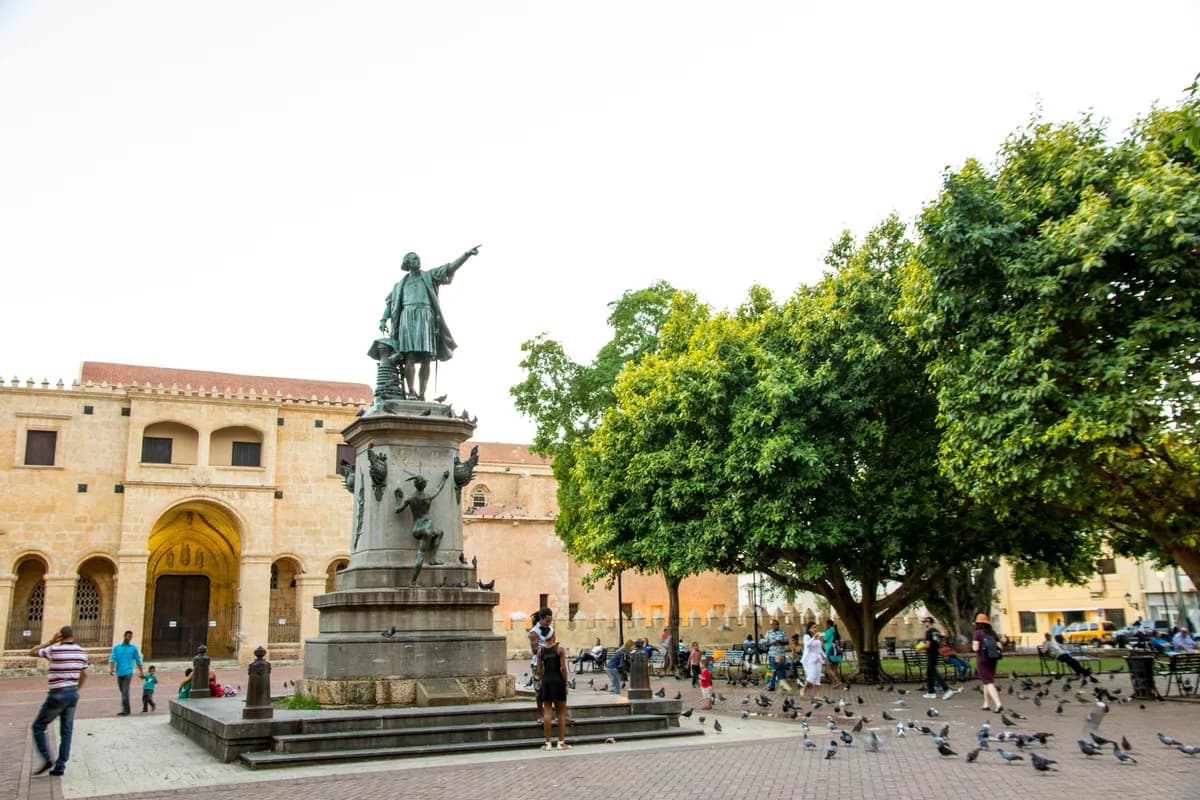
Santo Domingo
This guide covers Santo Domingo. Explore more about this destination.
View DestinationAbout the Author
Alex Borshch
Founder and editor of the Isla365 network. Spent six months living in the Dominican Republic over the 2013-14 winter, and has since wintered in Thailand, Vietnam and Turkey. Writes and edits the guides across the network.