Dominican Republic in August: Hurricanes & Deals
Dominican Republic in August means the approach to the September peak of hurricane season, Restoration Day on August 16, and five-star resorts under US$120 a night.
August in the Dominican Republic is not for the faint of heart. This is the month when hurricane season shifts from background noise to active concern, when the heat and humidity conspire to turn every outdoor walk into a sauna session, and when the island collectively pauses to celebrate Restoration Day on August 16.
It is also the month when a savvy traveler with flexible dates and good travel insurance can score the kind of resort deals that make friends back home jealous. A five-star all-inclusive in Punta Cana for under US$120/night? That happens in August. The question is whether the trade-offs are worth it for you.
August Weather: Hurricane Season Honestly
August is one of the two hottest months in the DR (along with July), and the hurricane season enters its most statistically active phase. Here are the numbers, no spin:
Temperature & Conditions
- Daytime highs: 32-35°C (90-95°F), with heat index frequently exceeding 40°C (104°F)
- Nighttime lows: 24-27°C (75-81°F)
- Humidity: 80-90%, the highest of the year alongside September
- Ocean temperature: 29-30°C (84-86°F), extremely warm
- Rainfall: one of the wetter months, with rain on many days, usually as afternoon downpours
The Hurricane Reality
NOAA data shows that the Atlantic hurricane season peaks between mid-August and mid-October. Direct tropical storm or hurricane impacts on the Dominican Republic are occasional rather than annual. That means in any given August, the statistical probability of your trip being disrupted by a major storm is relatively low, but it is not zero.
The last major hurricane to directly hit the DR was Hurricane Georges in September 1998. Tropical Storm Isaias (2020) and Hurricane Fiona (2022, which hit more severely in the south and east) caused significant disruption. The point is: direct hits are uncommon, but tropical storms and their outer bands can bring heavy rain, rough seas, and flight delays even when the eye passes hundreds of kilometers away.
Restoration Day, August 16
August 16 is Día de la Restauración, one of the most important national holidays in the Dominican Republic. It commemorates the start of the Dominican War of Restoration in 1863, when the country fought to regain independence from Spain after a brief re-annexation.
This is a day off work for the entire country. Government offices, banks, and many businesses close. In Santo Domingo and Santiago, there are civic ceremonies, parades, and cultural events. The Malecón in Santo Domingo often hosts musical performances. Restaurants and bars in tourist areas remain open and are lively, Dominicans celebrate their independence with food, music, and family gatherings.
For tourists, Restoration Day is an opportunity to see the Dominican Republic at its most patriotic. Red, white, and blue flags hang from balconies across the country. If you are in the Zona Colonial, the atmosphere around Parque Independencia and the Puerta del Conde (where Dominican independence was first declared in 1844) is particularly charged with historical significance.
Hurricane Preparedness Guide
If you decide to travel in August, do not skip this section. Preparedness is what separates a smart budget traveler from a reckless one.
Travel Insurance, Non-Negotiable
Buy comprehensive travel insurance that specifically covers:
- Trip cancellation due to named storms (some policies exclude hurricane season, read the fine print)
- Trip interruption and additional accommodation costs if flights are canceled
- Medical evacuation: standard advice for any DR trip, doubly important in storm season
- Cancel for Any Reason (CFAR): the gold standard; costs more but lets you cancel for any reason, including anxiety about a brewing storm
Recommended providers that cover hurricane-season travel: World Nomads, Allianz Global Assistance, and Travel Guard. Get a dated quote for your own trip cost and dates. CFAR is a paid add-on with conditions: buy it within days of your first trip payment, cancel by your policy's deadline, and expect partial rather than full reimbursement.
Monitoring Storms
- Bookmark nhc.noaa.gov: the NOAA National Hurricane Center provides the most authoritative forecasts
- Download the Windy app for real-time weather radar on your phone
- Follow @NHC_Atlantic on social media for real-time advisories
- Check forecasts daily starting one week before departure
Flexible Booking Strategy
- Book hotels with free cancellation up to 24-48 hours before arrival
- Choose refundable airline tickets or book with airlines that offer free storm-related rebooking (JetBlue, Delta, and American typically waive change fees when tropical storm warnings are issued)
- Avoid prepaid, non-refundable packages, the savings are not worth the risk
Risk vs Reward Analysis
Here is the honest calculation:
The Risk
- A real but modest chance of significant weather disruption from tropical systems in any given August
- A good chance of at least one day with heavy extended rain rather than the usual brief afternoon shower
- Rough seas on some days, meaning beach and water activities get canceled
- Potential flight delays of 6-24 hours if a system passes nearby
The Reward
- Hotel prices 35-50% below peak season, we are talking real money saved
- Emptier beaches and resorts than in the winter peak: national occupancy was 68% in August 2026, against roughly 90% in high season
- More personal attention from resort staff
- The Restoration Day cultural experience
- Most August days are still warm, sunny mornings followed by afternoon rain, perfectly workable
The verdict: August is a calculated gamble. If you have travel insurance, flexible dates, and the temperament to shrug off a rainy day at the pool bar, the value is outstanding. If you are spending US$5,000+ on a once-in-a-lifetime honeymoon, pick a dry-season month instead.
One more data point worth considering: the Dominican Republic's tourism infrastructure has weathered decades of hurricane seasons. Resort staff know the drill. Emergency protocols are rehearsed. Generator systems keep the lights and A/C running. If a major system does approach, airlines issue travel waivers and resorts activate guest support plans. You are not alone in this, you are backed by an industry that deals with this annually.
Incredible Price Deals
August delivers some of the lowest prices of the year, not quite as cheap as September (the absolute bottom), but close.
- All-inclusive resorts (Punta Cana): US$90-200/night, that is a five-star resort with meals, drinks, and entertainment for the price of a mid-range U.S. hotel room
- Boutique hotels (Santo Domingo, Las Terrenas): US$50-120/night
- Flights from the U.S.: Round-trip New York to Punta Cana: US$220-380. Miami to Santo Domingo: US$200-300
- Rental cars: US$25-45/day including basic insurance from local agencies
- Excursions: Many tour operators discount group trips by 15-25% due to lower demand
Pro tip: package deals on sites like Costco Travel and Apple Vacations offer all-inclusive Punta Cana packages (flight + hotel + meals + transfers) for as low as US$700-900 per person for 5 nights from East Coast cities in August. That is close to the annual low.
Best Activities for Rainy Days
When the afternoon rain turns into an all-day affair (it happens a few times per month in August), you need backup plans:
- Santo Domingo museums: the Museo del Hombre Dominicano, Museo de las Casas Reales, and Alcázar de Colón are air-conditioned and fascinating
- Cigar factory tours: La Aurora in Santiago offers guided tours of one of the Caribbean's oldest cigar factories
- Dominican cooking classes: learn to make mangú, sancocho, or habichuelas con dulce at cooking schools in Santo Domingo and Punta Cana
- Spa days: resort spas in August run promotions; expect 20-30% off standard rates
- Larimar and amber shopping: the Zona Colonial in Santo Domingo has dozens of jewelry shops selling genuine Dominican larimar and amber
- Rum tasting: Brugal, Barceló, and Ron Bermúdez all offer distillery tours
- Casino nights: major Punta Cana resorts (Hard Rock, Barceló) have full casinos. A fun way to spend a stormy evening
- Chocolate and coffee experiences: cacao and chocolate experiences near Punta Cana (Chocomuseo), the CHOCAL women's cooperative in Altamira on the north coast, and coffee plantation visits in the Cibao highlands make excellent all-day excursions
Honestly, a rainy day in the DR is not a tragedy, it is an excuse to slow down, enjoy a long lunch of sancocho at a local restaurant, and sip a Mamajuana (the DR's herbal rum-and-wine concoction that locals swear cures everything). The rain creates a cozy, communal atmosphere in restaurants and bars that you do not get on a sunny beach day.
Where to Go: Safest Areas
Punta Cana (East Coast)
Punta Cana requires hurricane-season precautions. Major resorts are typically reinforced concrete with hurricane shutters and generator backup, though no published rating certifies a specific storm category, so follow the property's emergency instructions rather than assuming a guaranteed level of protection. The resort corridor has well-established evacuation protocols. If a storm is coming, the resorts take care of everything from boarding up windows to moving guests to interior corridors.
The east coast also benefits from slightly more predictable weather patterns in August. The afternoon showers tend to be shorter and the mornings reliably sunny. Bávaro Beach and the Cap Cana area offer the best August beach days, get out early, enjoy the sand until noon, then retreat to the resort pool or spa when the clouds build.
Santo Domingo
Santo Domingo is a coastal capital city on the Caribbean Sea. Hotels in the Zona Colonial and Piantini are solid structures, and the city recovers quickly from tropical weather. Plus, you get Restoration Day celebrations and the tail end of the merengue festival season.
The capital is also your best option for rainy-day activities. Museums, cigar lounges, shopping malls, cooking classes, and a deep dining scene mean you are never bored even if it rains for two straight days. The Zona Colonial has dozens of air-conditioned restaurants and bars within walking distance of each other, Calle El Conde and the side streets around Parque Colón are your rainy-afternoon playground.
Bayahíbe & La Romana
The southeast coast around Bayahíbe offers quieter resorts with excellent snorkeling at Isla Catalina and Isla Saona when seas cooperate. La Romana is home to Casa de Campo, one of the Caribbean's premier luxury resorts, where the Teeth of the Dog golf course and Altos de Chavón (a recreated Mediterranean village) provide activities when weather permits. This area tends to be drier than the north coast in August.
What to Pack
- Rain gear: compact umbrella AND a lightweight rain jacket, you will use both
- Waterproof bag for electronics and documents
- Quick-dry everything: nothing dries in 85% humidity
- DEET insect repellent: mosquitoes peak during wet months
- Printed copies of insurance policy and emergency numbers
- Portable battery pack: if power goes out (rare at resorts, possible in independent hotels), your phone is your lifeline
- Light layers for A/C: restaurants and malls crank the air conditioning to arctic levels
Pros & Cons
Pros
- Hotel prices 35-50% below peak season, genuine luxury at budget prices
- Restoration Day (August 16) patriotic celebrations
- Fewer crowds, beaches, pools, and restaurants feel private
- Warm ocean water, lush tropical greenery
- Personalized attention from resort staff
Cons
- Hurricane season is entering peak phase, real, if statistically manageable, risk
- Extreme heat and humidity make outdoor activities exhausting
- More frequent and sometimes heavier rain than July
- Some excursion operators reduce schedules or cancel trips during rough weather
- Anxiety about storms can undermine your relaxation if you are a worrier
Frequently Asked Questions
Should I travel to the Dominican Republic in August?
It depends on your risk tolerance and budget priorities. If you have comprehensive travel insurance, flexible booking, and a relaxed attitude about weather, August offers outstanding value with hotel prices 35-50% below peak season. If weather certainty is important to you, for a honeymoon, family reunion, or once-in-a-decade trip, book a dry-season month instead.
What is Restoration Day and how does it affect tourists?
Restoration Day (Día de la Restauración) on August 16 is a major Dominican national holiday celebrating the 1863 War of Restoration against Spain. Banks and government offices close, but tourist areas, resorts, and most restaurants stay open. You may see parades and celebrations in Santo Domingo and Santiago. It adds cultural richness to your trip and has minimal negative impact on tourist activities.
Is travel insurance mandatory for visiting the DR in August?
It is not legally required, but it would be foolish to skip it during hurricane season. Premiums scale with your insured trip cost, age and dates, so get a quote rather than working from a flat figure. Look for policies that specifically cover named-storm cancellations, some budget policies exclude hurricane season events. Cancel for Any Reason (CFAR) add-ons provide maximum flexibility.
Facts on this page were last checked against their sources on . How we check
Table of Contents
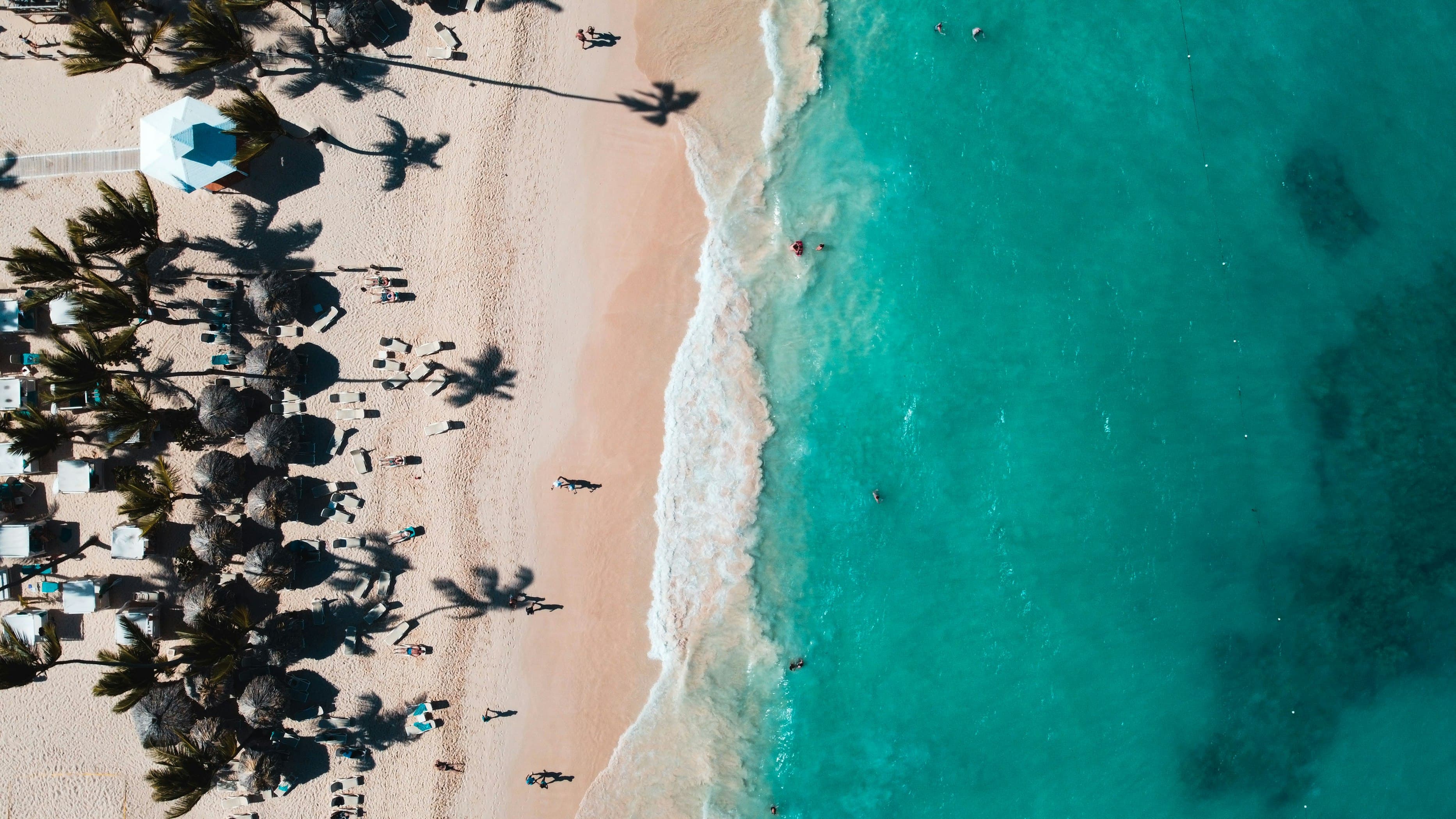
Punta Cana
This guide covers Punta Cana. Explore more about this destination.
View DestinationAbout the Author
Alex Borshch
Founder and editor of the Isla365 network. Spent six months living in the Dominican Republic over the 2013-14 winter, and has since wintered in Thailand, Vietnam and Turkey. Writes and edits the guides across the network.