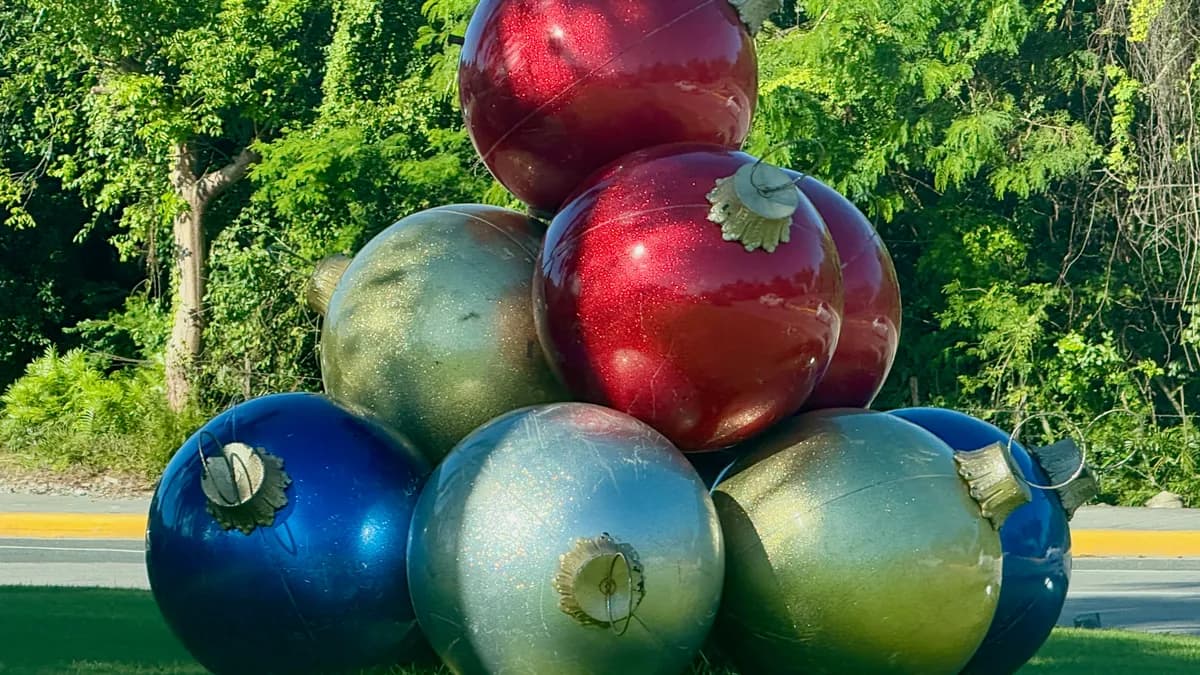
Dominican Republic in December: Christmas & Peak Season
Dominican Republic in December delivers the year's best weather, Nochebuena and Angelito traditions, and the start of peak-season pricing.
December in the Dominican Republic is the island at its most irresistible. The rainy season is a memory. The trade winds blow steadily, keeping humidity in check. The sky is a deep, cloudless blue that photographers dream about. And across the country, from the smallest campo village to the Malecón in Santo Domingo, the Dominican Christmas season brings a warmth that has nothing to do with the weather.
This is also peak season, with peak prices. December is the most expensive month to visit the DR, and the Christmas-to-New-Year window is the priciest stretch of the entire year. But if you can budget for it, or if you time your trip strategically for early December, you get the best weather on the planet combined with cultural celebrations that make a Dominican Christmas genuinely unforgettable.
December Weather: Perfect
There is no equivocation here. December weather in the Dominican Republic is close to perfect. This is the month that earned the country its Caribbean reputation.
Temperature & Conditions
- Daytime highs: 28-30°C (82-86°F), warm but not oppressive, with the trade winds providing a constant natural breeze
- Nighttime lows: 20-23°C (68-73°F), genuinely pleasant evenings that feel luxurious after months of sticky tropical heat
- Humidity: humidity remains a factor, though it is most intense from April to October
- Ocean temperature: 26-27°C (79-81°F), slightly cooler than summer but still invitingly warm
- Rainfall: among the drier months across most of the island
- Sunshine: 7-8 hours of direct sunshine per day
The only caveat: the north coast around Puerto Plata has its own weather pattern and can experience some rain in December, and December can still bring substantial rain there. Punta Cana, Santo Domingo, La Romana, and Samaná are usually dry and gorgeous, though Samaná keeps its own wetter microclimate.
Dominican Christmas Traditions
Dominican Christmas (Navidad) is a season, not a day. The celebrations begin in early December and build to a crescendo on Nochebuena (Christmas Eve) and Christmas Day, then continue through January 6 (Día de los Reyes Magos). It is one of the most communal Christmas celebrations in the Caribbean.
Nochebuena, Christmas Eve
Nochebuena is THE Dominican holiday, bigger than Christmas Day itself. Families gather for an enormous meal that typically includes roasted pork leg (pernil or pierna de cerdo), rice with gandules (pigeon peas), ensalada rusa (a Dominican potato salad), pasteles en hoja (similar to tamales, wrapped in banana leaves), and telera or pan de agua to soak up the juices. Dessert is often dulce de leche or turrón.
The celebration runs late, midnight is when gifts are opened, fireworks explode across the sky, and the neighborhood comes alive with music. In cities and towns, people spill into the streets after midnight, and the colmados turn into impromptu dance floors with merengue and bachata blasting until dawn.
Angelito
Angelito is the Dominican version of Secret Santa, played among families, friend groups, and coworkers throughout December. Participants draw names and exchange anonymous small gifts, notes, and treats throughout the month, building up to a final reveal and gift exchange. If your hotel staff or tour guides mention "Angelito," they are talking about this tradition, and they may playfully recruit you into the game.
Parrandas
Parrandas (also called asaltos navideños) are roving groups of friends and neighbors who travel house to house singing aguinaldos (Dominican Christmas carols), playing güira, tambora, and guitar. When a parranda arrives at your door, the tradition is to welcome them in with food and drink, then join the group as they move to the next house. In Santo Domingo neighborhoods like Gazcue and Villa Consuelo, parrandas are a beautiful, spontaneous expression of community.
El Día de los Reyes Magos, January 6
The Dominican Christmas season does not end on December 25. It continues to January 6, Three Kings Day, when children traditionally receive gifts from the Magi (rather than Santa Claus). If you are in the DR in early January, you will see parades and celebrations in towns across the country, particularly in the Zona Colonial in Santo Domingo.
New Year's Eve Celebrations
Dominican New Year's (Año Nuevo) is celebrated with the same exuberance as Nochebuena. The Malecón in Santo Domingo hosts a massive public celebration with live music stages, fireworks, and tens of thousands of revelers. Resorts in Punta Cana throw gala dinners and beach parties with live entertainment.
Where to Celebrate
- Santo Domingo Malecón: the biggest public party on the island. Free, chaotic, and unforgettable. Recent editions have started their stage programme around 9pm, so check the organiser's announcement for your year and arrive early to claim a spot. Midnight fireworks over the Caribbean Sea are spectacular
- Punta Cana resorts: all-inclusive resorts hold themed gala dinners (often at a US$50-150/person surcharge). Beach-side countdown with champagne and DJ sets
- Zona Colonial private events: boutique hotels and restaurants host more intimate New Year's dinners with live music. Book well in advance
- Cabarete beach bars: the surf town vibe translates into a more relaxed, international New Year's with bonfires on the beach and live music
Dominican New Year Traditions
Dominicans wear yellow for good luck and prosperity in the new year (you will see entire families dressed in gold and yellow on December 31). Eating 12 grapes at midnight, one for each stroke of the clock, is a tradition borrowed from Spain. Running around the block with a suitcase at midnight is supposed to bring travel in the new year. And cleaning the house thoroughly on December 31 symbolizes sweeping out the old year's troubles.
Peak Season Pricing
December is the most expensive month to visit the Dominican Republic. Here are the real numbers:
Early December (Dec 1-15)
- All-inclusive resorts (Punta Cana): US$220-400/night
- Boutique hotels: US$100-250/night
- Flights (NYC to PUJ): US$320-500 round-trip
Christmas/New Year (Dec 20-Jan 3)
- All-inclusive resorts (Punta Cana): US$350-600+/night, the absolute highest rates of the year
- Boutique hotels: US$180-400/night
- Flights (NYC to PUJ): US$450-750+ round-trip
- Many resorts add mandatory holiday surcharges: US$50-150/person for Christmas Eve dinner, New Year's gala, etc.
- Minimum stay requirements: some resorts enforce 5-7 night minimums over the holiday window
The December Money-Saving Play
If your dates are flexible, the first two weeks of December offer 95% of the weather quality at 40-50% less than Christmas week. Fly in December 1-5, leave by December 14-15, and you get peak-season weather with shoulder-to-early-peak pricing. This is the move that experienced DR travelers make.
When to Book
December bookings, especially for the Christmas-New Year window, follow a predictable pattern:
- 6-9 months ahead (March-June): best selection of rooms, early-bird pricing at some resorts. Top-tier suites and oceanfront rooms start selling out
- 3-5 months ahead (July-September): still good availability for standard rooms. Prices firming up but deals still possible
- 1-2 months ahead (October-November): limited availability at popular resorts. Flight prices near peak. Last-minute flexibility is minimal
- Less than 1 month: you are paying premium prices and may not get your preferred resort. Last-minute December deals are extremely rare
For Christmas and New Year specifically: book by August at the latest. The best rooms at top resorts (Tortuga Bay, Eden Roc, Excellence Carmen Punta Cana) sell out 4-6 months in advance.
Where to Go in December
Punta Cana, The Classic Choice
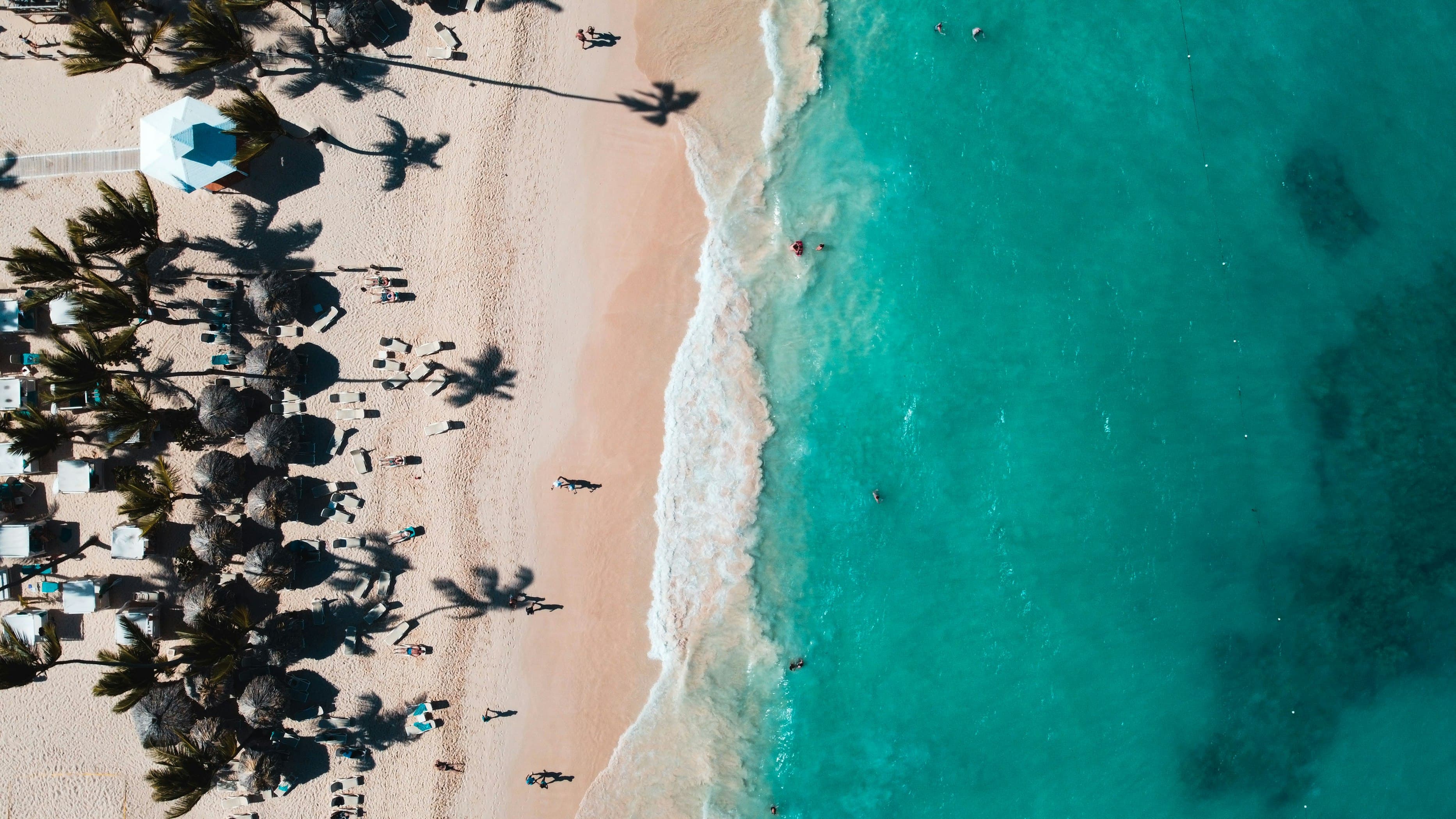
Punta Cana is December's most popular destination for good reason: perfect beach weather, massive resort infrastructure, direct flights from everywhere, and a holiday atmosphere that starts at the airport. Bávaro Beach is at its best, calm turquoise water, minimal rain, and golden morning light that is worth waking up for.
Santo Domingo, For Culture & Christmas Spirit
Santo Domingo delivers an authentic Dominican Christmas that resort tourists never experience. Walk the Zona Colonial during December and you will see Christmas lights strung across colonial-era buildings, hear aguinaldos sung by parrandas in the streets, and smell pernil roasting in homes throughout the barrios. Baseball games at Estadio Quisqueya are electrifying as the regular season reaches its climax.
December 2026 adds one more reason: Festival Presidente returns on 11 and 12 December at the Centro Olímpico Juan Pablo Duarte, the country's biggest ticketed music festival and its first edition since 2017. Expect hotel demand in the capital to spike that weekend.
Samaná, For Romance & Nature
Samaná in December is quiet, green, and romantic. The early humpback whales begin arriving in Samaná Bay in late December (the official whale watching season runs 15 January to 31 March), and lucky visitors may spot the first arrivals from shore. Las Terrenas and Las Galeras offer a laid-back alternative to the resort intensity of Punta Cana.
Activities & Experiences
- Dominican Christmas experiences: attend a Nochebuena celebration (some hotels and cultural organizations arrange tourist-friendly events), try pernil and pasteles en hoja at local restaurants, and shop at holiday markets in the Zona Colonial
- LIDOM baseball: the regular season reaches its December climax before the playoff round-robin, which can begin in late December. Rivalry games are intense
- Whale watching preview: the first humpbacks arrive in Samaná Bay in late December. Authorised boat tours only run once the season opens on 15 January
- Beach days: this is the best beach weather of the year. Playa Rincón, Bávaro Beach, and Playa Grande are all at their most photogenic
- Island excursions: day trips to Isla Saona, Isla Catalina, and Los Haitises National Park operate at full capacity in December with reliable weather
- Golf: the DR's world-class golf courses (Teeth of the Dog at Casa de Campo, Punta Espada, Corales) are in peak condition with December weather
What to Pack
- Light summer clothing: 28-30°C days call for shorts, sundresses, and breathable fabrics
- One light jacket or sweater: December evenings at 20-23°C can feel surprisingly cool, especially with the trade winds. Restaurant patios by the water can be breezy
- Dressy casual outfit: for Christmas Eve dinner, New Year's gala, or upscale Zona Colonial restaurants. Men: linen pants and a collared shirt. Women: a nice dress
- SPF 50+ sunscreen: the December sun is deceptively strong. The pleasant breeze masks the UV intensity
- Swimwear: you will use it every day
- Camera: December light in the DR is gorgeous, golden hours are warm and long
- Yellow clothing for New Year's Eve: if you want to blend in with Dominican tradition
Pros & Cons
Pros
- The best weather of the year, dry, warm, low humidity, consistent sunshine
- Dominican Christmas traditions (Nochebuena, parrandas, Angelito) create magical cultural immersion
- New Year's Eve celebrations on the Malecón are unforgettable
- Hurricane risk at its lowest, with the official season ending on 30 November
- Baseball season at its most intense
- The first humpbacks reach Samaná in late December, ahead of the 15 January season opening
- Beautiful low-angle golden-hour light around the December solstice
Cons
- Highest prices of the year, especially Christmas through New Year
- Most crowded month; beaches and resorts at or near capacity
- Must book well in advance, last-minute flexibility is almost impossible
- Holiday surcharges at resorts add to already elevated costs
- Airport congestion and longer immigration lines at PUJ and SDQ
- Traffic in Santo Domingo is worse than usual with holiday shopping and events
Frequently Asked Questions
How much does a December trip to the Dominican Republic cost?
Early December (Dec 1-15) runs US$220-400/night for all-inclusive resorts and US$320-500 for round-trip flights from the U.S. The Christmas-New Year window (Dec 20-Jan 3) jumps to US$350-600+/night with flights at US$450-750+. A couple can expect to spend US$3,000-6,000 for a week-long all-inclusive trip during the holidays, or US$2,000-4,000 in early December. The first two weeks of December offer the best value for peak-season weather.
What are Dominican Christmas traditions tourists can experience?
The biggest is Nochebuena (Christmas Eve), the main celebration with feasting, fireworks, and street parties at midnight. Parrandas, roving groups singing aguinaldos (Christmas carols) from house to house, are common in December neighborhoods. Angelito (Dominican Secret Santa) may include you if you are staying at locally-run properties. Many resorts and cultural organizations arrange Nochebuena celebrations open to tourists. On the food side, try pernil (roasted pork), pasteles en hoja, and telera at local restaurants throughout December.
Should I book early December or Christmas week?
Early December (Dec 1-15) is the better value play. The weather is virtually identical to Christmas week, but prices are 40-50% lower, crowds are manageable, and you still get the festive Dominican Christmas atmosphere building across the island. Christmas week is worth the premium if experiencing Nochebuena and the New Year's Eve Malecón celebration are priorities for you, those are genuinely once-in-a-lifetime cultural experiences.
Facts on this page were last checked against their sources on . How we check
Table of Contents
Punta Cana
This guide covers Punta Cana. Explore more about this destination.
View DestinationAbout the Author
Alex Borshch
Founder and editor of the Isla365 network. Spent six months living in the Dominican Republic over the 2013-14 winter, and has since wintered in Thailand, Vietnam and Turkey. Writes and edits the guides across the network.