Solo Female Travel Guide to the Dominican Republic
Solo female travel guide to the Dominican Republic with safety tips, machismo and piropo culture, safe neighborhoods, and night transport advice.
Let us skip the sugar-coated version. Solo female travel in the Dominican Republic is absolutely doable, thousands of women do it every year and have wonderful experiences. It is also a destination that requires more awareness, more street smarts, and more cultural understanding than, say, Iceland or Japan. The DR is a Caribbean country with a strong machismo culture, where catcalling is normalized and male attention toward foreign women is persistent. None of that means you should not come. It means you should come prepared.
This guide is written with input from women who have traveled solo in the DR, short trips and long stays, resorts and backpacker routes, cities and rural areas. The goal is not to scare you or to pretend everything is perfect. It is to give you the honest information you need to travel confidently, set boundaries clearly, and enjoy one of the most beautiful, music-filled countries in the Caribbean.
Is It Safe? The Honest Answer
The short answer: yes, with caveats. The Dominican Republic is not inherently dangerous for solo female travelers, but it demands a higher level of situational awareness than some other destinations. The US State Department rates it Level 2 ("Exercise Increased Caution"), the same level as France, the UK, and most of Europe. Violent crime against tourists is rare. What you will encounter frequently is verbal harassment, persistent sales pitches, and unwanted male attention: annoying and sometimes intimidating, but generally not threatening.
The POLITUR (Dirección Central de Policía de Turismo) is the dedicated tourist police force. They patrol resort areas, the Zona Colonial in Santo Domingo, and major tourist zones. Their presence is visible and they are generally responsive. Save their number: 809-200-3500. In genuine emergencies, dial 911.
Context matters enormously. A solo woman at an all-inclusive resort in Punta Cana will have a fundamentally different experience than one backpacking through rural villages in the southwest. Both are possible; they require different preparation.
Cultural Context: Machismo & Piropos
Understanding Dominican culture is not about excusing bad behavior, it is about knowing what to expect so you can respond effectively. The Dominican Republic has a deeply rooted machismo culture. Men are socially conditioned to be forward, vocal, and persistent in their attention toward women. This manifests most visibly as piropos, catcalls that range from poetic compliments ("Dios te bendiga, mi reina", God bless you, my queen) to vulgar commentary.
For many Dominican men, calling out to a woman on the street is not considered harassment, it is considered flattery. You do not have to agree with this cultural framework, but understanding it helps you calibrate your reaction. The most effective response is no response. Do not make eye contact, do not smile politely, do not engage. Walk with purpose and confidence. Dominican women themselves often use this exact strategy.
Important distinction: verbal piropos on the street, while uncomfortable, rarely escalate to physical aggression. If someone follows you, enters your space, or touches you, that crosses a clear line, seek help from nearby businesses, other women, or police. Dominican culture has a strong protective instinct, and locals will generally intervene if they see a woman in genuine distress.
Safest Neighborhoods & Areas
Santo Domingo
Stick to Zona Colonial (well-patrolled, full of tourists and restaurants), Piantini (upscale, modern, safe at night), Naco (residential, well-lit), and Gazcue (quieter, bohemian, close to the Malecón). Avoid walking alone in Villa Juana, Cristo Rey, Capotillo, and Los Guandules: especially after dark. The Malecón waterfront is wonderful for sunset walks but use Uber to get home after 10 PM.
Punta Cana
The resort zone along Bávaro Beach still requires caution: assaults and sexual aggression against foreigners have occurred at beach resorts. Outside the resort gates, the town of El Cortecito is walkable during the day. Avoid the stretch of highway between the airport and the hotel zone at night on foot.
Samaná / Las Terrenas
Las Terrenas is popular with solo female travelers, it is small, walkable, and has a large European expat community that creates a cosmopolitan safety net. The main street (Calle Duarte) is active until late. Las Galeras, at the tip of the peninsula, is even quieter and has a tight-knit backpacker community.
Puerto Plata / Cabarete
Cabarete's main beach road is safe and social, full of restaurants and bars. Puerto Plata city requires more caution, stick to the waterfront and main commercial areas during the day. Sosúa has a sex tourism reputation that creates an uncomfortable dynamic for solo women; many female travelers choose to skip it.
Transportation Safety
- Uber / InDriver: Your safest option in Santo Domingo and Punta Cana. Available, reliable, and you have a digital record of your driver and route. Always confirm the license plate matches the app.
- Taxis: Use radio taxis or hotel-arranged taxis. Never hail a random taxi on the street. Negotiate the fare before getting in. For solo women, sit in the back seat.
- Guaguas (public buses/minivans): Budget-friendly (RD$25-50 per ride within a city) and used by millions of Dominicans daily, including women. They are crowded, chaotic, and generally safe during the day. Avoid taking public transportation at night.
- Motoconchos (motorcycle taxis): Common but risky. They are cheap (RD$25-50 for short rides) but helmets are rarely provided, drivers sometimes drive aggressively, and as a solo woman passenger, you are physically close to a stranger. Many solo female travelers avoid them entirely, and we concur with that choice.
- Rental cars: A great option for independence, especially on the Samaná peninsula or north coast. Driving in Santo Domingo is aggressive and stressful. Outside the capital, roads are manageable. Keep windows up and doors locked in urban areas.
Where to Stay Solo
Hotels with Good Solo Female Reviews
Look for properties that specifically mention solo traveler amenities: 24-hour front desk, in-room safes, well-lit entrances, and female staff. In Santo Domingo, Casas del XVI (Zona Colonial, from US$150/night) is a boutique hotel in restored colonial houses with attentive security. Hotel & Boutique La Residence (Gazcue, from US$65/night) is affordable, well-reviewed by solo women, and centrally located.
Hostels
The DR's hostel scene is growing but small. Island Life Hostel in Santo Domingo's Zona Colonial and Hostel Caribe in Zona Colonial both have female-only dorm options. Hostels are excellent for meeting other travelers, and the communal environment provides built-in safety, you always have people to go out with.
Airbnb
Popular for longer stays. Read reviews carefully, specifically reviews from solo female guests. Choose Superhosts with multiple reviews. Look for properties with secure entry (key code or doorman, not meeting a stranger with a key). Communicate through the app, not WhatsApp, until you have checked in.
All-Inclusive Resorts
For first-time solo female visitors to the DR, an all-inclusive in Punta Cana is the lowest-stress option. Everything is contained, security is present, and you can day-trip to outside attractions while returning to a safe base. Secrets Resorts and Excellence Punta Cana are popular with solo travelers and couples. Yes, you will pay more than an independent trip, but the convenience has real value for building confidence before exploring further.
Meeting Other Travelers
Solo does not mean alone unless you want it to. The DR's tourist infrastructure makes it easy to connect:
- Group tours: Whale watching in Samaná, 27 Waterfalls in Puerto Plata, and Zona Colonial walking tours are all social activities where you will meet fellow travelers.
- Hostel common areas: The universal meeting ground for solo travelers.
- Facebook groups: "Solo Female Travel Dominican Republic" and "Expats in DR" are active communities for meetups and advice.
- Dance classes: Bachata and merengue lessons in Santo Domingo or Cabarete are social by nature and dominated by other visitors. See our merengue and bachata guide for school recommendations.
- Coworking spaces: If you are working remotely, spaces like Selina Las Terrenas and Impact Hub Santo Domingo attract a friendly, international crowd.
Night Safety
Dominican nightlife is incredible, the music, the dancing, the energy, but it requires common sense:
- Go out with a group whenever possible. Even one other person changes the dynamic significantly.
- Watch your drinks. Drink spiking happens everywhere in the world, including the DR. Order your own drinks, keep them in hand, and never accept an open drink from a stranger.
- Uber home. Always. No exceptions after midnight. Do not walk back to your hotel alone after a night out in Santo Domingo or Cabarete.
- Know when to leave. Dominican clubs get rowdier as the night goes on. The 11 PM to 1 AM window is usually the sweet spot, good energy, manageable crowds. After 2 AM, alcohol levels rise and situations become less predictable.
- Trust your instincts. If a venue feels wrong, leave. If a person makes you uncomfortable, walk away without explanation. You owe no one politeness at the expense of your safety.
Dress Code Reality
Here is the truth that some travel blogs will not tell you: what you wear will not prevent catcalling. Dominican women themselves dress in tight-fitting, colorful, often revealing clothing and receive piropos daily. Covering up does not make you invisible, being a foreign woman is what draws attention, not your outfit.
That said, dressing modestly can slightly reduce the volume of attention in non-touristy areas and is respectful when visiting churches or rural communities. On the beach, bikinis are normal and expected. In cities, Dominican women wear whatever they want, and so can you. The key is not what you wear but how you carry yourself: confident, purposeful, and unbothered.
What NOT to Do
- Do not walk alone on empty beaches after dark. Beautiful as they are, isolated beaches at night are risky everywhere in the Caribbean.
- Do not share your hotel name or room number with strangers. If someone asks where you are staying, be vague: "near the center" or "at a friend's place."
- Do not leave belongings visible in a parked car. Smash-and-grab theft is opportunistic and preventable.
- Do not flash expensive jewelry, cameras, or phones on the street. Keep your phone in a crossbody bag, not in your hand while walking.
- Do not get into a car with someone you just met at a bar. This applies worldwide but bears repeating.
- Do not engage with aggressive street vendors or men who follow you. A firm "no gracias" and continued walking is all that is needed. Engagement, even angry engagement, is interpreted as an opening.
Empowering Tips
Solo female travel in the DR is not about minimizing yourself. It is about maximizing your experience while being smart:
- Learn key Spanish phrases: "Déjame tranquila" (leave me alone), "No me interesa" (I am not interested), "Tengo esposo" (I have a husband, yes, it works even if fictional), and "Llama la policía" (call the police).
- Connect with Dominican women. They are warm, funny, and fierce. Strike up conversations at markets, restaurants, and hair salons (salones de belleza are social hubs). Dominican women will look out for you once you are in their circle.
- Support women-owned businesses. Look for female guides, female-owned guesthouses, and women's cooperatives. In Samaná, many whale watching operators employ female guides. In Santo Domingo, the Zona Colonial has several women-owned boutiques and restaurants.
- Download offline maps (Google Maps or Maps.me). You can navigate without holding your phone up on the street.
- Share your itinerary. Tell a friend or family member your daily plans. Use WhatsApp location sharing. It is not paranoia, it is smart practice.
- Trust the experience. The vast majority of solo female travelers in the DR report positive experiences. The hassles are real, but so are the rewards, the spontaneous dance parties, the old ladies in colmados who feed you, the sunsets, the whale breaches, the sense of accomplishment that comes from navigating a new country on your own terms.
Frequently Asked Questions
Is the Dominican Republic safe for solo female travelers?
Yes, with preparation and awareness. The DR is comparable in safety to other Caribbean and Latin American destinations. Violent crime against tourists is rare, but verbal harassment (catcalling, persistent flirtation) is common. Stick to well-traveled areas, use rideshare apps at night, and stay connected with other travelers. The resort zones of Punta Cana are the safest starting point; the Zona Colonial in Santo Domingo and Las Terrenas in Samaná are popular with experienced solo female travelers.
Should I avoid Sosúa?
Many solo female travelers choose to skip Sosúa because of its reputation as a sex tourism destination. The main strip (Pedro Clisante street) has a transactional atmosphere that can feel uncomfortable for women traveling alone. The beaches are beautiful, but nearby Cabarete (15 minutes east) offers a similar north coast experience with a much more welcoming vibe for solo women. If you do visit Sosúa, the beach area during the day is fine, it is the nightlife that is problematic.
How do I handle catcalling in the DR?
The most effective strategy is no engagement. Do not make eye contact, do not smile, do not respond, positive or negative. Walk with purpose and confidence. Sunglasses help avoid eye contact. If someone follows you or touches you, enter the nearest business, approach other women for help, or call POLITUR (809-200-3500). Saying "déjame tranquila" (leave me alone) firmly usually ends the interaction. The key psychological shift: piropos are about the caller, not about you. They are performing for themselves and their friends, not genuinely trying to start a conversation.
Facts on this page were last checked against their sources on . How we check
Table of Contents
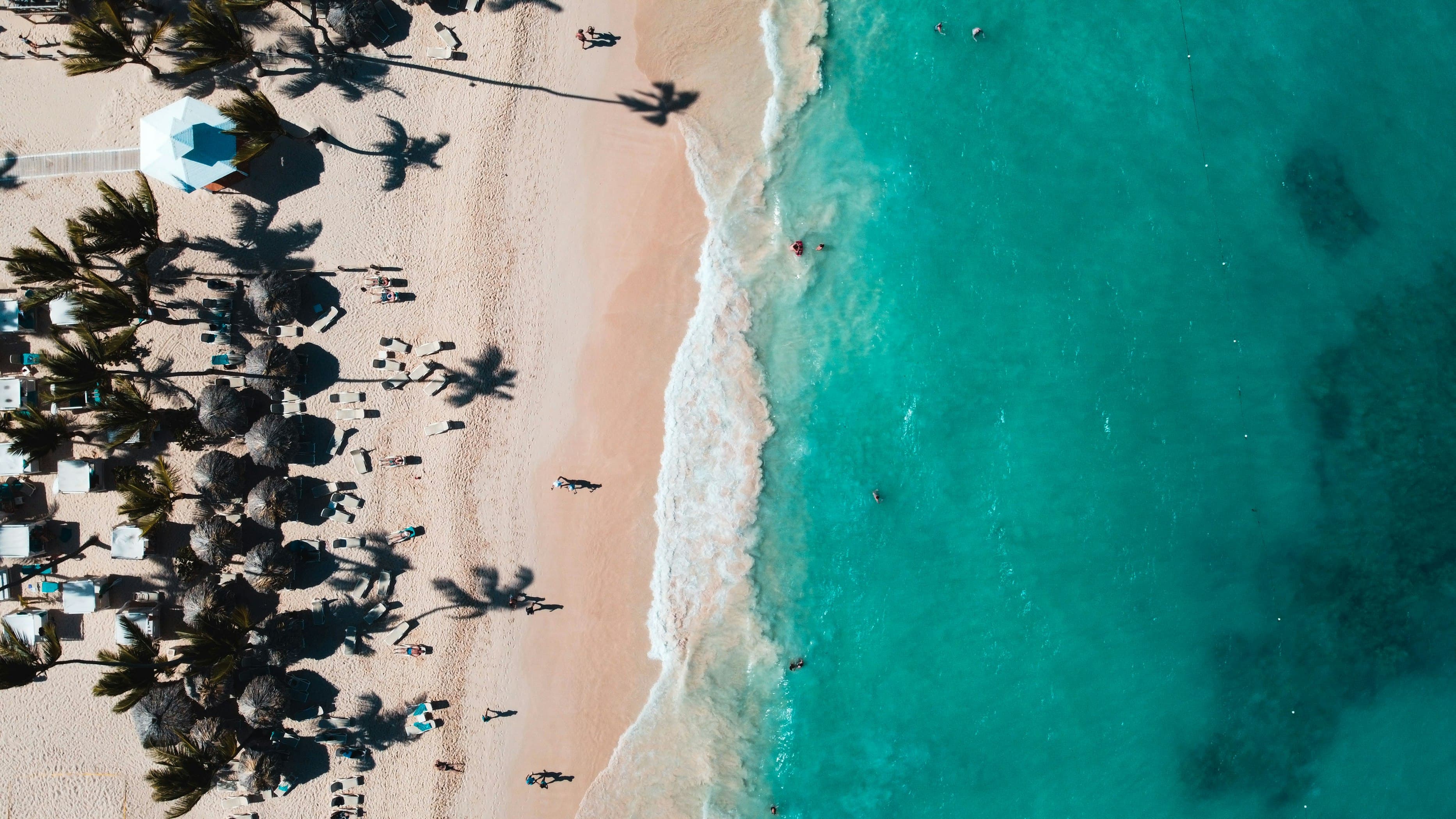
Punta Cana
This guide covers Punta Cana. Explore more about this destination.
View DestinationAbout the Author
Alex Borshch
Founder and editor of the Isla365 network. Spent six months living in the Dominican Republic over the 2013-14 winter, and has since wintered in Thailand, Vietnam and Turkey. Writes and edits the guides across the network.