Dominican Republic on $50/Day: Budget Travel Guide
Yes, you can travel the Dominican Republic on $50/day: $20 hostels, $3 local dishes, $6 beach day, $10 transport. Tested 2026 backpacker itinerary.
Here is a statement most travel blogs will not make: the Dominican Republic is one of the cheapest Caribbean destinations on the planet, and you can absolutely travel here on US$50 a day, not surviving, but genuinely enjoying yourself. Cold Presidente beers at sunset. Fresh seafood on the beach. Guagua rides through mountain valleys. Public beaches that rival any resort strand. All for the cost of a mediocre dinner in Miami.
The secret is simple: skip the all-inclusive resort bubble and live like Dominicans live. Eat at comedores (local restaurants), ride guaguas (public minibuses), stay in guesthouses and hostels, and discover that the best parts of this country, the music, the beaches, the people, the culture, are either free or absurdly cheap. This guide breaks down exactly how to do it, with real 2026 prices in both Dominican pesos (RD$) and US dollars.
The $50/Day Budget: Is It Real?
Yes. Here is the daily breakdown that makes it work:
- Accommodation: US$12-20 (hostel dorm or budget guesthouse)
- Food (3 meals + snacks): US$10-15
- Transportation: US$3-8
- Activities/entrance fees: US$0-10
- Miscellaneous (SIM data, water, tips): US$3-5
- Daily total: US$28-58, averaging US$40-50
Some days you will spend US$30 (beach day with comedor meals), and some days you will hit US$60 (excursion day). Over a week, it averages out to roughly US$50/day. This budget assumes you are not drinking heavily at tourist bars (a Presidente at a colmado is RD$100/US$1.70; the same beer at a beach bar is RD$300/US$5). It also assumes you are willing to eat where Dominicans eat, travel how Dominicans travel, and sleep in simple but clean accommodation.
Where to Sleep Cheap
Hostels (US$10-22/night)
The Dominican hostel scene has grown significantly since 2020. Key picks:
- Island Life Hostel (Santo Domingo, Zona Colonial): Dorm beds from around US$15/night in a restored colonial building on Calle Isabel La Catolica, a block and a half from Plaza Espana.
Budget Guesthouses / Posadas (US$18-35/night)
For private rooms, look for posadas (guesthouses) or apartahoteles (apartment hotels) in non-touristy neighborhoods. In Santo Domingo, areas like Gazcue and the edges of Zona Colonial have private rooms for US$20-30/night. In Puerto Plata and smaller towns, clean private rooms with fans (not AC) start at US$15-20/night. Ask for "una habitacion sencilla con bano" (a simple room with bathroom).
Airbnb Monthly Deals
If you are staying a month, Airbnb monthly discounts transform the math. One-bedroom apartments in Cabarete, Sosua, or Las Terrenas go for US$400-600/month, that is US$13-20/night with your own kitchen, which cuts food costs dramatically. In Santo Domingo, expect US$500-750/month for a furnished studio in a decent neighborhood.
Pro Tip: Negotiate in Person
In smaller towns, walk around and ask at guesthouses directly. Prices are often 20-30% cheaper than what is listed on Booking.com because there are no commissions involved. Say "Cuanto cuesta una habitacion por noche?" (How much for a room per night?) and negotiate from there.
How to Eat for Under $5
Food is where the DR absolutely dominates other Caribbean islands on budget. The local food infrastructure, comedores, colmados, street vendors, exists to feed working Dominicans for prices that will make your jaw drop.
Comedores (US$2-5 per meal)
A comedor is a local restaurant, usually a small open-front kitchen with plastic tables and a handwritten menu board. The standard lunch is La Bandera Dominicana (the Dominican flag): rice, red beans, stewed meat (chicken, beef, or goat), and a side salad. This costs RD$150-300 (US$2.50-5) depending on location and meat choice. It is a full, filling meal. Look for the ones packed with locals, that is your quality signal. Read more about Dominican cuisine in our La Bandera guide.
Street Food (US$1-3)
- Chimichurri (Dominican burger): RD$100-200 (US$1.70-3.40). A seasoned beef or pork patty in a soft bun with shredded cabbage, tomato, and a tangy mayo-ketchup sauce. Available from roadside carts (chimis) everywhere, especially at night.
- Empanadas (catibias or pastelitos): RD$25-50 each (US$0.40-0.85). Fried turnovers filled with beef, chicken, or cheese. Buy three for a cheap, filling snack.
- Yaroa: RD$150-250 (US$2.50-4.20). The Dominican loaded fries, French fries topped with stewed chicken or beef, cheese, ketchup, and mayo. Gloriously unhealthy and devastatingly cheap.
- Fresh fruit: RD$50-100 (US$0.85-1.70) for a bag of sliced mango, pineapple, or passion fruit from street vendors.
Colmado Snacks & Meals
The colmado (corner store) is the heartbeat of Dominican neighborhoods. Beyond groceries, many colmados sell prepared food, sandwiches, and fried snacks. A Presidente beer at the colmado costs RD$80-120 (US$1.35-2). A bag of chaca (sweet corn pudding) is RD$50 (US$0.85). Some colmados have a hot food counter with rice, beans, and chicken for RD$100-150 (US$1.70-2.50).
Cooking Your Own
If your accommodation has a kitchen, visit a local mercado (market). At the Mercado Modelo in Santo Domingo or any town market, you can buy enough fruit, vegetables, rice, beans, and chicken for a full day of meals for under RD$300 (US$5). Supermarkets (Nacional, Bravo, Jumbo) are 20-30% more expensive than markets but still cheap by Caribbean standards.
Transportation on Pennies
Guaguas, The Budget Traveler's Best Friend
Guaguas are the public minibuses that connect every town in the Dominican Republic. They are cheap, frequent, and an experience unto themselves. Expect loud bachata music, a cobrador (fare collector) hanging out the door, and a complete cross-section of Dominican society as your fellow passengers.
- Within cities: RD$25-50 (US$0.40-0.85) per ride
- Santo Domingo to Santiago (2.5 hours): RD$350 (US$6) via Caribe Tours or Metro
- Santo Domingo to Samana (3.5 hours): RD$400-500 (US$7-8.50)
- Santo Domingo to Puerto Plata (4 hours): RD$400 (US$7) via Caribe Tours
- Santo Domingo to Punta Cana (3 hours): RD$400-500 (US$7-8.50)
Long-distance guaguas depart from specific terminals. In Santo Domingo, Caribe Tours (Ave. 27 de Febrero) and Metro (Ave. Winston Churchill) are the most reputable companies with reserved seats, AC, and scheduled departures. Local guaguas have no schedule, they leave when full.
OMSA (Santo Domingo City Buses)
OMSA buses on the Corredor 27 de Febrero cost RD$35 per ride. Slow but dirt-cheap. Useful for the Malecon, Zona Colonial, and major avenues.
Motoconchos
Motorcycle taxis cost RD$25-75 (US$0.40-1.25) for short rides. Negotiate before mounting. No helmets are usually provided, so the safety trade-off is real, but for short distances in small towns, they are unbeatable on price.
Walking & Biking
Most Dominican beach towns are walkable. Las Terrenas, Cabarete, Las Galeras, and Bayahibe can all be covered on foot. Bicycle rentals cost US$5-10/day in tourist areas, a great way to explore without spending on taxis.
Free & Almost-Free Activities
The best things in the DR cost nothing:
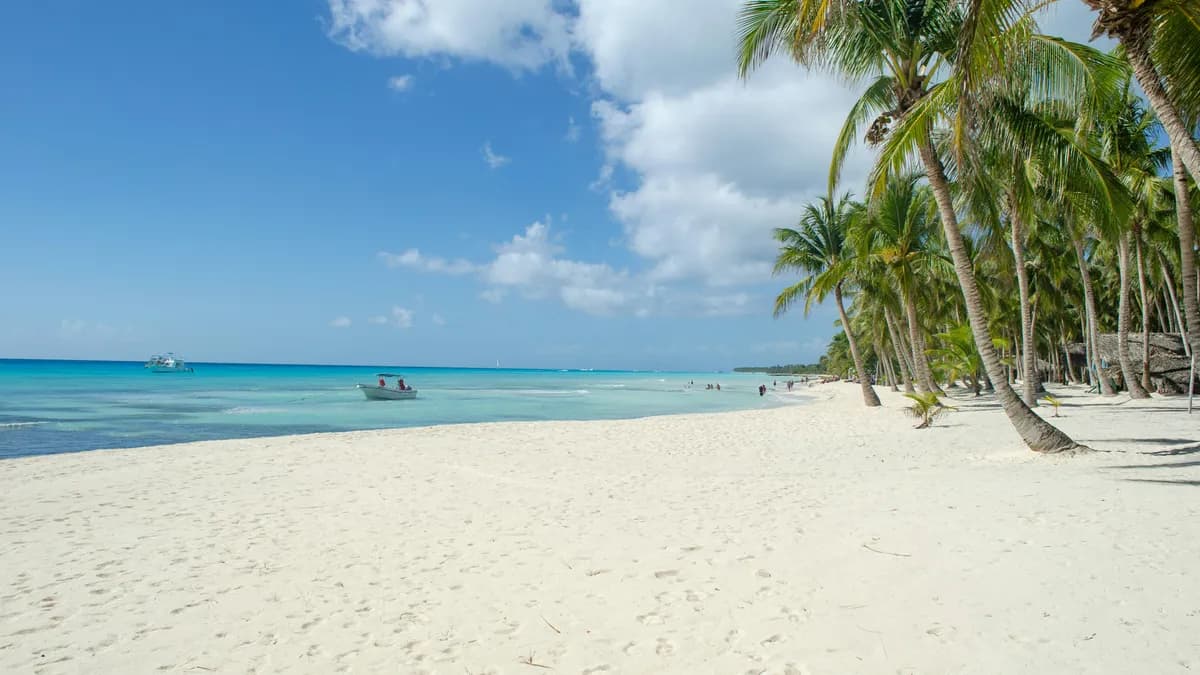
- Public beaches: Every beach in the Dominican Republic is public by law. Bavaro, Cabarete, Playa Coson, Playa Rincon (reachable by road from Las Galeras, or by yola boat from the village for a fare you agree with the boatman), no entrance fees, ever.
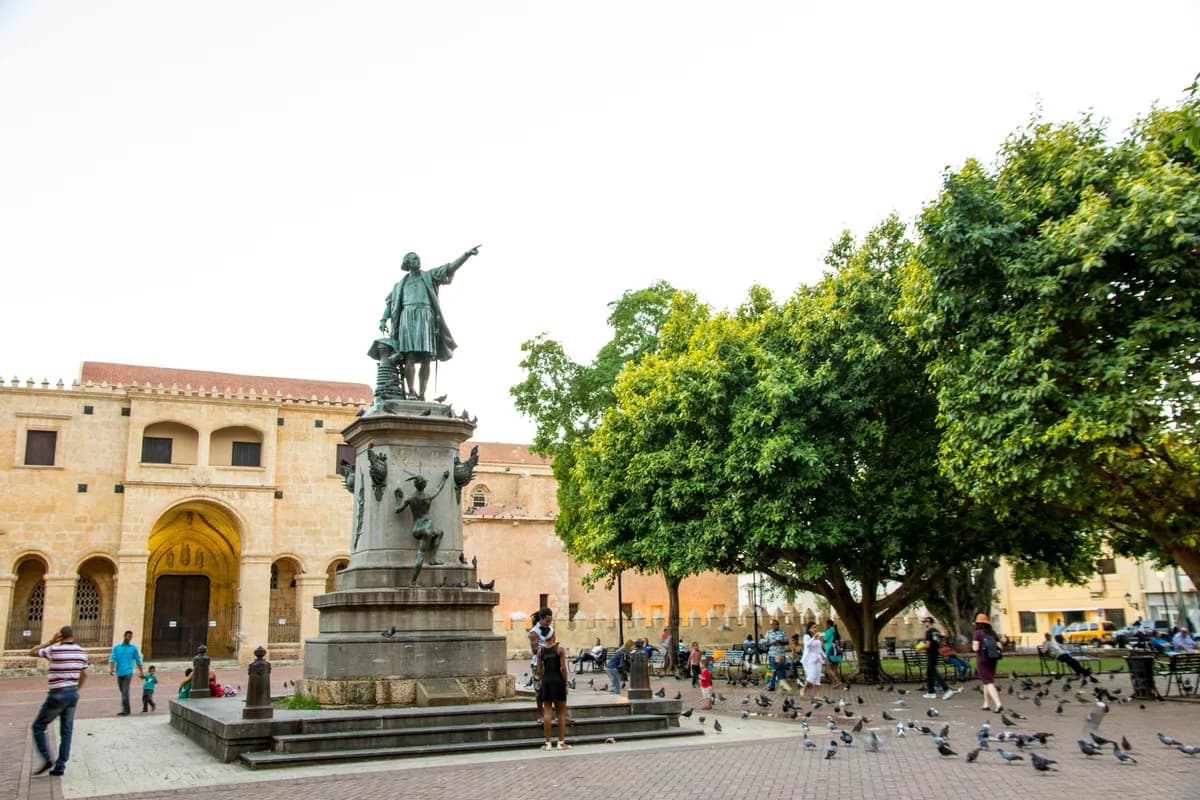
- Zona Colonial walking tour: Wander the oldest European-built streets in the Americas for free. The Calle El Conde pedestrian street, the Catedral Primada, and the Fortaleza Ozama (RD$70/US$1.20 to enter) are all walkable in an afternoon.
- Malecon sunset: Santo Domingo's oceanfront boardwalk is the city's living room at sunset. Free and beautiful at golden hour; stay alert and keep smartphones and other electronic items out of sight.
- Colmado culture: Grab a RD$100 (US$1.70) Presidente, sit on a plastic chair outside the colmado, and let the domino games, bachata, and neighborhood gossip unfold around you. This is Dominican social life at its purest.
- Church visits: The Catedral Primada in Santo Domingo and the Basilica de Higuey are free to enter and architecturally stunning.
- River swimming: Rivers and swimming holes throughout the Cibao Valley and Cordillera Central are free.
- Live music: Step into almost any bar or colmado on a Friday night and you will hear live merengue or bachata. Cover charges are rare outside upscale Santo Domingo clubs. See our music guide for where to listen.
Where NOT to Try to Budget
- Punta Cana resort zone: The entire corridor is designed for all-inclusive tourists. Independent restaurants charge resort-adjacent prices (US$15-30 per meal). If you visit Punta Cana, do it all-inclusive or stay in the town of El Cortecito where local options exist.
- Scuba diving: Budget diving is unsafe diving. A two-tank dive costs US$80-120 and is worth every penny.
- Travel insurance: A US$2-5/day policy from World Nomads or SafetyWing could save you thousands in medical bills.
- Water: Never drink tap water. Budget RD$30-50 (US$0.50-0.85) daily for bottled water, or buy a 5-gallon botellon (RD$80/US$1.35) for your accommodation.
Sample Days on $50
Beach Day in Cabarete, Total: about US$30
- Breakfast: Mangu with eggs at a comedor, RD$150 (US$2.50)
- Morning: Walk to Kite Beach (free), swim, watch kitesurfers
- Lunch: Chimichurri from a roadside cart, RD$150 (US$2.50)
- Afternoon: Beach, read, nap in the shade
- Snack: Fresh juice from a vendor, RD$75 (US$1.25)
- Dinner: La Bandera at a comedor, RD$250 (US$4.20)
- Evening: Two Presidentes at a colmado, RD$200 (US$3.40)
- Accommodation: Hostel dorm, US$14
- Transport: Walking, US$0
- Miscellaneous (water, sunscreen top-up): US$2
City Day in Santo Domingo, Total: about US$33
- Breakfast: Coffee and two empanadas from a street vendor, RD$120 (US$2)
- Morning: Walk the Zona Colonial, visit Catedral Primada (free), Alcazar de Colon (RD$100/US$1.70)
- Lunch: Comedor on Calle Arzobispo Nouel, RD$200 (US$3.40)
- Afternoon: OMSA bus to Malecon, RD$20 (US$0.35), walk the waterfront
- Snack: Batida (fruit smoothie) at a colmado, RD$80 (US$1.35)
- Dinner: Yaroa from a street cart, RD$200 (US$3.40)
- Evening: Live music in Zona Colonial (no cover) + one beer, RD$200 (US$3.40)
- Accommodation: Hostel dorm, US$14
- Transport: OMSA + walking, US$0.70
- Miscellaneous: US$3
Money-Saving Secrets Locals Know
- Always ask "Cuanto cuesta para dominicano?" (How much for a Dominican?), Tourist prices are often 2-3x local prices at markets and some attractions. You may not get the local rate, but asking signals you know the game and often gets you a middle price.
- Take the juice that comes with the meal instead of buying a drink. Many comedores include a jugo in the meal price. Treat it as a saving, not as your drinking water: stick to sealed bottled water through the day, and skip fresh-squeezed juice and ice where you are unsure how they were made. Ask "Viene con jugo?" (Does it come with juice?).
- Travel on weekdays. Guagua prices are fixed, but accommodation in beach towns drops 10-20% midweek when Dominican weekend visitors return home.
- Buy rum at the colmado, not the bar. A bottle of Brugal Anejo costs RD$450 (US$7.50) at the colmado. A single glass at a tourist bar costs RD$250-400 (US$4.20-7).
- Use Uber, not hotel taxis. Hotel taxis charge 3-5x the Uber rate. Even in areas without Uber, asking a local to call you a carro publico (shared taxi) is cheaper than the hotel's service.
- Fill your water bottle at botellon stations. Many colmados and gas stations have purified water dispensers where you can refill a bottle for RD$5 (US$0.08) instead of buying new bottles for RD$30-50.
- Eat your big meal at lunch. Dominican comedores serve the same generous Bandera plate at lunch and dinner, but lunch is often RD$25-50 cheaper because it is considered the main meal of the day.
Frequently Asked Questions
Can I really travel the Dominican Republic on $50/day?
Yes, if you eat at comedores and street food vendors, sleep in hostels or budget guesthouses, use guaguas for transportation, and focus on free activities (beaches, walking tours, colmado culture). Your average will hover around US$40-50/day with occasional splurges. The keys: skip the resort zones, embrace local food, and travel in the low season (May-November) when accommodation prices drop 20-40%.
Is it safe to eat street food in the DR?
Generally yes, with common sense. Street food vendors who have a high turnover (lots of customers) are your safest bet, the food is freshly prepared and does not sit around. If you choose to eat street food, avoid raw vegetables, choose food cooked and steaming hot, and choose fruit you can peel yourself. Avoid anything that has been sitting in the sun without refrigeration. Ease into street food gradually on your first 2-3 days to let your stomach adjust.
What is the cheapest month to visit?
September and October are the cheapest months, it is hurricane season (low risk but real), humidity is high, and tourism drops. Hotel prices are 30-50% below peak season, flights from the US drop significantly, and popular attractions are empty. May, June, and November are the shoulder sweet spots, reasonably priced with better weather than deep hurricane season.
Table of Contents
Santo Domingo
This guide covers Santo Domingo. Explore more about this destination.
View DestinationAbout the Author
Alex Borshch
Founder and editor of the Isla365 network. Spent six months living in the Dominican Republic over the 2013-14 winter, and has since wintered in Thailand, Vietnam and Turkey. Writes and edits the guides across the network.