Dominican Republic in January: 84-88°F and Whale Season
Highs of 84-88F, only occasional brief showers, and humpback whales in Samana from mid-January. Hotel rates run 30-60% above June, so book 2-3 months out.
January is when the Dominican Republic earns its reputation as the Caribbean's winter escape. While ice scrapes off windshields in New York and sleet pounds London, the DR sits comfortably at 27-30°C with low humidity, occasional rain showers, and ocean water warm enough to make a bathtub jealous. That is the good news. The trade-off? Everyone else knows about it too, so you will share the island with peak season crowds and peak season prices.
This guide breaks down exactly what January looks like on the ground, the weather, the events, the costs, and whether it is actually the right month for your trip or whether you would be better off shifting a few weeks in either direction.
January Weather Overview
January is solidly in the dry season (December through April), and it shows. The northeast trade winds keep the air moving, humidity stays manageable, and afternoon downpours are practically nonexistent.
Temperature
Expect daytime highs of 29-31°C (84-88°F) along the coast and evenings that dip to a pleasant 21-23°C (70-73°F). The interior mountains around Jarabacoa and Constanza are noticeably cooler, mornings can drop to 12-15°C (54-59°F), which catches visitors off guard. The water temperature hovers around 26-27°C (79-81°F), comfortable for swimming without a rash guard.
Rainfall
January is one of the driest months on the south and east coasts, with rain falling on relatively few days and usually as short passing showers rather than all-day wet weather. Rainfall on the north coast can be substantial, so allow for wet-weather interruptions. Samaná sits in between. The operative word is "brief", January rain is not a washout, it is a 20-minute interruption followed by sunshine.
Humidity & UV
Relative humidity averages 65-75%, which feels comfortable compared to the 85-95% you will encounter in summer. The UV index, however, is deceptively high, typically 10-11 (very high to extreme). Even on cloudy days, you will burn in 20 minutes without sunscreen. The trade winds create an illusion of coolness that masks the sun's intensity.
What to Expect: Crowds & Prices
Let's be straightforward: January is peak tourist season. North Americans escaping winter, Europeans on holiday, and Dominican diaspora returning from New York, Miami, and Madrid all converge on the island. Punta Cana resorts run at 85-95% occupancy. Popular excursions sell out days in advance.
Crowd Levels
The first two weeks of January are the busiest. New Year's overflow bleeds into early January, and families on extended holiday breaks fill resorts through January 6 (Día de los Reyes). After January 8 or so, crowds thin slightly but remain well above shoulder season levels. The exception is Samaná, which ramps up specifically because whale watching season opens, expect tour boats at full capacity.
Hotel Prices
January hotel rates are 30-60% higher than the same properties in June or September. An all-inclusive in Punta Cana that costs US$180/night in October will run US$260-320/night in January. Boutique hotels in Las Terrenas that go for US$90 in May will ask US$140-160. Booking 2-3 months ahead is essential for any reasonably priced room at a popular property.
One bright spot: January falls after the Christmas/New Year's price spike (December 20 - January 5). If you can arrive after January 6, you will still get peak-season weather at prices 10-15% below the holiday apex.
Events & Holidays
Día de los Reyes, January 6
Three Kings' Day marks the end of the Dominican Christmas season. Children receive gifts, families gather for one last holiday feast, and streets in Santo Domingo host parades and celebrations. If you are at a resort, expect themed events. In towns and cities, look for the processions, they are colorful, loud, and welcoming to visitors.
Día de la Altagracia, January 21
This is the most important religious holiday in the Dominican Republic. The Virgen de la Altagracia is the nation's patron saint, and January 21 is a national holiday. The epicenter is the Basílica de Higüey in the town of Higüey, about 45 minutes west of Punta Cana. Thousands of pilgrims walk for days to reach the basilica, some on their knees for the final stretch. Even if you are not religious, witnessing the faith and devotion is powerful.
Practically: January 21 is a public holiday, so banks, government offices, and some shops close. Resorts and tourist businesses operate normally. If you are near Higüey, expect road congestion as pilgrims converge on the town.
New Year's Aftermath
The energy from New Year's celebrations lingers into early January. Beach clubs in Punta Cana and Cabarete run extended party schedules. Santo Domingo's nightlife stays elevated through the first week. It is a festive, social time to visit, if you want quiet and solitude, January is not your month.
Best Activities for January
Whale Watching in Samaná (Season Opens)
Every year from mid-January through late March, thousands of humpback whales migrate to the warm, shallow waters of Samaná Bay and the Silver Bank to breed and calve. January marks the beginning of this spectacle. By late January, sightings are reliable, breaching, tail slapping, and mothers with newborn calves.
Book with a licensed operator from the town of Samaná or Las Terrenas. Excursions cost US$50-70 per person for a half-day trip. The government regulates the number of boats to protect the whales, another reason to book early. Read our full whale watching guide for operator recommendations and what to expect.
Beach Days
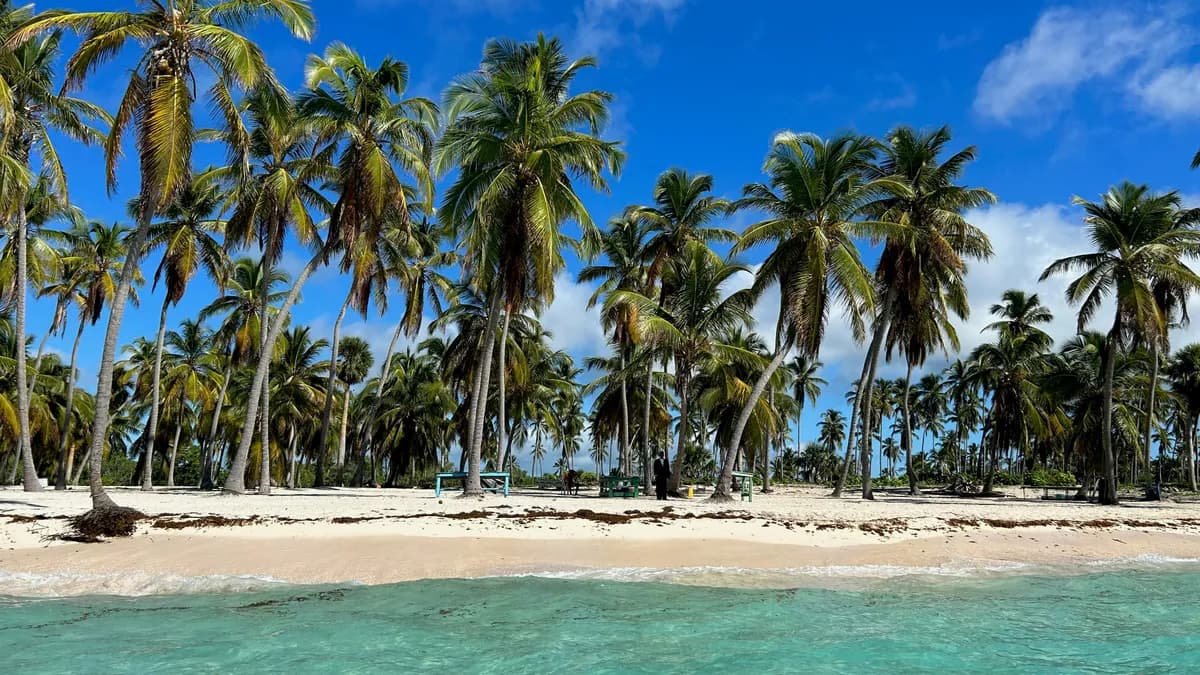
January beach conditions are exceptional. The Atlantic side (north coast) sees moderate swells, great for surfing in Cabarete but rougher for swimming with small children. The sheltered southeast (Bávaro on the Atlantic, Bayahíbe on the Caribbean Sea) is calmer, clear, and postcard-perfect. Water visibility for snorkeling often exceeds 20 meters.
Hiking & Nature
Dry season means trail conditions are excellent. The 27 Charcos de Damajagua (27 waterfalls) near Puerto Plata, Pico Duarte treks from Jarabacoa, and the trails through Los Haitises National Park are all at their most accessible. Fewer mosquitoes, firmer trails, and cooler mountain mornings make January ideal for anyone who wants to move beyond the beach.
Golf
With occasional rain showers and comfortable temperatures, January is prime golf season. The courses at Punta Cana, Corales, Punta Espada, La Cana, are in pristine condition. Tee times fill up fast, so book at least a week in advance.
Snorkeling & Diving
January water clarity is outstanding, particularly along the southeast coast. The reef systems around Bayahíbe, Catalina Island, and the Parque Nacional Submarino La Caleta offer visibility of 20-30 meters. Water temperature at 26-27°C means you can dive comfortably without a wetsuit, though a 2mm shorty helps on repetitive dives. The sheltered bays of Sosúa on the north coast are another excellent snorkeling option, with colorful reef fish and the occasional nurse shark resting on sandy patches.
Cultural Tours
January's pleasant temperatures make city exploration comfortable. Book a guided walking tour of Santo Domingo's Zona Colonial, the oldest continuously inhabited European settlement in the Americas, with cobblestone streets, the first cathedral (Catedral Primada de América, completed 1540), and the Alcázar de Colón, the palace built by Columbus's son Diego. January is also cigar season, the tobacco harvest in the Cibao Valley begins, and cigar factory tours in Santiago (La Aurora, founded 1903) show the entire process from leaf to finished product.
Where to Go in January
Punta Cana, Beach & Resort Perfection
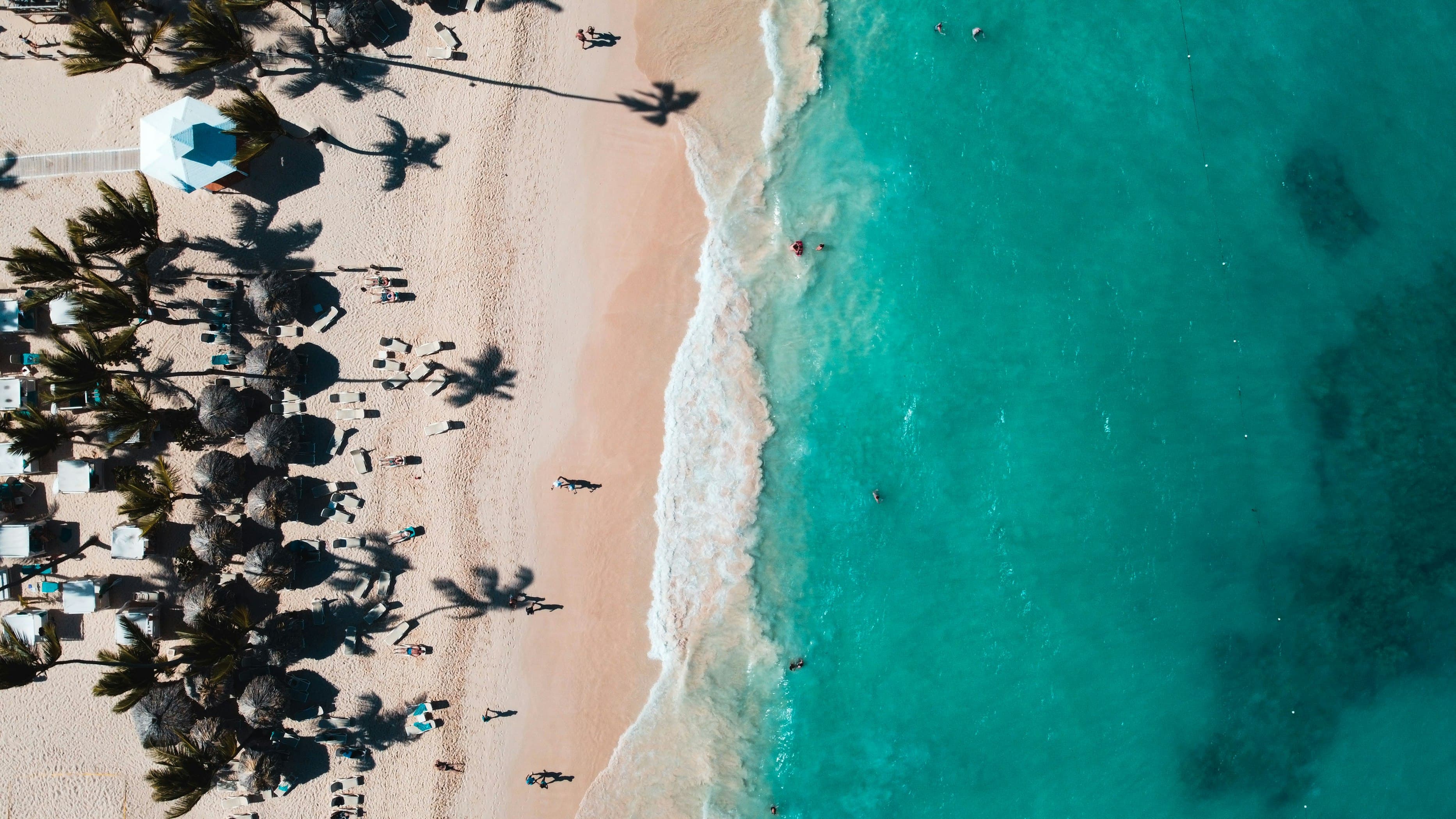
The default choice for a reason. Peak season weather, calm seas, and the full resort infrastructure firing on all cylinders. The downside is crowds and prices. If you book an all-inclusive, you are insulated from the latter, everything is prepaid. Walk the 30km stretch of Bávaro Beach and you will understand why 4 million tourists a year choose this coast.
Samaná, Whales & Wild Beauty
January transforms Samaná from a quiet backwater into whale-watching central. Stay in Las Terrenas for European-influenced restaurants and a bohemian beach town feel, or base yourself in the town of Samaná for direct access to whale excursion boats. Playa Rincón, reachable by boat from Las Galeras, is one of the Caribbean's most beautiful beaches, and it is far less crowded than anything in Punta Cana.
Santo Domingo, Culture & History
The capital is at its best in January. Pleasant temperatures make walking the Zona Colonial, the oldest continuously inhabited European settlement in the Americas, genuinely enjoyable rather than a sweaty endurance test. Museum-hop, eat at the comedores on Calle El Conde, and catch live merengue along the Malecón. The Día de la Altagracia on January 21 adds a cultural layer you will not find in a resort corridor.
Puerto Plata, Adventure Without the Crowds
Puerto Plata offers January sunshine without Punta Cana's density. Explore the Victorian gingerbread houses along the waterfront and visit the Brugal rum distillery. The cable car, up Mount Isabel de Torres, has been closed since June 2024. The Amber Museum houses some of the finest amber specimens in the world, including pieces with prehistoric insects trapped inside. January winds make Cabarete, about forty minutes east by car, one of the Caribbean's top kiteboarding spots, with consistent 15-25 knot trade winds and warm water.
What to Pack
- Lightweight, breathable clothing: cotton or linen. You will live in shorts and tank tops at the coast.
- A light jacket or sweater for air-conditioned restaurants (they crank the A/C) and cooler evenings in mountain areas.
- SPF 50+ reef-safe sunscreen: the January UV index is extreme. Reapply every 2 hours.
- Insect repellent with DEET: mosquitoes are less aggressive in dry season, but they still exist at dawn and dusk.
- Waterproof phone pouch: essential for whale watching boats and beach days.
- Comfortable walking shoes: the cobblestones in the Zona Colonial destroy flip-flops and ankles equally.
- A hat and polarized sunglasses: the glare off the water is blinding.
January Price Guide
All prices approximate, in US dollars, as of early 2026:
- All-inclusive resort (Punta Cana, 4-star): US$240-350/night per couple
- Boutique hotel (Samaná/Las Terrenas): US$110-180/night
- Budget hotel/guesthouse: US$45-75/night
- Airbnb (1-bedroom, beach area): US$70-130/night
- Meal at a comedor (local restaurant): RD$250-400 (US$4-7)
- Meal at a mid-range tourist restaurant: US$15-30 per person
- Whale watching excursion: US$50-70 per person
- Private road transfer (Santo Domingo to Samaná): about 2.5 hours on the Samaná highway; there is no scheduled domestic airline service on this route
- Uber from PUJ airport to Bávaro hotel zone: RD$800-1,200 (US$14-21)
Compared to off-peak months (May-November), January prices average 30-50% higher across the board. The best deals come after January 6, when the holiday-rate surcharge ends but the weather remains perfect.
Pros & Cons
Pros
- Near-perfect dry season weather, low humidity, warm temperatures, minimal rain
- Humpback whale watching season begins in Samaná
- Excellent beach conditions, especially on the Caribbean coast
- Hiking trails in peak condition
- Cultural events: Día de los Reyes (Jan 6) and Día de la Altagracia (Jan 21)
- Full resort and tourism infrastructure operating at maximum capacity
Cons
- Peak season prices, hotel rates 30-60% above off-peak
- Significant crowds, especially at Punta Cana resorts and popular excursions
- Flights are more expensive and book up faster, plan ahead
- Popular restaurants and tours require advance reservations
- Whale watching is just starting, late January through March offers more reliable sightings
Frequently Asked Questions
Is January a good time to visit the Dominican Republic?
January is one of the best months weather-wise, dry, warm, and sunny with low humidity. The trade-off is higher prices and larger crowds. If your budget allows and you book in advance, January delivers excellent conditions for beaches, whale watching, hiking, and cultural events. For budget travelers, late January (after the 6th) offers slightly better rates than the first week.
Can I see whales in January?
Yes. Humpback whale season officially runs mid-January through late March in Samaná Bay. By the last two weeks of January, sightings are consistent. Earlier in the month (January 1-15) is less reliable as the whales are still arriving. For the highest concentration of whales, February and early March are optimal, but late January is a solid bet.
How far in advance should I book for January?
Book flights and hotels 2-3 months in advance for the best selection and prices. Popular all-inclusive resorts in Punta Cana fill up for January by October. Whale watching excursions can be booked 1-2 weeks ahead, but the most reputable operators fill their boats quickly. If you are flexible on exact dates, flying in after January 6 saves money on both flights and accommodation.
Facts on this page were last checked against their sources on . How we check
Table of Contents
Punta Cana
This guide covers Punta Cana. Explore more about this destination.
View DestinationAbout the Author
Alex Borshch
Founder and editor of the Isla365 network. Spent six months living in the Dominican Republic over the 2013-14 winter, and has since wintered in Thailand, Vietnam and Turkey. Writes and edits the guides across the network.