Dominican Republic in July: Merengue & Summer Heat
Dominican Republic in July brings the Festival de Merengue in Santo Domingo, mango season, and daytime highs of 32-34C along the coast.
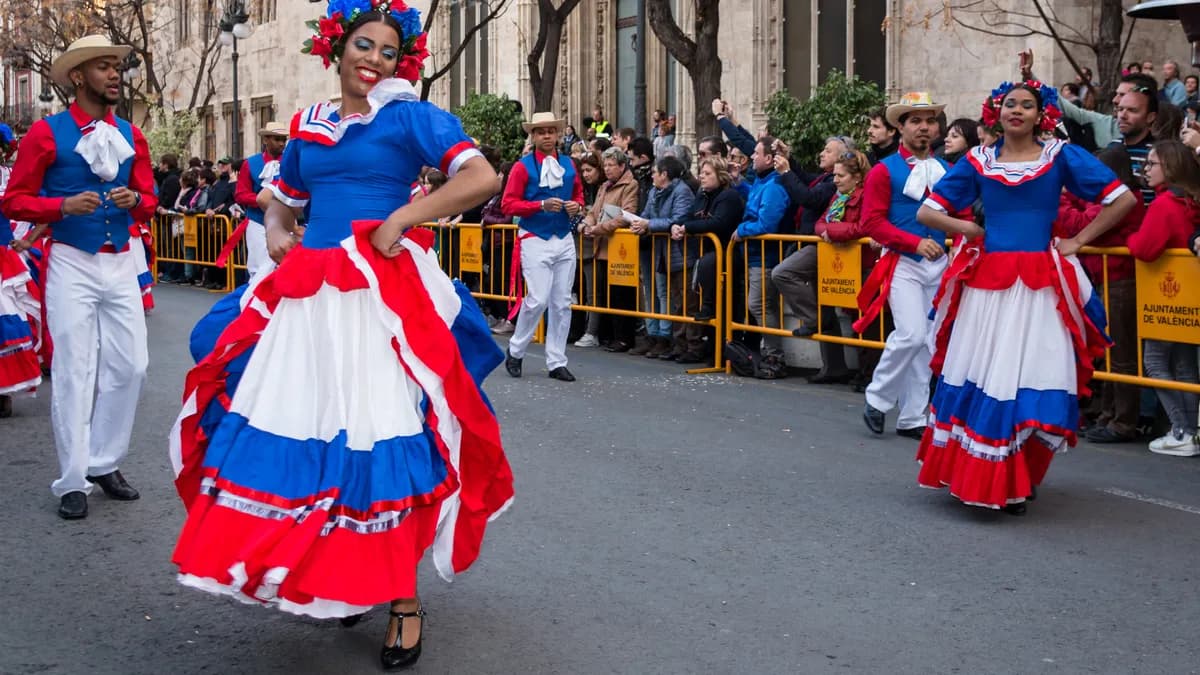
July in the Dominican Republic hits you with two things the moment you step off the plane: a wall of tropical heat and the distant thump of merengue music that seems to pulse through the entire island. This is peak summer, the month when Santo Domingo becomes the merengue capital of the world and mango vendors line every highway with fruit so ripe it drips down your chin.
It is also hot. Genuinely, sweat-through-your-shirt-walking-to-breakfast hot. If you can handle the heat and the occasional afternoon thunderstorm, July rewards you with cultural energy that no dry-season month can match, plus hotel prices that sit comfortably below peak season rates.
July Weather: Heat, Humidity & Afternoon Storms
There is no sugarcoating this: July is one of the hottest months in the Dominican Republic. The trade winds that keep December through March pleasant have weakened, and the humidity cranks up to levels that make air conditioning feel like a basic human right.
Temperature & Humidity
- Daytime highs: 32-34°C (90-93°F) along the coast, occasionally touching 36°C (97°F) in Santo Domingo and the Cibao Valley
- Nighttime lows: 24-26°C (75-79°F), warm enough that you will sleep with A/C on
- Humidity: 75-85%, making the "feels like" temperature regularly hit 38-40°C (100-104°F)
- Ocean temperature: 28-29°C (82-84°F), bathtub warm, perfect for swimming
Rainfall Patterns
July is markedly wetter than the winter months, and totals vary a lot by region. But here is the thing most travel blogs get wrong: it almost never rains all day. The usual rhythm is clear mornings, cloud building through the middle of the day, and a heavy but short-lived afternoon shower, often followed by a clear evening. Timing and intensity vary by day and by region. Plan your beach time for mornings and your sightseeing for late afternoons.
The north coast around Puerto Plata and Cabarete tends to get less rain in July than the south coast. Punta Cana on the east coast sees moderate afternoon showers but dries out quickly thanks to the trade winds.
Hurricane Season Reality Check
July falls within the Atlantic hurricane season (June 1 through November 30), but statistically, July is one of the calmer months. The real peak comes in August and September. The NOAA National Hurricane Center historical data shows that major hurricane landfalls on Hispaniola in July are extremely rare. You should still carry travel insurance and keep an eye on weather forecasts, but the odds are firmly in your favor.
Festival de Merengue in Santo Domingo
This is the reason to visit in July. The Festival de Merengue (also called the Festival del Merengue y Ritmos Caribeños) is the biggest music and cultural festival in the Dominican Republic, and one of the largest in the entire Caribbean. It takes over the Malecón, the oceanfront boulevard in Santo Domingo, with stages, food stalls, dancing, and a party atmosphere that runs well past midnight.
What to Expect
The festival typically spans the last week of July into the first week of August. Stages line the Malecón from the Obelisco to Parque Eugenio María de Hostos, featuring both merengue legends and new acts performing bachata, salsa, dembow, and reggaeton. Major headliners in recent years have included Juan Luis Guerra, Eddy Herrera, Milly Quezada, and Toño Rosario.
Free concerts are a major draw, you do not need a ticket for the Malecón performances. Show up around 7pm, find a spot near a stage, and let the crowd pull you in. Street food vendors sell everything from chimichurris (Dominican burgers loaded with shredded cabbage and garlic sauce) to fresh coconut water hacked open with a machete.
Practical Tips for the Festival
- Book your Santo Domingo hotel 4-6 weeks in advance, the Zona Colonial fills up fast during the festival
- Take Uber or InDriver to the Malecón; parking is a nightmare and street-side lots charge inflated rates
- Carry minimal cash and leave valuables at the hotel, pickpockets work crowded events everywhere in the world
- Wear comfortable shoes and light clothing; you will be on your feet and it will be humid
- The party runs late, pace yourself with the Presidente beers
Mango Season & Summer Fruits
July is the heart of mango season in the Dominican Republic, and if you have only ever eaten a mango from a U.S. supermarket, you are in for a revelation. Dominican mangoes, especially the banilejo and mingolo varieties, are smaller, sweeter, and more intensely flavored than the large Tommy Atkins mangoes exported internationally.
Roadside mango vendors sell bags of 8-10 mangoes for RD$100-150 (about US$1.70-2.50). At markets in Santo Domingo like Mercado Modelo or the Mercado de la Duarte, you will find mangoes alongside chinola (passion fruit), guanábana (soursop), lechosa (papaya), and piña (pineapple) at their peak ripeness.
Try a morir soñando, a Dominican smoothie made with orange juice, milk, sugar, and ice, or a batida de lechosa at any roadside colmado. Street-side fruit cups (ensalada de frutas) cost RD$50-100 and are the perfect afternoon snack after a rain shower cools the air.
If you visit Mercado Modelo in Santo Domingo, be prepared for a sensory overload: stalls stacked with fresh produce, handmade crafts, larimar jewelry, and Dominican cigars all crammed into one chaotic, colorful building. Bargaining is expected, start at 50% of the asking price and meet in the middle.
Family Summer Travel Tips
July is when American, Canadian, and European families descend on the DR during school summer holidays. The all-inclusive resorts in Punta Cana are well set up for this, with kids' clubs, water parks, and supervised activities. But a few tips can make the difference between a smooth family trip and a sweaty meltdown.
- Book early-morning excursions. A 7am catamaran trip to Playa Rincón or Isla Saona beats an afternoon one by a mile when the heat index is 40°C
- Hydration is non-negotiable. Kids dehydrate faster than adults. Carry bottled water everywhere, buy it by the case at a colmado for RD$15-20 per bottle instead of US$3 at the resort gift shop
- Reef-safe sunscreen, SPF 50+. The Caribbean UV index in July regularly hits 11-12 (extreme). Reapply every 90 minutes, especially after swimming
- Plan for afternoon downtime. Use the 2-5pm rain window for naps, quiet time indoors, leaving the pool as soon as you hear thunder, or visits to air-conditioned attractions like the Museo del Hombre Dominicano in Santo Domingo
- Mosquito repellent at dusk. Bring DEET-based repellent for kids over 2 months old, mosquitoes are more active during the wet season
Price Guide: Moderate Deals
July sits in a sweet spot: it is technically low season, but American summer holidays create enough demand to keep prices from hitting rock bottom the way September and October do.
What to Expect for Pricing
- All-inclusive resorts (Punta Cana): US$120-250/night for a standard double, down 25-35% from December-March peak rates
- Boutique hotels (Las Terrenas, Zona Colonial): US$70-160/night
- Flights from the U.S.: Round-trip from New York or Miami to Punta Cana: US$280-450. Book 6-8 weeks ahead for best fares
- Rental cars: US$35-55/day from local agencies (avoid airport counters, which mark up 30-50%)
Compared to peak season (December-April), you are saving roughly 30% on accommodation and 15-20% on flights. Compared to the deep discounts of September, you are paying about 15-20% more, the premium is for better weather reliability and the merengue festival energy.
Best Activities for July
Cultural & Nightlife
- Festival de Merengue: the main event; see above
- Zona Colonial walking tours: mornings before the heat peaks, exploring the oldest European-built streets in the Americas
- Santo Domingo nightlife: the Zona Colonial bars and clubs on Calle Hostos and Calle Isabel La Católica are buzzing all July
Beach & Water
- Snorkeling at Bayahíbe: water is warm all summer, though visibility swings with swell and rainfall runoff; boat trips to Isla Catalina for reef snorkeling run daily
- Bávaro Beach morning sessions: get there by 8am for calm water and manageable heat
- Cenote and river swimming: freshwater cenotes near Punta Cana (Hoyo Azul at Scape Park) and rivers near Jarabacoa are refreshing escapes from the coastal heat
Outdoors & Nature
- 27 Charcos de Damajagua: the famous waterfall-jumping excursion near Puerto Plata is at full water flow in July
- Jarabacoa river rafting: the Río Yaque del Norte has good summer water levels for white-water rafting
Where to Go in July
Santo Domingo, For the Festival
If you are visiting in late July, Santo Domingo is the obvious choice. Combine the Festival de Merengue with the Zona Colonial, the Malecón, and some of the best Dominican food on the island. Stay in the Zona Colonial for walkability to festival venues.
Punta Cana, For Families & Beach
Punta Cana is the default family summer destination with good reason, the resorts handle everything from airport transfers to kids' entertainment. July weather on the east coast is hot but less humid than Santo Domingo, and the sea breeze helps.
Puerto Plata & Cabarete, For Budget Travelers
Puerto Plata offers the best July value. Hotels are notably cheaper than Punta Cana, the 27 Charcos de Damajagua is approximately an hour’s drive away, and the north coast gets slightly less rain in July. Cabarete is ideal for kitesurfers, the summer winds are consistent.
Budget accommodation in Cabarete runs US$40-80/night at guesthouses and small hotels on the main strip. Kite Beach is roughly a 30-minute walk from town center, and the sunset over the bay is one of the best free shows on the island. Grab a Presidente at Lax Ojo bar, plant your feet in the sand, and watch the kites dance against an orange sky.
What to Pack for July
- Lightweight, breathable clothing: cotton and linen; leave the jeans at home
- Waterproof phone case: for both rain showers and beach days
- Compact umbrella or rain jacket: for the afternoon downpours
- SPF 50+ reef-safe sunscreen: bring more than you think you need
- DEET mosquito repellent: wet season means more mosquitoes
- Reusable water bottle: you will drink 3-4 liters per day
- Quick-dry swimwear: humidity means nothing dries fast on a clothesline
- Sandals and one pair of sturdy shoes: for cobblestone streets in the Zona Colonial
- Portable fan or cooling towel: sounds silly until you are waiting for a guagua at noon
Pros & Cons of July Travel
Pros
- Festival de Merengue, an unforgettable cultural experience with free concerts and street parties
- Peak mango season with incredible tropical fruit variety
- Hotel rates 25-35% below peak season
- Ocean water at its warmest and calmest on the east coast
- Long daylight hours (sunrise around 6:15am, sunset around 7:15pm)
- Lush, green landscapes from the rains
Cons
- Intense heat and humidity, outdoor activities require careful timing
- Occasional rain showers in the late afternoon or at night
- Mosquitoes more active than in dry season
- Hurricane season is underway (low statistical risk in July, but monitor forecasts)
- Some resort pools and beach areas crowded with summer family travelers
- Driving on flooded roads can be challenging after heavy downpours
Frequently Asked Questions
Is July a good time to visit the Dominican Republic?
Yes, if you can handle the heat. July offers a unique cultural experience with the Festival de Merengue, mango season at its peak, and prices significantly below the December-April high season. The afternoon rain showers are brief and predictable. If you are coming strictly for beach weather with zero chance of rain, February or March is a better bet.
How hot does it get in the Dominican Republic in July?
Daytime temperatures reach 32-34°C (90-93°F) along the coast, with the heat index often hitting 38-40°C (100-104°F) due to high humidity. Nights stay warm at 24-26°C (75-79°F). Air conditioning is essential for comfortable sleep, and you should plan strenuous activities for early morning or late afternoon.
Is it safe to travel to the Dominican Republic during hurricane season in July?
July is within Atlantic hurricane season, but it is statistically one of the lower-risk months. The peak for hurricanes comes in August-September. Major hurricane landfalls on Hispaniola in July are very rare. That said, always purchase travel insurance with weather-related cancellation coverage, book flexible hotel rates, and check NOAA's National Hurricane Center forecasts before departure. The risk-reward ratio in July is favorable, far more so than in September.
Table of Contents
Santo Domingo
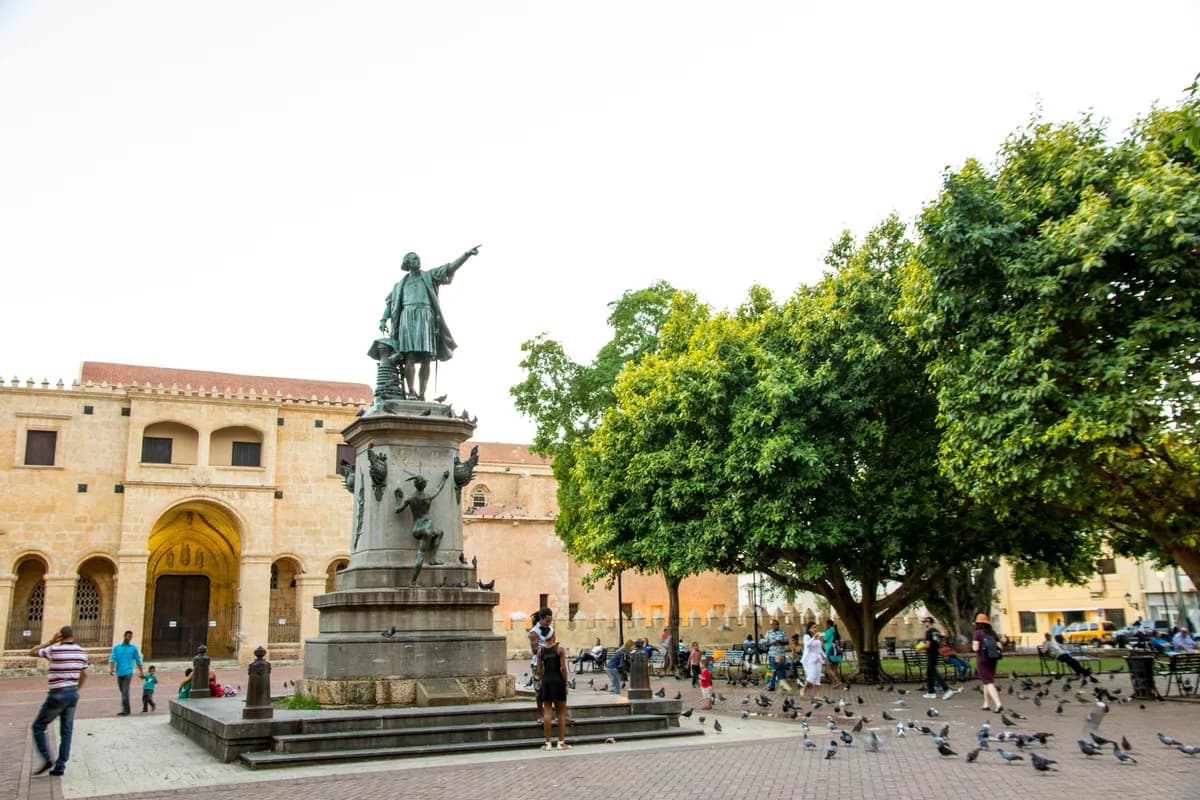
This guide covers Santo Domingo. Explore more about this destination.
View DestinationAbout the Author
Alex Borshch
Founder and editor of the Isla365 network. Spent six months living in the Dominican Republic over the 2013-14 winter, and has since wintered in Thailand, Vietnam and Turkey. Writes and edits the guides across the network.