Dominican Republic in October: Baseball & Weather
Dominican Republic in October covers the start of LIDOM winter baseball, fading hurricane risk, and improving shoulder-season hotel prices.
October is when the Dominican Republic starts to exhale. The worst of hurricane season has passed, the rain begins to taper off, and a different kind of energy takes over the island, baseball. The Liga de Béisbol Profesional de la República Dominicana (LIDOM) kicks off its winter season in mid-October, and suddenly the country is consumed by a rivalry and passion that makes the Yankees-Red Sox feud look civil.
For travelers, October occupies a sweet spot: prices are still well below peak season, the weather is improving week by week, and you get to experience Dominican baseball culture, something most tourists never see. Conditions vary by region: October is Punta Cana's wettest month on average.
October Weather: Getting Better
October marks the beginning of the transition from wet season to dry season. The change is gradual, early October feels a lot like September, while late October starts to resemble November. The trajectory is clearly positive.
Temperature & Conditions
- Daytime highs: 30-33°C (86-91°F), slightly cooler than August/September as the sun angle decreases
- Nighttime lows: 22-25°C (72-77°F), the first hint of cooler evenings
- Humidity: 75-85%, still high but noticeably lower than September
- Ocean temperature: 28-29°C (82-84°F), warm and comfortable
- Rainfall: still a wet month, though the second half of October usually brings more days of sunshine than September
The Weather Trajectory
Think of October as two halves. The first two weeks can still produce heavy rain events and the occasional tropical system (though the statistical risk drops significantly after mid-October). The second half of the month tends to be drier, with more sun-dominant days and afternoon showers that are typically shorter and less frequent, though this varies by region and by year. If you can, aim for the second half of October.
One of the pleasures of late October is the first taste of cooler evenings. After months of sleeping with the A/C cranked to maximum, those 22-23°C (72-73°F) nights feel genuinely refreshing. You might even open the balcony door at night and let the trade wind in, something unthinkable in August.
Dominican Baseball Season (LIDOM)
If you want to understand Dominican culture at a level deeper than beaches and resorts, attending a LIDOM game is mandatory. The Liga de Béisbol Profesional de la República Dominicana, winter baseball, is the off-season proving ground for Major League Baseball players and the absolute obsession of the Dominican nation from October through January.
The Six Teams
- Tigres del Licey: based in Santo Domingo (Estadio Quisqueya). The most successful franchise, with the most passionate (and loudest) fans
- Águilas Cibaeñas: based in Santiago (Estadio Cibao). Licey's arch-rivals. The Licey-Águilas rivalry is Dominican baseball's defining fixture
- Leones del Escogido: also in Santo Domingo (shares Estadio Quisqueya with Licey)
- Estrellas Orientales: based in San Pedro de Macorís
- Gigantes del Cibao: based in San Francisco de Macorís
- Toros del Este: based in La Romana
Attending a Game
Tickets are absurdly affordable compared to MLB: general admission seats cost RD$200-500 (US$3.50-8.50), and Escogido's corporate box seats cost RD$2,500 in 2025-26. Evening games usually start around 7:00-7:30pm and weekend games often start in the afternoon, so check your game's time and arrive about an hour early to soak in the pre-game atmosphere of merengue blasting from the speakers, vendors selling empanadas and Presidente beer, and fans in team colors trash-talking rivals.
The atmosphere is electric. Dominican baseball games are part sporting event, part nightclub, part family cookout. Trumpet sections in the stands play merengue riffs after every hit. Entire sections dance between innings. Vendors walk the aisles selling Presidente beer, empanadas, and maní (roasted peanuts) in brown paper bags. It is nothing like the comparatively restrained atmosphere of most MLB stadiums.
Estadio Quisqueya in Santo Domingo and Estadio Cibao in Santiago are the two best venues. For the full rivalry experience, try to catch a Licey vs Águilas game, it is the Dominican equivalent of El Clásico.
Tips for Attending
Tickets for regular-season October games are often available at the stadium box office on game day, but buy ahead for high-demand fixtures such as Licey against Aguilas. Check the published start time for your game (October fixtures can begin as early as 4pm on a weekend) and arrive about an hour ahead to enjoy the pre-game atmosphere and secure good seats. Sit in the general admission sections for the most fun, that is where the die-hard fans, the music sections, and the dancing happen. Upper box seats are quieter and offer better sightlines. Bring cash for concessions, card payments are not widely accepted inside the stadiums.
Hurricane Season Winding Down
October is still technically within hurricane season (which runs through November 30), but the risk profile drops sharply from September. NOAA data shows that while October can produce strong hurricanes (Hurricane Matthew in 2016 is a notable example), the frequency of named storms decreases meaningfully in the second half of the month.
By late October, the jet stream begins to strengthen, creating wind shear that inhibits tropical cyclone development. You should still carry travel insurance, this is standard advice for any hurricane-season month, but the anxiety level appropriate for October is substantially lower than for August or September.
For context, many long-term Dominican residents consider October the month when they stop thinking about hurricanes. The NOAA seasonal outlook provides guidance on overall hurricane-season activity, and the sea surface temperatures that fuel tropical cyclones begin cooling. If September is the month of maximum vigilance, you should still stay prepared and avoid letting your guard down.
Shoulder Season Pricing
October is a true shoulder month. Prices are higher than September's rock-bottom but still 30-45% below the December-March peak.
- All-inclusive resorts (Punta Cana): US$95-220/night
- Boutique hotels: US$55-130/night
- Flights from the U.S.: Round-trip from New York: US$240-400. From Miami: US$200-320
- Rental cars: US$30-50/day
October is also when airlines start adding winter flights to the DR, which increases seat availability and keeps fares competitive. Check JetBlue and Frontier for the best October deals out of East Coast cities (Spirit ceased operations in May 2026).
The value calculation in October is compelling. You get weather that is 80-90% as good as December (more rain, but also more sun than September), cultural experiences December tourists miss entirely (baseball opening), and prices that are 30-45% lower. For a budget-conscious traveler who does not need guaranteed perfection, October delivers an outstanding return on investment.
Where to Go in October
Santo Domingo, For Baseball & Culture
Santo Domingo is the clear October winner. Home to two LIDOM teams (Licey and Escogido), the Zona Colonial's restaurant scene, and improving weather by late October. Stay in the Zona Colonial or Piantini for easy access to Estadio Quisqueya and the city's best dining.
Santiago, For the Águilas & Mountain Cool
Santiago, the DR's second city, is home to the Águilas Cibaeñas and sits in the Cibao Valley with slightly cooler temperatures than the coast. The cigar factories, the Monumento a los Héroes de la Restauración, and the emerging gastronomy scene make Santiago worth 2-3 days. It is also the gateway to the mountain towns of Jarabacoa and Constanza.
Santiago's food scene deserves special mention. The city is the culinary heart of the Cibao region, known for chivo liniero (goat stew from the northwestern frontier), locrio de pollo (Dominican rice and chicken), and yaroa, a gloriously messy fast-food layering of meat, cheese, and french fries that Santiago claims as its own invention. Hit the Monumento area at night for restaurant options ranging from upscale Dominican cuisine to casual street food stands.
Punta Cana, For Beach & Resort
Punta Cana delivers its usual resort experience at excellent October prices. October is Punta Cana's wettest month on average.
October occupancy at Punta Cana resorts runs 55-70%, which means you get attentive service, available spa appointments, and the kind of relaxed pace that vanishes from December through March. Ask about room upgrades at check-in, many front desk staff have the authority to bump you up when the hotel is half-empty.
Activities & Excursions
- LIDOM baseball games: the defining October activity. See above for details
- 27 Charcos de Damajagua: the waterfall circuit near Puerto Plata is still at excellent water levels in October
- Whale watching preview: while the main humpback season does not start until January, occasional early arrivals have been spotted in Samaná Bay in late October
- Zip-lining in Jarabacoa: the mountains are lush and green, temperatures are pleasant at elevation, and the adventure activities are less crowded than in winter
- Santo Domingo food tours: explore the Zona Colonial's restaurant renaissance with guided food walking tours. Try la bandera at a local comedor, chivo guisado at a family-run restaurant, and craft cocktails at the new wave of Zona Colonial bars
- Surfing in Cabarete: October swells on the north coast create good surfing conditions, and the water is warm enough for board shorts
Nature & Eco-Tourism
October is one of the best months for eco-tourism in the DR. The rains have filled rivers and waterfalls to their peak, the forests are at their lushest, and the lower tourist numbers mean national parks and nature reserves feel genuinely wild.
- Los Haitises National Park: accessible from Samaná or Sabana de la Mar, this mangrove-lined park with limestone karst formations is spectacular after the rainy season. Boat tours through the mangrove channels and visits to Taíno cave art sites run daily
- Jarabacoa & Constanza highland hiking: the mountain towns are cooler, greener, and less crowded. Hike to Salto Jimenoa or Salto Baiguate waterfalls, both at peak flow in October
- Birding: the DR has 32 endemic bird species. October's quieter trails and lush vegetation make it prime birding season. Hire a local guide at Sierra de Bahoruco or Parque Nacional del Este
What to Pack
- Light rain jacket and compact umbrella: still needed, though less than in August/September
- Comfortable walking shoes: for Zona Colonial cobblestones and stadium steps
- A team shirt: if you are attending baseball, buy a Licey or Águilas shirt at the stadium, official Licey options include shirts at RD$1,200.00 and RD$1,500.00 and instantly makes you part of the crowd
- Light layers for evenings: late October evenings can feel almost cool by Dominican standards (24°C / 75°F feels refreshing after a tropical summer)
- SPF 50+ sunscreen: the UV index in October is still high (8-10)
- Mosquito repellent: still wet-season levels of mosquito activity
Pros & Cons
Pros
- Dominican baseball season begins, a world-class cultural and sporting experience
- Weather improving week by week, especially in the second half of the month
- Shoulder-season prices 30-45% below peak
- Hurricane risk drops significantly from September
- Fewer tourists means more authentic Dominican experiences
- Lush green scenery from the rainy season
Cons
- Early October weather still resembles September, rain is possible
- Still within hurricane season (though risk is diminishing)
- Some tour operators have reduced schedules from low season
- Humidity remains high, especially in the first half of the month
- Not ideal if guaranteed sunshine is your priority
Frequently Asked Questions
When does Dominican baseball season start?
LIDOM typically begins in mid-to-late October, with the regular season running through late December. The round-robin playoff stage follows in January, leading to the championship series. The winner represents the Dominican Republic in the Caribbean Series in February. Check the official LIDOM schedule (lidom.com) closer to your travel dates for exact game times and matchups.
Is October a good time to visit the Dominican Republic?
October is an underrated sweet spot. The weather improves through the month (aim for the second half), prices are 30-45% below peak season, and Dominican baseball season creates a cultural energy that peak-season tourists completely miss. You still need travel insurance for the remaining hurricane season risk, but October's risk profile is significantly better than August or September.
Is hurricane season still a concern in October?
Yes, but less so than in August-September. The statistical peak of hurricane season is around September 10, and activity declines through October. Late October can still produce devastating hurricanes. Travel insurance is still recommended, but many experienced DR travelers consider October the first month where the weather risk-reward ratio tips firmly in the traveler's favor.
Table of Contents
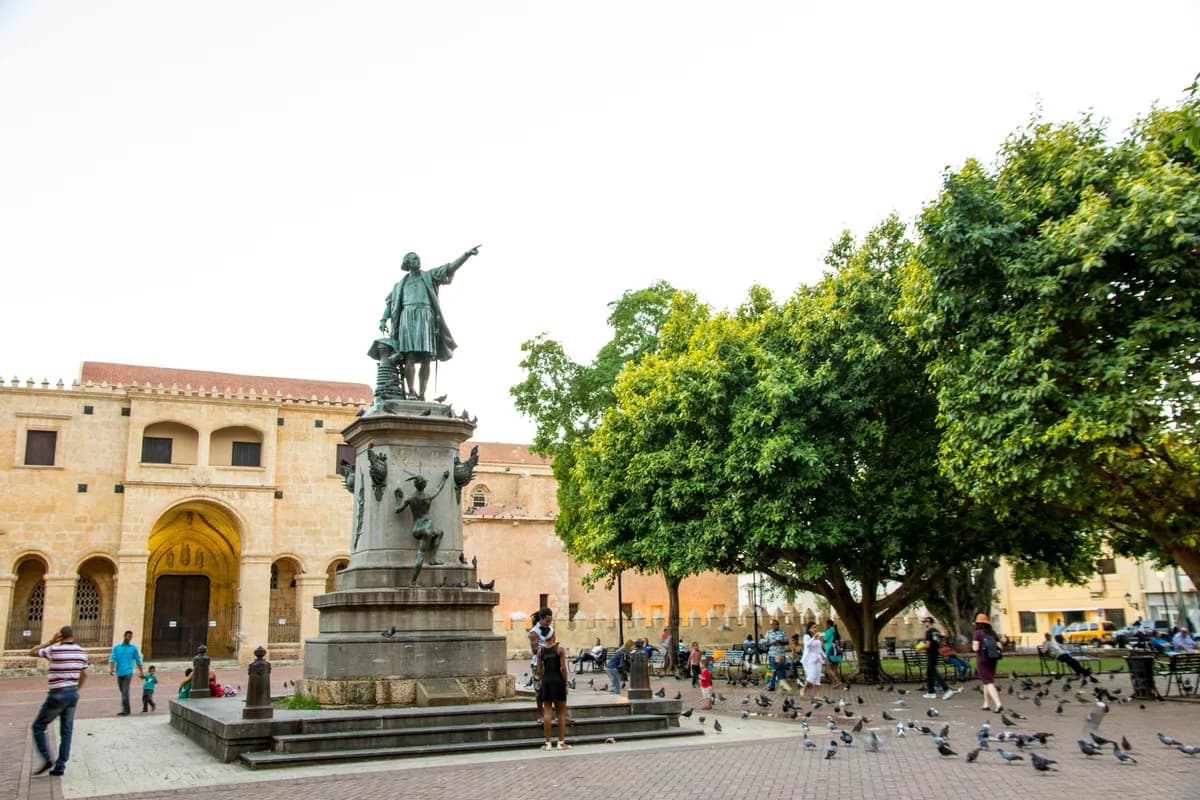
Santo Domingo
This guide covers Santo Domingo. Explore more about this destination.
View DestinationAbout the Author
Alex Borshch
Founder and editor of the Isla365 network. Spent six months living in the Dominican Republic over the 2013-14 winter, and has since wintered in Thailand, Vietnam and Turkey. Writes and edits the guides across the network.