
Dominican Republic in September: Prices & Risks
Dominican Republic in September has the year's lowest hotel prices, alongside the peak of hurricane season risk.
September is the month that travel agents do not put on the brochure. It is the statistical peak of Atlantic hurricane season, part of the rainy season in much of the Dominican Republic, and the time when resort occupancy falls to its lowest point of the year. Restaurants in tourist areas close early. Some boutique hotels shut down entirely for maintenance.
And yet, every September, a certain breed of traveler books a flight to Punta Cana or Santo Domingo and gets the deal of a lifetime. All-inclusive rates that would be unthinkable in February. Round-trip flights at a fraction of peak-season fares. An entire resort pool to yourself on a Tuesday afternoon. If you understand the risks and plan accordingly, September can be extraordinary.
September Weather: The Hardest Month
This section is going to be blunt because you deserve the truth before spending money.
Temperature & Humidity
- Daytime highs: 31-34°C (88-93°F)
- Nighttime lows: 23-26°C (73-79°F)
- Humidity: Intense during the April to October period. Walking outside at 9am feels like stepping into a steam room
- Ocean temperature: 29-30°C (84-86°F)
Rainfall
September is one of the wettest months across much of the island, though which month is wettest varies by region. Crucially, the rain pattern shifts from July's predictable "afternoon shower" model to something less predictable. You may get three gorgeous sunny days in a row, then a full day of heavy, persistent rain from a tropical wave passing through. Flash flooding in low-lying areas is a real concern, especially in the Cibao Valley and along the south coast.
Hurricane Season Peak
This is the core issue. NOAA's historical records show that peak Atlantic hurricane activity occurs between late August and early October, with September 10 being the climatological peak. The DR is not hit every year, or even every few years, by a major hurricane, but the statistical probability of tropical storm-force winds or significant weather disruption is highest right now.
What does "disruption" look like in practice? Usually not a direct hit. More commonly, a tropical storm passing 200-500km away generates heavy rain, rough seas (beaches closed for 1-3 days), and flight delays. In a bad year, you might lose 2-3 days of a 7-day trip to weather. In a good year, September delivers warm, partly cloudy days with brief showers and you wonder what the fuss was about.
Why Some Travelers Love September
Repeat visitors, the ones who have been to the DR three, five, ten times, are disproportionately represented in September arrivals. Why?
- They already know the island and are not worried about missing a specific beach day, they will go with the flow
- They value privacy and space. A 500-room resort with 200 occupied rooms feels like a private retreat
- The savings are enormous: for the price of one peak-season week, you can afford two September weeks
- The staff-to-guest ratio is incredible. Your poolside server remembers your drink order. The concierge has actual time to arrange personalized excursions
- The DR is still beautiful in the rain. The mountains around Jarabacoa are lush and emerald green. Waterfalls are at their most dramatic. Sunsets after afternoon storms are electric
There is also a certain honesty to September travel. The people you meet, both tourists and locals, are not performing for a crowd. The waiter at your restaurant in Las Terrenas has time to sit down and tell you about the dish you just ordered. The dive instructor takes you to the reef he actually likes, not the tourist-optimized one. The whole island operates at a more human pace.
Dominican locals also have a saying: "El que no arriesga, no gana", those who do not risk, do not win. September travelers embody that spirit, and the reward is an experience of the DR that high-season visitors simply cannot access.
Rock-Bottom Prices
September consistently delivers the absolute lowest prices of the year for Dominican Republic travel. Here is what you are looking at:
Accommodation
- All-inclusive resorts (Punta Cana), 4-5 star: US$75-170/night, this is not a misprint. Large Bávaro all-inclusives such as Barceló Bávaro Palace, Riu Bambu and Majestic Elegance discount heavily in September, though what you pay depends on the dates, room category, occupancy and taxes, so compare dated quotes
- Boutique hotels: US$40-90/night in Las Terrenas, Cabarete, and Santo Domingo Zona Colonial
- Airbnb/apartments: US$25-60/night for entire apartments in Santo Domingo or Puerto Plata
Flights
- New York to Punta Cana: US$180-320 round-trip
- Miami to Santo Domingo: US$160-260 round-trip
- Toronto to Punta Cana: CAD$350-500 round-trip
The Math
A 7-night all-inclusive trip from New York to Punta Cana in September: US$700-1,200 per person total (flight + resort + all meals and drinks). The same trip in February: US$1,800-3,000+. You are saving 50-60%. For a couple, that is potentially US$2,000-3,000 in savings, enough to fund another entire vacation.
Hurricane Insurance Guide
This is not optional in September. It is the cost of doing business.
What You Need
- Trip cancellation insurance that covers named storms and tropical weather events, verify that hurricane-related cancellation is explicitly listed, not just "weather events"
- Trip interruption coverage for additional hotel nights, meals, and rebooking fees if you get stuck
- Cancel for Any Reason (CFAR) add-on: costs more than a standard policy and reimburses a set share of prepaid, non-refundable trip costs (commonly 50%) for reasons the base plan excludes, including "I am nervous about the weather forecast." It usually has to be bought within days of your first trip payment, and you have to cancel at least two days before departure, subject to your plan's terms, so read the terms before you rely on it
- Medical evacuation coverage: at least US$100,000. If flights are disrupted and you need emergency medical care, evacuation to Miami costs US$20,000-50,000 out of pocket without insurance
Recommended Providers
World Nomads, Allianz Global Assistance, Travel Guard, and Seven Corners offer travel insurance plans; check the policy terms for hurricane-related coverage. Budget US$80-150 per person for a 7-day trip with CFAR coverage. Given that you are saving US$1,000+ on the trip itself, this is a straightforward investment.
Flexible Booking Strategies
- Book refundable hotel rates. The price difference between refundable and non-refundable in September is often only US$5-15/night, worth the flexibility
- Choose airlines with generous storm policies. JetBlue, Delta, American and United all issue storm travel waivers, but each one names the affected airports, the ticketing and travel dates and a rebooking deadline, may waive the change fee, while an airline cancellation may also qualify for a refund, and can still charge a fare difference, so read the notice that applies to your flight
- Book your trip 3-4 weeks out. This gives you time to monitor weather patterns while still getting good prices. Last-minute deals in September are common because inventory is high
- Have a Plan B date. If a storm is forecast for your travel week, shift by 5-7 days rather than canceling entirely
- Avoid booking non-refundable excursions in advance. Book activities on arrival based on the weather that week
Indoor Activities & Rainy-Day Plans
In September, having rainy-day plans is not a backup, it is primary planning. Budget for the possibility of losing whole days to rain.
- Resort amenities: this is when you use the spa, the gym, the indoor game rooms, and the lobby bar. Low occupancy means you actually get a spa appointment same-day
- Santo Domingo cultural circuit: the Zona Colonial museums, the Cathedral Primada de América, and the Teatro Nacional are all excellent rainy-day destinations
- Cooking classes: learn to make la bandera dominicana or sancocho, a perfect activity when it is pouring outside
- Cigar lounges: the DR produces world-class cigars. Spend an afternoon at a Santiago or Santo Domingo cigar lounge with a Ron Barceló añejo
- Shopping malls: Ágora Mall, Blue Mall, and Galería 360 in Santo Domingo are modern, air-conditioned, and have good restaurants and cinemas
- Chocolate and cacao tours: the ChocoMuseo in Punta Cana and cacao plantations in Hato Mayor offer immersive experiences that work perfectly on rainy days
- Merengue or bachata dance lessons: several studios in Santo Domingo and Punta Cana offer group and private lessons. Dance schools in the Zona Colonial charge RD$500-1,000 (US$8-17) per hour, learn the basic step and you will have a party trick for life
The key mental shift for September travel: do not fight the rain, work around it. If it is pouring at 10am, have a long breakfast, read your book at the lobby bar, and check the radar on the Windy app. By 2pm or 3pm, the sun is often back out, and you have the beach to yourself while high-season travelers would be fighting for lounge chairs.
The Empty Resort Reality
This is September's secret superpower. A 700-room resort running well below capacity means:
- Lounge chairs always available, including the prime beachfront ones that require a 7am dash in January
- No wait at the buffet or à la carte restaurants, and chefs are more willing to accommodate special requests
- Pool bars feel like your personal bar
- Upgrade potential is very real, politely ask at check-in. With empty rooms, many resorts upgrade guests to suites or ocean-view rooms at no charge
- Spa appointments available on demand rather than booked days in advance
The flip side: some resorts close wings, pools, or restaurants during low season. A resort advertising "7 restaurants" may only operate 4-5 in September. Ask before booking.
Who Should NOT Come in September
Honesty requires saying this clearly. September is NOT for you if:
- This is a once-in-a-lifetime trip and you cannot reschedule. The risk of weather disruption is too high to gamble your only Caribbean vacation on
- You are planning a destination wedding. Outdoor ceremonies cannot carry an unpredictable risk of heavy rain as a variable
- You have severe weather anxiety. If tracking tropical systems will consume your mental energy and ruin your relaxation, the savings are not worth it
- You are traveling with very young children or elderly family. The disruption of delayed flights and schedule changes is harder with vulnerable travelers
- Your primary goal is scuba diving or boat excursions. Water can also be generally calm during this period, so check conditions before booking
September IS for you if: you are a flexible budget traveler, a repeat visitor who already knows the island, a digital nomad looking for a cheap base with fast internet, a couple who values privacy over perfection, or someone who genuinely enjoys tropical rain and finds beauty in dramatic weather. Some of the most memorable Dominican moments happen when a storm breaks, the air cools by 5 degrees, and the entire sky turns orange and purple at sunset. September delivers those moments more than any other month.
Pros & Cons
Pros
- Absolute lowest prices of the year, 50-60% below peak season
- Near-empty resorts with upgrade potential and personalized service
- Lush, green landscapes and dramatic waterfalls at peak flow
- Warm ocean water and very little crowd competition for beach space
- An authentic, less-touristy feel, more interaction with Dominican culture
Cons
- Peak hurricane season, real risk of weather disruption
- Wettest month in many regions; potential for full rainy days
- Extreme humidity makes outdoor activities grueling
- Some hotels, restaurants, and tour operators close or reduce hours
- Flight cancellation or delay risk higher than any other month
- Mosquitoes at their most aggressive
Frequently Asked Questions
Is September the worst month to visit the Dominican Republic?
For weather reliability, yes, September is among the wettest months and the peak of hurricane season. But "worst" depends on what you value. For budget travelers with flexible dates and travel insurance, September offers the lowest prices and emptiest resorts of the year. The weather is not terrible every day, many September days are warm and partly sunny. It is the unpredictability that is the issue, not constant bad weather.
How much can I really save by traveling in September?
A lot. All-inclusive resorts in Punta Cana drop to US$75-170/night (vs US$200-400+ in peak season). Flights from the U.S. run US$180-320 round-trip (vs US$350-600+). A 7-night all-inclusive package for a couple can cost US$1,500-2,500 total, roughly half of what you would pay in February. Budget US$80-150 per person for travel insurance to protect the investment.
What happens if a hurricane hits during my September trip?
Resorts have hurricane protocols: guests are moved to interior corridors, emergency supplies are provided, and staff remain on-site. Airlines may issue travel waivers, but rebooking can still involve a fare difference. If you have CFAR (Cancel for Any Reason) coverage, you can cancel for reasons the base policy does not cover and recover part of your prepaid, non-refundable costs, provided you bought the add-on in time and cancel at least two days before departure, subject to your plan's terms. If a storm hits mid-trip, trip interruption or travel delay benefits may cover extra hotel nights and rebooking costs, but only for a covered reason and within the plan's limits, daily maximums and exclusions. Often the disruption amounts to a few days of changed plans, but a tropical system can also bring genuinely dangerous storm surge, flooding and winds, and hazards can persist after it passes. Follow local authorities and your property's own emergency instructions rather than assuming a resort will keep you comfortable.
Table of Contents
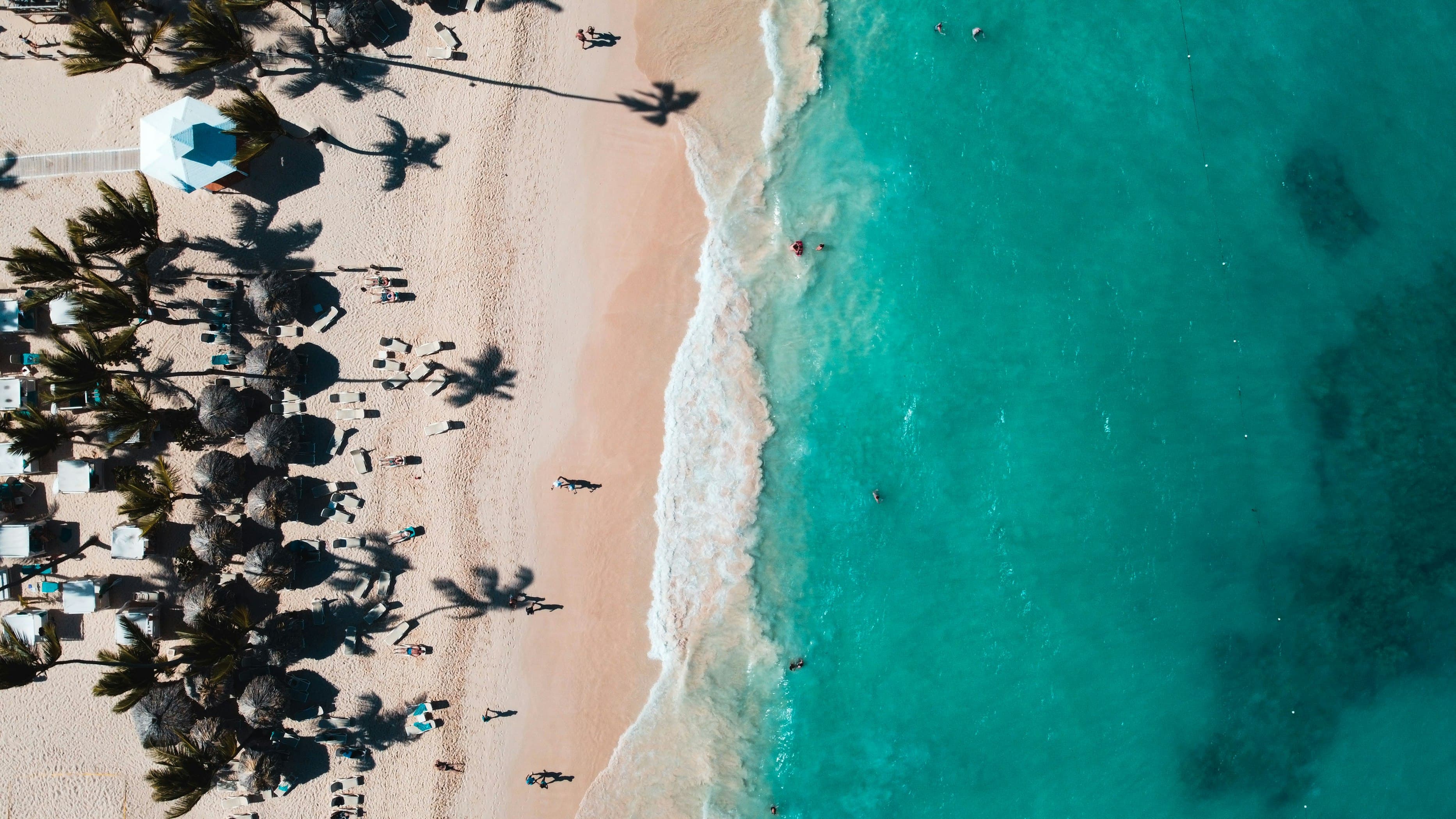
Punta Cana
This guide covers Punta Cana. Explore more about this destination.
View DestinationAbout the Author
Alex Borshch
Founder and editor of the Isla365 network. Spent six months living in the Dominican Republic over the 2013-14 winter, and has since wintered in Thailand, Vietnam and Turkey. Writes and edits the guides across the network.